




As resource nationalism gains momentum across Africa, Namibia’s mining sector has raised concerns about a government proposal requiring new mining ventures to have at least 51% local ownership.
By Ryan Chigoche
Industry leaders warn that such a policy could discourage foreign investors and threaten the sector’s long-term sustainability.
Namibia’s Deputy Prime Minister and Minister of Industries, Mines and Energy, Natangwe Ithete, explained that the move aims to ensure Namibians secure a fair and lasting share of mining benefits.
He also noted that a review of the Minerals Bill will include broad stakeholder engagement to modernise the regulatory framework.
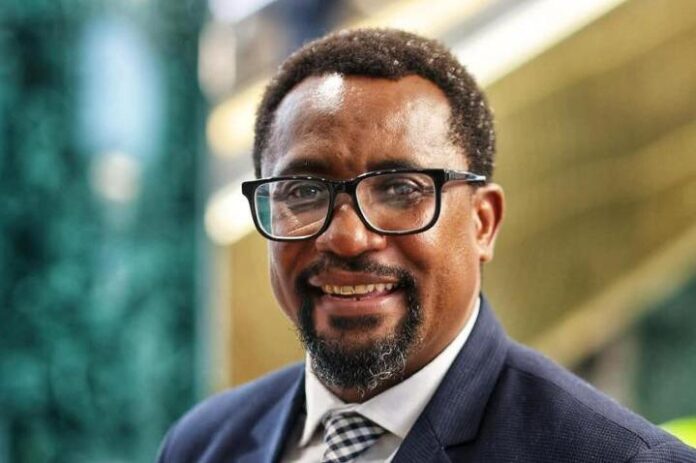
However, at the recent 2025 Mining Expo in Windhoek, John Roos, First Vice President of the Chamber of Mines and Country Manager for B2Gold Namibia, emphasised that focusing primarily on ownership stakes overlooks the broader economic gains Namibia currently realises.
He cautioned that strict ownership requirements may push investors towards countries offering more favourable terms, especially since mining requires significant capital that is often not available locally.
Roos stressed that meaningful local participation should extend throughout the mining value chain, including procurement, skills development, and local services, rather than focusing solely on shareholding.
He noted that between 2015 and 2019, shareholders did not receive dividends as capital repayment took priority, yet the government benefited through royalties, taxes, and corporate social responsibility programs.
Drawing on B2Gold’s data, Roos highlighted that over a decade (2015–2024), government revenues from taxes and levies exceeded shareholder returns, showing that sustained engagement yields greater value for Namibia than upfront ownership stakes.
George Botshiwe, President of the Chamber of Mines and Managing Director of QKR Namibia, supported economic empowerment but emphasised that ownership is only one part of a wider strategy tailored to Namibia’s context. He urged focusing on initiatives delivering immediate community benefits, such as local procurement and CSR.
Botshiwe also noted that the Chamber is actively working with government and stakeholders to broaden empowerment opportunities, aiming to ensure mining’s benefits are visible to everyday Namibians. He warned against adopting empowerment models from other countries without local adaptation.
Zimbabwe’s Experience with Local Ownership Requirements
Namibia’s proposed 51% local ownership rule mirrors a model Zimbabwe previously implemented but later abandoned. Soon after assuming office in 2017, President Emmerson Mnangagwa scrapped the country’s 51% local ownership rule for foreign investors, allowing companies to own 100% of mining operations under his “Open for Business” campaign aimed at boosting investment.
Historically, Zimbabwe’s Indigenisation and Economic Empowerment Act mandated majority local ownership in foreign mining ventures, particularly in strategic sectors like platinum and diamonds.
This requirement was phased out between 2018 and 2020 to attract more foreign capital while maintaining some state participation through entities like the Zimbabwe Mining Development Corporation.
However, reflecting a broader continental shift towards resource nationalism, Zimbabwe’s Ministry of Mines now plans to acquire a 26% stake in future mining projects.
Mines Secretary Pfungwa Kunaka also indicated the government will seek shareholding in existing operations through negotiations.
This evolution in Zimbabwe’s policy highlights the ongoing challenge across African mining economies to balance attracting foreign investment with ensuring meaningful local empowerment—a dynamic Namibia is currently confronting with its own 51% ownership proposal.

