
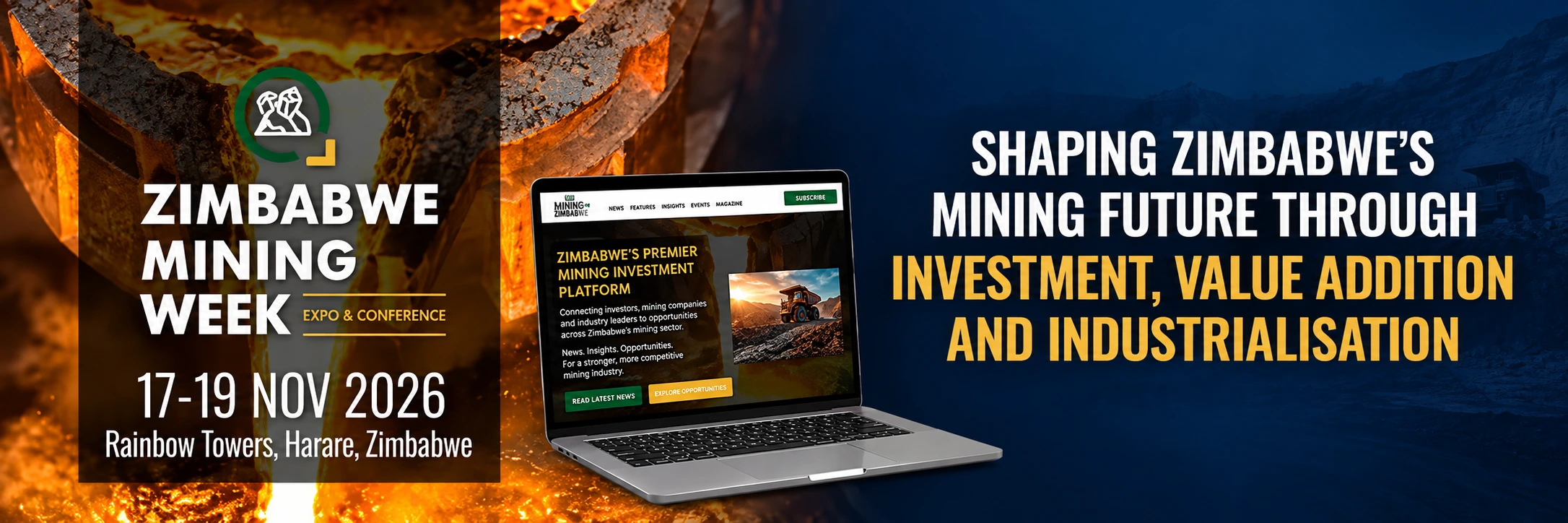


🚨 Now Out: Mining Zimbabwe Magazine – Edition 89 🚨
Zimbabwe’s mining story deserves a much closer look from international investors.
Beneath its soil lies a diverse mineral base spanning gold, platinum, lithium, chrome, coal and other critical minerals.
More importantly, the opportunity is evolving: Zimbabwe is placing greater emphasis on beneficiation and value addition, creating space for investment that can go well beyond simply extracting ore.
For international investors, that creates a broader opportunity. Capital is needed not only for mines, but also for processing plants, equipment, engineering, logistics, power and the many businesses that keep a modern mining value chain moving.
Investors who look beyond the mine itself can find opportunities to participate in an industry with the potential to generate production, jobs, infrastructure and long-term commercial activity.
Of course, Zimbabwe is not a risk-free market. Serious investors must conduct proper due diligence and understand the regulatory, infrastructure, foreign-exchange and operating environment.
But challenges should be assessed on their merits rather than allowed to overshadow the underlying opportunity.
The mineral wealth is real. The opportunity to turn it into productive mines, processing plants, jobs, infrastructure and durable businesses is real too.
For international investors prepared to take a long-term view, understand the market and work with credible local partners, Zimbabwe’s mining sector offers more than mineral deposits.
It offers the chance to be part of a developing mining economy where capital, technology and expertise can help unlock value for investors and the country alike.
📩 For partnerships, advertising, or to get your copy, reach out today and be part of this important conversation.
Grab your free copy today and stay informed on what’s driving the future of mining in Zimbabwe!
Stay informed. Stay empowered. Get your copy today!
👉 Follow us: Facebook, LinkedIn, X, TikTok
📖 Access this and past copies.
Please support equipment and service providers who make it possible for us to bring you Edition after Edition, month after month.
Remember, you can write to us or submit contributions on the details below
- Email: [email protected] or WhatsApp: +263 772 701 730.
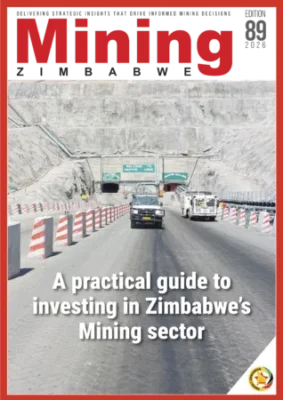
Mining Zimbabwe Magazine Edition 89 (First distributed at Africa Down Under 2026)
Mining Zimbabwe Magazine Edition 89
Mining Zimbabwe Magazine Edition 87
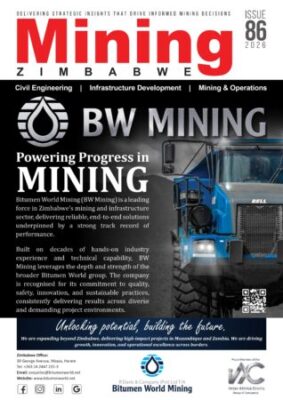
Mining Zimbabwe Magazine Edition 86
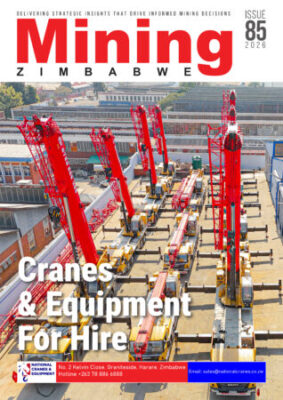
Mining Zimbabwe Magazine Edition 85
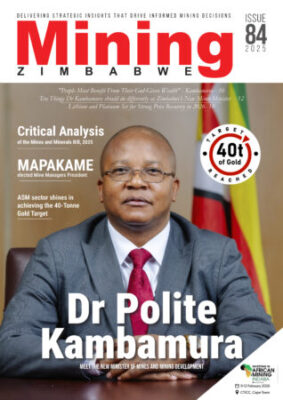
Mining Zimbabwe Magazine Edition 84

Mining Zimbabwe Magazine Edition 83
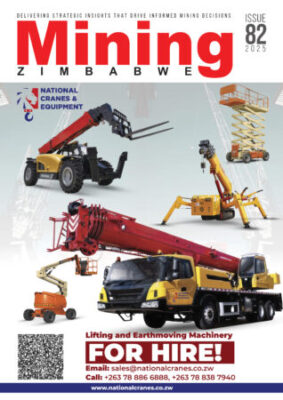
Mining Zimbabwe Magazine Edition 82

Mining Zimbabwe Magazine Edition 81

Mining Zimbabwe Magazine Edition 80
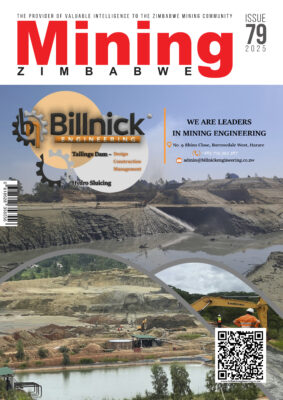
Mining Zimbabwe Magazine Edition 79
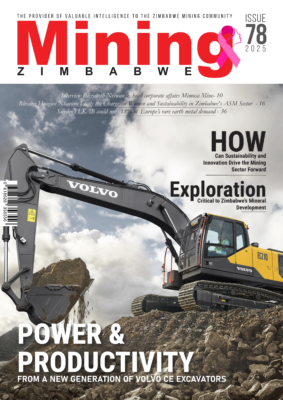
Mining Zimbabwe Magazine Edition 78
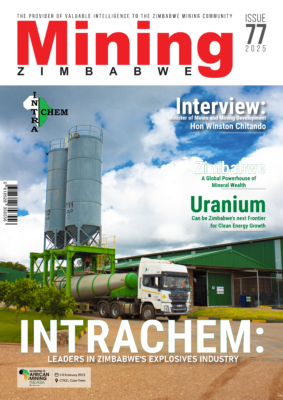
Mining Zimbabwe Magazine Edition 77

Mining Zimbabwe Magazine Edition 76

Mining Zimbabwe Magazine Edition 75 (i)

Mining Zimbabwe Magazine Edition 75 (ii)
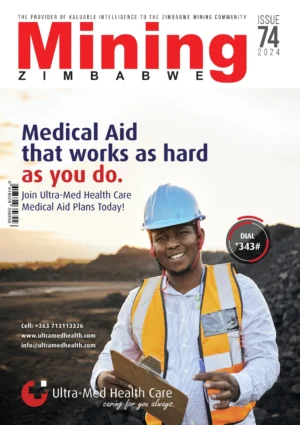
Mining Zimbabwe Magazine Edition 74
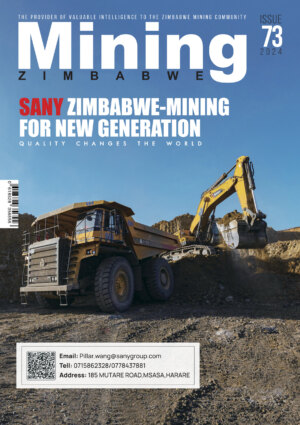
Mining Zimbabwe Magazine Edition 73
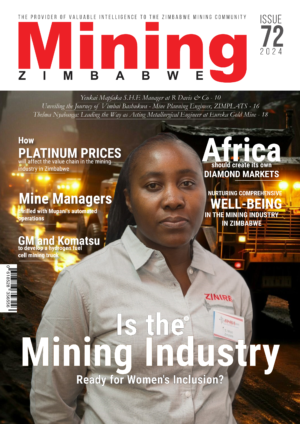
Mining Zimbabwe Magazine Edition 72
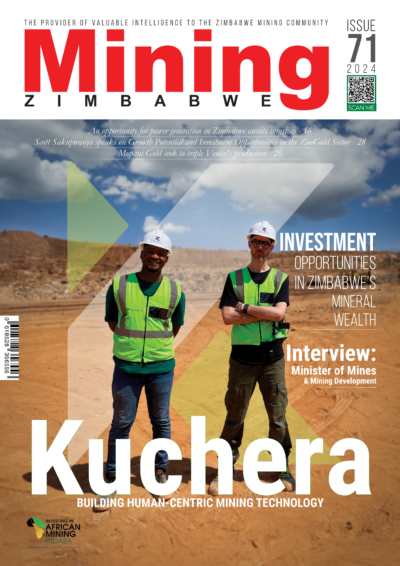
Mining Zimbabwe Magazine Edition 71

Mining Zimbabwe Magazine Edition 70

Mining Zimbabwe Magazine Edition 69
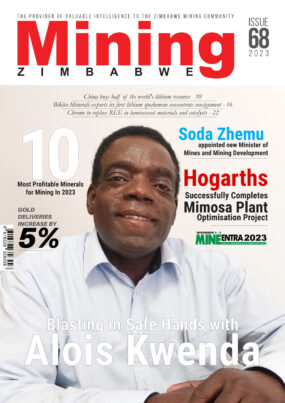
Mining Zimbabwe Magazine Edition 68

Mining Zimbabwe Magazine Edition 67
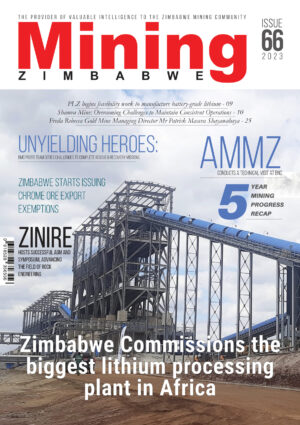
Mining Zimbabwe Magazine Edition 66
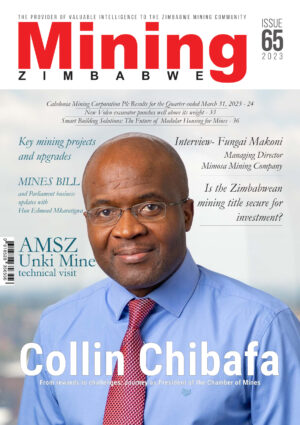
Mining Zimbabwe Magazine Edition 65
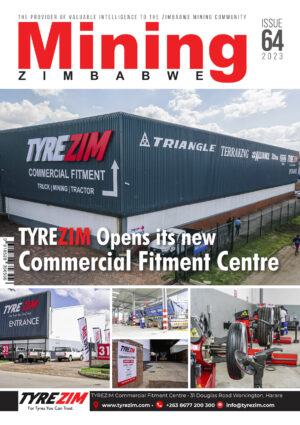
Mining Zimbabwe Magazine Edition 64
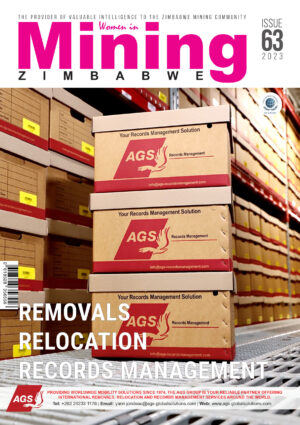
Mining Zimbabwe Magazine Edition 63
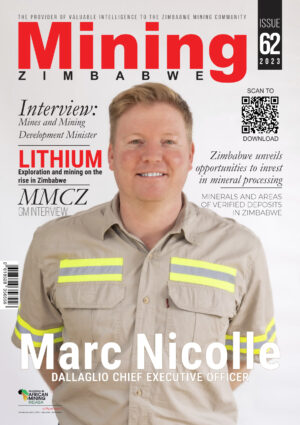
Mining Zimbabwe Magazine Edition 62
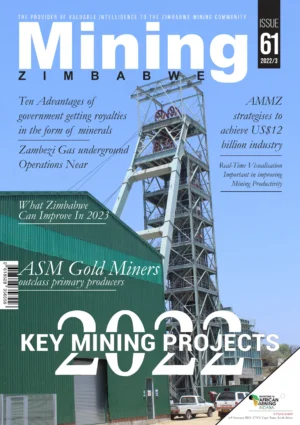
Mining Zimbabwe Magazine Edition 61

Mining Zimbabwe Magazine Edition 60

Mining Zimbabwe Magazine Edition 59
Mining Zimbabwe Magazine Edition 58
Mining Zimbabwe Magazine Edition 57
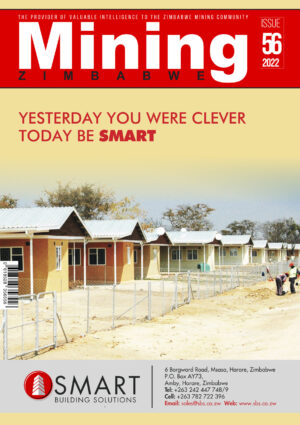
Mining Zimbabwe Magazine Edition 56

Mining Zimbabwe Magazine Edition 55
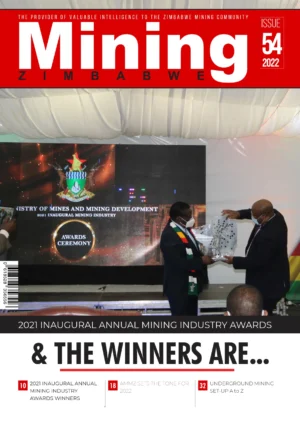
Mining Zimbabwe Magazine Edition 54
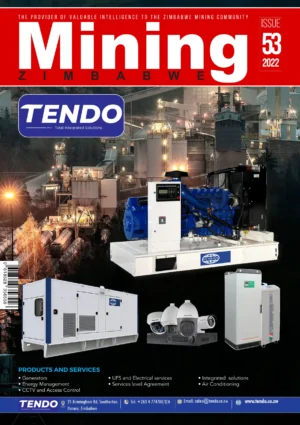
Mining Zimbabwe Magazine Edition 53

Mining Zimbabwe Magazine Edition 52
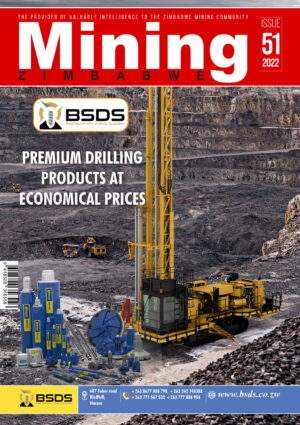
Mining Zimbabwe Magazine Edition 51
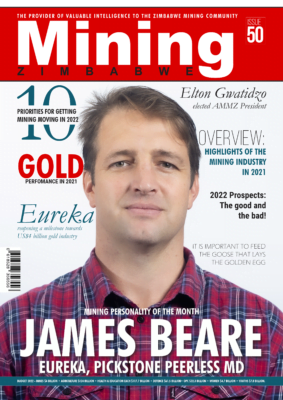
Mining Zimbabwe Magazine Edition 50

Mining Zimbabwe Magazine Edition 56