


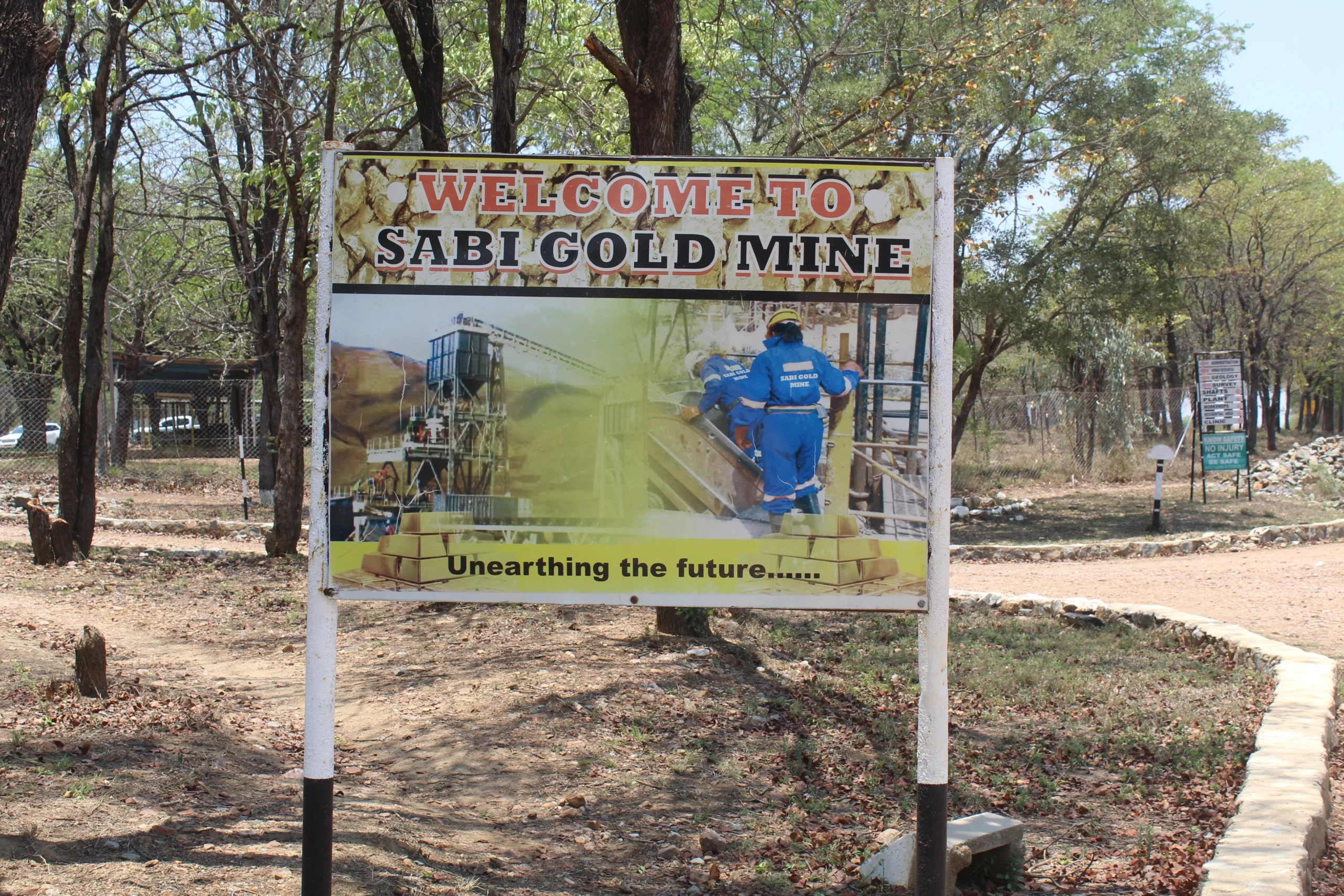

Sabi Gold Mine has officially exited judicial management, signalling a major recovery under the Zimbabwe Mining Development Corporation (ZMDC), Mining Zimbabwe can report.
The operation, placed under judicial management in 2014 due to severe financial distress, has clawed back from near collapse and is now producing an average of 448kg of gold per year.
The turnaround follows targeted interventions by ZMDC aimed at stabilising operations, boosting output, and restoring financial viability.
The recovery at Sabi is part of a broader effort by ZMDC to revitalise its mining portfolio. The corporation also manages gold operations at Jena, Elvington, and Golden Kopje mines. These efforts contribute to national ambitions to achieve upper-middle-income status by 2030.
Exiting judicial management has restored confidence in Sabi’s long-term stability. The mine is now a high-yield, reliable asset, supporting local employment and boosting economic activity in the region. Chitambira notes that this achievement demonstrates how focused oversight can turn struggling mines into productive operations.
ZMDC is applying the same approach to other projects. Golden Kopje Mine in Chinhoyi is expected to reopen soon, adding around 200kg to the corporation’s annual gold output.
In the base metals sector, Sanyati Copper Mines has shown promising exploration results, with production projected to resume in the first quarter of 2027. This revival will diversify Zimbabwe’s mineral output and reduce reliance on imported copper.
The easing of Western sanctions on ZMDC last year has also opened access to global markets, investment, and technology. Sabi Gold Mine’s recovery highlights ZMDC’s renewed operational momentum and reinforces its role as a cornerstone of Zimbabwe’s mining-led economic growth.

