


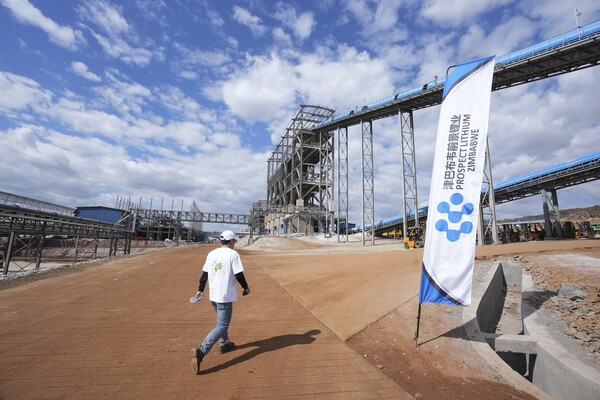

A seismic shift in Zimbabwe’s fiscal approach to its lithium sector took effect on January 1, 2026. Buried in the Finance Act 7 of 2025 is an amendment that draws a stark, intentional line in the sand: exports of high-value lithium sulphate attract a 0% Value Added Tax (VAT) rate, while exports of lithium ore and concentrates are levied a 10% VAT on their gross fair market value, Mining Zimbabwe can report.
By Rudairo Mapuranga
On paper, the policy is a masterstroke of economic engineering. It is the fiscal embodiment of the government’s oft-stated “beneficiation or bust” mantra. By making the refined product—lithium sulphate, a crucial feedstock for lithium-ion batteries—tax-free, the state is offering a powerful carrot to investors. Simultaneously, the 10% tax on unprocessed and semi-processed exports acts as a stick, designed to penalise and discourage the shipment of raw resources. The goal is unambiguous: to force the value chain to mature within Zimbabwe’s borders.
However, this strategic move lands in an industry that, according to the Mining Prospects 2026 survey, is in a fragile state of aggressive infancy rather than mature prosperity. While output is projected to “near double” and capacity utilisation to leap to 98%, these figures mask profound anxieties. Producers are “ramping up production” not from a position of strength, but to secure “adequate feedstock” for the very sulphate plants they are building under the government’s beneficiation roadmap. The sector is running to stand still, investing billions to comply while global market uncertainty looms.
This is where miners’ vehement concern over the 7% royalty, which they describe as “high and uncompetitive,” intersects dangerously with the new VAT structure. Producers argue that the Zimbabwe Revenue Authority (ZIMRA) currently calculates this royalty based on notional lithium carbonate prices—a far more processed and valuable product than the concentrates most are exporting. This, they contend, unfairly inflates their tax burden.
The new 10% VAT on concentrates now layers another cost on top of this disputed royalty. In the industry’s view, this creates a “double beneficiation tax.” They are being penalised once via a royalty calculated on a product they do not produce, and again via VAT for exporting the concentrate they do produce. This “double taxation,” they warn, directly threatens the viability of lithium projects already straining under colossal capital expenditure for mandated processing plants.
Contrast Zimbabwe’s predominantly punitive model with the strategies of critical minerals leaders.
Australia: While it levies royalties, its focus is on creating an unparalleled ecosystem of geological surveys, streamlined permitting, research partnerships (such as the Critical Minerals Research and Development Hub), and strategic co-investment through agencies like the Critical Minerals Office. The stick is minimal; the carrot is a stable, innovative, and globally competitive operating environment.
China: Its strategy is one of vertical integration and strategic stockpiling. Through state-backed enterprises, it secures global supply—often through equity investments in mines abroad—and dominates mid- and downstream processing. Its domestic policy is less about taxing raw exports and more about controlling the entire chain through corporate and state machinery.
Both nations treat critical minerals as a strategic marathon requiring patient capital and enabling infrastructure. Zimbabwe’s approach, while bold in its intent, risks treating the sector as a fiscal sprint, extracting maximum revenue from an industry still taking its first steps. The zero-rating of sulphate is a welcome nod to this strategic view, but it is undermined by the perceived predatory pressure elsewhere in the fiscal regime.
At the core of the issue is a paradox: Zimbabwe is legislating as if it has a mature, cash-generating lithium industry when, in fact, it has a nascent, debt-fuelled one building to order. The projected production boom is a sign of potential, not proof of profitability. The high royalty and new VAT on concentrates act as a drag on the cash flow needed to fund the very beneficiation plants the government desires.
The message from the amendment is clear: “Process here, and we will reward you.” The message from the broader fiscal regime, as perceived by miners, is contradictory: “Pay us as if you are already fully processed, while you borrow billions to build the capacity to do so.”
For Zimbabwe’s lithium dream to align with its critical minerals ambition, the state must view the sector as it truly is: an infant strategic industry. This requires a holistic review in which the supportive intent of the 0% VAT on sulphate is mirrored by a rational, sustainable royalty framework and a patient partnership that nurtures growth rather than squeezing it prematurely. The alternative is to win the beneficiation battle on paper while losing the war for a viable, globally competitive lithium industry.

