



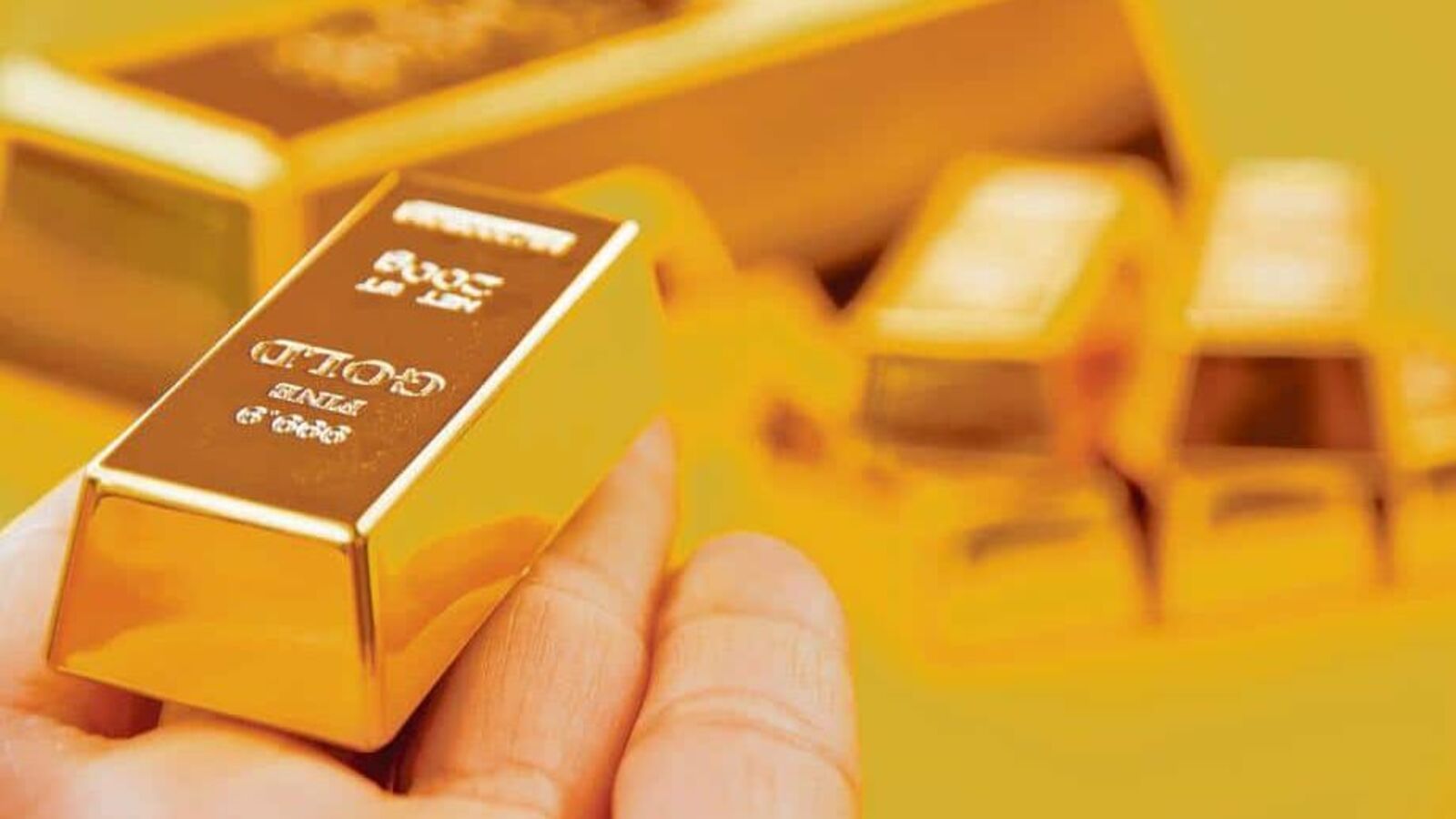

Gold prices surged beyond the US$5,000 per ounce mark for the first time in history this week, extending a powerful rally that has reshaped global precious metals markets and opened the door to a significant fiscal windfall for major producing countries, including Zimbabwe, Mining Zimbabwe reports.
By Ryan Chigoche
The metal briefly traded above US$5,100 an ounce in early trading, capping a gain of more than 60 per cent over the past year as investors intensified their search for safe-haven assets.
The rally has been driven by a combination of geopolitical tension, economic uncertainty, and shifting monetary policy expectations.
Renewed trade frictions involving the United States, prolonged conflicts in Ukraine and the Middle East, stubborn inflation, and expectations of interest rate cuts by major central banks have all undermined confidence in riskier assets.
In response, investors have increasingly turned to gold, pushing prices into uncharted territory.
For Zimbabwe, the record price carries immediate fiscal consequences.
Under a tiered royalty regime introduced by the Ministry of Finance, gold royalties are directly linked to international prices.
Once gold trades at or above US$5,000 per ounce, the royalty rate rises to 10 per cent, the highest band under the framework.
With bullion now above that threshold, the elevated rate is set to be triggered, positioning the government to pocket a significantly larger share of gold revenues.
The revised royalty structure followed consultations with mining companies after earlier proposals raised concerns about investment viability.
Authorities argued that the final model protects producers during normal market conditions while allowing the state to capture exceptional gains during periods of unusually high prices. The current rally represents the first major test of that approach.
Gold remains Zimbabwe’s largest foreign currency earner and one of the most critical pillars of the economy.
Export receipts already run into the billions of US dollars annually, and analysts say the shift from a 5 percent to a 10 percent royalty at current prices could translate into hundreds of millions of dollars in additional revenue for the Treasury, depending on production volumes and the level of formal deliveries.
The windfall comes at a time when the government is under pressure to strengthen public finances and stabilise the economy. In previous commodity upcycles, Zimbabwe struggled to fully benefit from rising mineral prices due to low royalty rates, tax leakages, and high levels of informal production.
Globally, gold’s rally has been reinforced by strong central bank buying, a weakening US dollar, and continued concerns about inflation and financial stability.
Unlike equities or bonds, gold is not tied to corporate earnings or sovereign debt, making it an attractive hedge during times of uncertainty. Industry data indicate that just over 216,000 tonnes of gold have ever been mined, highlighting the metal’s relative scarcity.
Despite the bullish momentum, analysts caution that gold prices remain vulnerable to sudden shifts in sentiment. Any easing of geopolitical tensions or stronger-than-expected economic data could introduce volatility.
For Zimbabwe, this underscores the importance of translating the current price spike into lasting fiscal gains while market conditions remain favourable.
As gold continues to trade at historic highs, attention is now turning to how effectively Zimbabwe can harness the opportunity.