



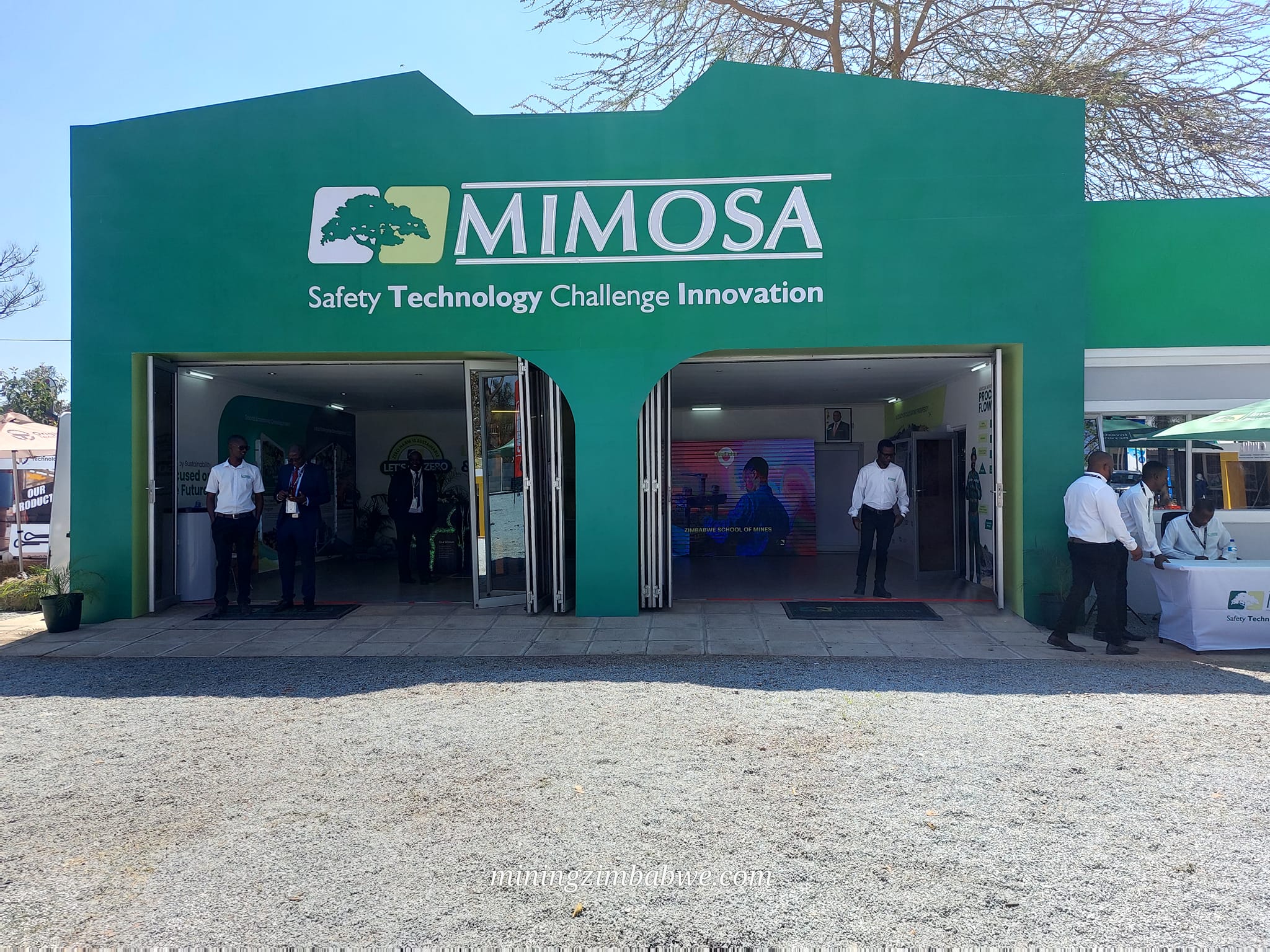

Sibanye-Stillwater has written down the value of its Zimbabwean platinum operation, Mimosa, by US$28,74 million following a reassessment of long-term life-of-mine economic assumptions, Mining Zimbabwe can report.
By Ryan Chigoche
Mimosa, currently the country’s second-largest platinum group metals producer, has a life-of-mine profile not expected to extend beyond the next decade, a factor that heightens sensitivity to long-term valuation inputs.
The impairment follows a June 30, 2025, review of the mine’s valuation model, which incorporated rising projections for working and capital costs, as well as the impact of Zimbabwe’s beneficiation tax on future cash flow expectations.
The revised modelling reduced projected net cash inflows, resulting in an interim impairment of property, plant and equipment and a downward adjustment to the group’s equity-accounted investment.
Management indicated that no further impairment indicators were identified during the December 31, 2025, year-end review, suggesting the updated assumptions remain aligned with prevailing operating conditions.
The reassessment was driven largely by escalating cost expectations within the Zimbabwean mining environment. Working and capital costs are now projected to rise beyond earlier inflation assumptions embedded in the valuation framework.
Fiscal considerations also featured in the modelling. The beneficiation tax was factored into long-term cash flow projections, underscoring the growing influence of policy variables on mining asset economics. While the company did not isolate the tax’s specific quantitative impact, it formed part of the broader cost structure shaping future earnings forecasts.
This comes against a backdrop of tightening fiscal measures on mineral exports. Under the 2026 budget framework, exports of unbeneficiated platinum from producers with domestic processing capacity may attract a value-based charge of about 10%, payable in foreign currency. The policy is intended to promote domestic beneficiation and value addition, but it also introduces additional cash flow considerations for upstream platinum group metals producers.
In reassessing the asset, the company applied a weighted average platinum group metal (4E) basket price assumption, alongside a nominal discount rate of 20,67% and an eight-year life-of-mine projection. The recoverable value was estimated at approximately US$138 million.
The relatively elevated discount rate reflects the risk premium typically associated with mining investments exposed to regulatory, currency and operational variables. Higher discount rates reduce the present value of projected earnings, even in supportive commodity price environments.
Operationally, attributable output declined 5% year-on-year to 117 019 4Eoz, largely due to concentrator downtime linked to power outages that affected recovery performance. Lower volumes contributed to an 11% increase in all-in sustaining cost (AISC) to approximately US$1 280 per 4Eoz.
Despite these pressures, financial performance strengthened. Revenue rose to about US$225 million on improved realised platinum group metal prices, while adjusted earnings before interest, taxes, depreciation and amortisation increased to approximately US$67 million from US$38 million in the previous year.
Capital expenditure declined to around US$22 million from US$34 million, reflecting a more measured investment posture during the period.
Overall, the impairment signals not operational distress, but heightened sensitivity of platinum asset valuations to cost inflation, fiscal adjustments and risk-weighted financial assumptions. In a sector where life-of-mine horizons are tightening, long-term modelling variables are increasingly shaping balance sheet outcomes as much as production performance.