



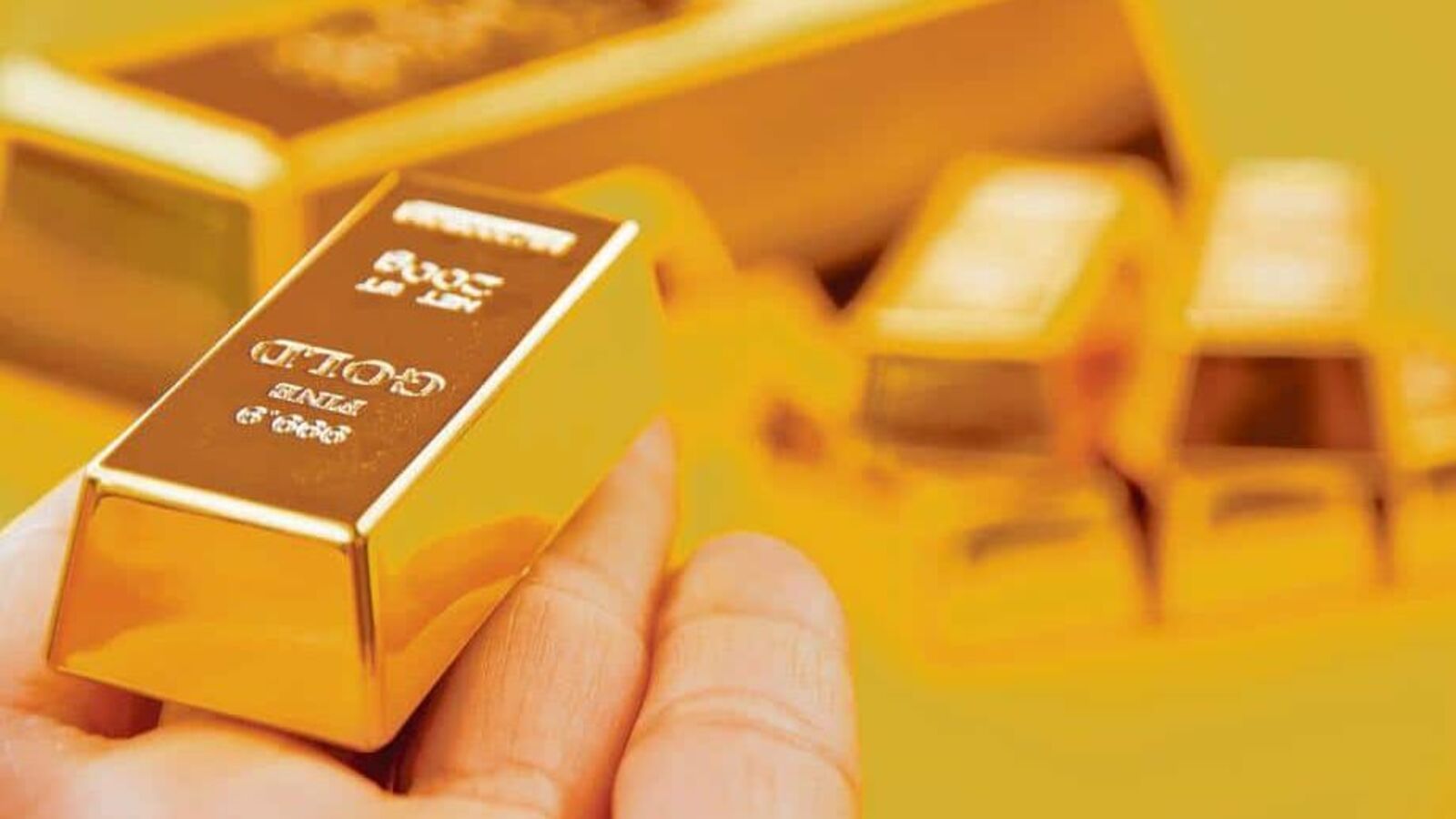

“Gold price today remains a key indicator for Zimbabwe and South Africa’s mining sector, where exports and revenues are directly tied to global bullion movements.”
Gold prices retreated to their lowest level in a month, falling below the $5,000-per-ounce mark as persistent inflation concerns clouded expectations for interest rate cuts in the United States.
Spot gold dropped as much as 3% on Wednesday to $4,836 per ounce, its weakest level since mid-February. US gold futures mirrored the decline, while silver also lost roughly 3%, slipping below $80 an ounce.
In recent sessions, bullion had been trading within a relatively tight range, with markets balancing geopolitical tensions against rising inflation risks linked to the ongoing Middle East conflict. While gold typically benefits from uncertainty, elevated price levels and inflationary pressures are complicating the outlook by reducing the likelihood of near-term rate cuts.
As the conflict drags on, supply chain disruptions, particularly in energy markets, have intensified inflation fears. Since a strike on Iran late last month, gold has retreated more than 6%, reversing gains from its surge above $5,400, which had placed it within reach of January’s record highs.
Market analysts say the persistence of higher energy costs is feeding into broader inflationary pressures, limiting the US Federal Reserve’s room to ease monetary policy.
Longer-term outlook remains positive
Investors are now turning their attention to the Federal Reserve’s policy meeting, where rates are widely expected to remain unchanged. However, guidance on inflation and labour market conditions will be closely watched for signals on future monetary policy direction.
Despite the recent pullback, gold has still gained around 15% so far this year, continuing the strong momentum built in 2025.
Many analysts remain optimistic about the metal’s prospects, pointing to the potential for sustained inflation, or even stagflation, to reinforce gold’s role as a store of value.
Several major banks have maintained bullish forecasts. Earlier this year, JPMorgan projected gold could reach $6,300 by the end of 2026, while BNP Paribas expects prices to exceed $6,000. UBS has also set a target of $6,200 per ounce, citing historical trends showing gold’s resilience in the aftermath of geopolitical conflicts.

