



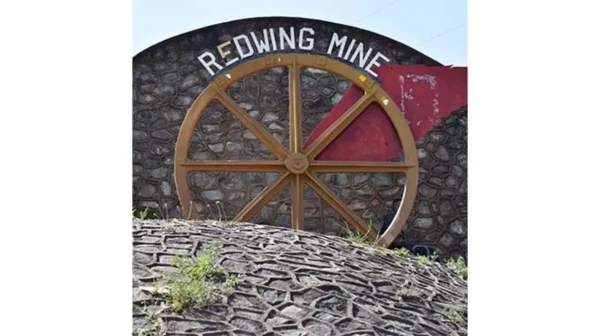

Redwing Mine is edging closer to a formal restart as dewatering operations continue to advance on schedule, with more than 544,000 cubic metres of water already pumped from the underground workings since January this year, Mining Zimbabwe can report.
By Ryan Chigoche
Parent company Namib Minerals said in its latest update that a cumulative total of approximately 544,570 cubic metres of water has been removed since dewatering commenced on 29 January 2026, with underground water levels receding by about 21.9 metres over the period.
It added that, as a result, combined pumping capacity currently stands at around 640 cubic metres per hour, while water levels have now fallen to approximately 74.9 metres below the Redwing Shaft surface collar, signalling continued progress toward the targeted underground access horizons.
Commenting on the progress in a statement, Namib Minerals Chief Executive Officer Tulani Sikwila said the company remained encouraged by the pace of the restart process.
“We are pleased that the restart process at Redwing is advancing on schedule,” said Sikwila.
“The progress we have made on dewatering reinforces our confidence in the restart pathway as we look ahead to the next phase of technical work at the mine. Redwing is a central component of our long-term strategy of building a scaled, multi-asset African gold platform through disciplined brownfield development and phased capital deployment,” he said.
Dewatering is considered a critical stage in the revival of underground mines, allowing operators to regain access to flooded workings for inspections, rehabilitation, and eventual mining operations.
Located near Penhalonga in Manicaland Province, Redwing is one of Zimbabwe’s historic gold mines and has previously produced about 650,000 ounces of gold. The mine currently hosts an estimated 1.18 million ounces of gold in measured and indicated resources, according to the company.
In recent years, however, the mine became largely associated with widespread artisanal and small-scale mining activities following prolonged operational disruptions and financial challenges. Informal mining operations became dominant across parts of the concession, with the area frequently drawing attention over unsafe mining practices, environmental degradation, and fatal accidents linked to unregulated underground workings.
The planned restart by Namib Minerals is expected to mark a shift toward formalised large-scale operations at the mine, as the company moves to rehabilitate infrastructure and restore structured underground production at the historic asset.
Namib said high-capacity submersible pumps are expected on site within the coming week to further increase pumping capacity, while the dewatering infrastructure has continued operating without major interruptions since the process began earlier this year.
The restart also comes as Zimbabwe seeks to expand gold production and strengthen mineral export earnings, with gold remaining one of the country’s leading sources of foreign currency alongside platinum group metals and lithium.
Once targeted dewatering levels are achieved, the company is expected to proceed with underground inspections, technical assessments, and rehabilitation work ahead of broader restart activities.
The ongoing dewatering at Redwing Mine forms part of Namib Minerals’ broader US$300 million to US$400 million capital programme across its three Zimbabwean gold assets, including Redwing, Mazowe, and How Mine, aimed at restoring and expanding production through phased redevelopment and brownfield investment.

