


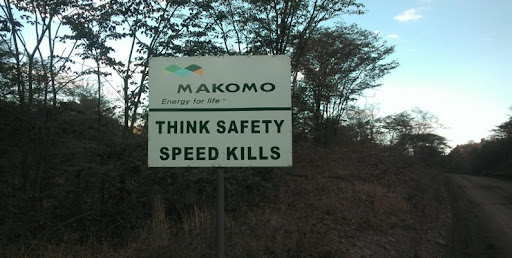

Makomo Resources has planted more than 800,000 trees since 2010 under a programme that sees the company plant one tree for every tonne of coal extracted, director Raymond Mutokonyi has revealed.
By Rudairo Mapuranga
Speaking at the Chamber of Mines Annual Conference’s Coal, Oil and Gas Symposium, Mutokonyi said the initiative forms part of the company’s broader environmental, social and governance strategy to mitigate the carbon footprint of its mining operations.
“As part of our programme, we’ve also introduced, for every tonne of coal that we take out of the ground, we plant a tree every time,” Mutokonyi said. “So since 2010, we’ve planted in excess of 800,000 trees as part of carbon offsetting.”
Makomo Resources, which emerged in 2013 as Zimbabwe’s largest coal producer, contributing 74.5 percent of total production, operates on 7,000 hectares of the Entuba coalfields, about 17 kilometres from Hwange in Matabeleland North, with a mine life of 30 years and underground resources sufficient for operations for over 100 years. The company has invested over US$200 million in operations since commencing operations.
Self-monitoring over regulatory enforcement
Mutokonyi emphasised that companies should not wait to be monitored by regulators but should take charge of their environmental responsibilities proactively.
“Companies don’t need to be monitored to effect what is required of them,” he said. “Naturally, they should take charge of that area and do self-monitoring. Regulatory experience has shown us that once you’re involved in mining activity, you have to follow the right things to do.”
He noted that while policies are in place, the challenge lies in practical application rather than the regulatory framework itself.
ESG investment in Hwange community
When pressed on the company’s investment towards reducing emissions following a recent Oxpecker report on pollution affecting Hwange residents, Mutokonyi said Makomo has allocated a portion of its ESG funds to sustainable energy initiatives coordinated through the Hwange community.
“Our contribution has largely been in educating and allocating resources towards the general outlook and development of Hwange,” he said. “We invest a portion of our ESG funds in sustainable energy, and that’s coordinated through the Hwange community.”
The company has been working with various stakeholders, including the Hwange Local Board, ZimParks, and the Ministry of Health, as part of its community engagement efforts.
Infrastructure and logistics challenges
Mutokonyi also addressed the sector’s transport challenges, noting that Makomo previously invested in locomotives through a tripartite arrangement but struggled due to the economic climate at the time. He called for greater private sector participation in rail infrastructure development.
“If we can get more locomotives and wagons on the rail network, they’ll move freight onto wagons as opposed to road transport,” he said. “Companies, as part of their ESG, should put a portion of their resources into infrastructure development — PPPs, that’s the route to go.”
Makomo currently supplies coal to the Zimbabwe Power Company for electricity generation at Hwange Thermal Power Station, as well as to other clients domestically and internationally. The company has the capacity to produce over 200,000 tonnes of coal per month.
The company successfully exited corporate rescue in March 2025 after two years, having regained financial stability. Mutokonyi described the process as having played a critical role in stabilising the coal producer after it voluntarily entered corporate rescue.
With production ramping up and the tree-planting programme continuing, Makomo is positioning itself as a responsible operator while maintaining its status as Zimbabwe’s dominant coal producer.