

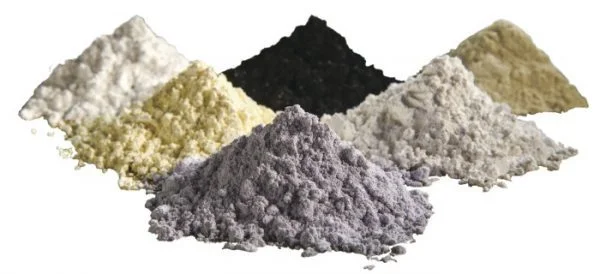
China has warned Western companies against stockpiling rare earths, a move Beijing says risks tightening global shortages of the strategically vital minerals. The warning comes as China continues to consolidate its dominance in the rare-earth sector and apply stricter controls over exports, Mining Zimbabwe can report.
By Rudairo Mapuranga
China controls about 90% of the world’s rare-earth supply and nearly 94% of permanent magnet production, making it the single most influential player in the market. Since April 2025, the country has restricted exports of medium and heavy rare earths, measures that have already rattled downstream industries such as electric vehicles and automotive manufacturing. Export licences are harder to secure, and year-on-year shipment volumes have slumped.
The message to Western firms is clear: Beijing will not tolerate speculative hoarding of rare earths, particularly at a time when supply is already constrained. This warning comes even after recent diplomatic de-escalations, including a 90-day tariff truce with the United States. Despite this, rare earths remain a core sticking point in trade relations, and Beijing’s actions show that it is prepared to leverage its market share as a strategic tool.
In response, some foreign manufacturers have begun relocating parts of their operations into China to sidestep export restrictions and secure a steady flow of inputs. For the rest of the world, the episode highlights the vulnerability of global supply chains to geopolitical manoeuvring and the risks of over-reliance on a single supplier.
China’s Grip on Global Antimony Refining Deepens
New industry data highlights just how tightly China controls the global antimony refining sector, reinforcing concerns about the world’s dependence on a single country for critical minerals. Together with Russia, China accounts for an estimated 89% of all refining capacity, according to figures published by Mining.com.
Antimony, a mineral used in everything from semiconductors and batteries to military hardware and flame retardants, has become increasingly strategic. China’s dominance of its refining capacity means it has an outsized influence not only on prices but also on the security of supply for industries in the West and other regions.
This concentration of refining power is not new, but it has grown more concerning as global demand rises. Export restrictions, environmental crackdowns, and shifting industrial policy in China have already sent ripples through the antimony market. Western battery makers and defence suppliers in particular are finding themselves exposed, with few immediate alternatives.
The situation mirrors the rare-earths sector, where Beijing has consistently used its commanding position as leverage in trade disputes and as a shield for domestic industrial strategy. For many countries, the lesson is that securing critical mineral supply cannot rely solely on imports from China.
For Zimbabwe and other mineral-rich nations, the tightening Chinese grip underscores the importance of developing domestic processing and refining capacity. Without it, producers remain price takers in markets where supply risks are dictated elsewhere.

