


In a move to protect Zimbabwe’s endangered water bodies, Cabinet has received and approved a progress report on the nationwide ban on alluvial mining, signalling a shift from enforcement to active rehabilitation, Mining Zimbabwe can report.
By Rudairo Mapuranga
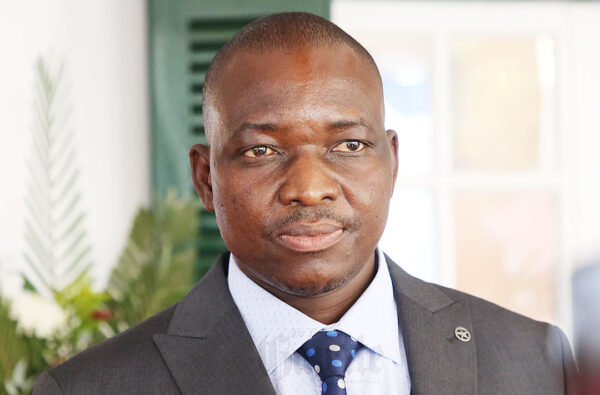
Briefing the media on Tuesday, Minister of Information, Publicity and Broadcasting Services, Honourable Zhemu Soda, announced that while the ban is holding, the Government is now laser-focused on restoring degraded river ecosystems and has approved a new legislative framework to accelerate the process.
Presenting the report on behalf of the Minister of Lands, Agriculture, Fisheries, Water and Rural Development, Honourable Anxious Masuka, Minister Soda revealed that the Inter-Ministerial Committee on the Ban on Alluvial Mining has successfully implemented a “Whole-of-Government” compliance system. This strategy has ensured sustained enforcement of Statutory Instrument 188 of 2024, which imposed a total ban on riverbed mining.
“Reports indicate that in all the alluvial mining-prone provinces, active mechanised alluvial mining has largely been halted,” Minister Soda stated. He noted that sustained efforts are currently underway to eliminate the lingering threat of local illegal miners who continue to invade previously mined areas, with crack teams deployed to combat the destruction of riverine ecosystems.
Introducing the ‘Polluter Pays’ Principle
With active mining significantly curtailed, the Government is pivoting to environmental clean-up. Cabinet has approved the strengthening of the legislative framework to accelerate the river rehabilitation process. A key component of this new phase is the invocation of the “Polluter Pays Principle,” which holds perpetrators financially accountable for the damage they have caused.
“Since alluvial mining has largely ceased, attention has now shifted to the rehabilitation of degraded sites, with liability for the rehabilitation being borne by the perpetrators,” Minister Soda explained. The Government is expediting legislative reforms to ensure environmental justice and accountability, ensuring that those who destroyed the rivers are responsible for fixing them.
Provincial Focus and Ongoing Enforcement
The updated report provided a provincial breakdown of the damage and the work ahead. According to briefings from previous Cabinet updates, provinces like Matabeleland North and Masvingo have experienced some of the most severe river siltation, which has contributed to a national water crisis. While active mining has stopped in most areas, the rehabilitation efforts will be concentrated where degradation is most acute.
The Government has maintained a tough stance on violators. Earlier enforcement efforts following the ban in August 2024 led to over 300 arrests across the country, with offenders facing penalties of up to 12 months’ imprisonment and fines of no less than US$5,000. Minister Soda reaffirmed that monitoring and evaluation mechanisms remain heightened to prevent any resurgence of these destructive activities.
While the Cabinet has approved a Government-led rehabilitation framework, efforts to heal the land are also taking root at the community level. In Gwanda District, for example, initiatives supported by the Dabane Trust and international partners like LIMCOM and UNDP are seeing local communities build erosion control barriers and plant trees to reclaim degraded land in the Limpopo Basin. These grassroots efforts are seen as complementary models for sustainable land management.
As the new “Polluter Pays” legislative framework is developed, stakeholders are calling for open and competitive procurement to ensure the credibility and success of the national river restoration programme.
Cabinet remains committed to protecting Zimbabwe’s natural heritage, with Minister Soda emphasising that this clampdown and the subsequent rehabilitation mark a decisive step towards environmental accountability and sustainable development.

