


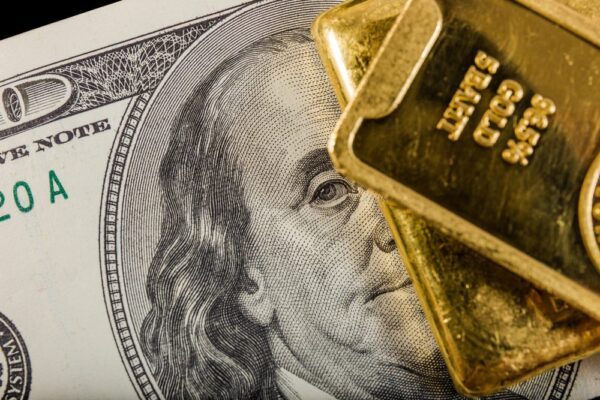

A record US$12 billion flowed out of gold-backed exchange-traded funds in March, according to the World Gold Council, marking the sharpest monthly reversal the market has ever seen and wiping out much of the strong start bullion enjoyed earlier this year, Mining Zimbabwe reports.
By Ryan Chigoche
For much of the first quarter, gold looked unstoppable. Investors poured money into bullion funds as geopolitical tensions flared, inflation fears lingered, and expectations grew that interest rates would start falling.
Then March happened.
A broad sell-off hit global markets as the conflict involving the United States, Israel, and Iran escalated in the Gulf region. Disruptions to trade routes and airspace around Dubai prompted investors to raise cash quickly.
Gold, which had been a top-performing asset, suddenly became a source of liquidity. Figures from the World Gold Council show that physically backed gold ETFs lost US$11.8 billion in March alone, nearly 85 tonnes of gold. North America accounted for most of the selling, with US$13.5 billion pulled from funds, ending nine months of steady inflows.
The reversal reflected broader market dynamics. A stronger US dollar, rising bond yields, and fading expectations for Federal Reserve rate cuts made gold less appealing. By month-end, markets increasingly expected rates to remain unchanged until late 2027.
Technical factors also played a role. Large hedge funds and commodity traders who held bullish positions in gold futures started unwinding them. Mid-March price declines triggered rapid position closures, accelerating the sell-off.
The largest funds took the brunt of the hit. SPDR Gold Shares lost over US$8.4 billion, while iShares Gold Trust saw US$3.7 billion exit.
Yet, the market was not abandoning gold entirely. Asian buyers stepped in, with ETFs in the region drawing almost US$1.9 billion, marking seven consecutive months of inflows and the strongest quarterly performance on record. China led the demand, contributing US$1.67 billion as geopolitical tensions rose, domestic markets weakened, and the yuan softened. Indian investors added US$177 million during March.
Europe saw moderate outflows, losing US$154 million—mainly in Germany, Italy, and France—as rising yields and a weaker euro weighed on returns.
Despite March’s heavy selling, first-quarter holdings rose by 62 tonnes globally, with assets under management reaching US$606.5 billion, up 9% from the end of 2025. Trading activity remained high, with average daily turnover climbing to US$525 billion as investors repositioned.
The World Gold Council noted the sell-off mirrored patterns seen after the Global Financial Crisis and during the COVID-19 pandemic, when periods of strong inflows were followed by sharp withdrawals before a recovery.
March’s episode may reflect a temporary scramble for cash during market stress rather than a long-term retreat from gold. With ongoing geopolitical tensions and inflation risks, gold’s role as a safe-haven asset remains relevant.