



Zimbabwe is embarking on a transformative journey to redefine its mining sector, with the new Mines and Minerals Bill Amendment placing public consultation, sustainability, and global best practices at its core, Mining Zimbabwe can report.
By Rudairo Mapuranga
In a significant shift towards transparent lawmaking, the government has thrown the doors open for national dialogue, urging citizens, miners, and investors to help shape a law that will govern the country’s most valuable natural resources for generations to come.
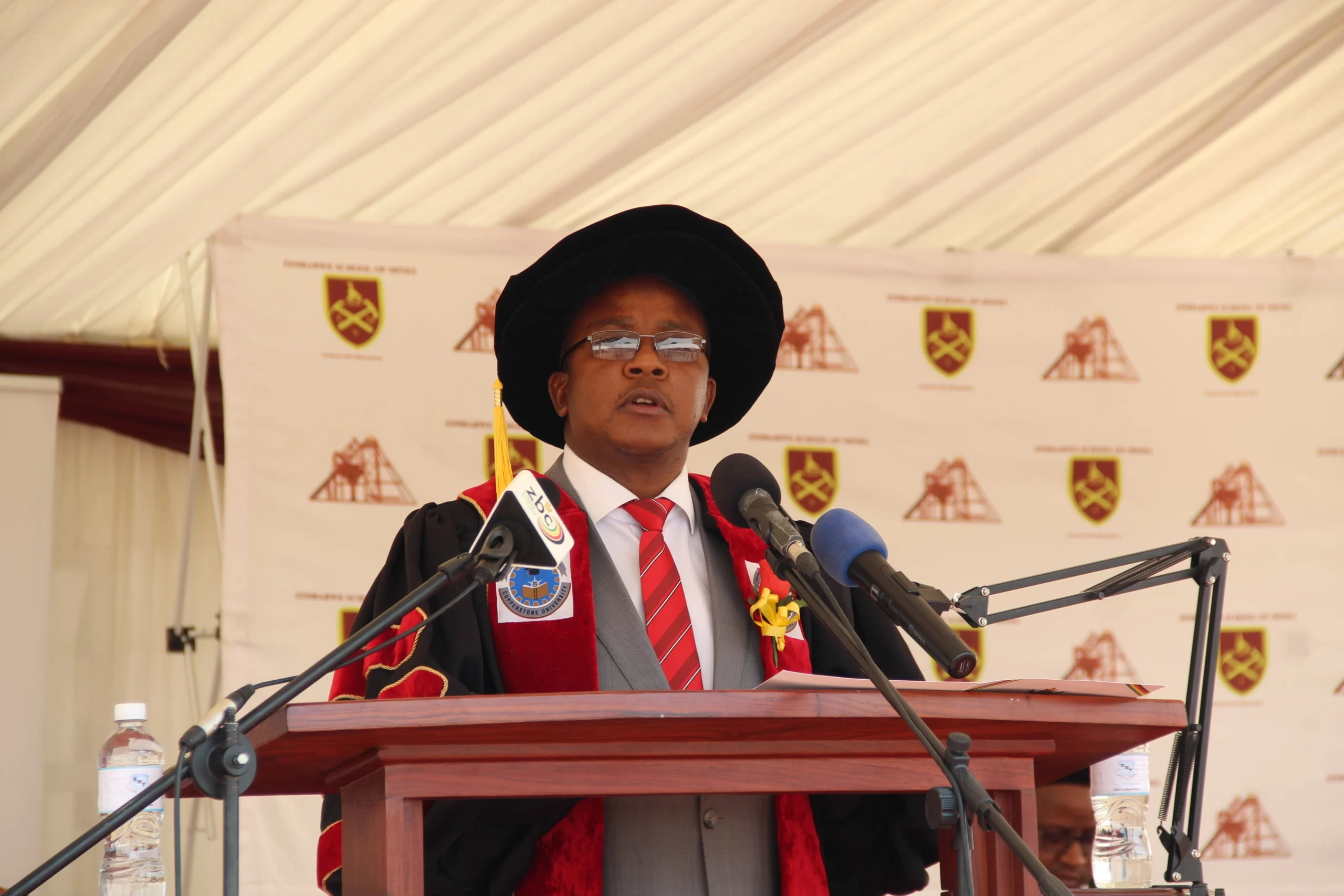
Deputy Minister of Mines and Mining Development, Eng Polite Kambamura, has positioned the soon-to-come consultation process as a testament to the government’s commitment to inclusivity.
“The fact that the Mines and Minerals Bill Amendment is going through public consultation shows a government that is ready to engage its citizens and hear their comments… it’s not being done behind closed doors. It’s a show of transparency, a readiness for inclusivity, leaving no one behind,” Eng Kambamura stated.
This open-door policy marks a deliberate move away from past criticisms of opaque decision-making. The Deputy Minister explicitly called for stakeholders to present their views on critical issues, including artisanal mining formalisation, community beneficiation, and human rights safeguards.
This inclusive approach, he argued, is essential to align the law with “changing markets, growth dynamics, and the need to be in sync with regional and international standards.”
Beyond domestic governance, the Bill is intricately linked to Zimbabwe’s global economic positioning. Eng Kambamura highlighted that a modern, transparent legal framework is key to attracting quality investment.
“It was a very good experience to market our country as a friendly and responsible mining destination,” he noted, underscoring that global investors increasingly prioritise environmental, social, and governance (ESG) standards alongside mineral potential.
A central pillar of the proposed amendment is the imperative of sustainable development. The Deputy Minister defined the Bill’s philosophy clearly: “Development that meets the needs of the current generation, without compromising the ability of future generations to meet their own needs — that is sustainability.”
This principle seeks to ensure that mineral extraction contributes to long-term national prosperity rather than short-term exploitation.
Paving the Way for a National Mining Policy
In a pivotal revelation, Eng Kambamura indicated that the passage of this Bill would create the foundation for Zimbabwe’s first comprehensive national mining policy.
“I think the Bill will open up a way for the Ministry to draft a mining policy first. And all these other issues will now fall under the mining policy,” he said.
This move promises to provide a cohesive, long-term strategy for the sector, encompassing value addition, local content, and community development.
Despite the open forum, the Deputy Minister cautioned against public apathy, revealing that some are already treating the draft as a finished product.
“Some people are already taking it as if it were closed doors… That’s not the position. We’re still hoping for engagement,” he explained, issuing a direct call for robust participation to ensure the final law is reflective of the nation’s aspirations.
The message is clear: the future of Zimbabwe’s mining sector is being written now, and every voice has a role in shaping it.

