


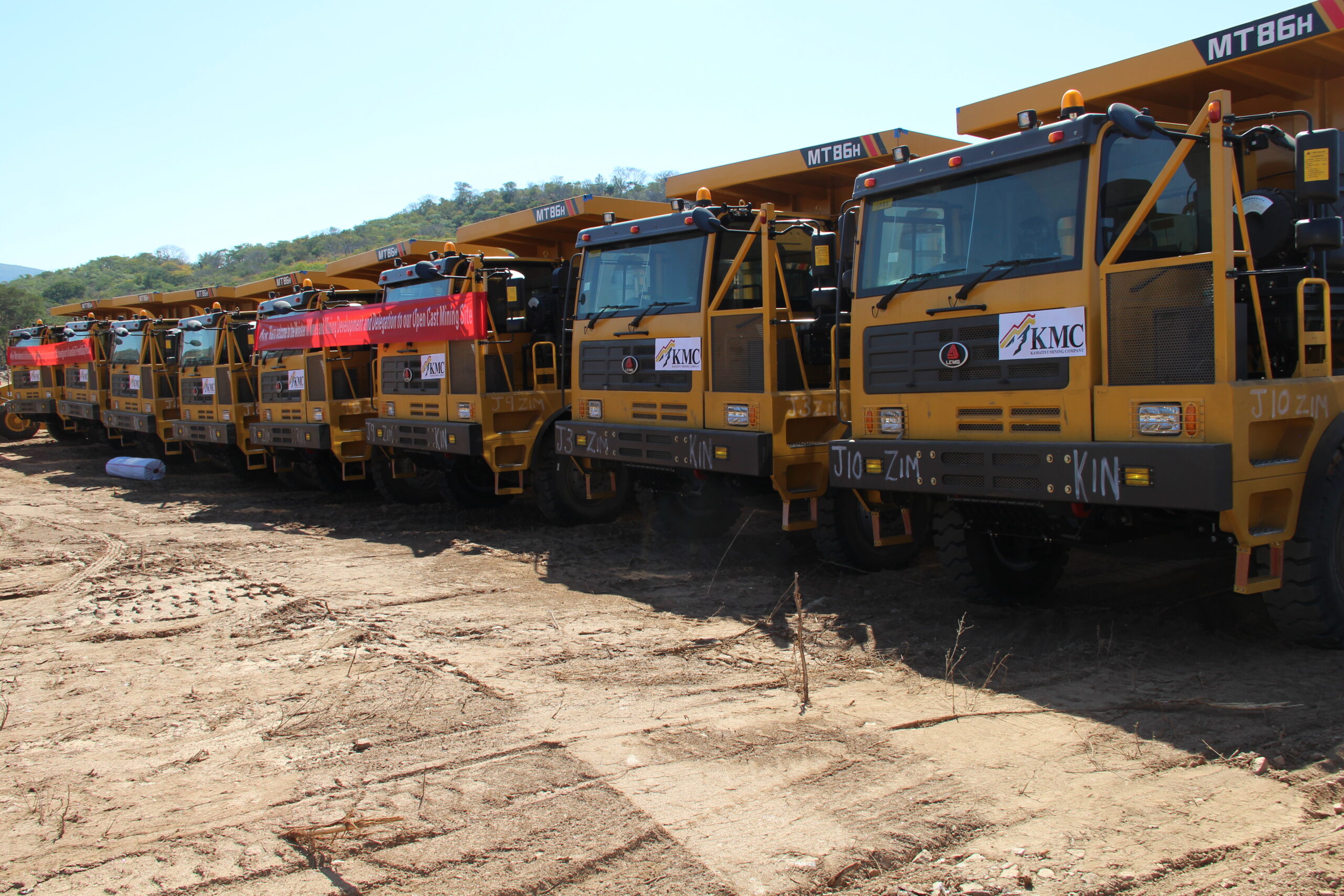
Kamativi Mining Company (KMC) is currently constructing a tin, tantalum, and niobium recovery system at its lithium operation in Matabeleland North, a project expected to commence operations in September 2026 that directly addresses longstanding government concerns about valuable by-minerals leaving Zimbabwe undeclared, Mining Zimbabwe can report.
By Rudairo Mapuranga
The recovery system, confirmed by the Economic and Commercial Counsellor at the Embassy of the People’s Republic of China in Zimbabwe, Huang Minghai, at a breakfast meeting organised by the Zimbabwe Environmental Law Organisation (ZELO) on Tuesday, represents a significant step toward capturing the full value of Kamativi’s multi-mineral deposits.
For decades, the Kamativi mine was one of Zimbabwe’s largest tin producers before its closure in 1994 due to low global tin prices. During its 58 years of operation, the mine produced over 37,000 tonnes of tin from 27 million tonnes of tin-lithium-caesium-tantalum-bearing pegmatites. Beyond tin, the mine historically produced small quantities of tantalite, spodumene, and beryllium, with economic reserves of niobium and tungsten also identified.
Today, under the operation of Yahua Group, Kamativi has been transformed into a major lithium producer, with the mine currently achieving an annual raw ore processing capacity of 2.3 million tonnes. But the lithium revival has brought with it an opportunity to recover the other valuable minerals that have always been present in the Kamativi pegmatites.
The recovery project comes barely five weeks after Zimbabwe announced the immediate suspension of all raw mineral and lithium concentrate exports, including shipments already in transit. Mines Minister Dr Polite Kambamura cited “continued malpractices during the exportation of minerals” and the need to “enhance local mineral value addition and beneficiation.”
Central to the government’s concerns was the failure of some mining companies to declare valuable by-minerals found in lithium ore bodies. Ministry of Mines Permanent Secretary Pfungwa Kunaka testified before Parliament that studies confirmed significant losses of rare earths, tantalum, and niobium that were being shipped out without declaration.
The Kamativi recovery system directly addresses this concern. By establishing the capacity to recover tin, tantalum, and niobium locally, Zimbabwe can capture value that was previously lost when raw concentrate was exported.
The Kamativi deposit has always been known for its mineral diversity. Cassiterite (tin ore) was the primary target during the mine’s operation, with tantalite and columbite present as gangue materials. The site also holds significant spodumene (lithium) deposits, which are now the focus of current mining operations.
The tantalum and niobium content is particularly significant. Both metals are critical for modern technologies—tantalum is essential for capacitors in electronics, while niobium is used in high-strength steel alloys and superalloys for jet engines and turbines.
Kamativi is not alone in pursuing by-mineral recovery. Bikita Minerals, operated by Sinomine, completed a caesium flotation plant in August 2025 and a tantalum-niobium recovery plant in December 2025. The pattern suggests a sector-wide shift toward capturing the full value of Zimbabwe’s multi-mineral deposits.
With the tin, tantalum, and niobium recovery system expected to commence operations in September 2026, Kamativi is on track to join Bikita in demonstrating that Zimbabwe’s lithium deposits are not just about lithium. The question now is whether other lithium producers will follow suit.
The Kamativi project is also a test of whether the government’s enforcement strategy—the ban on raw exports—can successfully drive investment in recovery infrastructure that captures value that was previously being lost.
As one industry observer noted: “The Kamativi project shows what is possible when investors commit to full recovery. The question is whether the timeline and the economics will work for all players. September 2026 is not far away.”
For Zimbabwe, the Kamativi recovery system represents a concrete step toward the beneficiation vision that has driven the export ban. If successful, it could become a model for how the country’s lithium sector should operate—extracting not just lithium but every valuable mineral the ground provides.

