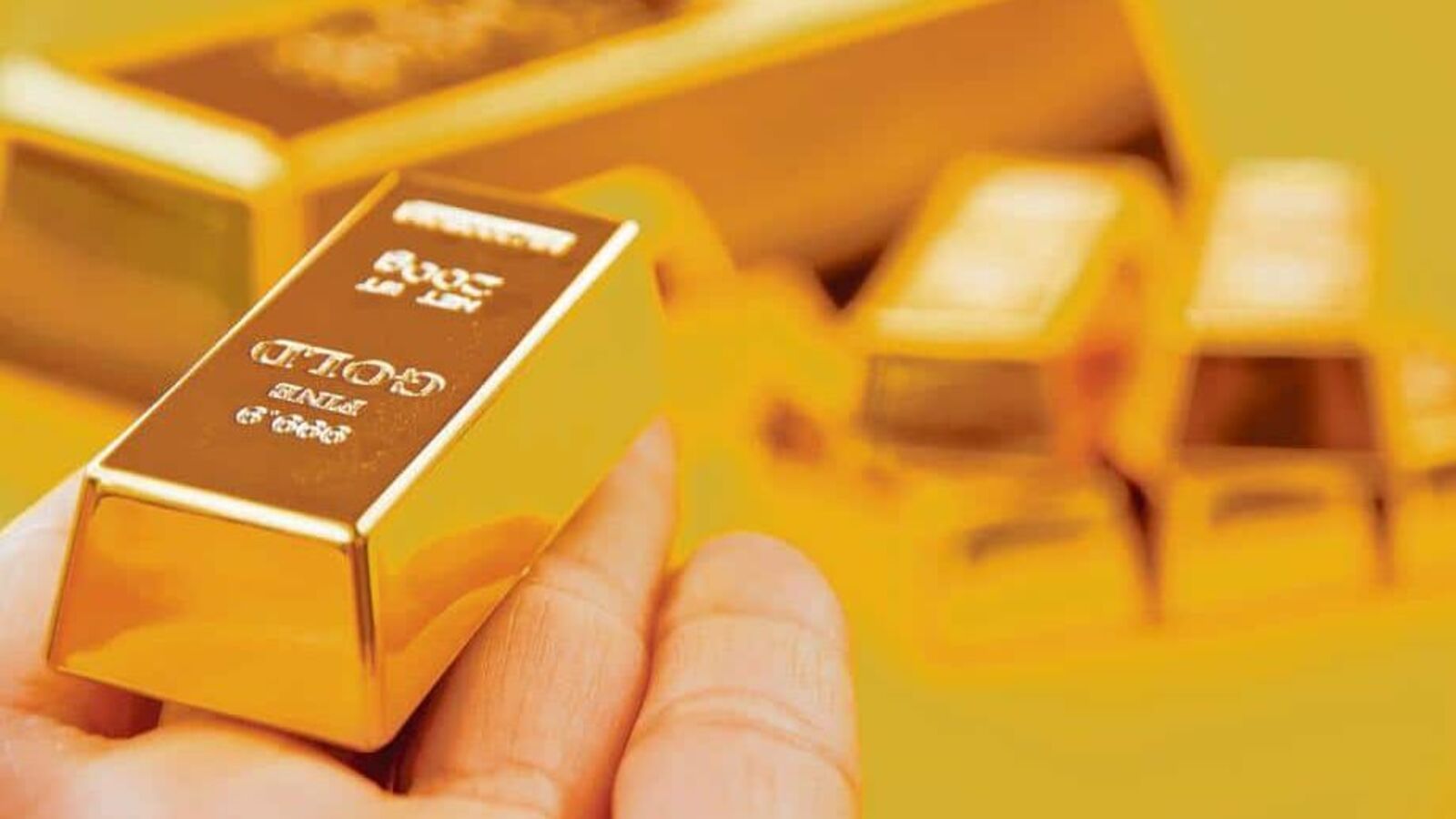
Gold demand surged significantly in the second quarter of 2025, reaching a record value of $132 billion, a 45% increase from the previous year, according to the World Gold Council’s Gold Demand Trends report, Mining Zimbabwe can report.
By Ryan Chigoche
Total demand, which includes investments made outside regular markets, rose by 3% to 1,249 tonnes in the same period. This growth was largely driven by strong interest in gold-backed exchange-traded funds (ETFs), fueled by uncertainty in global trade, geopolitical tensions, and rising gold prices, the Council noted. Investors’ increased appetite for gold bars and coins also contributed, attracted by gold’s reputation as a safe investment during volatile times. This marked the strongest first half for bar and coin investments since 2013.
Central banks continued to play a major role, adding 166 tonnes to their reserves in Q2. Although their buying pace slowed slightly compared to previous quarters, their overall interest in gold remains robust.
According to the World Gold Council’s recent Central Bank Gold Survey, 95% of central banks expect global gold reserves to grow over the next year, with 43% planning to increase their holdings—the highest level recorded since the survey began.
Central bank purchases in 2023 exceeded 1,129 tonnes, marking the third-largest annual total on record and extending a 16-year buying streak. Rising inflation, geopolitical risks, and waning trust in traditional reserve currencies like the U.S. dollar—now at its lowest global reserve share since 1994—are key drivers behind this trend.
Meanwhile, demand for gold jewellery showed mixed trends. The physical amount of gold used dropped to near 2020 pandemic levels, reflecting price sensitivity among consumers, particularly in key markets like India and China. However, global spending on jewellery increased due to higher gold prices, underscoring gold’s enduring cultural value even as affordability challenges persist.
The technology sector faced headwinds amid potential U.S. tariffs that pressured gold demand in electronics manufacturing. Nonetheless, demand for gold linked to artificial intelligence-related technologies remained a bright spot, reflecting gold’s vital role in emerging high-tech applications.
Gold prices hit record levels, averaging $3,280.35 per ounce in Q2, up 40% from the previous year and 15% from the prior quarter, with June reaching a new price peak.
On the supply side, gold production grew by 3% year-on-year, with mine output reaching a record 909 tonnes. Despite high prices, recycling remained low as many Indian consumers chose to trade old jewellery for new pieces or use gold as collateral for loans rather than selling it outright.
Additional off-market investments and shifts in gold stocks contributed 170 tonnes to demand, driven by strong interest from wealthy global investors and institutional buyers seeking greater control amid uncertain market conditions.
Overall, the second quarter of 2025 reaffirmed gold’s position as both a strategic asset for central banks and a trusted safe haven for investors worldwide. With strong fundamentals and broad-based demand, analysts expect gold’s momentum to continue throughout the remainder of the year.