


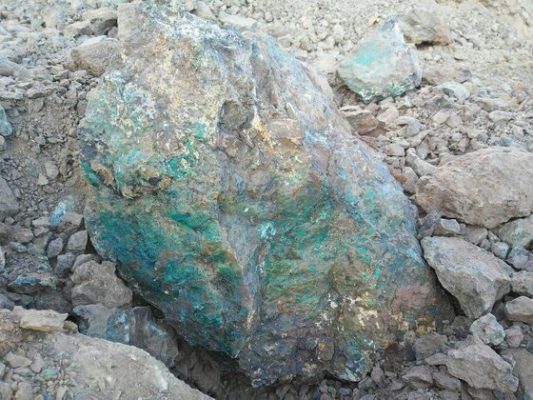

The morning sun bears down on the Gwayi Valley. Just 14 kilometres north of the main Victoria Falls road, in the scrubland of Matabeleland North, an old copper mine sits on land that, before 2020, belonged to the community. Women and youth made a living here, panning, collecting, and trading. It wasn’t formal. But it put food on the table.
By Rudairo Mapuranga
Then came the promise of something bigger. A multi-million-dollar copper venture. Jobs. Water projects. Development. The community was told that Gwayi River Mine could become one of the biggest copper producers in Zimbabwe.
Years later, the community is still waiting.
“We Had a Life Here Before the Takeover”
Before 2020, the area around Cross Mabale and the Gwayi River was a quiet source of survival. Artisanal miners, chikorokoza, worked the old spoil heaps. Women collected copper-bearing rocks. Young men dug tunnels that were dangerous but productive. It was not dignified mining, but it was a living.
Then the company came. The land was taken over for formal exploration. The community was told to step back. In return, they were promised jobs, clean water, and community projects.
None of that has arrived.
“When they started, they promised big, but the benefits are not for us to see,” a young man from the community says. He gives his name as Eric Tshabala. “They have been telling us. I don’t think they have enough investment to take the mine. As the youth, we were optimistic about this mine, but the way it’s been operated, we will find ourselves left with pits.”
His fear is simple: the company will dig, test, and leave. And the community will have neither the old life nor the new one.
15 Local Jobs, All in the Lab
Ward Councillor Ugine Mabale walks the site with a careful, diplomatic tone. He reports what he has seen. “Around 15 local guys are working at the mine currently, with the company promising to take on another 30. To me, that is positive,” he says.
But those 15 are not miners. They work in the laboratory, handling samples from the exploration drilling. The operation is still in the exploration phase. The company is collecting rock, crushing it, and testing it. They are looking for a copper percentage that satisfies them.
“It appears that in current operations, foreigners are not many. A few, about three. That is a ratio that we would want,” the councillor adds. But he qualifies: “Others are coming from places like Gwanda. They were told that they are technical people. If that is true, then it is okay.”
During a second visit, accompanied by the village head, engagement with mine management confirmed the situation. The majority of workers are from outside the area—operators and drivers, they say. “The employment ratio is not as good as we want,” the councillor admits. Management told them they are still collecting samples. They are not sure if they are going to continue mining. They promised that if they get what they want, they will employ more.
The Community’s Lens: No Benefit. The Company’s Lens: Still Testing.
Here is the tension. The community sees no benefit. The mine has taken their land, promised them jobs, and delivered 15 lab positions while outsiders drive the trucks and operate the machines. The community believes the company is stealing, taking copper samples, maybe more, without giving back.
But the reality of a copper project is slower. Gwayi River is estimated to host between 300,000 and 600,000 tonnes of copper ore, which would rank it among the country’s larger deposits. That scale requires serious investment. Exploration can take years. Grades have to be proven. Patience, from a technical standpoint, is necessary.
But try telling that to a woman who used to feed her children from this land and now watches strangers in hard hats walk past her without a greeting.
“We Want Training. We Want to Be Part of It.”
Zenzo Tshuma and Sfiso Mudenda, two other community members, speak with one voice when the subject turns to the future. They are not against the mine. They want it to succeed. But they want to be inside it, not watching from outside.
“We want to be trained,” one says. “Our women should be taught. Even now, during exploration, we can be part of that work. They should take our people for courses. In case they start operating, we are ready.”
This is the corporate social investment the community is asking for. Not a borehole. Not a donation of cement. Training. Skills. A certificate that says a local woman can run a lab test or operate a crusher. That is an investment in human lives, in people who have lived on this copper ground for generations.
“Can they invest in us?” The question hangs.
The Forgotten Frontier
Zimbabwe’s mining discourse is dominated by gold, lithium, and platinum. Copper, the red metal that once built towns like Mhangura, gets less attention. But at Gwayi River, a community sits at the edge of what could be a national asset—or another abandoned pit.
They have been told to wait. The company says it needs good grades. The councillor says patience. The youth say they are tired of promises.
Behind them, the old mine waits, its three ore shoots—Adder, Puff Adder, and Gaboon Viper—still holding their copper. Ahead of them lies a question: will the company that took their land now take their people into the future, or leave them with nothing but pits?

