

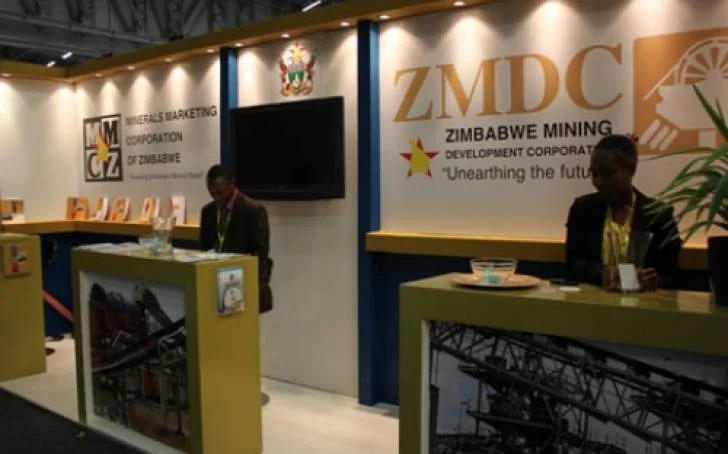
In a significant legal victory for Zimbabwe’s state mining sector, the US Court of Appeals in Washington, D.C. has thrown out an attempt by two Mauritian firms to enforce an arbitration award worth US$93 million against the Zimbabwe Mining Development Corporation (ZMDC). The ruling hinges on a key jurisdictional point that cheered local officials and offers a potential roadmap for handling cross-border mining disputes, Mining Zimbabwe can report.
By Rudairo Mapuranga
According to the US court, the matter brought by Amaplat Mauritius Ltd. and Amari Nickel, stemming from a 2014 International Court of Arbitration ruling in Zambia, could not proceed in Washington. While the arbitration tribunal had ordered ZMDC to pay US$42.9 million to Amaplat and US$3.9 million to Amari—plus 5% annual interest—the accumulated total eventually reached US$93 million, thanks to years of compounding interest.
In 2019, the Mauritian companies sought to enforce that award through Zambia’s High Court, hoping to seize ZMDC assets in the region. When the proceedings stalled there, they turned to the US, seeking enforcement assistance. But the appellate court was unmoved.
“The Court … concluded that the District Court lacked subject-matter jurisdiction over the dispute,” the announcement stated.
The ruling is limited to US jurisdiction—it does not block Amaplat or Amari from pursuing enforcement in other countries. A spokesperson for the Mauritian firms noted, “It has no application or precedential value to actions brought against Zimbabwe in other countries.”
Nevertheless, the Zimbabwean government has hailed the outcome. Mines and Mining Development Secretary Pfungwa Kunaka described the judgment as “a welcome result,” reinforcing the country’s resolve to defend its mining assets through global legal channels. Mining Minister Winston Chitando and legal teams for ZMDC have not issued further comment at this time.
Why This Matters
This ruling marks a diplomatic and commercial milestone for Zimbabwe. It makes clear that foreign arbitration awards cannot automatically be enforced anywhere, and that a claimant’s choice of jurisdiction is crucial. For ZMDC—and Zimbabwe’s broader state enterprise portfolio—it offers a degree of insulation against overzealous international enforcement campaigns.
The case itself harkens back to a failed nickel-platinum joint venture that collapsed a decade ago. While the arbitration tribunal found in favour of the Mauritian firms, the matter has been mired in procedural delays and legal challenges across multiple jurisdictions. Analysts say this case may prompt Zimbabwean entities to reconsider how and where they stake their legal grounds when entering international contracts.
Looking Ahead
The ruling does not close the door entirely. Amaplat and Amari are expected to explore enforcement options in countries where Zimbabwean assets exist—possibly in jurisdictions that do not guarantee exclusivity to foreign sovereign immunity or where collection can be pursued against offshore finances.
Whatever happens next, Zimbabwe’s win in the US sends a clear message: owning a mining title in this country must not be treated as automatic global collateral, and claims must clear jurisdictional hurdles before assets can be seized.
As ZMDC eyes recovery and re-energises its investment plans, especially in critical minerals, this legal precedent may offer a shield—and a template—for future agreements negotiated with international partners. It’s a reminder that large-scale project success isn’t just unlocked in the mine—but often in the courtroom as well.

