




Zimbabwe is stepping up efforts to unlock the full potential of its vast but under-utilised mineral resources by prioritising increased exploration and creating a stable, investor-friendly policy environment.
By Ryan Chigoche
Mining remains a vital pillar of the economy, contributing about 12 percent to GDP and nearly 80 percent of export earnings. The government sees the sector as key to achieving economic growth targets under Vision 2030.
Yet, limited exploration and insufficient capital investment have so far hindered the country from fully tapping its mineral wealth.
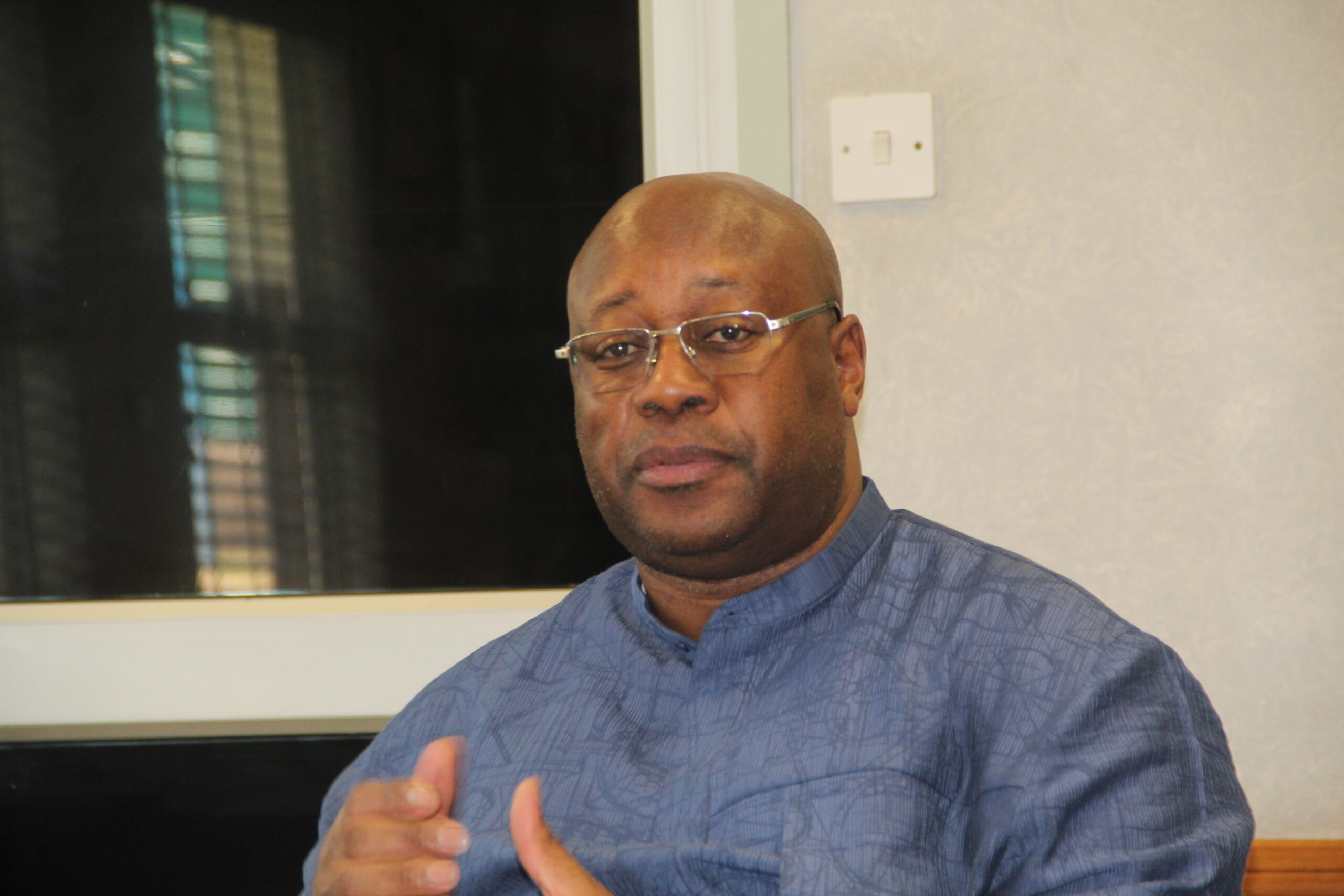
At the London Indaba 2025, Mines and Mining Development Minister Winston Chitando highlighted the need for greater exploration.
He noted that while Zimbabwe has over 60 recorded minerals, only about ten are actively mined, mainly due to inadequate exploration.
“In Zimbabwe, we have good geology and a competent skills base, but not sufficient capital commensurate to unlock the mineral potential in the country,” he said.
The minister emphasised Zimbabwe’s open and inclusive mineral policy, stating: “Zimbabwe tries to be a friend to all and an enemy to none. As far as our mineral policy is concerned, we are concentrating on ensuring maximum extraction of minerals and maximum value addition in partnership with various investors from all corners of the world.”
Beyond these fundamentals, Chitando stressed that a stable and predictable legal framework is critical for attracting investment.
The government has committed to maintaining consistent, competent legislation that endures changes in government and budget cycles, giving investors confidence for the long term.
Clear and consistent policies are essential not only to boost exploration and mining but also to promote beneficiation where commercially viable. The minister pointed to progress by platinum and lithium miners, who have conducted feasibility studies for refinery and processing capacity in collaboration with consultants.
Private sector investment is also growing in related industries, including carbon steel production, which is expected to expand into stainless steel manufacturing. Additionally, local companies are increasing lithium sulphate production alongside concentrate output, signalling a push towards more downstream mineral processing.
These remarks come as Zimbabwe advances efforts to diversify mineral production, increase value addition, and position itself as a competitive mining investment destination in the region.

