

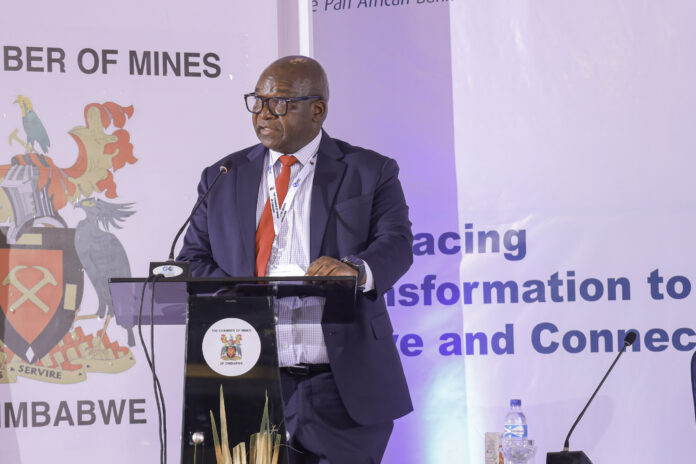
Zimbabwe’s Platinum Group Metals (PGM) sector is expected to recover next year, with production forecast to rise by 4% in 2026 after an estimated -2.5% decline in 2025, according to a new survey by the Chamber of Mines Zimbabwe.
By Ryan Chigoche
According to industry chiefs, the rebound will be driven mainly by the recovery in platinum prices and efficiency gains across PGM producers, helping boost both platinum and palladium output.
The improved outlook comes as global PGM prices continue to strengthen. The average PGM basket price has climbed to about US$1,916 per ounce — a 30% increase from the same period last year and the highest level since early 2023.
This surge has been supported by a weaker US dollar, resilient industrial demand from China, and renewed investor interest amid persistent inflation and geopolitical uncertainty.
Platinum remains well supported by ongoing demand for internal combustion engine catalysts in major markets such as China and India. At the same time, palladium and rhodium continue to shift toward hybrid and electric vehicle technologies, shaping future demand patterns across global PGM markets.
As was the case in 2025 and 2024, the Chamber’s survey findings showed that capacity utilisation in the PGM sector is expected to remain at full capacity (100%) in 2026.
Producers believe they can maintain this level provided the price recovery continues and operating conditions do not worsen.
However, the Chamber also warned that several risks could undermine the sector’s positive momentum. One of the most pressing challenges is the delayed payment of the surrender portion of export proceeds.
All platinum producers reported that they are facing viability and operational challenges as a result of these delays, effectively running on only 70% of their revenue. Some producers indicated that they have already deferred capital projects because of cash flow constraints.
Power supply remains another significant concern. All producers said they continue to face unstable electricity supply, leading to frequent outages. Smelting operations — which require constant and reliable power — have been the most adversely affected, raising the cost of maintaining stable production.
Cost pressures are also being worsened by Zimbabwe’s fiscal regime. Producers argued that the current 7% royalty on platinum is high and adds to the sector’s already heavy cost structure. Their concerns have grown following additional fiscal measures introduced in the 2026 national budget, which they fear will place further strain on operations.
Although rising global prices offer some relief, the Chamber of Mines cautioned that the recovery may provide only partial benefits.
High operating costs, fiscal pressures, energy constraints, and declining production levels mean that not all producers will be able to capitalise fully on the stronger price environment. Mines grappling with low grades or bottlenecks are especially vulnerable, as escalating costs continue to erode their margins even in a rising-price market.
Overall, while the sector is set for a technical rebound in 2026, its ability to translate higher global prices into improved profitability will depend heavily on addressing the domestic challenges that continue to weigh on Zimbabwe’s PGM industry.

