

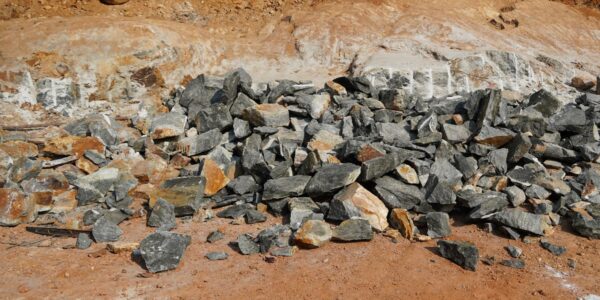
A month after Zimbabwe introduced a ban on the export of raw minerals and lithium concentrates, the policy continues to be viewed as a defining step in the country’s evolving mineral strategy. Announced and enforced on 25 February 2026, the move signalled a faster-than-expected transition toward value addition, bringing forward earlier plans that had initially set 2027 as the starting point.
Kelvin Sungiso
The groundwork for the decision had already been laid in June 2025, when authorities outlined their intention to phase out exports of lithium concentrates over time. That initial timeline was widely seen as a measured approach, allowing mining companies and investors to prepare for a shift toward local processing. However, developments in the months that followed appear to have prompted a recalibration. Strong global demand for lithium, combined with increased export activity, highlighted both the opportunity and the urgency to retain more value within the domestic economy.
In this context, the decision to advance the ban by several months reflects a policy environment that is responsive to market dynamics while remaining anchored in long-term development goals. At its core, the move is aimed at encouraging beneficiation, ensuring that more of Zimbabwe’s mineral wealth is processed locally before entering global markets.
For industry players, the adjustment presents both challenges and opportunities. The immediate focus is on aligning operations with the new framework, particularly by scaling up or investing in processing capabilities. At the same time, the policy provides a clearer directional signal, positioning Zimbabwe as an emerging hub for mineral value addition within the region.
The potential outcomes are significant. With the right support systems in place, the ban could help stimulate investment in refining and processing facilities, deepen industrial linkages, and create employment across the value chain. Over time, this may enhance Zimbabwe’s participation in sectors such as battery manufacturing, where demand for processed lithium products continues to grow.
Realising these outcomes will depend on how the transition is managed. Continued dialogue between government and industry will be critical in ensuring that implementation remains practical and predictable. A coordinated approach, linking policy with infrastructure development, particularly in energy and logistics, can help create the conditions needed for beneficiation to take root.
Investment is likely to play a central role in this next phase. Companies already operating in Zimbabwe’s mining sector are well-positioned to expand into processing, building on their existing presence and resource base. In addition, international partners are expected to remain key contributors. Investors from China, with established expertise in mineral processing and battery supply chains, are likely to continue playing a significant role. There is also growing interest from other global players seeking to diversify sources of critical minerals, creating scope for a broader mix of partnerships.
Support from development finance institutions, including the African Development Bank, could further strengthen this transition by facilitating funding for large-scale projects and essential infrastructure. Such collaborations can help bridge the gap between policy ambition and implementation capacity.
One month on, the export ban represents more than a regulatory change; it marks a step in Zimbabwe’s broader economic transformation. While the transition will take time, the direction is increasingly clear. By fostering value addition and encouraging investment in local processing, Zimbabwe is positioning itself to capture a greater share of the opportunities presented by the global shift toward clean energy and advanced technologies.
For the business community, the focus now turns to how best to engage with this evolving landscape, one that offers both complexity and considerable long-term potential.

