Home Blog Page 110

Junior Chamber Gears Up for Inaugural Technical Visit to Waterwitch Gold Mine

0

Zimbabwe’s medium-scale miners, under the banner of the Junior Chamber of Miners Zimbabwe (JCMZ), are set to mark a significant milestone in their journey with their inaugural technical visit to Waterwitch Gold Mine in Inyathi on Friday next week.

By Rudairo Mapuranga

The historic visit, held under the theme “Promoting Professional and Sustainable Mining with Zero Harm and Removing Funding Barriers,” is designed to expose medium-scale miners to practical, real-world mining operations while fostering collaboration with stakeholders from across the value chain.

According to JCMZ Secretary General Mr. Dosman Mangisi, the visit is expected to draw around 50 participants, including miners, academics, suppliers, financiers, and representatives from the Zimbabwe School of Mines. It forms part of the Chamber’s broader vision to develop a professional and modernised medium-scale mining sector that is both productive and environmentally responsible.

“This visit is about building bridges—between miners and financiers, manufacturers and government institutions—while promoting safe and sustainable mining,” Mangisi said. “Our aim is to empower the next generation of miners with technical skills, financial literacy, and compliance awareness that can elevate their operations to globally competitive standards.”

During the visit, attendees will be taken through a mining tour of Waterwitch Gold Mine, one of the few organised gold operations in Bubi that has embraced mechanised mining systems. Technical presentations will then follow, focusing on:

  • Drilling and blasting techniques

  • Mineral processing technologies

  • Mine planning and management

  • Safety, health, and environmental practices

Presentations will be led by experts from various sectors, including equipment manufacturers, the Zimbabwe School of Mines, suppliers, and finance institutions. Notably, the CEO of ZB Bank is expected to grace the occasion as the Guest of Honour, underscoring the financial sector’s growing interest in partnering with medium-scale miners.

The launch of JCMZ and its technical visits initiative follows recent developments in Zimbabwe’s mining ecosystem that have seen increased recognition of the role played by junior and medium-scale miners. According to a recent report, the Junior Chamber was formed to offer medium-scale miners a voice and structured platform to influence policy, build skills, and tap into opportunities previously out of their reach.

Simultaneously, the establishment of the Medium Scale Miners Association shows the industry’s shift towards formalisation and professionalism across all scales of operations. These initiatives are part of a new frontier in Zimbabwe’s mining development roadmap—one that includes everyone from the shovel-wielding prospector to the capital-intensive processor.

Promoting Compliance and Zero Harm

One of the key messages being driven by JCMZ is the need for medium-scale miners to adopt a culture of compliance, health and safety, and environmental stewardship. Through workshops, site visits, and knowledge sharing, the Chamber seeks to instill world-class operational standards into the heart of Zimbabwe’s emerging mining segment.

Attendees of the Waterwitch visit are encouraged to bring their own PPE—including helmets, work suits, and safety boots—as a show of respect for industry standards and site-specific safety protocols. This aligns with JCMZ’s objective of enhancing professional conduct and raising awareness of the importance of safe mining.

With its first technical visit underway, the Junior Chamber of Miners Zimbabwe is positioning itself as a pivotal player in the transformation of Zimbabwe’s junior mining sector. Through experience-sharing, capacity-building, and strategic alliances, the Chamber is creating a solid platform for future mining leaders to emerge.

Friday’s event at Waterwitch is not just a tour—it is a statement that junior miners are serious about moving from subsistence to substance. And with the right knowledge, partnerships, and policy support, the next big mining story in Zimbabwe could very well come from the corridors of JCMZ.

Gold buying prices per gram in Zimbabwe, 26 April 2025

Gold buying prices per gram in Zimbabwe today, 26 April 2025, from the official gold buyer and exporter Fidelity Gold Refinery (FGR).

SG 90% and ABOVE US$99.57/g.
SG ABOVE 89% BUT BELOW 90% US$98.51/g.
SG ABOVE 80% BUT BELOW 85% US$97.46/g.
SG ABOVE 75% BUT BELOW 80% US$96.41/g.
SAMPLE BELOW 10g BUT ABOVE 5g US$94.83/g.

Fire Assay CASH $100.09/g.

NB: Fire Assay cash price is for gold above 100g; no sample is deducted.
A sample of not more than 10g is deducted for the Fire Assay Transfer price.
A 2% royalty is charged on all deposits (Small-scale miners).
A 5% royalty is set for Primary Producers.

Unki Mine’s Output Drops 15% in Q1 2025

0

Unki Mine, Anglo American Platinum’s key Zimbabwean operation, recorded a 15% drop in platinum group metal (PGM) output in the first quarter of 2025, producing 53,600 ounces. The decline was mainly driven by expected lower ore grades, a slight dip in recovery rates, and the impact of a five-day planned maintenance shutdown at the processing plant.

By Ryan Chigoche

Located in Shurugwi, Unki Mine holds an estimated 34 million ounces in reserves and typically produces about 64,000 ounces of platinum annually. Despite the first-quarter setback, Unki remains a cornerstone of Zimbabwe’s formal mining sector and a strategic asset within the Anglo American Platinum portfolio.

Unki’s performance reflects broader operational challenges faced by Anglo American Platinum in Q1 2025. Group-wide, own-managed PGM production declined by 8% to 462,000 ounces, largely due to severe flooding at the Tumela mine in South Africa following heavy rains in February. Excluding this weather-related impact, production would have remained consistent with the previous year.

The group’s other operations also reported mixed results. Modikwa Mine, a 50%-owned asset, saw an 11% decline in production to 29,400 ounces. This was attributed to lower recovery rates at the concentrator following the introduction of open-pit material during the quarter. This new feed is set to fully ramp up in Q2 2025 and will replace volumes from the high-cost South 1 shaft, which is scheduled for closure in the first half of the year.

However, not all updates were negative. Mogalakwena Mine, the group’s flagship open-pit operation, delivered a 3% increase in PGM production to 227,000 ounces. This improvement was driven by higher concentrator throughput and slightly improved ore grades. The 4E head grade of 2.48g/t was in line with expectations and supports the mine’s full-year target of a 2.7–2.9g/t blended grade.

Mototolo Mine also posted a positive performance, with production rising 7% to 66,200 ounces. This growth reflects the successful implementation of a new seven-day mining shift cycle introduced in the second quarter of 2024, aimed at increasing productivity and operational efficiency.

In addition to production figures, the group noted a 29% drop in purchased PGM concentrate volumes, mainly due to Kroondal’s transition to a tolling arrangement and reduced deliveries from third parties. Refined PGM production fell by 30% to 437,100 ounces, affected by regular first-quarter maintenance, a triennial stock count, and lower mined volumes.

Sales volumes were similarly down 30%, in line with refined output.

Nonetheless, Anglo American Platinum maintained its 2025 guidance, projecting total PGM production (metal-in-concentrate and refined) between 3.0 and 3.4 million ounces. Cost guidance also remains unchanged, with expected cash operating costs of R17,500–R18,500 per PGM ounce and all-in sustaining costs between US$970 and US$1,000 per 3E ounce.

On a positive note, safety performance improved across the group, with no fatalities reported and a 7% reduction in the total recordable injury frequency rate (TRIFR), which stood at 1.70 per million hours worked.

As Unki Mine and other operations stabilise after a tough quarter, the group is cautiously optimistic about improving performance in the months ahead, supported by cost discipline, operational reforms, and targeted ramp-ups, the group reported.

Premier Raises +2 Million to Fast-Track Zulu Lithium Commissioning

0

Alternative Investment Market (AIM) listed mining and exploration junior Premier African Minerals Limited has announced a £1.575 million (approximately US$ 2,096,797.48 million today’s rate) interim funding to bolster the final commissioning and optimisation of its flagship Zulu Lithium and Tantalum Project in Fort Rixon, Mining Zimbabwe can report.

By Rudairo Mapuranga

The subscription, issued at 0.035 pence per new ordinary share, comes at a critical time for Premier, following recent positive developments with its offtake partner, Canmax Technologies Co., Ltd. According to Premier, the funds raised will be primarily directed towards completing the secondary flotation plant at Zulu, commencing associated civil works, settling essential creditors, and providing working capital for ongoing operations.

Premier CEO George Roach said the move would help restore confidence in the company, following the amendment to the Offtake and Prepayment Agreement with Canmax and the receipt of a non-binding letter of interest from a reputable buyer for future development.

“The recently announced amendment to the Offtake and Prepayment Agreement with Canmax, the provision of a non-binding letter of interest, and the alleviation of concerns related to the long stop date all help restore confidence in Premier, and this should help support us through the next three months while we complete the spodumene flotation section at Zulu,” Roach said.

The subscription will see the issue of 4.5 billion new ordinary shares, arranged within Premier’s remaining share authorities. The new shares will be admitted to trading on AIM around May 1, 2025, and will rank pari passu with existing ordinary shares. Following the subscription, Premier’s issued share capital will stand at approximately 50.97 billion shares, with the company now having fully utilised its current share issuance authorities.

Background: Premier’s Strengthened Partnership with Canmax

Premier’s interim funding announcement follows a series of critical developments regarding its relationship with Canmax Technologies, one of its primary strategic partners. In late March, Premier secured an amendment to the original Offtake and Prepayment Agreement signed with Canmax, extending the Long Stop Date from April 1, 2025, to the earlier of December 31, 2025, or upon securing a new reputable buyer acceptable to Canmax.

Key terms of the amendment include:

  • Participation Rights: Canmax retains rights to partial repayment in Premier’s shares, ensuring a 13.38% fully diluted shareholding after any future funding rounds.

  • Financial Oversight: Canmax will oversee operational and creditor budget management at both Premier and Zulu until the prepayment and accrued interest are fully settled.

  • Safeguards Against Insolvency: Neither Premier nor Zulu Lithium may enter insolvency without swift contestation or resolution.

  • Asset Protection: Premier cannot pledge or encumber its assets without prior Canmax approval.

  • Binding Interest Requirement: Premier must secure a non-binding letter of interest from a reputable buyer within 30 days, extendable at Canmax’s discretion.

  • Director Commitments: Premier’s directors are personally obligated to adhere to the amended agreement’s conditions until full settlement.

The relationship between Premier and Canmax was initially formalised in 2022 when Canmax provided an advance purchase of US$34.64 million to fund construction of the Zulu processing plant. However, Premier failed to meet minimum delivery obligations in November and December 2023, leading Canmax to enforce a higher interest rate of 12% per annum on the outstanding prepayment balance.

Despite these challenges, Canmax’s continued commitment to Zulu underscores its strategic importance. Premier has expressed gratitude for Canmax’s understanding and has reaffirmed its focus on delivering spodumene concentrate as soon as the plant’s commissioning is completed.

A Race Against Time at Zulu

Premier’s focus over the next three months will be squarely on completing the spodumene flotation circuit at Zulu. The company remains under pressure to not only meet the commissioning targets but also to secure long-term financial stability and creditor confidence, necessary for the project’s transition into a full-scale lithium producer.

The success of Zulu is critical not only for Premier but also for Zimbabwe’s ambition to become a key player in the global lithium supply chain. Zimbabwe, boasting some of the largest hard-rock lithium deposits globally, has witnessed a surge in lithium investments, and Zulu remains among the most strategically important projects under development.

As the global energy transition drives unprecedented demand for lithium, Premier’s ability to execute on Zulu could position it at the forefront of Zimbabwe’s critical mineral revolution. With the latest funding secured and a strengthened partnership with Canmax, the coming months will prove decisive for Premier African Minerals.

Mutapa Breaks Silence: No Cash Lost in $1.9 Billion Kuvimba Deal!

0

Zimbabwe’s sovereign wealth vehicle, the Mutapa Investment Fund (MIF), has stepped forward to clarify growing speculation surrounding the US$1.9 billion worth of Treasury Bonds used to acquire a 35% stake in Kuvimba Mining House (KMH), stating that the transaction is not a cash outlay but a structured, long-term investment aligned with government growth strategies, particularly in gold mining.

By Rudairo Mapuranga

The Fund, which oversees Zimbabwe’s largest state assets and investments, issued a statement this week to counter misinformation circulating on social media and various informal platforms, noting that the purchase was done through government-issued 10-year Treasury Bonds with a three-year grace period, rather than immediate cash payments. This strategic acquisition, according to MIF, was not only fiscally structured but also valuation-backed, anchoring the future of KMH as a wholly government-owned entity.

Following the deal, the government now owns 100% of Kuvimba, with the shareholding distributed as follows: Mutapa Fund (63%), Datvest Nominees for former farmers’ compensation (12.5%), the Insurance and Pensions Commission (5%), National Venture Company representing war veterans (2.5%), women (2.5%), youth (2.5%), Deposit Protection Corporation (5%), and the Public Service Commission (7%).

Kuvimba’s Gold Ambitions Drive Government Strategy

At the heart of this investment is gold, a mineral that remains central to Zimbabwe’s economic ambitions. According to MIF, the decision to use US$1.9 billion in Treasury Bonds was based on a valuation of KMH conducted by two independent advisory firms, placing KMH’s worth at US$3.2 billion as of October 2023. This valuation was driven largely by increased gold, platinum, and lithium prospects, particularly at Sadawana Mines.

Mutapa believes the TB-backed acquisition will pay off through mineral ramp-up, especially in gold, where current international prices are strong. KMH’s gold-producing units, such as Freda Rebecca, Shamva, and Jena Mines, continue to show impressive growth. For instance, KMH is projected to produce 3,642 kilograms of gold in FY2025, a 12.2% increase from the previous year. Shamva alone is on track to deliver over 730 kg, while Freda Rebecca continues to contribute over 68% of total output.

The Fund is optimistic that, through mineral ramp-up strategies and joint ventures, it can settle the US$1.9 billion loan ahead of maturity, with share buybacks and other equity-anchored financial engineering used to reduce fiscal risk.

A $16 Billion Portfolio Under Scrutiny

As of the last official assessment, the Mutapa Investment Fund’s entire portfolio has been valued at US$16 billion, including assets in mining, energy, agriculture, and infrastructure. Despite this, the Fund has faced criticism from watchdogs and sections of the public over transparency, control, and the concentration of national wealth in a single sovereign vehicle.

A report by The Sentry, a U.S.-based watchdog, earlier warned that Zimbabwe’s sovereign wealth fund could be vulnerable to misuse without sufficient transparency and legislative oversight. This follows concerns about how proceeds from top state-owned companies, like KMH, are distributed and whether all Zimbabweans are benefiting from their mineral wealth.

Responding to the criticism, MIF highlighted that it has already received US$2.2 million in dividends from the National Oil Infrastructure Company of Zimbabwe (NOIC) and intends to intensify its dividend performance across sectors.

Gold as a Hedge for Fiscal Strategy

MIF Chief Executive John Mangudya reiterated that the Fund intends to settle the TBs within the grace period by leveraging gold’s strong international price, which reached over US$2,300/oz in early 2025 and is now over US$3,000/oz. The goal is to use KMH’s growing output—particularly in gold—as the primary vehicle to meet these obligations without compromising the Treasury’s liquidity or increasing fiscal exposure.

In the meantime, the Fund will pursue public-private partnerships, mine expansions, and additional capital inflows to support this strategy. With the future of Zimbabwe’s economic stability closely tied to mining and resource-based revenues, the KMH deal is being framed as both a fiscal asset and a symbol of state-directed industrialisation.

A Roadmap for Sovereign Investment

While critics remain cautious, the Fund argues that the US$1.9 billion deal is a bet on Zimbabwe’s mineral future—especially gold—and a necessary step in asserting sovereign ownership over its key national resources. Whether that bet pays off will depend on KMH’s production performance, international gold prices, and the Fund’s capacity to maintain transparency and efficiency.

In the coming months, all eyes will be on how KMH’s operations expand, how Mutapa leverages its investment structures, and how the broader economy benefits from this consolidation of state-owned mining power. As Zimbabwe aims to achieve an upper-middle-income economy by 2030, the Mutapa-KMH gold-driven strategy may prove either a masterstroke or a cautionary tale in resource nationalism.

Prospect Resources Eyes Gold as Lithium Prospects Falter

0

Australian mining company Prospect Resources Ltd has shifted its focus towards gold exploration after disappointing outcomes at its Step Aside and Bikita Gem lithium projects in Zimbabwe. The strategic pivot marks a significant realignment for the company, which rose to prominence following the over US$400 million sale of its Arcadia Lithium Mine to China’s Huayou Cobalt in 2022.

By Rudairo Mapuranga

In its quarterly report for the period ending March 31, 2025, Prospect confirmed that all exploration efforts at the Step Aside Lithium Project had been halted and expenditure reduced to minimum holding commitments. The company is now preparing to monetise the asset while increasingly investing in the potential for gold within the same area.

“Exploration activities at Step Aside have ceased,” Prospect noted, adding that it had launched a formal sales process in the March quarter, with Nurture Investments appointed to lead the initiative. A digital data room has been established with supporting geological, legal, and logistical documentation to facilitate the divestment.

Turning to Gold in a Proven Belt

As lithium exploration winds down, the focus is turning to what may be Zimbabwe’s oldest and most reliable friend in the mining sector—gold. From February to March 2025, Prospect re-examined diamond drill core samples from the Step Aside project for gold potential. Encouraging intersections, described as visually prospective for gold mineralisation, have been submitted for lab analysis.

What makes this transition more than speculative is location. Step Aside is located in the heart of the Harare Greenstone Belt, a geological zone renowned for high-grade gold mineralisation. Historically, the belt has produced over 35 tonnes of gold, primarily from the Arcturus group of mines, which are situated just 12 kilometres southwest of the Step Aside site. These mines are known for their high-grade, vein-hosted gold systems, similar in structure to what has been encountered at Step Aside.

In short, Prospect is not wandering into unfamiliar territory—it is drilling into a zone with a proven gold pedigree.

Strategic Gold Shift Amidst National Potential

Prospect’s gold ambitions align well with Zimbabwe’s broader mining narrative. The country is sitting on an estimated 13 million tonnes of gold reserves—valued at over US$65 trillion—according to data from the Reserve Bank of Zimbabwe. This potential is not lost on investors or the government, especially at a time when global gold prices are buoyant and lithium markets are tightening.

Zimbabwe’s drive toward becoming an upper-middle-income economy by 2030 heavily hinges on gold production. With major projects like Motapa and Bilboes coming online, and significant state support behind both large- and small-scale gold mining ventures, the pivot by Prospect is not only timely but strategically sound.

From Lithium Darling to Gold Revivalist

This move into gold exploration signals a new chapter for Prospect Resources, which once made headlines as Zimbabwe’s lithium darling. The Arcadia deal with Huayou Cobalt cemented its legacy in lithium, but with exploration at both Step Aside and Bikita Gem yielding underwhelming results, the company appears to be embracing Zimbabwe’s most tested commodity.

It is not the first miner to make such a pivot. Several lithium-focused firms in Zimbabwe are now reassessing their portfolios, particularly as softening lithium prices and rising gold prices force companies to rethink resource allocation.

Step Aside Could Still Deliver Value

Even as a lithium project, Step Aside was always a compact operation—100 hectares of claims located 35 km from Harare. Now, with its gold potential under renewed scrutiny, it may yet provide significant returns either through outright sale or future development. For now, Prospect is betting that Zimbabwe’s golden legacy still has more to offer.

With an aggressive exploration mindset and a growing appetite for diversification, Prospect Resources’ gold ambitions could mark its resurgence as a multi-commodity producer in Zimbabwe. All eyes will now be on the outcome of their ongoing gold assays and how they reposition their operations in a country poised for another gold boom.

Mining and Energy Sectors See Strong Investment in Zimbabwe’s Q1 2025: ZIDA

0

The Zimbabwe Investment and Development Agency (ZIDA) has reported robust investment activity in the first quarter of 2025, with particular emphasis on the mining and energy sectors, both of which are vital to Zimbabwe’s economic growth.

By Ryan Chigoche

In total, 88 mining investment licenses were issued, amounting to $906.8 million, reflecting sustained investor confidence in the sector’s potential. This continued interest highlights mining’s critical role in driving Zimbabwe’s economic progress.

While mining remains the leader in investment, the energy sector has increasingly come into focus, with projected investments reaching $2.7 billion. This growing emphasis on energy underscores the interconnectedness between Zimbabwe’s mining and energy sectors. Reliable and affordable energy is essential for efficient mining operations, and addressing power shortages is crucial for unlocking the full potential of the mining industry. A stable energy supply will not only support existing mining operations but also attract additional investments into the sector.

To address energy challenges, ZIDA has been actively promoting renewable energy initiatives. In February 2025, the agency facilitated a key meeting with stakeholders, including the World Bank Energy Group and the International Finance Corporation (IFC), to explore opportunities in renewable energy. The meeting was an important step in strengthening Zimbabwe’s energy infrastructure, which is vital for the continued growth of the mining sector.

Investment composition for Q1 2025 further illustrates the strong focus on mining. Of the actual inflows, 60% were directed toward imported capital equipment, much of it aimed at enhancing mining and manufacturing capabilities. This highlights the sector’s ongoing modernisation and the significant capital being injected to boost productivity.

ZIDA’s efforts to foster investment in priority sectors such as mining, agriculture, and renewable energy have been strengthened through research-led initiatives and strategic forums designed to provide regulatory clarity and support sustainable projects. The agency’s commitment to improving the investment climate is reflected in its efforts to streamline processes and make Zimbabwe a more attractive destination for international investors.

A significant milestone in these efforts was the launch of ZIDA’s fully online investment license issuance system at the end of March 2025. This digital transformation allows for an end-to-end online process for license applications, processing, and issuance. As a result, 207 new investment licenses were issued in Q1 2025, marking a 44.8% increase compared to the same period in 2024. The streamlined system is expected to improve business operations in Zimbabwe by reducing processing times and enhancing regulatory efficiency.

However, while the volume of license renewals increased, ZIDA observed a slight decline in the proportion of on-time renewals. To address this, the agency has introduced automated renewal notifications and reinforced follow-up measures to encourage greater compliance and timely renewals.

Furthermore, ZIDA has continued to expand its research activities, culminating in the development of a Priority Sector Research Paper and two Policy & Investment Research studies. These studies are aimed at improving regulatory efficiency and facilitating investor engagement, aligning with ZIDA’s 2025 strategy to create a more conducive environment for investment. These efforts are critical in supporting the continued growth of Zimbabwe’s mining sector and ensuring that it remains competitive on the global stage.

Gold buying prices per gram in Zimbabwe, 24 April 2025

Gold buying prices per gram in Zimbabwe today, 24 April 2025, from the official gold buyer and exporter Fidelity Gold Refinery (FGR).

SG 90% and ABOVE US$99.13/g.
SG ABOVE 89% BUT BELOW 90% US$98.08/g.
SG ABOVE 80% BUT BELOW 85% US$97.03/g.
SG ABOVE 75% BUT BELOW 80% US$95.98/g.
SAMPLE BELOW 10g BUT ABOVE 5g US$94.41/g.

Fire Assay CASH $99.66/g.

NB: Fire Assay cash price is for gold above 100g; no sample is deducted.
A sample of not more than 10g is deducted for the Fire Assay Transfer price.
A 2% royalty is charged on all deposits (Small-scale miners).
A 5% royalty is set for Primary Producers.

The Chamber of Mines Gears Up for the 2025 Annual Mining Conference and Exhibition

0

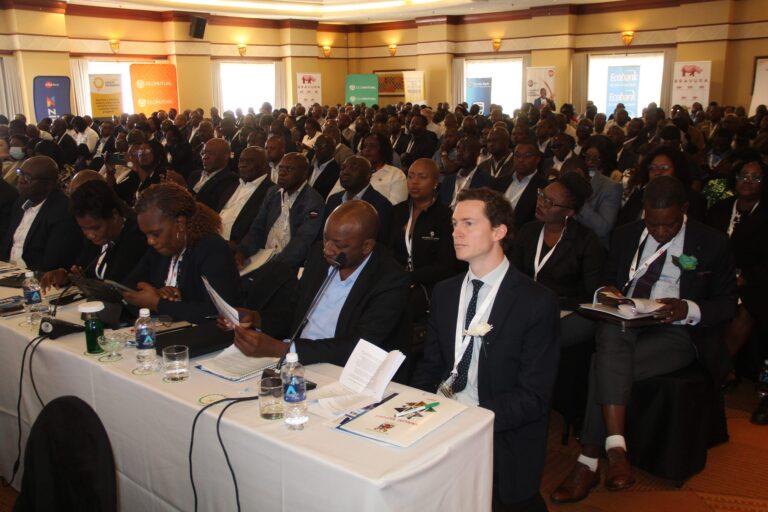
The Chamber of Mines of Zimbabwe (CoMZ) is geared up for its highly anticipated Annual Mining Conference and Exhibition, scheduled to take place from May 21 to May 24, 2025, in the scenic town of Victoria Falls.

By Keith Sungiso

This is an annual event that provides a platform for industry leaders, government, investors and financiers the opportunity to interact and discuss key matters relevant to the development of the mining industry.

This year’s program includes PGMs Symposium, Gold Symposium, Coal and Fossils Session, Main Conference, Exhibitions and various side events such as dinners, cocktails, and a golf tournament.

The AGM will commence with constitutional meetings to address internal governance issues within the mining industry. A new President will be appointed, concluding the Gono era.

Subsequent sessions will feature presentations from local, regional, and international experts, including executives from operating mines and new PGMs projects.

As the mining sector continues to play a pivotal role in Zimbabwe’s economy, the 2025 AGM and Conference are expected to set the tone for future developments and collaborations within the industry.

Understanding the Principles of Open Pit Mining

0

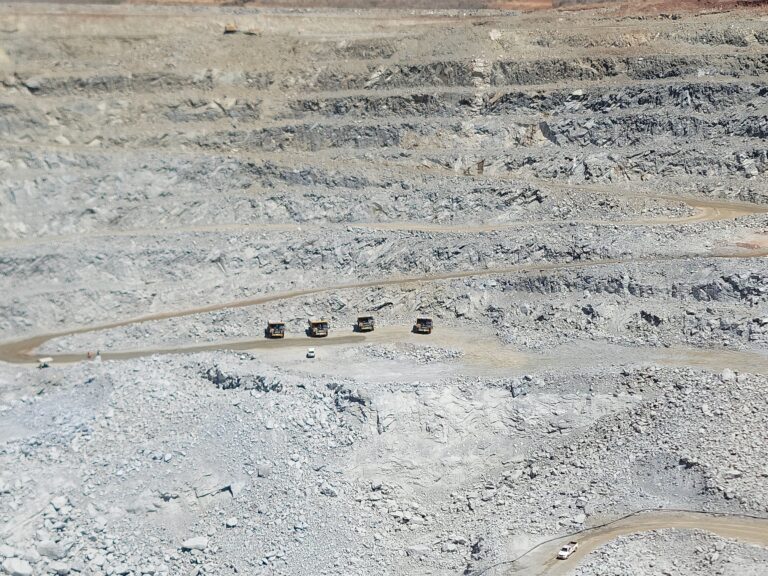
Open pit mining, popularly known as open-cast or open-cut mining, is one of the most common methods used to extract minerals found near the surface. This involves removing large quantities of overburden to access ore deposits. While the method is widely adopted due to its efficiency and scalability, it requires meticulous planning and execution to ensure economic, environmental, and social sustainability.

Below are the core principles that guide successful open pit mining operations.


1. Orebody Knowledge

Before any excavation begins, a thorough geological exploration is essential. It involves drilling, sampling, and assaying to understand the size, shape, and quality of the orebody. Creating 3D orebody models and conducting resource and reserve estimations are critical steps in assessing the viability of the mining project.


2. Mine Design and Planning

A well-designed pit is the foundation of an efficient mining operation. Engineers design the pit layout, benches, and haul roads to ensure maximum ore recovery with minimal waste. Scheduling also plays a vital role—mining must follow a planned sequence to balance ore extraction, waste removal, and economic returns.


3. Economic Evaluation

Determining the cut-off grade (the minimum ore grade that is economically viable to mine) helps differentiate ore from waste. Pit optimisation tools, such as the Lerchs-Grossmann algorithm, define the most profitable pit shell. Comprehensive financial modelling, including cash flow and Net Present Value (NPV) analysis, ensures long-term viability.


4. Equipment Selection and Utilisation

The choice of mining equipment—such as haul trucks, shovels, and drills—must align with production targets and pit design. Effective maintenance planning is also essential to avoid downtime and extend the life of critical assets.


5. Geotechnical and Slope Stability

Understanding the mechanical behaviour of the rock is crucial. Geotechnical engineers design stable pit slopes and implement monitoring systems, such as radar and drones, to detect potential failures. Water management systems prevent erosion and instability.


6. Environmental and Social Responsibility

Modern mining must adhere to stringent environmental regulations. Environmental Impact Assessments (EIAs) identify potential risks, while waste management practices ensure safe disposal of overburden and tailings. Rehabilitation plans aim to restore mined land, and community engagement ensures that local populations are informed and involved.


7. Safety and Risk Management

Mining is inherently hazardous, making safety non-negotiable. Comprehensive safety protocols, regular training, and emergency response plans are vital to protect workers and prevent accidents.


8. Regulatory Compliance and Reporting

Mining operations must comply with local and international regulations. This includes acquiring necessary permits, conducting routine inspections, and submitting environmental and safety reports. Regular audits ensure adherence to legal and ethical standards.


9. Grade Control and Quality Management

Precision in ore/waste separation is achieved through ore control drilling. To maintain consistent feed quality for processing plants, blending and stockpiling strategies are implemented.


10. Continuous Improvement and Innovation

The mining industry is evolving with advancements in automation, remote sensing, and data analytics. Continuous improvement through technology adoption and lean mining practices enhances efficiency, reduces costs, and supports sustainable development.