Home Blog Page 119

Gold buying prices per gram in Zimbabwe, 27 March 2025

Gold buying prices per gram in Zimbabwe today, 27 March 2025, from the official gold buyer and exporter Fidelity Gold Refinery (FGR).

SG 90% and ABOVE US$91.54/g
SG ABOVE 89% BUT BELOW 90% US$90.58/g
SG ABOVE 80% BUT BELOW 85% US$89.61/g
SG ABOVE 75% BUT BELOW 80% US$88.64/g
SAMPLE BELOW 10g BUT ABOVE 5g US$87.19/g

Fire Assay CASH $92.03/g

NB: Fire Assay cash price is for gold above 100gs; no sample is deducted.
For the Fire Assay Transfer price, a sample of not more than 10g is deducted
A 2% royalty is charged on all deposits (Small-scale miners)
A 5% royalty is set for Primary Producers

AMSZ to Explore Cutting-Edge Technologies at Shamva Gold Mine

0

The Association of Mine Surveyors of Zimbabwe (AMSZ) has been at the forefront of promoting excellence in mine surveying practices. Its upcoming technical visit to Shamva Gold Mine tomorrow presents a significant opportunity to explore advancements in mine surveying methodologies, focusing on how the industry can embrace modern technologies to meet current global standards, AMSZ Secretary General Takunda Paul Mubaiwa said.

By Rudairo Mapuranga

One of the critical areas of discussion will be the role of advanced mining software, particularly Datamine, a tool widely recognized for its capacity in optimizing mining operations.

According to Mubaiwa, Datamine’s database management and sophisticated capabilities in resource modeling and planning make it one of the most advanced tools currently available. This software aligns with international best practices by improving the precision and efficiency of mine surveys, thereby enhancing both safety and productivity.

With Shamva Gold Mine’s impressive safety record and its expansion into new open-pit developments, the visit aims to delve deeper into the methodologies and technologies that have contributed to this success. The benchmarking tour will provide AMSZ members with firsthand insights into Shamva’s surveying techniques, safety protocols, and production planning. These practices are crucial for professional development, particularly in Zimbabwe’s fast-evolving mining landscape.

As the global mining industry moves toward higher precision in operations, the alignment with advanced tools like Datamine sets the pace for Zimbabwe to maintain competitiveness. The integration of these technologies is not just about improving productivity but also ensuring sustainable and responsible mining that meets the evolving demands of the 21st century.

This visit, which brings together around 30 surveyors from across the country, will offer a platform for knowledge sharing, with a particular emphasis on the innovative strategies that have made Shamva Gold Mine a leader in the field. The potential outcomes of such collaborations are immense, as the lessons learned will likely be replicated across Zimbabwe, further strengthening the nation’s mining sector.

As we move toward a future where technology plays an increasingly central role in mining operations, the focus remains clear: harnessing advancements that align with global standards while promoting sustainable growth in the sector. This technical visit to Shamva Gold Mine represents a pivotal moment in achieving that vision.

What skills should universities or institutions focus on more – Students and Graduates speak

0

The mining industry is evolving rapidly, with technology, safety, and leadership playing increasingly crucial roles. Mining Zimbabwe recently posed a thought-provoking question to students and graduates on Facebook: What skill should universities or institutions focus on more? The responses revealed significant gaps in current mining education and highlighted areas for improvement.

Here is what students and graduates had to say.

1. More Industry Experience and Practical Training

One of the most common concerns raised was the need for more hands-on experience while studying. Tendai Chivhima emphasized the importance of structured vacation work during academic breaks, arguing that it should be made mandatory. This sentiment was echoed by others who believe practical exposure beyond attachments is essential in bridging the gap between theory and real-world mining operations.

Tendai Chivhima emphasized: “Students should be given the opportunity to gain industry experience while studying, not just during attachment but also through structured vacation work. Making vacation work mandatory during academic breaks would allow students to build practical confidence.”

2. Mining Safety and Equipment Training

Mining safety emerged as a critical concern. Thadiwanashe Musande Mudyiradimah stressed that institutions must reinforce the importance of safety protocols and equipment maintenance. Many graduates enter the workforce without adequate training in these areas, which could have life-threatening consequences.

Thadiwanashe Thassissió Musande Mudyiradimah pointed out: “Mining safety is no joke. I think universities and institutions should focus more on teaching students about safety protocols and equipment maintenance. Hands-on training and simulations should be a core part of the curriculum.”

Similarly, Tariro Mafukidze highlighted: “Safety as a student yourself first.”

Samuel Mushuku added that mining engineers and technicians should be trained to operate key mining equipment, such as drill jumbos, bolters, Load Haul Dumps (LHDs), and utility vehicles.

3. Leadership and Emotional Intelligence

While technical knowledge is essential, Kundai Audrey Kang pointed out that leadership and emotional intelligence are often overlooked in mining education. Effective communication and decision-making skills are crucial for managing teams and navigating workplace challenges.

Kundai Audrey Kang observed: “So far they have been hammering us towards innovation, but leadership skills are missing. Emotional intelligence should also be a focus.”

Bonginkosi Babrah Moeketsi humorously added: “Answering why you are not blasting! 🤣 Also, people skills because we deal a lot with different kinds of people”.

4. Mastering Mining Software and Technology

The mining industry is becoming increasingly digital, yet many students graduate without proficiency in essential mining software. Careen Chihlangu and Delighty Chewe highlighted the need for universities to introduce industry-standard software such as METSIM, mine planning tools, and process control systems. Automation and digital transformation are shaping the future of mining, and students must be equipped to keep up.

Careen Chihlangu stated: “Softwares, and keeping up with the industry’s evolving technologies.”

Delighty Chewe added: “Designing, process control, and mine planning software should be taught at universities. It’s regrettable that we only get to know of METSIM and other key programs at the processing plant.”

5. Application and Career Readiness Support

Several comments, including those from Tinomutenda Puramu and Oscar Beyi, pointed out that many students struggle with job applications and securing attachments. Universities should offer training on writing CVs, applying for positions, and networking with industry professionals to ease this transition.

Tinomutenda Puramu remarked: “They have to teach students how to write CVs and how to apply to companies because this is one of the reasons many struggle to get attachments.”

Oscar Beyi echoed this sentiment, saying: “Universities should assist students in securing attachments because some of us are stuck due to a lack of opportunities.”

6. Blasting and Licensing Requirements

A recurring theme in the discussion was the need for early exposure to full blasting license (FBL) and mine blasting license (MBL) modules. Commenters such as Kelvin Murira, Thando Matshazi, and Webster Dube stressed that these certifications should be offered while students are still in school to ensure they are job-ready upon graduation.

7. Rock Mechanics and Ventilation Engineering

Linda Chitsvare suggested that universities should introduce standalone certifications in rock mechanics and rock engineering instead of offering them as just modules. Gilbert Madhuze added that ventilation engineering should be emphasized, given its critical role in underground mining operations.

8. Advanced Data Analytics and Geospatial Analysis

Modern mining requires strong data interpretation skills. Israel Chiradza and Munya Musariri called for universities to integrate GIS mapping, geospatial analysis, and data analytics into the curriculum to help students better understand mineral exploration and resource management.

9. Business and Cost Management in Mining

Beyond technical skills, Revel Simasiku Malundu pointed out that cost-reduction strategies are often ignored in mining education. Understanding how to optimize operational costs is a vital skill for future mining managers and investors.

10. Industry-Driven Curriculum Development

Aubbrey Njolomole summed it up well: “You can’t focus much as a student unless the industry tells you what to focus on. The industry dictates what universities need to emphasize.” This highlights the need for stronger collaboration between academic institutions and the mining sector to ensure that students are learning skills relevant to industry demands.

The discussion revealed a consensus on the need for more hands-on experience, enhanced safety training, leadership development, software proficiency, career support, and industry-relevant certifications. Addressing these gaps will better prepare mining graduates for the workforce, ensuring that they contribute effectively to Zimbabwe’s mining sector.

Universities and training institutions must take these insights into account to bridge the divide between academia and industry expectations.

Business Sweden and Zimbabwe Discuss Key Partnership Opportunities

0

At the Sweden-Zimbabwe Sustainable Mining Expo held in Harare, Business Sweden, the Swedish trade and investment promotion agency, highlighted numerous partnership opportunities for the Zimbabwean mining sector, Mining Zimbabwe reports.

By Ryan Chigoche

The event served as a platform for discussing how Sweden’s long history of mining, combined with its commitment to cutting-edge technologies, could contribute to modernizing Zimbabwe’s mining industry. Both Swedish and Zimbabwean officials explored potential collaborations that could drive growth, sustainability, and innovation in Zimbabwe’s mining sector.

Sweden’s Expertise in Mining: A Path to Growth

Sweden, known for its global leadership in mining technology and sustainability, has a mining sector built on centuries of expertise. Companies like Epiroc and Sandvik account for over 65% of the world’s underground mining equipment, and with a population of just 10 million, Sweden has established itself as a dominant force in the global mining market. Swedish mining practices are renowned not only for efficiency but also for their environmental responsibility, making them an attractive model for Zimbabwe, which seeks to expand its mining sector while addressing sustainability concerns.

Presenting on what Sweden can offer to Zimbabwe’s mining sector, Sarah Radu, the Trade Commissioner for Business Sweden, emphasized the country’s technological expertise and commitment to sustainable practices.

“In Sweden, we’ve been doing mining for over 1,000 years, but at the same time, we are often seen as one of the most innovative countries in the world,” she said. “We have a fantastic mix of both a long and strong tradition, as well as the skillset needed to drive innovation.”

She further noted that Sweden’s mining technology could play a key role in helping Zimbabwe modernize its mining industry.

“What Sweden can offer to Zimbabwe is not only in terms of technology but also in terms of knowledge transfer, research and development, and digital transformation,” Sarah explained. “We have the world’s deepest underground iron mine, and we are continuously striving for better practices that can be shared internationally.”

Zimbabwe’s Mining Growth: Opportunities for Swedish Companies

At the same expo, Mzi Chizura, Head of Business Development at Sandvik, a global engineering group, outlined the numerous opportunities available in Zimbabwe’s mining sector, especially for Swedish investors. His presentation highlighted several areas of potential growth, from small-scale operations to larger industrial ventures. He specifically emphasized the role of technological innovation, investment, and sustainability in the ongoing development of Zimbabwe’s mining industry.

Gold Sector Expansion

The gold sector, he noted, is witnessing significant growth, especially within the small-scale mining segment, which plays a vital role in Zimbabwe’s gold exports. He pointed to efforts such as Magaya’s work in making small-scale deposits viable, illustrating the potential for further development in this area.

Additionally, medium-scale operations are expanding, particularly in brownfields and narrower reefs. Large players like Caledonia’s Blanket Mine expansion and Bilbo’s new projects are contributing to the sector’s growth, and Chizura estimated that the gold market could soon generate as much as $1 billion annually.

Platinum, Lithium, and Diamonds: Diverse Opportunities

He also emphasized the immense potential within Zimbabwe’s platinum, lithium, and diamond sectors. While the platinum industry offers long-term growth with valuable assets, lithium projects such as Substar, Prospect, and Zulu are drawing increasing attention. Zimbabwe’s known diamond deposits in the Eastern Highlands and southern regions also hold significant promise. He encouraged both local and international investors to explore these growing sectors.

Technological Innovation and Investment for Swedish Companies

Other opportunities for Swedish companies were centered on technology, particularly in automation and digital solutions. Swedish equipment remains in high demand across both small-scale and large-scale mining operations. Automation is increasingly seen as a crucial factor for modern mining, with digital solutions improving efficiency and sustainability. These technological advancements offer Swedish companies the chance to make a major impact in Zimbabwe’s mining industry.

Chizura also identified an important opportunity in providing technological solutions for smaller-scale miners, many of whom lack the necessary knowledge to implement these systems. This presents a valuable opportunity for companies to support and drive efficiency and sustainability in this vital segment of Zimbabwe’s mining sector.

Financing and Trade: Growing Opportunities

The financing landscape in Zimbabwe also offers numerous opportunities, with Swedish financial institutions playing a pivotal role in bringing capital into the sector. Chizura cited successful partnerships with Swedish EKN and Sandvik Credit as instrumental in facilitating access to financing for both large- and small-scale mining projects.

Additionally, trade in mining equipment continues to grow, with approximately $140 million in equipment imports recorded last year, underscoring the high demand for Swedish technology and expertise.

Research, Development, and Skills Exchange

Looking toward the future, Chizura highlighted research and development as crucial for unlocking Zimbabwe’s mining potential, particularly in steep regions such as those found in platinum mining. He emphasized the need for innovative solutions to tap into these hard-to-reach resources and noted that Sweden’s advancements in mining technology could play a vital role in overcoming these challenges.

Skills development was another key area, with Chizura stressing the importance of collaboration between Zimbabwe and international partners to bridge the skills gap in the local workforce.

“Skills exchange is one of the biggest strengths we need to advance to the next level,” he said, pointing to the critical need for ongoing development and training within the sector.

Sustainable Mining and Beneficiation

Chizura also touched on the growing global focus on sustainability in mining. Zimbabwe has considerable potential to implement sustainable mining practices, particularly in the beneficiation of platinum and other minerals. He pointed to the importance of bringing refining capabilities into the country, which could lead to significant downstream opportunities, such as hydrogen fuel cell production—an area of increasing interest worldwide.

Business Sweden’s participation in the Sweden-Zimbabwe Sustainable Mining Expo underscored the growing opportunities for collaboration between Sweden and Zimbabwe in the mining sector. Both nations are committed to leveraging technology, sustainability, and innovation to drive growth and success.

By partnering together, Swedish companies and Zimbabwe’s mining industry can create a more sustainable, efficient, and prosperous future.


Platinum Investment Gains Momentum Amid Structural Deficits and Rising Demand

0

Investor interest in platinum is surging due to a persistent supply deficit, rising demand, and a widening price gap with gold, making it an increasingly attractive asset.

By Ryan Chigoche

With gold prices soaring recently, this disparity has caught the attention of investors, particularly in Europe and North America, where platinum’s relatively lower price presents a compelling diversification opportunity.

Investors are engaging with platinum through multiple avenues, including physical holdings such as bars and coins, exchange-traded funds (ETFs) that track platinum prices, and futures contracts on commodity exchanges like NYMEX.

While some may also invest indirectly through shares in platinum mining companies, the current market focus is primarily on physical platinum and financial instruments tied to its price movements.

Since 2022, the platinum market has remained in a structural deficit, with demand consistently outpacing supply.

This shortfall is expected to persist despite global economic and geopolitical uncertainties. A key demand driver is the automotive sector, where platinum remains essential.

Despite concerns about the rapid adoption of electric vehicles (EVs), platinum demand is projected to stay strong. By 2025, automotive platinum consumption is expected to be 6% above the ten-year average, even as the Battery Electric Vehicle (BEV) market share grows by 22% year-over-year.

Platinum also plays a crucial role in green technology and industrial applications, reinforcing its strong fundamentals. However, the market has yet to fully reflect these attributes in its price.

In recent years, platinum prices experienced a sharp decline, dropping to $796.80 per ounce in September 2022—a 33.5% fall from the March 2022 high of $1,197 per ounce. Since then, prices have been on a steady upward trajectory, reaching approximately $965 per ounce as of March 2025.

This 21.2% rebound signals resilience in the platinum market and suggests that strong fundamentals could drive further appreciation. Although prices remain below historic highs, the positive momentum has led some investors to speculate that platinum could eventually reclaim its $1,197 peak in the coming months or years.

The platinum deficit is forecast to reach 848,000 ounces in 2025, a gap so significant that only major market shifts could alter it. Consequently, above-ground platinum stocks are rapidly depleting, pushing investors toward the metal as a safe-haven asset. Its substantial discount to gold further enhances its investment appeal.

Investor confidence is evident in the growing demand for platinum bars, coins, and exchange-traded funds (ETFs). In 2024, ETF holdings increased by 296,000 ounces, with another 100,000-ounce rise expected in 2025. Potential U.S. tariffs on platinum imports add further uncertainty, potentially disrupting trade flows and creating domestic shortages.

This has led to an increase in platinum deposits into NYMEX-approved storage facilities, with exchange-held stocks expected to rise by 50,000 ounces in 2024 and 150,000 ounces in 2025.

The shift of platinum into exchange inventories, which began in late 2024, reflects investor caution over possible tariffs. While these stocks increase the visibility of platinum holdings, they do not represent new supply but rather a reallocation of existing material.

Another key market factor is the potential change in Russian supply dynamics. With ongoing U.S.-Russia peace talks, the possibility of lifted sanctions could increase Russian platinum availability. However, reports indicate that Russian platinum continues to reach markets despite existing sanctions, meaning any policy shifts may have a limited impact.

Global economic uncertainty has further fueled interest in alternative investments, with many viewing platinum as an undervalued asset. The World Platinum Investment Council (WPIC) has played a key role in raising awareness of platinum’s investment potential, encouraging more investors to recognize its ability to protect long-term wealth.

In summary, platinum’s structural deficit and declining above-ground stocks suggest that the current imbalance is unsustainable without a price adjustment.

Given the relative inelasticity of both supply and demand, platinum presents a compelling investment opportunity. As market conditions evolve, the metal’s value is likely to strengthen, driven by persistent deficits and shifting geopolitical factors, as reported by the WPIC.

Gold buying prices per gram in Zimbabwe 26 March 2025

Gold buying prices per gram in Zimbabwe today, 26 March 2025, from the official gold buyer and exporter Fidelity Gold Refinery (FGR).

SG 90% and ABOVE US$91.91/g
SG ABOVE 89% BUT BELOW 90% US$90.94/g
SG ABOVE 80% BUT BELOW 85% US$89.96/g
SG ABOVE 75% BUT BELOW 80% US$88.99/g
SAMPLE BELOW 10g BUT ABOVE 5g US$87.53/g

Fire Assay CASH $92.39/g

NB: Fire Assay cash price is for gold above 100gs; no sample is deducted.
For the Fire Assay Transfer price, a sample of not more than 10g is deducted
A 2% royalty is charged on all deposits (Small-scale miners)
A 5% royalty is set for Primary Producers

Zim Miners Urged to Urgently Adopt Sustainable Practices as International Buyers Enforce Strict ESG Compliance

0

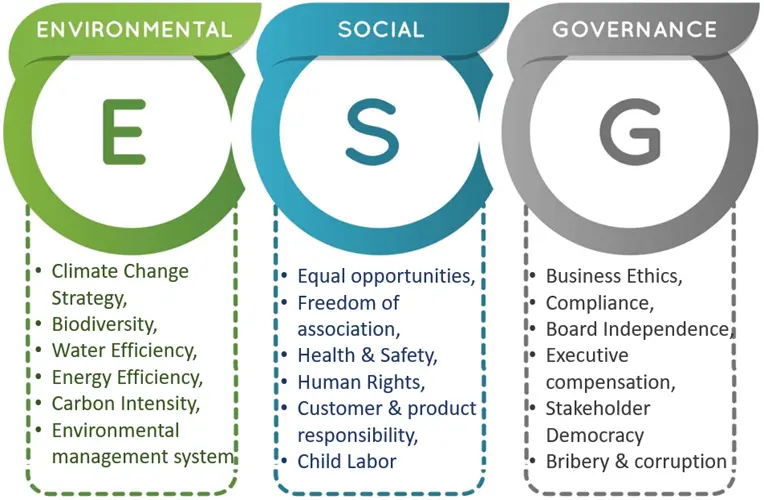
As international buyers increasingly purchase from companies that demonstrate responsible practices—especially in capital-intensive industries like mining—Zimbabwean miners have been urged to urgently commit to sustainable mining practices through the adoption of ESG principles.

By Ryan Chigoche

This issue dominated discussions at the recently concluded Swedish-Zimbabwe Sustainable Mining Expo, where delegates deliberated on how they can collaborate to grow Zimbabwe’s mining sector sustainably.

This development comes as the mining industry faces a crucial moment, with international mineral buyers and companies opting to engage only with miners who incorporate environmental, social, and governance (ESG) reporting principles into their operations.

This shift in buyer preferences is placing increasing pressure on Zimbabwe’s mining sector to elevate its sustainability practices.

The country’s record in sustainable mining and social protections remains poor, a situation experts warn could threaten investments in capital-intensive sectors like mining.

Speaking at a panel discussion at the Swedish-Zimbabwean Sustainability in Mining Expo in Harare, Axcentium Zimbabwe Managing Partner Charity Mtwazi emphasized the urgent need for miners to adopt ESG principles.

“Globally, there is a drive to buy from sustainable operations. We have observed that this trend is also emerging in agriculture, where businesses prefer to engage with sustainable operations. They seek assurance of longevity in these operations.

“Buyers want to see responsible mining practices. This trend opens up more markets for companies, prompting them to consider which markets they want to access and the specific restrictions, laws, and regulations in those areas,” she explained.

This shift towards sustainability is also being driven by a growing demand for traceability. Companies are now carefully tracking the sourcing of minerals to ensure they are mined sustainably, engaging only with mining firms that meet rigorous ESG standards. Firms that fail to meet these requirements risk exclusion from global supply chains.

She further pointed out that businesses that prioritize sustainability not only attract conscientious clientele but also gain access to financial incentives.

“The availability of green finance globally is substantial, and businesses are increasingly evaluating their operations to determine if they meet sustainability criteria. This financing often comes at very low costs. Mining operations that embrace sustainability are witnessing a reduction in operational costs, which positively impacts their bottom line,” she added.

One of the most significant shifts in the industry is the growing emphasis on traceability. Companies are now meticulously tracking the sourcing of minerals to ensure they are mined sustainably.

This move is being driven by regulatory bodies, ethical consumerism, and international market demands. Miners are increasingly engaging only with firms that adhere to strict ESG guidelines. Those that fail to meet these requirements risk being excluded from global supply chains.

In addition to improving traceability, mining companies are adopting cleaner technologies and energy-efficient processes to reduce their environmental impact.

From rehabilitating mining sites to implementing stricter waste management protocols, firms are being held accountable for their environmental footprint. The push toward carbon-neutral mining operations is gaining traction, with many companies investing in renewable energy sources to power their operations.

Mtwazi noted, “The reality is that sustainable operations consider how mining and ore extraction are conducted, including power utilization, which has a direct impact on profitability.”

Beyond environmental concerns, social and governance factors are also playing an increasingly important role in ESG compliance. Companies are expected to engage with local communities and ensure that mining activities provide economic benefits rather than disrupt livelihoods.

Transparency in business practices, ethical labor standards, and community development initiatives are now essential for companies looking to secure international partnerships.

With growing scrutiny from investors, regulators, and consumers, ESG compliance is no longer optional but a necessity for mining companies.

As traceability standards tighten and sustainable sourcing becomes a prerequisite for trade, mining firms must proactively integrate ESG principles into their operations. Those who embrace this shift stand to gain a competitive advantage in an industry where sustainability is becoming the defining factor for long-term success.

Implats Production Declines 4% Due to Zimplats Smelter Commissioning

0

Impala Platinum (Implats), one of the world’s leading platinum producers, reported a 4% production decline for the first half of the 2025 financial year, primarily due to operational disruptions at its Zimbabwean subsidiary, Zimplats. These disruptions were caused by the commissioning of a new smelter, which led to a lockup of ounces during the ramp-up phase, company CEO Nico Muller said.

By Rudairo Mapuranga

Despite the production setback, Implats’ 6E sales volumes increased by 5% during the period, offsetting some of the impact of the production lockup.

“We’ve had a 4% decline in ounces produced due to the lockup at Zimplats, but our saleable ounces have increased by 5%,” Muller said. However, the overall basket price for platinum group metals (PGMs) dropped by 8% to 23,831 Rand per ounce, contributing to a notable dip in revenue.

Zimplats Solar Expansion and Phase Two Approval

Muller highlighted significant progress at Zimplats, including the completion of the first phase of a solar project, which will help the company manage its energy requirements more sustainably.

“We concluded the phase one solar installation at Zimplats, and the board has approved the second phase for an additional 45 megawatts,” said Muller. He also pointed out that an off-take agreement for renewable energy has been secured, covering 90% of electricity demand at Implats’ refineries, demonstrating the company’s commitment to reducing its carbon footprint.

Environmental and Safety Achievements

Implats has made remarkable strides in environmental sustainability and safety performance. Chief Operating Officer Patrick Morutlwa shared that the company achieved a water recycling rate of 58%, surpassing its target of 56%, and has celebrated over 10 years without any level four or five environmental incidents. “This is a testament to our robust environmental programs,” Morutlwa said.

On the safety front, Implats reported significant improvements in both the lost-time injury frequency rate (LTIFR) and the total injury frequency rate (TIFR), which improved by 29% and 22%, respectively. However, the company also acknowledged that despite these improvements, there were still five fatalities during the period. “It is our aspiration to continue focusing on the journey towards zero harm,” Muller said.

Strong Performance from Joint Ventures

While Zimplats faced challenges due to the smelter commissioning, Implats’ other operations performed strongly. Morutlwa pointed out that the Rustenburg operations achieved a six-year high in output, and joint ventures like Mimosa in Zimbabwe and Two Rivers in South Africa contributed significantly to overall production.

“We’ve seen good performance from our joint ventures, including Mimosa and Two Rivers, and a 5% improvement in ounces from Styldrift,” he added.

Financial Performance and Outlook

Implats Chief Financial Officer Meroonisha Kerber noted that despite the lower Rand basket price impacting revenue, the company’s balance sheet remains robust. Implats ended the period with net cash of R6.7 billion and gross cash (net of overdrafts) of R9.6 billion. Additionally, the company has revolving credit facilities of just over R8 billion, which remain undrawn, providing liquidity of nearly R18 billion.

Looking ahead, Muller expressed confidence in the company’s ability to meet its market guidance for the year.

“We are in a strong position and can be assured that we will meet the guidance given at the beginning of the financial year. We are focused on processing the locked-up ounces at Zimplats and continuing with disciplined capital investment,” he said.

Gold buying prices per gram in Zimbabwe today 25 March 2025

Gold buying prices per gram in Zimbabwe today 25 March 2025, from the official gold buyer and exporter Fidelity Gold Refinery (FGR).

SG 90% and ABOVE US$91.38/g
SG ABOVE 89% BUT BELOW 90% US$90.41/g
SG ABOVE 80% BUT BELOW 85% US$89.44/g
SG ABOVE 75% BUT BELOW 80% US$88.48/g
SAMPLE BELOW 10g BUT ABOVE 5g US$87.03/g

Fire Assay CASH $91.86/g

NB: Fire Assay cash price is for gold above 100gs; no sample is deducted.
For the Fire Assay Transfer price, a sample of not more than 10g is deducted
A 2% royalty is charged on all deposits (Small-scale miners)
A 5% royalty is set for Primary Producers

Anglo American Platinum, Hosts Capital Markets Day

0

Anglo American Platinum (Amplats), the parent company of Zimbabwe’s third-largest platinum group metals (PGMs) producer, Unki Mine, hosted its Capital Markets Day yesterday, reaffirming the company’s strategic priorities and value-creation pathways.

By Rudairo Mapuranga

The event, held in anticipation of the company’s proposed demerger from Anglo American Plc, highlighted Anglo American Platinum’s focus on maintaining its leadership in the PGMs sector while delivering sustainable shareholder returns.

With the demerger expected to be finalized by June 2025, Anglo American Platinum used Capital Markets Day to communicate its vision and the strength of its portfolio. The company emphasized its world-class mineral resource endowment and its position at the forefront of the cost curve, giving it a competitive edge in metal processing and refining across the PGM value chain.

Anglo American Platinum’s management reiterated their strong confidence in the medium- and long-term fundamentals of PGM supply and demand. The company’s portfolio of managed mining assets, including Unki Mine in Zimbabwe, is well-positioned to navigate different market conditions, ensuring resilient performance.

The demerger marks a pivotal moment for Anglo American Platinum as it embarks on a journey as a standalone entity, with expectations of delivering robust growth and capital returns. The company has a disciplined approach to capital allocation and a proven track record of delivering consistent shareholder value throughout market cycles. Its strategic focus on value creation through innovation and operational efficiency remains a cornerstone of its success.

Unki Mine, one of the key operations in Anglo American Platinum’s portfolio, has contributed significantly to the company’s overall performance. Located in Zimbabwe, Unki has been instrumental in solidifying the company’s position as a leader in the PGM sector.

As Anglo American Platinum prepares to operate independently, investors and stakeholders can expect the company to continue its focus on operational excellence, sustainability, and long-term value creation for shareholders, cementing its status as a global leader in the platinum industry.