Home Blog Page 121

Zimbabwe to Participate in International Mine Rescue Competitions After 30 Years

0

Zimbabwe is set to make its long-awaited return to the International Mine Rescue Competitions, marking a significant milestone for the country’s mining sector after a 30-year hiatus, Mining Zimbabwe can report.

By Rudairo Mapuranga

Zimbabwe will once again compete on the global stage, having last participated in Zambia in 1994. The Mine Rescue Association of Zimbabwe (MRAZ) has confirmed that the country will be sending a representative team to the upcoming competition, which is fittingly being held in Zambia, a nation with close mining ties to Zimbabwe.

Charles Ganduri, the MRAZ national coordinator, emphasized the importance of Zimbabwe’s return to the international mine rescue arena during the recent national competitions. “We are now going to be participating in the international competitions, and this year we are privileged that the competitions are being hosted by Zambia, which is just our neighbour,” said Ganduri. The event will highlight Zimbabwe’s renewed commitment to mine safety and rescue operations.

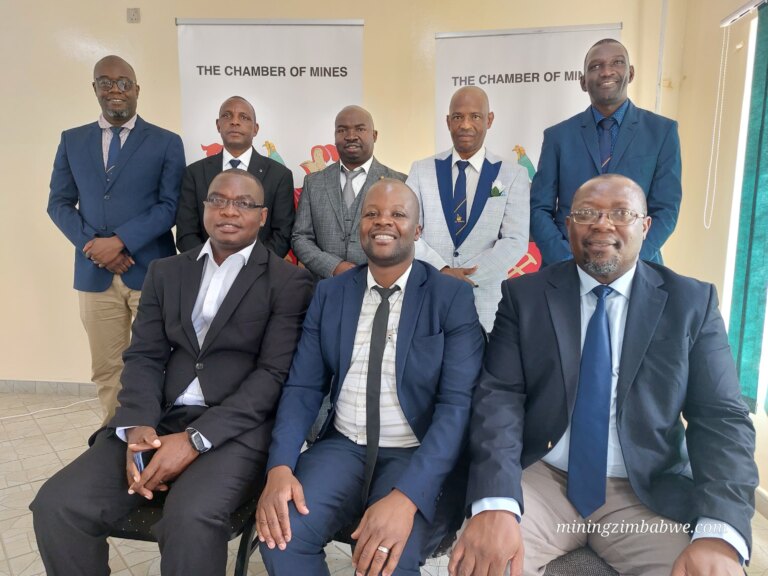
The Chamber of Mines of Zimbabwe is working tirelessly to finalize the team that will represent the nation, ensuring that Zimbabwe can stand shoulder-to-shoulder with leading mine rescue teams from around the world. Ganduri further mentioned that the official announcement of Zimbabwe’s representative team will be made during the Annual General Meeting (AGM), scheduled for March 20, 2025.

Zimbabwe’s last foray into the international competition was in 1994, when Rio Tinto’s Renco Proto Team proudly represented the nation at the Konkola Copper Mine in Zambia. The team had earned their spot after emerging victorious in Zimbabwe’s national mine rescue competition earlier that year. The 1994 event remains a significant moment in the history of Zimbabwean mining, and the upcoming competition will mark the first time since then that the nation returns to the international mine rescue scene.

A historical article from Rio Tinto titled “Renco Proto Team Flies the Flag for Zimbabwe” highlights the accomplishments of the Renco Proto Team during the 1994 competition. The team, led by George Chihota (team manager) and supported by members Kevin Saba and David Madera, faced rigorous challenges during the event. These challenges included navigating broken terrain, driving, and repairing water pipelines underground at Konkola Copper Mine.

The Renco team had to make special preparations, particularly to handle deep water challenges. They competed in categories such as navigation, speed, team discipline, and operational procedures. According to Tim Cotton, the team’s quartermaster, they even packed their “swimming trunks,” anticipating the tough water-related tasks they would face during the competition.

After completing the gruelling challenges, the Renco team and their Zambian hosts celebrated at the Konkola Club, where individuals from both Renco and Konkola management were present. Among those mentioned were John Nixon, Killion Ukama, and Admore Matika, all of whom played pivotal roles in supporting the team.

The 1994 event not only demonstrated the capabilities of Zimbabwe’s mine rescue teams but also fostered a sense of camaraderie and regional cooperation between Zambia and Zimbabwe, two nations with deep mining traditions.

As Zimbabwe gears up for its return to the international mine rescue scene, the country’s mining community is filled with excitement and anticipation. The upcoming competition provides Zimbabwe with an invaluable opportunity to showcase the progress it has made in mine rescue technology, training, and strategy over the past three decades.

In addition, the competition offers a platform for Zimbabwe’s teams to exchange knowledge and experiences with their international counterparts, further improving the nation’s preparedness in handling mining-related emergencies.

As the country prepares to participate in the international mine rescue competitions in 2025, Zimbabwe’s mining sector is reminded of the long-standing tradition of excellence exemplified by the Renco Proto Team in 1994. There is a growing sense of pride as the nation readies itself to compete and, once again, fly the flag for Zimbabwe on the world stage.

Mount Darwin Man Fined for Illegal Riverbed Mining Amidst Government Crackdown

0

As Zimbabwe tightens its grip on illegal mining activities, a 38-year-old man, Simbarashe Chayambuka, from Mount Darwin, has been fined for engaging in riverbed mining, Mining Zimbabwe can report.

By Rudairo Mapuranga

Caught extracting minerals along the Fuse River, Chayambuka’s case reflects the broader challenges Zimbabwe faces in curbing environmental degradation caused by unauthorized mining.

Security guards from Ruia Mine apprehended Chayambuka on March 4, 2025, as he attempted to extract minerals using rudimentary tools. He was handed over to the CID Minerals, Flora, and Fauna Unit (MFFU) in Mount Darwin, where he pleaded guilty and was sentenced to a US$200 fine, failing which he would face 60 days of imprisonment.

This incident comes at a time when the Zimbabwean government is clamping down on illegal mining activities. The consequences of riverbed mining have far-reaching environmental impacts, and as Chayambuka’s case shows, authorities are no longer turning a blind eye.

The Zimbabwean government has taken a decisive step by banning all mining and desiltation activities in riverbeds with immediate effect. The move follows increasing concerns over the environmental devastation caused by such practices, including pollution, severe siltation, and the degradation of critical water sources.

During a Cabinet briefing on Tuesday, Hon. Jenfan Muswere, the Minister of Information, revealed that large-scale mechanical alluvial mining was responsible for much of the destruction seen in Zimbabwe’s rivers. These mining practices, which have persisted since 2011, have not only disrupted riverine ecosystems but also threatened the nation’s dwindling water resources.

Minister Muswere emphasized, “The destruction of rivers through alluvial mining has resulted in severe environmental consequences, from water pollution to the disruption of ecosystems. The damage has far outweighed any potential benefits.”

The Cabinet acknowledged that rivers such as Nyagadzi, Mazowe, and Insiza have been severely affected, further threatening the country’s water supply. With Bulawayo’s Umzingwane Dam currently sitting at a dangerously low two percent capacity, the urgency of this ban cannot be understated. Illegal mining around water sources is not only contributing to the siltation of dams but also contaminating water supplies—a situation the nation can no longer afford.

The ban on riverbed mining is part of a broader government effort to address the environmental impact of extractive activities in Zimbabwe. The situation in Mount Darwin is just one example of the localized harm caused by individuals seeking short-term gains at the expense of long-term sustainability.

The Zimbabwean government’s commitment to enforcing the law and protecting natural ecosystems is clear, as seen in Chayambuka’s arrest. The fines and penalties serve as a deterrent, but more importantly, they reflect a wider recognition that without immediate action, the country’s critical resources, especially its water systems, may suffer irreversible damage.

As Zimbabwe battles the effects of climate change, illegal mining, and growing water scarcity, the government’s efforts to regulate mining practices and prioritize environmental protection have never been more critical. Chayambuka’s case serves as a warning to others, as the crackdown on illegal mining intensifies, reinforcing the message that the days of impunity for riverbed mining are over.

Zimbabwe International Coking Corporation Invests Over US$20 Million in New Coke Oven Battery

0

Zimbabwe International Coking Corporation is driving the country’s value-addition efforts with a significant investment of over US$20 million in the construction of a cutting-edge coke oven battery in Hwange, Matabeleland North, Mining Zimbabwe can report.

By Rudairo Mapuranga

The ambitious project, set to be completed by December 2025, marks a major step forward in the nation’s push for industrial growth and mineral beneficiation.

The facility, designed to enhance the country’s coke production capacity, will consist of two advanced plants capable of producing a combined 100,000 tonnes of coke per month. Each plant has an installed capacity of 50,000 tonnes, positioning Zimbabwe International Coking Corporation as a key player in the region’s metallurgical and steel production sectors.

During a tour of the construction site, Zimbabwe International Coking Corporation’s General Manager, Mr Deng Yao Lu, expressed confidence in the project’s progress, stating that the plant is well on track for its scheduled commissioning.

“Our target is to have the plant fully operational by December 2025. The raw material, coal, will be sourced from local producers, which provides a significant market for them. This project is not just about us—it’s about supporting the broader economy,” he said.

The company is primarily targeting the export market, with South Africa already placing substantial orders for Coke. This has fueled the investment, as the region’s growing demand for high-quality Coke creates a ripe opportunity for expansion.

“We have already secured major orders from South Africa and anticipate even more demand once we’re fully operational. At full capacity, we expect to employ over 100 people, including locals, contributing to the local economy,” Deng added.

Beyond coke production, the facility will generate valuable by-products from the coking process, such as coal tar, ammonia, and crude benzol. These materials can be further refined into critical industrial chemicals like benzene, toluene, and xylene, contributing to the country’s goal of developing a more diversified and self-sustaining chemical industry.

Zimbabwe’s policies under the Second Republic have been a driving force behind the attraction of foreign direct investment, with Zimbabwe International Coking Corporation’s project standing as a testament to the favourable business environment. The company’s investment underscores the country’s growing reputation as a destination for industrial development and promises to be a cornerstone of Zimbabwe’s mineral value-addition initiatives.

Unki Maintains IRMA 75 as Mogalakwena Mine Achieves IRMA 50 on Responsible Mining Standard

0

Zimbabwe’s third-largest Platinum Group Metal (PGM) producer, Unki Mine, has successfully maintained its Initiative for Responsible Mining Assurance (IRMA) 75 rating following a rigorous surveillance audit conducted in 2024, Anglo American Platinum (Amplats) has announced.

By Rudairo Mapuranga

Unki Mine first achieved this prestigious rating in 2021, becoming the first mine in the world to publicly commit to an independent audit against the IRMA Standard for Responsible Mining. The mine’s sustained performance demonstrates its ongoing commitment to ethical and responsible mining practices, which are increasingly becoming a critical benchmark for global operations.

In the same announcement, Amplats revealed that its flagship South African operation, Mogalakwena Mine, has been assessed for the first time against the IRMA Standard for Responsible Mining, attaining an IRMA 50 certification. This achievement is particularly significant as it reflects Amplats’ dedication to responsible mining practices across its entire portfolio. Mogalakwena is the last of Amplats’ four wholly owned PGM mines to undergo an IRMA audit, following Mototolo and Amandelbult Mines, which were audited earlier in 2024 and achieved IRMA 75 and IRMA 50, respectively. This milestone brings the company closer to its target of having all its mines certified by 2025, in line with its sustainability and transparency goals.

Speaking on the achievement, Anglo American Platinum CEO Craig Miller said, “As a leading adopter of the Initiative for Responsible Mining Assurance (IRMA), we recognize that stakeholders, including our shareholders and customers, need to trust where and how our metals are mined. With this latest IRMA accreditation for Mogalakwena, we have achieved our target of having all our mines assured by 2025. We are immensely proud of the work the teams are doing across all of our operations to support responsible mining, enabling us to demonstrate an ethical value chain for our metals, and we look forward to continuing to lead the way in the PGMs sector globally.”

Amplats has long recognized the growing importance of responsible mining, not only in the context of environmental stewardship but also in terms of social responsibility. The IRMA Standard for Responsible Mining is widely considered one of the most comprehensive and stringent mining standards globally, addressing critical areas such as environmental performance, human rights, community engagement, and occupational health and safety. For mines like Unki and Mogalakwena, achieving and maintaining IRMA certification requires substantial effort and dedication to meet the high thresholds set by the standard.

The IRMA Standard for Responsible Mining was developed over a decade of consultation with more than 100 individuals and organizations, including mining companies, labor unions, environmental groups, communities affected by mining, and companies that purchase mined materials. The result is one of the most rigorous third-party verification processes in the mining industry, designed to offer independent, transparent assessments of mining operations worldwide.

The scoring system of IRMA recognizes four levels of performance: IRMA Transparency, IRMA 50, IRMA 75, and IRMA 100. Mines achieving IRMA Transparency undergo a third-party assessment and publicly share their scores. To achieve IRMA 50, as Mogalakwena has done, a mine must meet a core set of critical requirements and at least 50% of the criteria in each of the four principles of responsible mining. Unki’s IRMA 75 status signifies that it meets 75% of these criteria, placing it among the highest-scoring mines globally. These audits are conducted regularly to ensure continuous improvement and compliance with evolving industry standards.

Aimee Boulanger, Executive Director of IRMA, highlighted the importance of these independent audits, stating, “Through detailed IRMA audit reports, mining companies, communities, and companies that purchase mined materials can gain the information they need to decide what’s going well and what may require more attention at specific mines. Mogalakwena’s report demonstrates that the mine can point to transparent, independent evaluations of their environmental and social performance, along with the other three Anglo-American Platinum mines in South Africa and Zimbabwe.”

Amplats has positioned itself as a leader in responsible PGM production, with sustainability initiatives that extend across all its operations. The company’s sustainability strategy focuses on responsible resource extraction, environmental conservation, and fostering positive socio-economic impacts in the communities where it operates. In the case of Unki Mine, the IRMA 75 rating reflects the mine’s efforts to minimize environmental harm, manage water resources responsibly, and ensure that the social and economic benefits of mining are shared with local communities.

Mogalakwena, the world’s largest open-pit platinum mine, plays a central role in Amplats’ portfolio. Its IRMA 50 rating, while a significant achievement, signals that there is still room for improvement. The mine’s operations have faced scrutiny in the past for issues related to water management, community relations, and biodiversity conservation, areas where the IRMA audit process will likely drive future enhancements.

Amplats aims to have all its mines operating under IRMA’s rigorous standards, underscoring its commitment to transparency and ethical mining. This approach positions the company as a responsible leader in the mining sector and aligns with the growing demand from investors, customers, and regulators for companies to demonstrate sustainable practices across their supply chains.

Gold buying prices per gram in Zimbabwe 21 March 2025

Gold buying prices per gram in Zimbabwe today 21 March 2025, from the official gold buyer and exporter Fidelity Gold Refinery (FGR).

SG 90% and ABOVE US$92.30g
SG ABOVE 89% BUT BELOW 90% US$91.32g
SG ABOVE 80% BUT BELOW 85% US$90.35/g
SG ABOVE 75% BUT BELOW 80% US$89.37/g
SAMPLE BELOW 10g BUT ABOVE 5g US$87.91/g

Fire Assay CASH $92.79/g

NB: Fire Assay cash price is for gold above 100gs; no sample is deducted.
For the Fire Assay Transfer price, a sample of not more than 10g is deducted
A 2% royalty is charged on all deposits (Small-scale miners)
A 5% royalty is set for Primary Producers

Gold buying prices per gram in Zimbabwe 20 March 2025

Gold buying prices per gram in Zimbabwe today 20 March 2025, from the official gold buyer and exporter Fidelity Gold Refinery (FGR).

SG 90% and ABOVE US$91.98/g

SG ABOVE 89% BUT BELOW 90% US$91.01/g

SG ABOVE 80% BUT BELOW 85% US$90.03/g

SG ABOVE 75% BUT BELOW 80% US$89.06/g

SAMPLE BELOW 10g BUT ABOVE 5g US$87.60/g

Fire Assay CASH $92.47/g


NB: Fire Assay cash price is for gold above 100gs; no sample is deducted.

For the Fire Assay Transfer price, a sample of not more than 10g is deducted

A 2% royalty is charged on all deposits (Small-scale miners)

A 5% royalty is set for Primary Producers

Its a lie! Zimasco Denies Corporate Rescue Claims, Affirms Financial Stability and Expansion Plans

0

One of Zimbabwe’s leading chrome and ferrochrome producers, Zimasco (Pvt) Ltd, has strongly refuted recent media reports suggesting the company is under corporate rescue, assuring that it remains financially sound and fully committed to its ongoing expansion efforts, Mining Zimbabwe can report.

By Rudairo Mapuranga

The clarification comes after a report indicated that an entity named Sinosteel Zimasco (Pvt) Ltd had been placed under corporate rescue following a High Court order obtained by Avim Investments (Pvt) Ltd. However, Zimasco was quick to distance itself from the claims, emphasizing that there is no affiliation between the two companies.

“Zimasco (Pvt) Ltd is not associated in any way with Sinosteel Zimasco (Pvt) Ltd, if such a company even exists,” the statement from Zimasco read, firmly dismissing the notion of its involvement in corporate rescue proceedings.

The company further stressed that it holds no financial commitments or business ties with Avim Investments, seeking to reassure its stakeholders of its stable financial footing. Zimasco confirmed that its operations continue without disruption, maintaining robust ferrochrome production while simultaneously advancing new projects aimed at broadening its business portfolio.

Zimasco remains a critical player in Zimbabwe’s industrial sector and underscored its dedication to both its economic contributions and responsible corporate governance.

“As one of the key drivers of Zimbabwe’s economy, Zimasco (Pvt) Ltd stands by its role as a responsible corporate entity and will continue its efforts to support the nation’s economic development,” the company stated.

In reaffirming its financial health and operational strength, Zimasco also highlighted its focus on long-term growth and diversification, signalling that the company is actively working on future projects designed to enhance its market position and ensure continued success.

Gold buying prices per gram in Zimbabwe 19 March 2025

Gold buying prices per gram in Zimbabwe today 19 March 2025, from the official gold buyer and exporter Fidelity Gold Refinery (FGR).

SG 90% and ABOVE US$91.93g
SG ABOVE 89% BUT BELOW 90% US$90.95g
SG ABOVE 80% BUT BELOW 85% US$89.98/g
SG ABOVE 75% BUT BELOW 80% US$89.01/g
SAMPLE BELOW 10g BUT ABOVE 5g US$87.55/g

Fire Assay CASH $92.41/g

NB: Fire Assay cash price is for gold above 100gs; no sample is deducted.
For the Fire Assay Transfer price, a sample of not more than 10g is deducted
A 2% royalty is charged on all deposits (Small-scale miners)
A 5% royalty is set for Primary Producers

30 years in prison for Mabhemba (Machete) gang

0

The High Court of Zimbabwe has sentenced a gang of ten machete-wielding criminals to 30 years in prison for the brutal murder of artisanal miner Kudakwashe Mapisa at Redwing Mine in Penhalonga on Christmas Day in 2023, Mining Zimbabwe can report.

By Rudairo Mapuranga

According to the National Prosecuting Authority of Zimbabwe (NPAZ), Nyasha Moyana, the leader of the gang, and nine others were convicted after being found guilty of assaulting Mapisa with a machete, resulting in his death.

The heinous crime occurred during a robbery targeting artisanal and small-scale miners (ASM), a group increasingly attacked by violent gangs seeking to steal gold and gold ore from their operations. The gang, armed with machetes, mattocks, and knives, arrived at Redwing Mine in the early hours of the morning. At around 3 a.m., they held Mapisa and his colleagues hostage, threatening them with their weapons while forcing them to hand over valuable gold ore and other personal possessions.

Reports reveal that the gang ordered the miners to haul sacks of ore to the surface after robbing them of their gold. The situation escalated when the gang further assaulted Mapisa, delivering a fatal blow to his head with a machete before shoving him into a mine shaft. His remains were retrieved later that day.

The gang’s capture and subsequent conviction mark a significant moment in the fight against violent crimes plaguing the artisanal mining sector. Artisanal miners, who often operate without proper security, have been subjected to numerous attacks in recent years by organized machete-wielding gangs known as “Mashurugwi” or “machete gangs.” These criminals frequently invade mining sites, stealing gold and gold ore, leaving many artisanal miners in fear for their safety.

The Zimbabwean government has been working to address the growing violence within the ASM sector, with the National Prosecuting Authority of Zimbabwe (NPAZ) emphasizing its commitment to bringing perpetrators of violent crimes to justice. The sentencing of Moyana and his gang serves as a stern warning to others involved in similar activities.

As part of Zimbabwe’s broader campaign to tackle crime and corruption, authorities have called for increased security measures in the gold mining sector, particularly for artisanal miners who have become prime targets for criminal gangs. Efforts are being made to implement stricter regulations and bolster law enforcement to protect both miners and the country’s valuable resources.

The brutal nature of the attack has shocked the community, with calls for even tougher penalties and improved protection for artisanal miners. The #NoToMurder and #NoToViolentCrimes campaigns continue to gain momentum as the government works to ensure that violent crimes against miners are eradicated.

This incident highlights the dangers faced by artisanal miners across Zimbabwe, underscoring the need for both local and national authorities to enhance their response to the ongoing threat posed by machete-wielding gangs in mining areas.

Kwekwe Man Sentenced to Two Years in Prison for Illegal Gold Mining

0

A 20-year-old Kwekwe man, Casten Zeve, has been sentenced to two years in prison for illegally prospecting for gold without a license. The sentencing follows a raid conducted by local law enforcement officers after a tip-off about illegal mining activities near the Ministry of Public Works yard in Newtown, Kwekwe.

By Rudairo Mapuranga

On March 10, 2025, Detective Sergeant Nemashakwe and Detective Constable Matare led an operation to shut down the illegal mining site. Upon arrival, they found Casten Zeve and four accomplices digging and loading gold ore into sacks using shovels. When the group noticed the detectives, Zeve’s accomplices fled into a nearby thicket, evading arrest.

Despite their attempts to escape, the detectives managed to apprehend Zeve and recover two sacks of gold ore from the scene. Subsequent tests confirmed that the ore contained gold.

Authorities reiterated their commitment to cracking down on illegal mining operations in the country, which they say contribute to environmental degradation and economic instability. Illegal gold mining has posed ongoing challenges in Zimbabwe, where unregulated operations damage ecosystems and often lead to unrehabilitated mining sites.

The National Prosecuting Authority emphasized the importance of responsible mining practices, warning that strict penalties will continue to be enforced to curb such unlawful activities. With this sentencing, the government sends a strong message to those involved in illegal mining operations that the law will hold them accountable.

The case also highlights Zimbabwe’s ongoing efforts to protect its environment and resources under the banner of campaigns such as #ProtectOurFaunaAndFlora, which aim to safeguard the country’s natural heritage.

This conviction forms part of the broader government strategy to combat illegal mining and preserve the country’s rich mineral resources for future generations.