Home Blog Page 122

Kavango Resources Makes Major Gold Discovery at Hillside Project

0

Kavango Resources, a London Stock Exchange-listed metals exploration company, has reported a significant underground discovery at its Hillside Project in Matabeleland, Zimbabwe—a breakthrough that could reshape the project’s future.

By Ryan Chigoche

During restoration work at the historic Main Shaft, the company uncovered a previously inaccessible reef, rich in quartz and sulphide-bearing veins. This discovery marks a pivotal moment for the company, unlocking considerable exploration potential.

The Hillside Project spans 44 gold claims covering 503 hectares and is one of three mining operations that Kavango runs in Zimbabwe. The findings at Prospect 1, previously overlooked, are especially crucial as they may play a significant role in the company’s near-term production strategy.

In addition to Prospect 1, the company is advancing Prospects 3 and 4 as part of its broader pipeline. The restoration work at the Main Shaft revealed strong lateral and vertical continuity of the gold-bearing reefs, suggesting even greater potential for future mining.

Recent mapping and sampling during the rehabilitation of both the Main and West Shafts have confirmed that mineralization extends deeper, with grades increasing with depth. This discovery significantly enhances Kavango’s production prospects and its position in the market.

The timing of this find is especially noteworthy, coinciding with a historic surge in gold prices. With gold surpassing US$3,000 per ounce—its highest point ever—economic uncertainty has driven heightened demand for gold as a safe-haven asset. This surge could boost Kavango’s market position and production capacity in the coming months.

In light of these developments, Ben Turney, Chief Executive of Kavango Resources, emphasized the strategic importance of the discovery, particularly with the soaring gold market:

“We are extremely pleased with the latest results from Prospect 1. The new reefs identified add to the growing number of opportunities for near-term, significant gold production at Hillside. With gold now trading at record highs over US$3,000, the timing of work to define resources at Prospect 3 and Prospect 4 is ideal. Up to now, it appears a previous owner of Hillside’s efforts to protect the future mining potential at Prospect 1 hid the true potential of the historic mine and, with it, the opportunity for much greater gold production. We look forward to bringing the drill rig back to Prospect 1 as soon as we can. The new reefs are open on strike, with grades appearing to increase with depth. After establishing the reefs’ extent, we hope to move into defining a resource we can bring into production as quickly as possible.”

Gold’s continued rise emphasizes its value as a reliable store of wealth during uncertain economic times. Gold prices have increased tenfold over the past 25 years, outpacing the S&P 500, which has only quadrupled in the same period. Historically, gold price spikes have coincided with global crises, such as surpassing US$1,000 after the global financial crisis, reaching US$2,000 during the COVID-19 pandemic, and now breaking US$3,000 amid ongoing trade tensions.

Capitalizing on this favourable market climate, Kavango has already advanced the Hillside Project. Earlier this month, the company completed its initial resource drilling program at Prospect 3, gathering crucial geological data and samples for assay, metallurgical, and geotechnical testing. These results will inform Kavango’s mining plans, helping to expedite production.

As Kavango strengthens its strategic position within Zimbabwe’s gold sector, it is fast-tracking its resource definition and moving toward production to capitalize on the current bullish gold market.

In December 2024, Kavango completed restoration work on the Main Shaft and West Shaft at Prospect 1, paving the way for gold mining to resume. During the restoration, the removal of historic waste material from the first two levels of the Main Shaft revealed a deeper third level, which Kavango believes was deliberately blocked by a previous owner to protect the underlying ore body from illegal mining and preserve it for future development.

Kavango’s contract mining team intersected a reef at the third level of the Main Shaft, which hosts quartz and sulphide-bearing veins. Recent mapping and sampling confirmed the continuity of these reefs, and channel sampling at Levels 2 and 3 showed increasing grades with depth, further validating the discovery’s potential.

To further explore this, Kavango plans a combination of surface and underground drilling to test the extent of the reefs. The goal is to establish Prospect 1 as a third area of near-term gold production at Hillside, alongside Prospects 3 and 4. If the results are promising, Kavango will move forward with drilling to define a resource suitable for larger-scale underground mining.

Kavango has already made significant infrastructure upgrades at Prospect 1. The company installed new equipment to increase the hoisting capacity of the Main Shaft, commissioned a five-stamp mill to boost milling capacity, and upgraded the static leach tank capacity, among other milestones. These improvements will enable increased production as the project advances.

Looking ahead, Kavango plans an infill drilling program between the West Shaft and Pump Shaft to confirm reef continuity and grade distribution. Additionally, a surface exploration program will test the full strike length of the Bills Luck Reef, helping to better understand the mineralization’s extent.

Kavango continues to explore gold deposits in Zimbabwe that can be quickly brought into production using modern mechanized mining techniques. In addition to Hillside, the company is advancing the Nara Project, located on the same greenstone belt, focusing on high-priority areas for near-term production.

Having acquired the Hillside Project in April 2024, Kavango is now advancing Prospects 3 and 4, which it hopes to bring into production within the next 18 months. At Prospect 3, Kavango is exploring selective open-pit mining, while at Prospect 4, the focus is on high-grade mechanized underground mining.

Bravura Initiates Skills Transfer, First to Build Houses for Workers at Kamativi

0

In a landmark development for Matabeleland North, Bravura Group, a pan-African mining giant, has made history by becoming the first company in the region to construct houses for its workers as part of the revival of Kamativi Tin Mine. In addition to creating jobs, the company has prioritized skills transfer by training unskilled local youth, demonstrating a strong commitment to both community upliftment and sustainable development in the region, Mining Zimbabwe can report.

By Rudairo Mapuranga

With the construction of a state-of-the-art lithium processing plant at Kamativi Mine, Bravura is set to produce 300,000 tonnes of spodumene concentrate annually from lithium tailings. This significant investment marks a key milestone for Zimbabwe’s mining sector under the Second Republic, adding to the economic potential of Matabeleland North and contributing to national development goals.

Bravura’s approach to the Kamativi project is holistic, focusing not only on mining but also on improving the living conditions of workers and the local community. The company recently handed over six newly constructed houses to the government as part of relocation plans necessitated by the expansion of the mine. The six houses—comprising four eight-roomed units and two nine-roomed units—replaced six homes demolished to pave the way for the lithium processing plant.

The new housing initiative sets Bravura apart from other investors who have operated in Matabeleland North in recent years. Unlike previous investors, particularly those of Asian origin, Bravura is the first to prioritize building housing for its workforce, a move widely commended by local authorities and community leaders.

“We are very happy about the houses. They are the first of their kind, and we suggested that they be partitioned to accommodate two families each, as they are quite large. We want other companies to take a leaf from Bravura,” said Minister of State for Provincial Affairs and Devolution in Matabeleland North, Hon. Richard Moyo, during the handover ceremony.

Bravura’s investment in Kamativi is expected to create 400 new jobs by the end of the year, providing a much-needed boost to a region that has been economically marginalized for years. Many of these jobs will go to local youth, who will receive on-the-job training as part of the company’s commitment to skills transfer. This approach will ensure that the benefits of the project extend beyond skilled professionals, empowering unskilled workers to develop valuable competencies in the mining industry.

“It’s quite significant that about 400 jobs will be created, and many of these positions will be for local youth who will be trained on-site. This project is giving opportunities to people who would otherwise be left out,” said Hon. Moyo.

Presidential Affairs and Devolution Permanent Secretary, Eng. Tafadzwa Muguti, echoed these sentiments, emphasizing the importance of training and development for the local workforce. “We encourage Bravura to continue on-the-job training for locals rather than relying solely on skilled workers. This will ensure that unskilled people, especially the youth, can benefit from this project,” he said.

Bravura’s Lithium Project Head, Dr. Tafadzwa Muridzi, highlighted the economic impact of the company’s investment, noting that the project will significantly contribute to Zimbabwe’s Gross Domestic Product (GDP) through increased lithium production. Dr. Muridzi also emphasized the importance of creating long-term value for the local community.

“This is a significant project for Zimbabwe because we will be contributing towards the total lithium processed in the country. In addition to adding value to the economy, we will be creating jobs and developing the community, which will have a lasting impact,” said Dr. Muridzi.

The company is also building a new campsite to house workers during the plant’s construction phase, with plans to eventually accommodate over 350 employees on-site. This initiative ensures that the workforce will be adequately housed, further demonstrating Bravura’s commitment to worker welfare and community development.

Bravura is one of two companies operating at the former Kamativi Tin Mine, alongside Kamativi Mining Company (KMC), a Chinese-owned firm that holds the rights to mine lithium in the area. While KMC focuses on direct lithium extraction, Bravura is tasked with processing the lithium tailings left behind by the former tin mine, a critical component of the country’s efforts to tap into its rich lithium reserves.

Eng. Muguti expressed his excitement over the involvement of an African company in the Kamativi project, emphasizing the importance of Bravura’s investment in uplifting the community. “For a Nigerian company to come into Kamativi and start uplifting this community is quite significant. We have mostly seen Asian and European investors, so it is refreshing to see an African brother leading this initiative,” he said.

The Kamativi project has garnered widespread attention for its potential to transform the region’s economy. As part of its broader strategy, Bravura has committed to ensuring sustainable development and maintaining a strong focus on corporate social responsibility.

In line with the government’s vision for a sustainable mining sector, Bravura has taken steps to ensure that its operations are environmentally responsible. The company has adopted eco-friendly practices that minimize the environmental impact of its lithium processing plant while actively working to rehabilitate the land around the former tin mine.

Minister Moyo commended Bravura for its commitment to sustainability, noting that the company’s investment aligns with President Mnangagwa’s vision of leveraging Africa’s natural resources for long-term development.

“Bravura’s investment is in sync with President Mnangagwa’s assertion that Africans must move beyond narratives of natural resources being a blessing or a curse. We must leverage our resources to build our continent, leaving no place and no one behind,” said Minister Moyo.

As the Kamativi project moves forward, Bravura’s focus on sustainability, job creation, and skills transfer positions the company as a leader in responsible mining practices in Zimbabwe. The company’s holistic approach to community development, infrastructure investment, and worker welfare is setting a new standard for mining operations in the region.

With the lithium processing plant set to begin operations by the end of 2025, Bravura’s impact on Kamativi is expected to be transformative. The project will not only revive the former tin mine but also pave the way for long-term economic growth and community development in Matabeleland North.

“We are proud of the progress being made at Kamativi and look forward to continued collaboration with Bravura to improve the lives of our people,” said Minister Moyo.

Zimbabwe Must Embrace Mining Tech Revolution, AEGT Warns

0

Zimbabwe must move quickly to adopt modern mining technologies or risk falling behind in the global minerals market, the African Extractivism & the Green Transition (AEGT) Zimbabwe has warned.

By Ryan Chigoche

The organization is calling for increased use of automation, artificial intelligence (AI), and advanced mineral processing techniques to boost efficiency and sustainability in the sector.

Speaking to Mining Zimbabwe, Lyman Mlambo, AEGT Zimbabwe’s Country Manager, highlighted the urgency of technological advancement.

“It is important for the mining industry to adopt new technologies throughout the whole value chain and move with the times to remain competitive. We need to invest in automation, AI, miniaturized end-user products, new recycling technologies, and the green transition to secure the future of the industry and the country. It is the responsibility of the mining industry, manufacturing industry, and government (as a facilitator through policy) to adopt these innovations,” he said.

Technological advancements have already transformed key aspects of the mining industry.

AI and automation have replaced many labour-intensive processes, making mining safer and more precise. Self-operating equipment reduces human error and cutting operational costs, while innovations in mineral processing allow companies to extract resources from previously inaccessible deposits.

Experts argue that if Zimbabwe does not keep pace with these changes, it risks losing its competitive edge.

Technology is also reshaping the demand for minerals. Recycling advancements are decreasing the reliance on newly mined materials, forcing mining companies to rethink their long-term production strategies.

Meanwhile, consumer electronics such as smartphones and computers are becoming smaller, requiring fewer raw materials.

The demand for certain minerals is shifting as well. Fossil fuels like hydrocarbons are seeing reduced use due to the push for cleaner energy, while minerals like lithium, essential for electric vehicles and renewable energy storage, are becoming more valuable. With its significant lithium reserves, Zimbabwe is well-positioned to benefit from this global shift if it takes the right steps.

AEGT Zimbabwe is calling for a collaborative approach between the mining sector, manufacturers, and government policymakers to drive technological adoption.

Industry leaders argue that stable policies and investment incentives are needed to encourage companies to modernize their operations. Without supportive regulations, Zimbabwe could struggle to compete with other mining economies that are rapidly integrating cutting-edge technologies.

CAFCA Reports Significant Growth in Aluminum Volumes Amid Copper Price Pressures

0

CAFCA Limited, listed on the Zimbabwe Stock Exchange, has reported a significant growth in its aluminium product volumes for the first quarter that ended 31 December 2024, as the company navigates the challenges posed by fluctuating copper prices.

By Ryan Chigoche

Despite a challenging global trading environment, the company achieved a 23% increase in overall volumes, with aluminium leading the charge, surging by 74% compared to the same period last year.

This strategic shift toward aluminium reflects CAFCA’s response to the pressures on its copper division, leveraging rising demand for aluminium to offset the volatility in copper prices.

Meanwhile, the copper division saw a 13% increase in volumes. However, this performance comes against the backdrop of rising global copper prices, which surged by approximately 18% in 2023–24.

This increase was driven by supply chain bottlenecks and growing demand from the green energy sector. While such price increases would typically benefit copper producers, they have presented a significant challenge for manufacturers like CAFCA, which rely heavily on copper for cable production. The volatility in copper prices has led to higher production costs, impacting profit margins in an already competitive market.

CAFCA’s ability to fully offset these rising costs through pricing adjustments has been hindered by informal competitors and counterfeit products flooding the retail space, further squeezing margins. To mitigate these cost pressures, the company has increasingly shifted its focus toward aluminium, a more affordable and lightweight alternative to copper. This strategic pivot is evident in CAFCA’s Q1 results, where aluminium volumes saw an impressive 74% growth, outpacing the 13% growth in copper cables.

In addition, CAFCA reported substantial growth in its utilities and commercial business, with volumes increasing by 187% and 83%, respectively, compared to the same period last year. These impressive gains have helped offset some of the challenges faced in other areas.

However, retail and distribution volumes declined by 25% in the first quarter, largely due to the constrained trading space influenced by the informal sector, which continues to impact the market. Additionally, exports dropped by 39% compared to the prior year, mainly due to foreign currency supply gaps in key export markets such as Malawi, Mozambique, and East Africa.

On the operational front, the company faced several disruptions, particularly in power supply, with outages and surges causing equipment breakdowns. Despite these setbacks, CAFCA managed to meet customer production requirements and continued to engage distributors to ensure high product availability on the shop floor.

The company’s adaptability and commitment to customer satisfaction remain central to its strategy, even as it works to address the ongoing challenges in its operational environment.

Despite these hurdles, CAFCA’s performance underscores its resilience in a challenging manufacturing environment. The strong performance in aluminum, combined with steady copper growth and notable improvements in its utilities and commercial business, positions CAFCA to continue navigating the complexities of the global market effectively.

Looking ahead, CAFCA’s focus on balancing copper and aluminium production while managing cost inflation, power supply issues, and supply chain pressures will be crucial. With continued operational efficiency and strategic adaptability, the company is well-placed to sustain its growth throughout 2024.

Mimosa Sees 5% Increase in 4E PGM Production for 2024

0

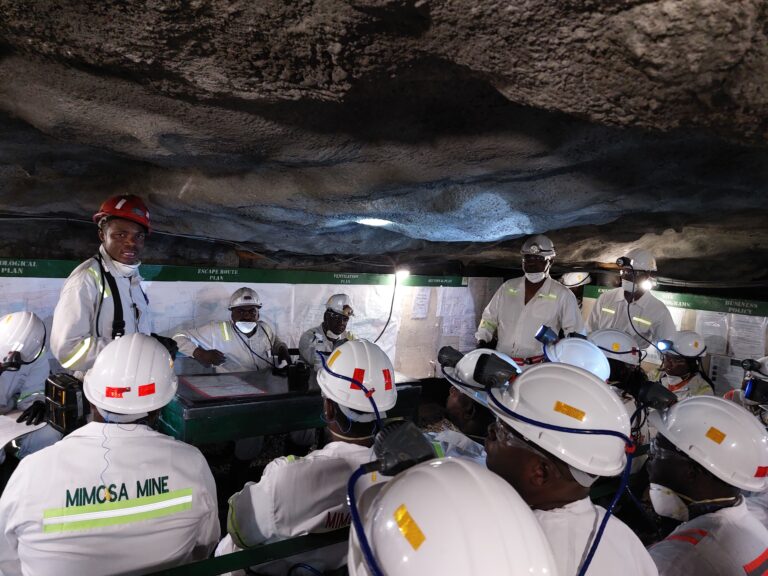
Zimbabwe’s second-biggest platinum group metals (PGM) producer, Mimosa, recorded a 5% year-on-year increase in its attributable 4E PGM production for the six months ending December 31, 2024, Mining Zimbabwe can report.

By Rudairo Mapuranga

The rise, which brought production to 122,639 4E ounces, is attributed to a 6% increase in tonnes milled and higher plant recoveries following significant optimization projects at the plant.

During the period, tonnes milled or treated at Mimosa reached 734 kilotonnes (KT), a slight dip from the 735 KT recorded for the six months ending June 30, 2024, but a notable improvement compared to the 712 KT milled in the same period of 2023. This consistent improvement in milling capacity can be largely attributed to the successful commissioning of a plant optimization project in 2023.

The plant head grade for the six months ending December 31, 2024, was 3.39 g/t, marginally higher than the 3.38 g/t and 3.37 g/t recorded for June 2024 and December 2023, respectively. These incremental increases in grade, coupled with optimized recovery processes, contributed to the enhanced production figures.

Plant recoveries stood at 76.25% for the six-month period ending December 31, 2024, compared to 77.19% for the six months ending June 2024 and 76.47% for the period ending December 2023. While there was a slight dip in recoveries, overall efficiency remains high, indicating steady operational effectiveness.

The yield for Mimosa remained stable at 2.58 g/t for the six months ending December 31, 2024, unchanged from December 2023 but slightly lower than the 2.61 g/t recorded for June 2024. Despite minor fluctuations, the yield remained strong, supporting the overall increase in production.

For the six months ending December 31, 2024, total PGM production was 60,971 4E ounces, a slight decrease from the 61,668 4E ounces produced in the six months ending June 2024. However, it marked an improvement compared to the 58,966 4E ounces produced in the corresponding period in 2023.

Mimosa reported a 48% decrease in sustaining capital expenditure to US$30 million (R548 million) for the six months ending December 2024. This sharp decline is linked to the completion of the new tailings storage facility (TSF), commissioned in April 2024. The decline in capital expenditure has had a positive impact on the operation’s All-in Sustaining Cost (AISC), which dropped by 13% to US$1,152/4Eoz (R21,103/4Eoz) for the period.

Mimosa sold 59,349 4E ounces during the six months ending December 2024, up from 58,146 ounces in June 2024 and 56,838 ounces in December 2023. This reflects a steady increase in marketable production, driven by improved plant performance and higher throughput.

The average PGM basket price realized during the period was R22,162 per 4E ounce, slightly down from R22,283 in June 2024 and significantly lower than R22,819 recorded in December 2023. In US dollar terms, the basket price averaged US$1,237/4Eoz for December 2024, up from US$1,190 in June 2024 but higher than US$1,226 in December 2023.

Mimosa’s strong performance in 2024, particularly the increase in production and cost savings achieved through reduced sustaining capital and operational costs, sets the operation on a strong footing for future growth. The commissioning of new infrastructure, coupled with efforts to optimize production and reduce costs, will likely result in further operational improvements in 2025 and beyond.

With continuous investments in technology, safety, and environmental sustainability, Mimosa is well-positioned to maintain its role as a key player in Zimbabwe’s PGM industry, contributing to the country’s mining sector growth and revenue generation.

Gold buying prices per gram in Zimbabwe 18 March 2025

0

Gold buying prices per gram in Zimbabwe today 18 March 2025, from the official gold buyer and exporter Fidelity Gold Refinery (FGR).

SG 90% and ABOVE US$91.04g
SG ABOVE 89% BUT BELOW 90% US$90.07g
SG ABOVE 80% BUT BELOW 85% US$89.11/g
SG ABOVE 75% BUT BELOW 80% US$88.15/g
SAMPLE BELOW 10g BUT ABOVE 5g US$86.70/g

Fire Assay CASH $91.52/g

NB: Fire Assay cash price is for gold above 100gs; no sample is deducted.
For the Fire Assay Transfer price, a sample of not more than 10g is deducted
A 2% royalty is charged on all deposits (Small-scale miners)
A 5% royalty is set for Primary Producers

Freda’s Gold Output Rises 14.3% in FY2025

0

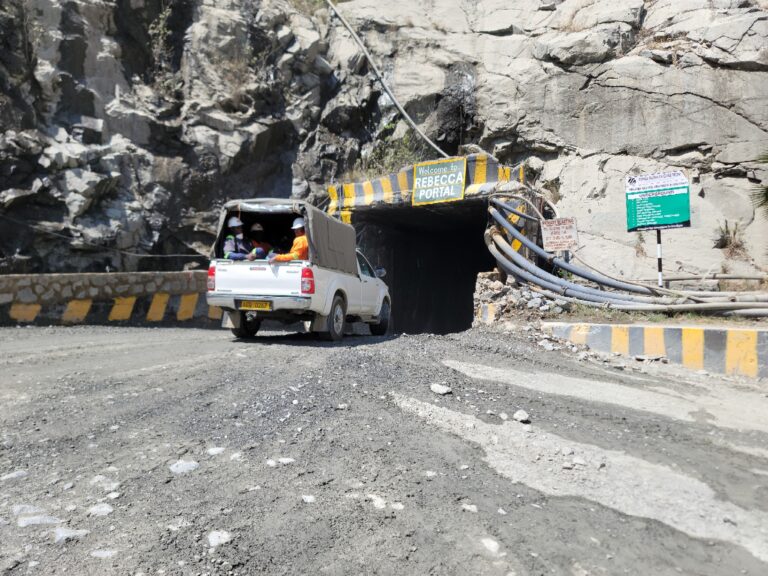
The country’s biggest gold producer, Freda Rebecca Gold Mine (FRGM), the leading producer in Kuvimba Mining House’s gold cluster, saw a 14.3% increase in gold production in FY2025 after experiencing a slight decline in the previous year. Contributing over 68% to Kuvimba’s total output, FRGM remains critical to the group’s overall success, Mining Zimbabwe can report.

By Rudairo Mapuranga

Freda Rebecca Gold Mine has consistently led the Kuvimba Gold Cluster, producing 2,280 kg of gold in FY2023, representing 69.1% of the cluster’s total output. In FY2024, production dipped slightly by 2.2% to 2,229 kg as the mine dealt with operational adjustments. However, in FY2025, the mine bounced back, producing 2,123 kg in the first 10 months, with projected annual output expected to reach 2,548 kg by year’s end—a 14.3% increase compared to FY2024.

The mine has shown relatively stable monthly production, with occasional fluctuations. FY2023 peaked at 240 kg of gold produced in both July and August, though this dropped to 134 kg by December 2022. The following year, FY2024, mirrored this cyclical trend, with production peaking at 218 kg in January 2024 before falling to 157 kg in September 2023.

In contrast, FY2025 has seen a more consistent output, with monthly production varying between 179 kg and 230 kg. The steady performance suggests that the mine’s operations are increasingly stabilized, though continuing to refine monthly production remains an area of focus for maximizing output.

Freda has maintained a strong focus on ore quality, as reflected in its head grades. In FY2023, the mine recorded an average head grade of 1.46 g/t, which saw a modest improvement to 1.47 g/t in FY2024. This upward trend continued in FY2025, where the first 10 months reported a head grade of 1.55 g/t, marking a 6.2% improvement over the past three years.

The mine’s recovery rates have shown slight fluctuations but remain strong. FY2023 saw recovery rates averaging 79%, which dipped slightly to 77% in FY2024. By FY2025, the mine had managed to stabilize and improve the rate to 78%, reflecting its commitment to maintaining high extraction efficiency even as operational pressures persist.

The gold producer’s ore processing capabilities have shown positive developments over the past three years. In FY2023, the mine processed 2,034,089 tonnes of ore. This volume remained stable in FY2024, with no significant growth, but by FY2025, ore processing saw a boost, with 1,741,183 tonnes processed in the first 10 months alone. The projected annual total for FY2025 is estimated to reach 2,089,420 tonnes, reflecting a 2.7% increase in throughput.

This increase in processed ore suggests that FRGM is effectively optimizing its resources to sustain growth, a key indicator of operational maturity in one of Zimbabwe’s largest gold mining ventures.

Despite its consistent contribution to Kuvimba’s gold output, Freda Rebecca Gold Mine faces ongoing challenges. Maintaining consistent head grades and further improving recovery rates will be crucial to its future success. Additionally, while the mine has shown resilience, operational bottlenecks, particularly in managing monthly production fluctuations, still present hurdles to sustained high performance.

However, FRGM also stands at a point of opportunity. With strategic investments in equipment upgrades, enhanced workforce training, and further optimization of mining processes, the mine could significantly bolster its output. Maintaining strong relationships with local communities and ensuring compliance with environmental and safety standards will also help FRGM solidify its role as the cluster’s leader.

Bravura Commended for Building Houses to Facilitate Kamativi Mine Development

0

Pan African mining company Bravura has been praised for its efforts in building housing for workers as part of its ongoing project at Kamativi Mine in Hwange District, Matabeleland North, Mining Zimbabwe can report.

By Rudairo Mapuranga

Kamativi Mine is a former tin mine now under the concession of Mutapa Investment Fund-owned Defold Mine.

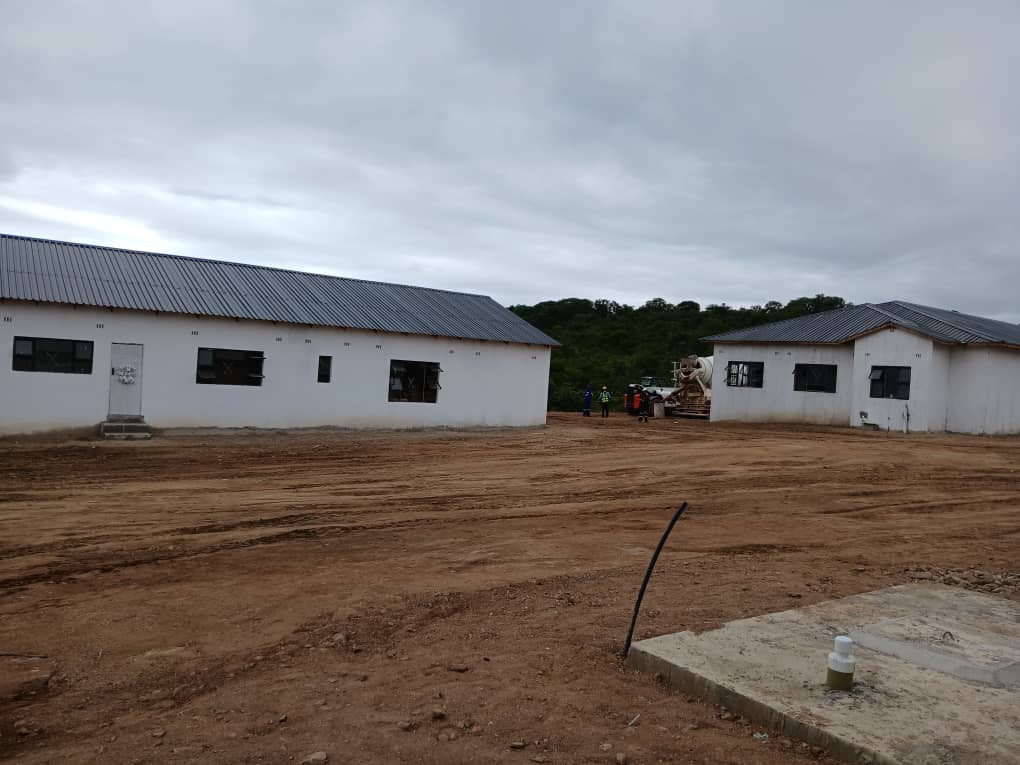
Bravura recently constructed six houses in Kamativi, replacing six previously demolished homes—three of which were unoccupied and three that were occupied. The demolitions were necessary to make way for the construction of a state-of-the-art plant at Kamativi, a former tin mine undergoing redevelopment.

The handover marks a significant milestone in the Kamativi project, demonstrating Bravura’s commitment to ensuring that community members and workers are properly accommodated during the mine’s expansion. In addition to the six new houses, Bravura is constructing a new campsite to house its workers, with future plans to build accommodations for over 350 workers who are expected to be part of the plant’s workforce.

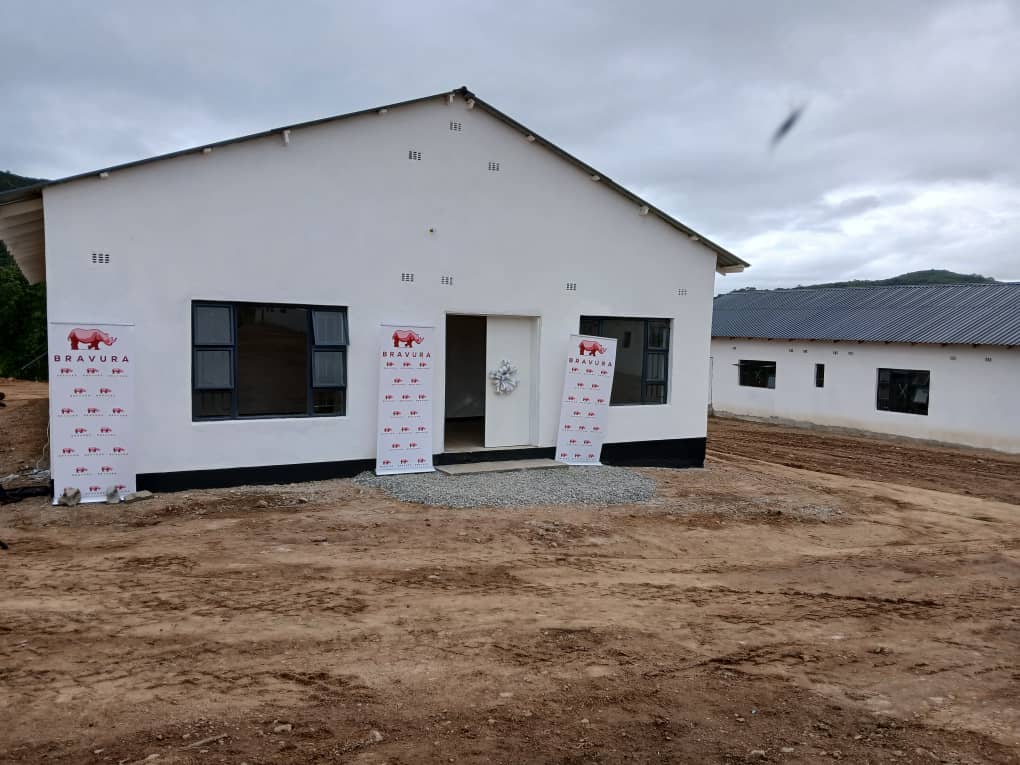
Bravura builds houses for workers
The 8 roomed houses built by Bravura for its workers

Local leaders, including Chief Nekatambe, expressed their gratitude for the housing initiative, emphasizing the significant contribution it represents to the community.

“I would never be in a position to build such a house. We thank these people, as well as the President, for bringing such a company. We’ve got people-centred at heart,” he said. Chief Nekatambe also expressed hope that the company would fulfil all its promises, with housing being a critical step toward that.

Minister of State for Provincial Affairs, Hon. Richard Moyo, echoed these sentiments, stating that the government is pleased with Bravura’s efforts to uplift the local community. “We are very happy about the houses, and even our comment was that they are too big for workers, so we suggested they could accommodate two families per house. This is the first company to build such houses, and we are more than happy. We want other mining companies to take a leaf from Bravura,” said Minister Moyo.

Bravura’s initiative marks a significant development in Kamativi, reflecting the company’s commitment not only to advancing its mining operations but also to improving the lives of workers and the broader community. As the construction of the new plant progresses, the company continues to stand out as a positive example of corporate responsibility in Zimbabwe’s mining sector.

The NUM rejects the appointment of Ben Magara as CEO of EXXARO

0

The National Union of Mineworkers (NUM) is vehemently opposed to the appointment of Ben Magara as the new CEO  of Exxaro Resources. The Exxaro board has not been engaging with us in good faith in that we had a meeting with them on 19th February 2025 with the follow-up meeting scheduled for 17th March 2025 discussing the CEO saga in the company.

“Since the NUM is a mandate-driven organization, we had to consult our members who constitute more than 80% across the group to ascertain the marching orders from our constituency about the suspension of the then CEO Dr Nombasa Tsengwa.  The feeling of our members on the ground was that Nombasa Tsengwa would remain the darling of the workers and workers are willing to do anything to have her back at Exxaro as it is clear that her suspension was unjust and unfair since her sins were insourcing core business within the group which gives sustainable jobs to our members. This insourcing approach by the suspended CEO happened to be acting against the interest of the board that is for outsourcing business with the aim of self-enrichment.  Before we could give feedback on the feelings of our members and have meaningful engagement on the scheduled meeting on the 17th of March 2025, Ben Magara was appointed the new CEO,” said Tshilidzi Mathavha, NUM Highveld Regional Secretary.

The NUM has been engaging the board on the state of affairs at Exxaro, specifically the way the Board has orchestrated the suspension of the former CEO Dr Nombasa Tsengwa to disguise its protection of Kgabi Masia from facing a fair process of investigation for misconduct. Ben Magara was allegedly part of this orchestration, he was a part of the decision to suspend and charge the former CEO and also supported the smokescreen created by the Board to shield Kgabi Masia’s misconduct and irregular activities that have resulted in over-expenditure in the trucking of coal to Maputo. Having overspent by more than 40% in coal logistics to Maputo compared to other mining companies in the same area.

It is no surprise that Grinrod, a company Ben Magara is a director was advantaged over other competent companies, nominated as the sole service provider to truck and rail coal from Exxaro mines to Maputo at exorbitant rates, yet to a Grinrod Coal Terminal. It is unheard of in our industry that one company provides a wall-to-wall logistics solution, (ie. trucking, railing and loading) created specifically for Exxaro to its terminal. It is uncompetitive to do this especially with a director of Grinrod seating on the Board, and also in the Logistics subcommittee of the Board where these decisions are discussed and approved. These matters are still under the Bowman’s investigation on Masia, and Magara is very conflicted and we do not believe there will be a fair outcome with him at the helm. He’ll never go against a company he is also an active director of.

We believe the abuse of primary mining equipment rentals is deliberate as Masia strategically delayed the purchase of trucks from reputable companies and opted to rent trucks from unheard-of companies in Belarus, also meant to benefit companies like Tau Mining with little or no technical support for their equipment. Also irregular mining standards and massive losses at Leeuwpan are still under Masia’s prolonged and ever ongoing investigation. Therefore we have no confidence that Ben Magara and the Board will be keen to expose Masia given the current Board’s intention to cover Masia up through a prolonged tedious investigation compared to the hastened ENS report on the former CEO that was rushed so that Ben Magara can be appointed within 4 weeks of the former CEOs resignation. Why? Was this pre-determined? We believe Ben Magara is only coming to the CEO seat to implement the Board’s agenda including its business interests as we have mentioned before to the Chairman of the Board.

How is Magara appointed with all his personal business interests which overlap to those of Exxaro, namely copper, manganese, lithium, logistics, coal etc?

We are also aware of Magara’s role in the demise of Lonmin post-2013 when he took over as CEO and Director there. He is known to disrespect the voices of employees and more so of women. As his previous record, we expect him to retrench and fire employees at will. Exxaro has made massive losses in 2024 from the cost burden in the coal business under Masia, and given Magara’s record we have no confidence in his ability to preserve jobs for our members. The news headlines alone during his tenure at Lonmin tell the story of Magara’s track record.

We believe Magara’s swift appointment and announcement were pre-planned, aimed at confusing the market and covering up the extent of losses resulting from Masia’s conduct. We are aggrieved about the continued disregard of our plea to the Chairman to curb corruption in the company and we are left with no option but to approach Exxaro’s shareholders on the risk of working under the leadership of Magara and the Board that seems to care more about their business interests rather than those of the workforce, shareholders and stakeholders at large. This appointment has indicated the refusal by the Board to listen to us as organised labour, representing about 80% of its employees. Therefore, we raise this matter as urgent and cannot wait for a Monday meeting after this unfortunate announcement when the signs are clear of the unstoppable interests perpetuated by the Board.

Gold buying prices per gram in Zimbabwe 17 March 2025

Gold buying prices per gram in Zimbabwe today 17 March 2025, from the official gold buyer and exporter Fidelity Gold Refinery (FGR).

SG 90% and ABOVE US$90.48g
SG ABOVE 89% BUT BELOW 90% US$89.52g
SG ABOVE 80% BUT BELOW 85% US$88.56/g
SG ABOVE 75% BUT BELOW 80% US$87.60/g
SAMPLE BELOW 10g BUT ABOVE 5g US$86.17/g

Fire Assay CASH $90.95/g

NB: Fire Assay cash price is for gold above 100gs; no sample is deducted.
For the Fire Assay Transfer price, a sample of not more than 10g is deducted
A 2% royalty is charged on all deposits (Small-scale miners)
A 5% royalty is set for Primary Producers