Home Blog Page 123

Zimplats Gold Production Declines by 16%

0

The country’s biggest platinum group metal (PGM) producer, Zimplats, reported a 16% decrease in its gold production for the half-year ended 31 December 2024, producing 14,587 ounces compared to 17,424 ounces during the same period in 2023, Mining Zimbabwe can report.

By Rudairo Mapuranga

This decline is part of a broader trend seen across various metals and minerals in Zimplats’ portfolio, as the company faces several challenges in production and market conditions.

In total, the group produced 279,890 ounces of 6E (Platinum Group Metals) during the six months, down by 15% from the 327,810 ounces produced in the half-year ended 31 December 2023. Platinum production also fell by 13%, from 151,170 ounces to 130,772 ounces, while palladium saw a significant 15% drop, with production decreasing from 127,474 ounces to 108,011 ounces.

Other metals were similarly affected, with rhodium dropping by 6% to 11,202 ounces and ruthenium falling by 9% to 10,258 ounces. Iridium experienced the sharpest decline among the PGMs, with a 20% decrease, falling to 5,060 ounces from the previous year’s 6,332 ounces.

Zimplats’ production of silver decreased slightly, dropping by 4% to 24,777 ounces, while nickel production remained relatively stable, recording 2,655 tonnes compared to 2,350 tonnes in the previous year, showing a modest 13% increase. Copper output remained static, holding at 2,032 tonnes, a slight improvement of 2% from the previous period.

Sales volumes followed a similar trend, with platinum sales down 11% to 130,737 ounces compared to 147,362 ounces sold during the same period in 2023. Palladium sales declined by 14%, reaching 107,971 ounces. Gold sales reflected the production trend, decreasing by 13% to 14,606 ounces from 16,866 ounces in the previous year.

Total 6E sales amounted to 279,740 ounces, a 13% decline from the 320,196 ounces sold in 2023. Silver sales also dropped by 6% to 29,351 ounces. However, nickel sales rose marginally to 2,685 tonnes, while cobalt sales decreased significantly by 30%, dropping to 35 tonnes from 50 tonnes.

The production and sales declines signal a challenging period for Zimplats as the company navigates fluctuating market conditions and operational difficulties across its mining operations. These figures also reflect the broader economic pressures facing Zimbabwe’s mining industry, as producers contend with both global market trends and local operational constraints.

Zimplats will need to implement strategic initiatives in the coming months to stabilize production and capitalize on its mineral assets, particularly as demand for PGMs and precious metals remains high globally due to their industrial and technological applications.
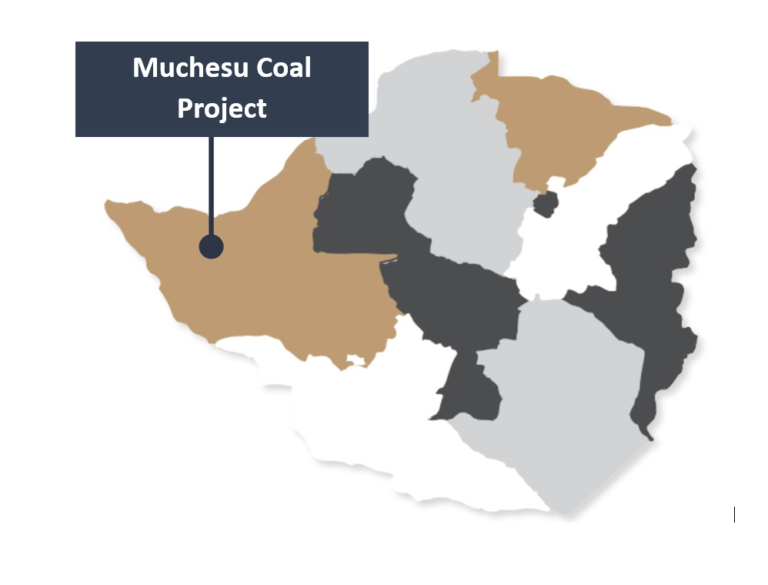
Muchesu Coal Project Gains Momentum as Local Investor Increases Stake

0

Huo Investments (Pvt) Limited has deepened its commitment to Zimbabwe’s Muchesu coal project, reinforcing confidence in the mine’s long-term potential. Contango Holdings Plc confirmed that an entity controlled by a director of Huo Investments has acquired an additional 6.502% stake in Monaf Investments (Private) Limited (“Monaf”) from a local minority shareholder.

By Ryan Chigoche

However, this transaction does not affect Contango’s existing interest in Monaf; instead, it signals growing investor confidence in the project’s future.

This latest acquisition is part of a broader strategy as Huo Investments moves closer to securing a controlling 51% stake in Monaf, pending regulatory approvals.

The Muchesu Project, which boasts over 2 billion tonnes of coal reserves, has been gaining traction as Zimbabwe positions itself as a key player in the global coal market. The shift marks a defining period for Contango, significantly reducing its previous risks as the sole operator at Muchesu and paving the way for a more sustainable and capital-efficient business model.

In a statement, Contango CEO Carl Esprey welcomed Huo Investments’ additional purchase, emphasizing the growing confidence in Muchesu’s potential.

“We note the investor’s purchase of additional shares in Monaf from another minority shareholder and the investor’s continued investment in the Muchesu Project. This should provide shareholders with further confidence in the investor’s focus on the development of the Muchesu Project and reinforce its inherent value.

“The investor has already made a material investment ‘into the ground’ at Muchesu, acquired a 20.42% holding, and become Contango’s largest shareholder. In addition to this, royalty payments to Contango have commenced. This further increased ownership interest in Monaf and the Muchesu Project, bodes well for the investor’s commitment to fully developing Muchesu.

“I look forward to updating shareholders on further progress and the completion of outstanding documentation with respect to the Definitive Agreements,” Esprey said.

Beyond increasing its stake, Huo Investments has demonstrated its commitment through tangible financial contributions. In July 2024, an initial $1 million was advanced as part of a future equity subscription, reflecting strong confidence in Muchesu’s potential. This was followed by another $1 million in January 2025, facilitating the successful closure of a planned $2 million equity placement.

As a result, Huo Investments has become Contango’s largest shareholder. At the same time, Contango has been streamlining its operations, resizing its cost base, and positioning itself for a leaner and more efficient financial future.

Additionally, the company’s recent transition to a royalty-focused business model marks a shift toward a more sustainable and risk-mitigated strategy. By focusing on royalties rather than direct mining operations, Contango is not only unlocking substantial growth potential for investors but also shielding shareholders from uncertainties related to future operational costs, capital expenditure, and working capital requirements.

As regulatory approvals near completion, Contango and Huo Investments are poised to accelerate the Muchesu Project’s development. With increased financial backing, a streamlined business model, and growing investor confidence, Muchesu is on track to become a major force in Zimbabwe’s coal industry.

RioZim Faces Financial Struggles as New Ownership and Capital Injection Loom

0

RioZim Limited, one of Zimbabwe’s prominent gold producers, is facing severe financial challenges, but a possible change in ownership and a significant capital injection offer a glimmer of hope for the troubled company. The new investor, whose identity has not yet been disclosed, is reportedly in advanced talks to take over the company’s operations and inject much-needed capital to revive RioZim’s struggling assets.

By Rudairo Mapuranga

For years, RioZim has been grappling with declining production, financial instability, and operational difficulties. Its flagship gold mine, Renco, has suffered from aging infrastructure, low ore grades, frequent mechanical failures, and volatile exchange rates, which have exacerbated the company’s woes. Gold production at Renco plunged by 42% in the first half of 2024, producing just 130 kilograms, marking a continuation of the company’s years-long downward spiral.

Further compounding its problems, RioZim’s BIOX plant at Cam & Motor Mine, which was expected to boost production by up to 50%, failed to deliver the anticipated results. Operations at the Empress Refinery have largely been suspended, adding to the financial strain, while its Murowa Diamonds interest has been hampered by liquidity challenges and an underperforming mining sector.

RioZim’s financial distress is further illustrated by its mounting debts. The company owes US$34 million to the Zimbabwe Asset Management Corporation (ZAMCO), a state-run entity set up to manage distressed companies’ debts. Additionally, RioZim has been the target of calls from the Zimbabwe Diamond and Allied Minerals Workers’ Union (ZDAMWU) for improved conditions after many of its workers went months without pay.

Despite these obstacles, insiders suggest that a deal with a new investor could signal a turning point. If finalized, this acquisition would mark a major shake-up for RioZim, with the new investor expected to take over management of the company’s assets and assume its liabilities. The investor is also likely to be required to make a mandatory offer to minority shareholders, as per regulatory requirements.

The government has also intervened in RioZim’s struggles, with authorities issuing a reconstruction order on some of the company’s assets, including Bindura Nickel Corporation’s Trojan Mine, which has been underperforming due to a sharp decline in global nickel prices.

In an effort to stabilize operations, RioZim is expected to receive a capital boost from the incoming investor, who has committed to addressing the company’s liquidity issues and reviving its stalled projects, such as the Sengwa coal project in Gokwe. However, the success of any turnaround strategy will depend on how effectively the new owners manage RioZim’s restructuring efforts and resolve the underlying issues within Zimbabwe’s mining sector, including foreign exchange shortages, inconsistent policies, and operational inefficiencies.

As shareholders and industry players await the outcome of these negotiations, RioZim’s future hangs in the balance. The conclusion of the deal, which remains subject to due diligence, regulatory approvals, and shareholder agreements, could offer the company a new lease on life, provided the new investors inject the capital and expertise needed to revive its struggling operations.

RioZim has advised shareholders to exercise caution while dealing with the company’s securities, as significant developments are imminent. If successful, this capital injection and ownership change could help RioZim avoid collapse and stabilize its position within Zimbabwe’s complex mining industry. However, failure to finalize the deal could deepen the company’s crisis, potentially leading to further financial distress and operational disruptions.

Ran Mine Restarts Operations After Implementing Environmental Safety Reforms

0

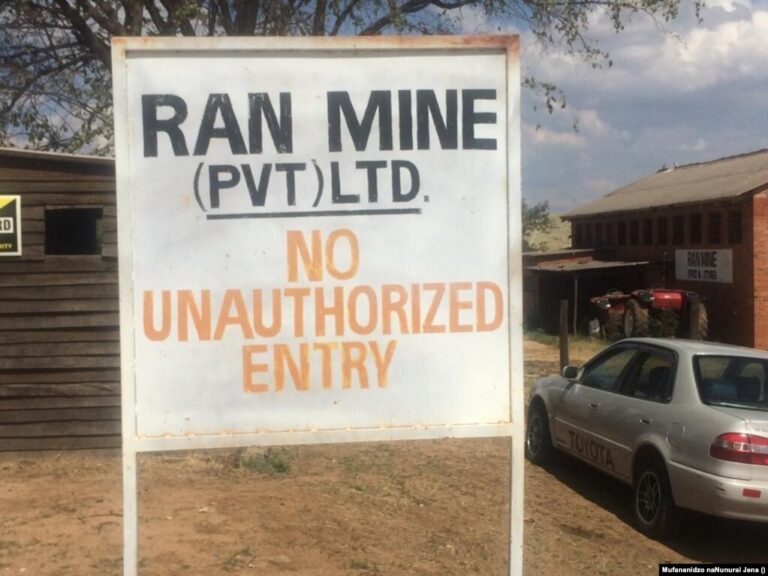
Bindura-based gold miner Ran Mine has officially restarted operations following the completion of an extensive environmental cleanup and the implementation of safety protocols required by the Environmental Management Agency (EMA), Mining Zimbabwe can report.

By Rudairo Mapuranga

The mine was forced to cease operations after a slimes dam breach last month raised concerns about public safety and environmental damage. However, it has now fulfilled all regulatory requirements to resume work.

EMA Mashonaland Central Environment and Publicity Officer Maxwell Mupotsa confirmed that the mine had addressed the necessary conditions to prevent future incidents, including pollution control measures and a redesign of the slimes dam.

“Ran Mine has met the conditions of the order, including implementing pollution abatement measures, creating safety ponds, and switching to a safer, older slimes dam located away from the public. We are satisfied with the work done by the mine,” Mupotsa said.

The mine was ordered to halt operations following the breach of its tailings storage facility (TSF), which posed a significant risk to both the environment and the surrounding communities. The breach led to concerns about the potential contamination of water sources and other environmental hazards. However, with the cleanup and safety upgrades now completed, the mine is back in full operation.

Ran Mine’s management, led by Mine Manager Brienie Dzumbunu, has pledged to continue upgrading safety measures and collaborating with EMA and the Civil Protection Unit to ensure the ongoing safety of the mine’s operations.

“We did a community cleanup and also rehabilitated the dam, putting in several cut-off drains using the area’s topography, along with additional rehabilitation of the dam so that it meets the requirements of EMA and the satisfaction of the community. We have since resumed operations last night,” Dzumbunu explained.

The environmental disaster and the two-week stoppage caused a significant disruption to the mine’s gold production, resulting in an estimated loss of 15 kilograms of gold. Despite this setback, Ran Mine remains optimistic about its future production targets. The mine is currently working towards a 36% increase in gold production in 2025, driven by expansion plans and enhanced operational efficiency.

Ran Mine’s commitment to safety and environmental sustainability is part of a broader effort to enhance the mine’s operations and contribute to the growth of Zimbabwe’s mining sector. With the new safety protocols in place and a renewed focus on responsible mining practices, the mine is poised to achieve its ambitious production goals while safeguarding the environment and surrounding communities.

Gold buying prices per gram in Zimbabwe 14 March 2025

Gold buying prices per gram in Zimbabwe today 14 March 2025, from the official gold buyer and exporter Fidelity Gold Refinery (FGR).

SG 90% and ABOVE US$90.35g
SG ABOVE 89% BUT BELOW 90% US$89.40g
SG ABOVE 80% BUT BELOW 85% US$88.44/g
SG ABOVE 75% BUT BELOW 80% US$87.49/g
SAMPLE BELOW 10g BUT ABOVE 5g US$86.05/g

Fire Assay CASH $90.83/g

NB: Fire Assay cash price is for gold above 100gs; no sample is deducted.
For the Fire Assay Transfer price, a sample of not more than 10g is deducted
A 2% royalty is charged on all deposits (Small-scale miners)
A 5% royalty is set for Primary Producers

Parly Committee Engages Mining Sector in Nationwide Outreach Programme

0

The Parliamentary Portfolio Committee on Mines and Mining Development launched an extensive outreach programme from March 13 to 17, 2025, aimed at engaging with small—and large-scale mining operations across Zimbabwe.

By Ryan Chigoche

The initiative is set to cover various key mining regions, offering a unique opportunity for stakeholders to collaborate, discuss challenges, and drive the adoption of sustainable mining practices.

In a statement, Zimbabwe Miners Federation (ZMF) Chief Executive Officer Mr. Wellington Takavarasha explained that the outreach seeks to promote cooperation between miners and policymakers. The initiative is also designed to gather insights and promote informed decision-making in policy formulation for the artisanal and small-scale mining (ASM) sector.

“By engaging directly with miners, the Committee seeks to gain valuable insights and facilitate informed decision-making on policy formulation that is suitable for ASM operations,” the statement reads.

ZMF has urged miners within the regions outlined in the program to actively participate in the familiarisation sessions, which will provide a platform for direct interaction with policymakers.

The outreach tour will commence in Bindura and move on to Mazowe and Inyathi on March 14, followed by Mutoko and Gwanda on the 15th, Masvingo and Kwekwe on the 16th, and conclude with visits to Kadoma and Mutare on the 17th.

Zimbabwe’s mining sector is rich with diverse mineral resources, including gold, platinum, diamonds, lithium, chrome, and a variety of semi-precious stones.

Small-scale mining operations are predominantly focused on extracting gold, chrome, and semi-precious stones, especially along the Great Dyke belt, which remains a central hub for mining activity.

Gold production, in particular, sees significant involvement from small-scale miners, who contribute about 60 percent of the country’s overall gold output.

This underscores the crucial role small-scale miners play in the industry despite facing challenges related to access to capital, equipment, and training.

The mining industry remains one of the most important pillars of Zimbabwe’s economy, contributing substantially to employment, foreign exchange earnings, and the nation’s overall industrial output.

However, the sector faces a host of challenges, including fluctuating commodity prices, regulatory uncertainties, and environmental concerns, making initiatives such as this outreach program essential for its continued growth and sustainability.

Ben Magara Appointed CEO of Exxaro Resources

0

Mining guru Ben Magara has been appointed as the Chief Executive Officer (CEO) of Exxaro Resources, effective April 1, 2025, Mining Zimbabwe can report.

By Rudairo Mapuranga

With over 35 years of experience in the mining sector, Magara is set to lead one of South Africa’s largest coal and renewable energy companies into its next phase of growth, innovation, and sustainability.

Magara’s extensive career spans both soft and hard rock mining, covering underground and open-pit operations. He is widely recognized for his strategic leadership and operational excellence. One of his notable achievements was leading the turnaround and restructuring of Lonmin Plc, which was later successfully sold to Sibanye Stillwater, now one of the world’s largest platinum group metals (PGM) producers.

In addition to holding key leadership positions in major mining houses, Magara is the founder of Africa Mining & Metals Group (AMMG), established in 2020. AMMG focuses on battery metals and precious metals, aligning with the growing global demand for minerals critical to the energy transition. He has also served as an advisor in the Democratic Republic of Congo’s Copperbelt and as an independent non-executive director at Weir Plc, a global FTSE100-listed engineering company. Magara will step down from the board of Grindrod Limited in April 2025, in line with his new role at Exxaro.

Commenting on his appointment, Magara said he is honoured to be taking up the new role.

“I am honoured to be taking up the role of Exxaro CEO and excited to have the opportunity to utilise our strong coal foundation as a base from which to expand our portfolio towards the critical low-carbon minerals essential for the future. This is in line with our diversification strategy which I have been part of as Exxaro’s Non-Executive Director and Investment Committee chairman.”

Magara’s appointment is seen as a pivotal moment for Exxaro as the company seeks to navigate sustainability challenges in the mining sector while driving innovation and growth. His deep industry expertise and proven track record in transforming companies make him a strong fit to lead Exxaro into its next chapter.

His leadership comes at a crucial time when the global mining industry is increasingly focused on environmental, social, and governance (ESG) initiatives. Exxaro has already made strides in integrating sustainability into its operations. With Magara at the helm, the company aims to strengthen its position in responsible mining while expanding efforts in renewable energy and green projects.

As a Zimbabwean professional, Magara’s rise to this prestigious position highlights the significant contributions Zimbabweans continue to make in the global mining industry. His appointment also underscores the growing influence of African leadership in shaping the future of mining across the continent and beyond.

Magara was named Zimbabwe’s most influential person in the Mining Industry by this publication in 2019.

Gold buying prices per gram in Zimbabwe 13 March 2025

Gold buying prices per gram in Zimbabwe today 13 March 2025, from the official gold buyer and exporter Fidelity Gold Refinery (FGR).

SG 90% and ABOVE US$88.86g
SG ABOVE 89% BUT BELOW 90% US$87.92g
SG ABOVE 80% BUT BELOW 85% US$86.98/g
SG ABOVE 75% BUT BELOW 80% US$86.04/g
SAMPLE BELOW 10g BUT ABOVE 5g US$84.63/g

Fire Assay CASH $89.33/g

NB: Fire Assay cash price is for gold above 100gs; no sample is deducted.
For the Fire Assay Transfer price, a sample of not more than 10g is deducted
A 2% royalty is charged on all deposits (Small-scale miners)
A 5% royalty is set for Primary Producers

ZimAlloys Leads the Way in Mine Rehabilitation to Prevent Future Tragedies

0

Ferrochrome producer ZimAlloys, a subsidiary of Kuvimba Mining House (KMH), is taking proactive steps to address one of Zimbabwe’s most critical issues—abandoned and unrehabilitated mining pits—by launching a comprehensive backfilling programme as part of its broader sustainability initiatives, Mining Zimbabwe can report.

By Rudairo Mapuranga

This programme, aimed at rehabilitating disused mining areas, is crucial for protecting local communities and preventing further tragedies like the recent deaths of five individuals who perished in a disused chrome pit in Shurugwi.

In Shurugwi, a tragic incident occurred when a vehicle carrying five people, including a heavily pregnant woman, plunged into an unrehabilitated mining pit. The accident underscores the deadly risks posed by abandoned pits, which have long been a problem in Zimbabwe’s mining regions. This tragedy has reignited calls for mining companies to prioritize environmental rehabilitation and take responsibility for the land they have disturbed.

ZimAlloys’ backfilling programme is a timely and necessary response to this issue. By rehabilitating disused mining pits, ZimAlloys aims to restore the land to a safer condition, protecting both human life and the environment. This initiative is part of Kuvimba Mining House’s broader Restoring Nature, Securing Tomorrow campaign, which focuses on environmental stewardship, reforestation, and sustainable infrastructure development across its mining operations.

“Rehabilitating the environment is something we do on an ongoing basis,” said Trevor Barnard, Kuvimba Mining House Group Chief Executive Officer (GCEO). “Through our efforts, we are not only protecting communities from the dangers of unrehabilitated pits but also restoring the land for future generations.”

ZimAlloys’ programme is particularly important given the absence of a comprehensive regulatory framework in Zimbabwe to enforce mining rehabilitation. The Chamber of Mines of Zimbabwe has long advocated for the introduction of a Mining Rehabilitation Fund, which would require mining companies to set aside resources for the rehabilitation of mined land. This fund would hold companies accountable and ensure that rehabilitation is done systematically and efficiently, reducing risks to local communities.

Without proper rehabilitation, abandoned mining sites lead to severe environmental degradation, including soil erosion, water contamination, and loss of biodiversity. The dangers posed to humans and animals are even more pressing. Unprotected pits, like those in Shurugwi, often turn into death traps for those unaware of their presence.

By implementing rehabilitation initiatives, ZimAlloys is setting a new standard for responsible mining in Zimbabwe. The company’s commitment to safety and environmental restoration will not only protect local communities but also foster a more sustainable mining industry in the country.

As Zimbabwe continues to expand its mining sector, initiatives like ZimAlloys’ backfilling programme demonstrate how the industry can operate responsibly while ensuring that its environmental footprint is minimized. The company’s efforts to prevent future tragedies through proper rehabilitation should serve as a model for others in the industry.

The Chamber of Mines has called for the inclusion of the Mining Rehabilitation Fund in the Mines and Minerals Amendment Bill, a legislative move that would make rehabilitation mandatory for all mining companies operating in Zimbabwe. This would ensure that abandoned pits are dealt with swiftly and safely, preventing further loss of life.

For now, ZimAlloys’ initiative is a beacon of hope for communities living in mining regions, offering a safer future through sustainable practices. If more companies follow suit, Zimbabwe can reduce the number of lives lost to mining-related accidents and restore its lands to their natural beauty.

Chitando to Lead Discussions at Swedish Embassy Sustainable Mining Expo

0

Zimbabwe’s Minister of Mines and Mining Development, Hon. Winston Chitando, will head a high-level business networking event focused on advancing sustainability in Zimbabwe’s mining sector.

By Ryan Chigoche

Hosted by the Swedish Embassy in Harare in collaboration with key industry stakeholders, the event will highlight opportunities for responsible mining practices and partnerships between Zimbabwe and Sweden.

Scheduled for March 21, 2025, at Rainbow Towers, the event will bring together business leaders, policymakers, and industry experts from both the public and private sectors. Against the backdrop of increasing global demand for sustainable resource extraction, discussions will focus on innovative strategies to align Zimbabwe’s mining industry with modern environmental and efficiency standards.

Zimbabwe’s mining sector has long been a key driver of economic growth, but it now faces pressing challenges related to environmental impact, resource efficiency, and long-term sustainability. As countries worldwide transition to greener mining practices, Zimbabwe must adapt to remain competitive in the global market. The event aims to foster dialogue on how Zimbabwe can achieve this shift while maintaining profitability and social responsibility.

For Sweden, a recognized leader in sustainable mining, this event provides a platform to strengthen ties with Zimbabwe as the country positions itself as a crucial supplier of green minerals. With demand surging for lithium, platinum, and rare earth elements—critical components in renewable energy technologies—Sweden sees vast potential for collaboration. Swedish expertise in environmentally friendly mining technologies and resource management can support Zimbabwe in optimizing its mineral wealth while minimizing ecological harm.

A major highlight of the event will be an interactive expo, where leading Swedish companies will showcase state-of-the-art innovations in automation, circularity, energy and water efficiency, and digitalization.

These advancements are designed to enhance productivity, reduce environmental impact, and support Zimbabwe’s transition toward more responsible mining operations.

Beyond a simple networking opportunity, this forum is a catalyst for meaningful collaboration.

Zimbabwean mining stakeholders will have the chance to engage directly with Swedish experts, explore cutting-edge solutions, and establish partnerships that drive long-term sustainability. As Zimbabwe and Sweden look ahead, deeper cooperation in mining will be essential for balancing economic growth with environmental responsibility.