Home Blog Page 125

Gold buying prices per gram in Zimbabwe 10 March 2025

Gold buying prices per gram in Zimbabwe today 10 March 2025, from the official gold buyer and exporter Fidelity Gold Refinery (FGR).

  • SG 90% and ABOVE US$89.05/g
  • SG ABOVE 85% BUT BELOW 90% US$88.11/g
  • SG ABOVE 80% BUT BELOW 85% US$87.17/g
  • SG ABOVE 75% BUT BELOW 80% US$86.22/g
  • SAMPLE BELOW 10g BUT ABOVE 5g US$84.81/g
  • Fire Assay CASH US$89.52/g

NB: Fire Assay cash price is for gold above 100gs; no sample is deducted.

For the Fire Assay Transfer price, a sample of not more than 10g is deducted.

A 1% royalty is charged on all deposits (Small-Scale Miners ASM)

A 5% royalty is set for Primary Producers

Premier Explores Corporate Rescue Options for Zulu Lithium Project

0

Premier Africa Minerals Limited is exploring corporate rescue and asset liquidation options for its Zulu lithium project amid significant financial challenges.

By Ryan Chigoche

Corporate rescue, also known as business restructuring, is a legal framework in Zimbabwe designed to help distressed companies restore solvency and resume operations.

The process aims to balance the interests of creditors, shareholders, employees, and other stakeholders while safeguarding the company’s economic value.

In this regard, Premier is in ongoing discussions with all stakeholders, particularly Zulu’s prepayment and offtake partner, to find a viable solution.

With liabilities surpassing assets by $47.8 million, the company has shifted its strategy to address the financial strain and ensure the project’s survival.

The Zulu plant has been inactive since July 2024, and as of February 28, 2025, Premier’s total unaudited liabilities had reached $64.3 million.

This includes $46.4 million owed to Canmax Technologies Co. Ltd under the Offtake and Prepayment Agreement, along with unsettled interest of $11.7 million.

Additionally, around $17 million is owed to trade creditors, including unpaid salaries. In light of these financial pressures, Premier urgently requires funding to maintain critical operations at both the Premier and Zulu sites.

The company has continued to receive support from its principal trade creditors, who are awaiting confirmation that the necessary remedial work on the flotation plant will be completed and that Zulu’s operations will be promptly recommissioned.

Last year, Premier considered selling the Zulu plant or bringing in an investment partner via a partial sale or joint venture. However, a recent corporate update indicated a shift in focus, with the company now actively pursuing funding solutions for the Zulu project. This includes the possibility of initiating a corporate rescue process.

“While this remains our preferred solution, Premier is also engaged with other new potential investors. In the absence of a financing solution, Premier may need to consider alternative options for Zulu in the interests of its creditors and shareholders, which may include raising financing at the subsidiary level, a sale of Zulu while keeping it in a state of care and maintenance, the liquidation of the assets of Zulu, or other options available under Zimbabwean laws, including a corporate rescue of Zulu,” the company said in a statement.

This shift in strategy comes after a previous announcement on January 21, 2025, in which Premier revealed that a proposed £3.5 million fundraising initiative had not been successfully closed.

The funds were intended to support the final commissioning and optimization of the Primary Spodumene Flotation Plant and the purchase of a Secondary Spodumene Flotation Plant—key steps necessary for the full recommencement of operations at Zulu.

Premier remains focused on addressing the immediate financial needs to restart operations.

The company views these steps as vital not only for Zulu’s recommencement but also for resolving trade creditor claims, which are critical to facilitating a short-term test run of 3 to 5 days.

The company, a UK-based mining and exploration firm, has faced difficulties in commissioning the lithium flotation circuit at its Zulu plant, resulting in missed delivery deadlines.

At one point, Premier issued a force majeure notice to China’s Canmax Technologies, citing operational hurdles at the Fort Rixon facility. The plant struggled to produce sufficient spodumene to meet the required quantities stipulated in the off-take agreement with Canmax, prompting the latter to consider terminating the agreement—a move that could have severely impacted the Zulu Lithium project.

However, after extensive discussions, the companies managed to restore their partnership, offering hope for the project’s future despite the ongoing challenges.

As Premier Africa Minerals navigates through its financial difficulties, the company is focusing on finding viable solutions to secure the future of its Zulu lithium project.

While the road ahead remains challenging, ongoing discussions with stakeholders and potential investors could provide the necessary support to restart operations.

The Zulu plant has the potential to be a valuable asset, especially with the rising global demand for lithium.

Platinum Market Set for Third Consecutive Year of Structural Deficit in 2025, WPIC Reports

0

The global platinum market is set to experience a structural deficit for the third consecutive year, with a projected shortfall of 848,000 ounces (koz) in 2025, following a deficit of 995,000 koz in 2024. This is according to the Platinum Quarterly report for the fourth quarter of 2024, with a revised forecast for 2025 from the World Platinum Investment Council (WPIC).

By Ryan Chigoche

According to the report, the gap between supply and demand continues to widen, reinforcing concerns about long-term availability.

In 2024, the platinum market recorded a significant supply- demand imbalance, with the deficit exceeding initial forecasts by 46%. Total demand surged past 8 million ounces (Moz) for the first time since 2019, reaching 8,288 koz—a 5% increase from the previous year.

Meanwhile, total supply grew by just 3% year-on-year to 7,293 koz, still falling short of meeting growing consumption.

For 2025, demand is expected to remain high at 7,850 koz, despite a 5% decline from 2024 levels, while total supply is forecast to drop by 4% to 7,002 koz, further deepening the deficit.

These figures highlight the persistent structural imbalance, emphasizing the need for increased production or alternative solutions to stabilize the market.

Production constraints and disruptions in major mining regions continue to put downward pressure on supply, which is expected to decline further in 2025.

The projected 4% decrease underscores the ongoing challenges producers face in ramping up output. At the same time, the automotive sector remains a key driver of platinum demand, holding steady at 3,130 koz in 2024 and projected to reach 3,102 koz in 2025.

Despite the growing adoption of electric vehicles (EVs), which reduce reliance on platinum-based catalytic converters, traditional internal combustion engines still require significant amounts of the metal, sustaining its role in the industry.

Trevor Raymond, CEO of the World Platinum Investment Council, commented on these developments, stating:

“Platinum’s sustained consecutive annual deficits, almost 1 Moz in 2024, contain some investment flows related to the recent tariff-driven chaos but are largely structural in nature. Automotive demand remains steady as slower battery electric vehicle growth takes hold, and higher-for-longer internal combustion engine vehicle levels are more widely appreciated. The ongoing decline in mine supply continues, potentially accelerating as stock release benefits taper further. At the same time, the previously anticipated recovery in recycling failed to materialize in 2024. Recycling levels are at their lowest in 10 years, and growth looks set to struggle once more in 2025.”

Beyond the automotive sector, platinum jewelry demand has shown impressive growth, rising by 8% in 2024 and expected to increase by another 2% in 2025, reaching a six-year high. Strong consumer interest, particularly in Asia, has been a major contributor to this upward trend.

Similarly, investment demand has surged, climbing 77% in 2024 due to strong exchange-traded fund (ETF) inflows and heightened large-bar purchases in China. This surge in investment interest reflects growing confidence in platinum as a strategic asset, particularly during times of economic uncertainty and market volatility.

Another crucial factor shaping the market is the steady depletion of above-ground platinum stocks. In 2024, stockpiles fell by 23%, and a further 25% decline is expected in 2025, reducing inventories to 2,535 koz—less than four months’ worth of global demand.

With reserves shrinking at a rapid pace, concerns about supply shortages are becoming more pronounced, potentially driving price increases in the near future.

The continued supply shortfall, coupled with strong demand across multiple sectors, suggests that the platinum market will remain in deficit for the foreseeable future.

While automotive demand may stabilize, the sustained growth in jewelry and investment demand, combined with tightening above-ground stocks, is expected to support platinum prices and overall market stability.

As platinum remains a critical metal in industrial and investment applications, stakeholders must closely monitor supply constraints and evolving demand trends to navigate the challenges ahead.


Freda 6MW Solar Installation to Begin by June

0

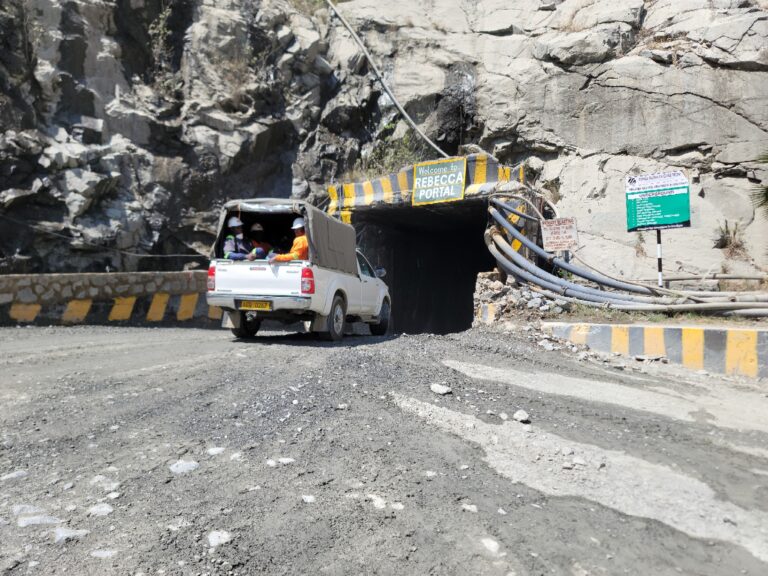
Kuvimba Mining House (KMH)‘s gold unit, Freda Rebecca Gold Mine, is set to begin the installation of a 6MW solar power plant by June this year as part of the company’s broader strategy to incorporate renewable energy across its operations, Mining Zimbabwe can report.

By Rudairo Mapuranga

This initiative is a key component of Kuvimba’s commitment to sustainability and reducing its carbon footprint.

The solar installation is expected to generate approximately 30% of Freda Rebecca’s power requirements, marking a significant shift towards more environmentally responsible energy use. Freda Rebecca Gold Mine currently consumes around 20 MW of power, and the solar project will meet a substantial portion of this demand, contributing to the mine’s sustainability goals.

Patrick Maseva-Shayawabaya, Managing Director of Freda Rebecca Gold Mine, highlighted the significance of the solar project in the mine’s operational framework.

“The solar project—what we’ve done is we’ve entered into an off-take agreement with an independent power producer (IPP). Essentially, what we’ve signed with the IPP is an off-take agreement that whatever power they supply, we will get. We use about 20 megawatts of power, and the solar project will produce about 30% of that, which is about 6 or so megawatts,” Maseva-Shayawabaya said during a visit to the gold mine.

The partnership with the IPP is aimed at securing funding for the solar installation, with the project expected to be fully operational within the next 24 months. While the solar plant won’t meet the mine’s entire energy needs, it marks a substantial leap towards lowering dependence on traditional power sources and enhancing the mine’s energy sustainability.

Kuvimba Mining House has developed a comprehensive power strategy, incorporating short-, medium-, and long-term goals to transition towards renewable energy sources across its entire portfolio. The Freda Rebecca solar installation is the first of several planned renewable energy projects under this strategy.

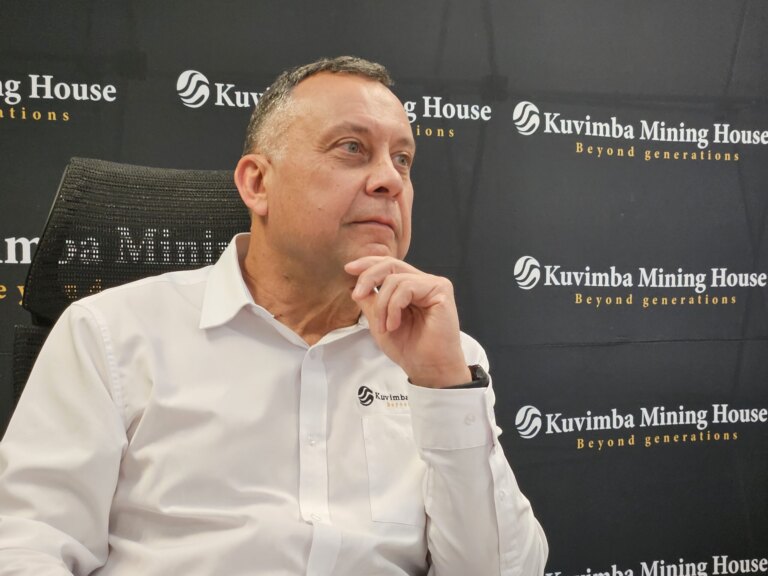
Group Chief Executive Officer Trevor Barnard explained that the Freda Rebecca solar plant is only the beginning of Kuvimba’s renewable energy initiatives.

“We’re putting a power strategy together for Kuvimba Mining House, divided into short-, medium-, and long-term goals. Part of that strategy will obviously be to install renewable energy sources, and we hope to start with the first solar installation here at Freda Rebecca before June this year. This will be just the start, and we’ll roll out further renewable energy suppliers throughout the group into the future,” Barnard said.

The solar plant’s contribution to Freda Rebecca’s power requirements will be pivotal in lowering electricity costs, ensuring energy reliability, and enhancing sustainability. With the volatility of grid-supplied power and environmental concerns around traditional energy sources, the use of solar power presents a cleaner, more sustainable solution for the mine’s operations.

Freda Rebecca Mine’s sustainability efforts go beyond energy solutions. The company has demonstrated a proactive approach to environmental rehabilitation, with ongoing initiatives aimed at restoring degraded land areas. This includes re-vegetating the Tailings Storage Facility (TSF), which stores waste materials from mining operations.

Maseva-Shayawabaya emphasized the mine’s focus on long-term sustainability and the importance of maintaining a healthy environment even during active mining operations.

“Rehabilitating the environment is something that we do on an ongoing basis. If you go to our tailings storage facility, for instance, there’s a major drive to re-vegetate the land so that forests will grow naturally where mining used to happen. That’s an ongoing effort to ensure we don’t wait until the mine reaches the end of its life before rehabilitating the land,” he said.

This strategy aligns with the goals of the “Restoring Nature, Securing Tomorrow” campaign launched by Kuvimba Mining House earlier this year, which focuses on environmental stewardship, dust suppression, and sustainable community engagement. The campaign, which has already seen the planting of over 10,000 indigenous trees around Freda Rebecca’s TSF, highlights the company’s commitment to restoring ecosystems impacted by mining activities.

Kuvimba Plants 10,000 Trees in Sustainability Drive

0

Kuvimba Mining House (KMH), Zimbabwe’s leading gold producer, has officially launched its annual sustainability campaign titled “Restoring Nature, Securing Tomorrow,” with a key focus on environmental stewardship and reforestation.

By Rudairo Mapuranga

As part of this initiative, the company has already planted over 10,000 indigenous trees around the Tailings Storage Facility (TSF) at Freda Rebecca Gold Mine since January 2025, Mining Zimbabwe can report.

The initiative aims to foster the preservation of ecosystems, protect communities near mining operations, and ensure long-term environmental sustainability. Indigenous trees, which are more resilient to local environmental conditions, are being planted to restore green spaces and combat the degradation caused by mining activities.

Kuvimba Mining House’s sustainability campaign demonstrates the company’s commitment to responsible mining practices. The “Restoring Nature, Securing Tomorrow” initiative is poised to set a new standard for environmental stewardship in the mining industry.

Speaking at the launch, Kuvimba Mining House Group CEO Trevor Barnard underscored the company’s dedication to preserving the environment:

“We are strongly committed to preserving the environment and protecting communities in our operational areas. I am delighted to launch the ‘Restoring Nature, Securing Tomorrow’ initiative, where we build our operations and support our teams to foster environmental stewardship. Working with local communities is essential for ensuring long-term environmental sustainability,” Barnard said.

The campaign, which focuses on reforestation, dust suppression, and infrastructure rehabilitation, forms a critical part of Kuvimba’s strategy to integrate environmental protection into its mining operations. TSFs, like the one at Freda Rebecca, are essential for managing mining waste, but they also pose risks to ecosystems and local communities if not properly managed. The reforestation efforts around the TSF aim to mitigate these risks.

The “Restoring Nature, Securing Tomorrow” campaign is not limited to Freda Rebecca. Kuvimba’s other mining operations are also implementing sustainability measures. At Sandawana Mines in Mberengwa, over 20 kilometers of roadworks have been completed, and dust suppression measures have been introduced to minimize environmental impact. In Lower Gweru, Jena Mines has constructed over 5 kilometers of road infrastructure to improve access to surrounding areas.

In addition, Zimbabwe Alloys, another Kuvimba entity, has launched a backfilling program to rehabilitate disused mining pits, reducing environmental hazards and protecting local communities.

A key feature of the campaign is collaboration with local communities. The launch event at Freda Rebecca Gold Mine was attended by Chief Chipadze, representatives from the Environmental Management Agency (EMA), and over 100 students on attachment and graduate trainees. The involvement of local stakeholders highlights Kuvimba’s commitment to community engagement in its environmental initiatives.

Kuvimba has also introduced health promotion programs within the districts where it operates, working closely with local chiefs and community leaders. These initiatives are designed to enhance the well-being of communities and ensure their participation in preserving the environment.

Barnard emphasized the importance of planting indigenous trees, which are better suited to local conditions and more likely to thrive. Since January 2025, over 10,000 trees have been planted at Freda Rebecca, with an additional 500 trees being planted as part of the launch event. Indigenous trees are vital for restoring degraded ecosystems and ensuring long-term environmental resilience.

“Indigenous trees can withstand local conditions, including drought and disease, ensuring their growth and prosperity, much like our vision for Kuvimba Mining House and Freda Rebecca Gold Mine to thrive into the future,” Barnard said.

The “Restoring Nature, Securing Tomorrow” campaign is set to become a key pillar of Kuvimba’s Corporate Social Responsibility (CSR) strategy. In addition to environmental stewardship, the company is focused on education and health initiatives. Since Kuvimba’s inception, over 1,000 students have participated in training programs, and 80 students are currently gaining practical experience across its operations.

Premier Raises £600,000 for Zulu Project Amid Shareholder Concerns

0

London Stock Exchange-listed mining and exploration junior Premier African Minerals Limited (Premier) has announced a new subscription to raise £600,000 before expenses, which will be directed toward the Zulu Lithium and Tantalum Project.

By Rudairo Mapuranga

In addition, the company has settled US$0.3 million in contractor invoices for the Zulu Project by issuing 1.84 billion new ordinary shares at a price of 0.0125 pence per share, Mining Zimbabwe can report.

The funding comes at a critical time as Premier continues its efforts to secure a fully funded solution for the Zulu Project while engaging with current and potential investors, including discussions with Zulu’s prepayment and offtake partner. The raised funds will primarily be used for essential operational requirements at the Zulu camp, as well as for Premier’s general working capital needs.

The company issued 4.8 billion new ordinary shares through a direct subscription, bringing the total new shares issued, including the settlement shares for contractor payments, to 6.64 billion. These new shares are expected to be admitted for trading on AIM on or around 13 March 2025.

This subscription follows Premier’s ongoing financial challenges, with the company seeking to meet operational needs while working on a long-term financial solution for the Zulu Project. Premier’s CEO, George Roach, has previously expressed confidence in the project’s potential despite delays and financial hurdles.

However, the continuous issuance of new shares has led to rising concerns among shareholders about dilution, which has significantly impacted share prices.

Shareholders have expressed growing frustration with Premier’s financial strategy, especially the repeated issuance of new shares at low prices. The issuance of 6.64 billion new shares at an all-time low share price has sparked discontent, with many investors feeling that the company is not addressing its core financial issues.

One shareholder commented,

“A casual 6.6 billion shares at all-time lows, sweet,” referencing the continued decline in share value.

Another said, “You’ve grabbed PREM by the balls, and all you do is post the same RNS of the next dilution. When will you let someone else take over who knows what to do?”

Despite the criticism, Premier’s management remains focused on securing the best financial outcome for the Zulu Project and its stakeholders. The company has emphasised that the new funding will enable it to cover essential consumables at the Zulu camp and sustain operations while it continues discussions for a long-term financing solution.

The ongoing dilution of shares has been a source of concern for investors, who feel that repeated share issuances erode their investments’ value. One frustrated shareholder remarked,

“How is George Roach still at the helm of this company? I sold my shares when we were close to £0.1 and made some good coin, but I wish I’d sold the rest too.”

As Premier continues to navigate its financial challenges, it faces increasing pressure from shareholders to deliver results and secure more stable financing options for Zulu. The company remains optimistic about the potential of its flagship project, but investor confidence is clearly wavering as share value continues to decline amid ongoing dilution.

With the admission of new shares scheduled for mid-March, Premier is focused on ensuring that operations at Zulu can resume in full. However, the company will need to balance its need for funding with the concerns of its shareholders, who have been vocal about the impact of frequent dilutions on their investments.

While Premier is pleased with the current funding round, the ongoing dialogue with stakeholders and potential investors will be crucial for the company’s long-term sustainability and the success of the Zulu Lithium and Tantalum Project.

RioZim Closing in on Sale of Mines Amid Operational Woes

0

After years of falling production, persistent strikes, and mounting losses, RioZim has confirmed that it is selling its mines to a new investor, Mining Zimbabwe reports.

By Ryan Chigoche

Once a major gold producer in Zimbabwe, the company has struggled with underinvestment, frequent equipment failures, and an unfavorable foreign currency regime that has squeezed operations.

These challenges have led to a steady decline in output, making it increasingly difficult for the company to sustain its operations.

In a statement on Thursday, RioZim announced that it is in the final stages of negotiations with a potential lender to address its financial and operational difficulties.

“The conclusion of the negotiations is imminent, which will resolve the company’s challenges,” the company said.

Alongside this, major shareholders have been in talks with several potential buyers and are now finalizing a deal with an investor set to acquire a majority stake in the company.

The transaction is still subject to due diligence, regulatory approvals, and the signing of sale and purchase agreements. Once completed, the new investor will be required to make a mandatory offer to minority shareholders.

RioZim’s production figures reflect the extent of its struggles. Gold output dropped by 27% in the first half of 2024, continuing a downward trend that has plagued the company for years.

Its flagship Renco Mine has been hampered by low ore grades, frequent breakdowns, and labor unrest. Meanwhile, in Kadoma, Cam & Motor Mine and Empress Refinery have remained in extended care and maintenance, despite a US$17 million investment in a BIOX plant that was intended to boost production by 50%. Instead, Cam & Motor’s gold output fell by 42% to just 130kg in the first half of last year.

Beyond gold, RioZim has interests in Murowa Diamonds and a 50% stake in the Sengwa coal project in Gokwe. However, these assets have not been enough to turn the company’s fortunes around.

With RioZim now on the verge of a change in ownership, the focus will shift to the new investor’s plans.

The key question is whether they will bring the capital and expertise needed to revive the company’s operations and restore its position as a major player in Zimbabwe’s gold mining industry.

Zimbabwean Platinum Production Declines 9% in 2024

0

Zimbabwe’s platinum production declined by 9% year-on-year to 121,000 ounces (koz), primarily due to reduced output at Zimplats, the country’s leading platinum group metals (PGM) producer, according to a recent report from the World Platinum Investment Council (WPIC).

By Ryan Chigoche

The decline in Zimplats’ production was caused by delays in commissioning its expanded smelter, leading to a temporary buildup of 14 koz in semi-finished inventory during the second half of 2024. Intermittent power supply disruptions further impacted operations, contributing to the overall reduction in output.

Despite the drop in Zimplats’ production, Zimbabwe’s total platinum output increased by 1% year-on-year, reaching 512 koz, an all-time high. This growth was primarily driven by a boost in production from Unki Mine, which offset the decline at Zimplats.

Mimosa Mine also saw a 3% increase in production during the period, processing 2.8 million tonnes of ore annually and producing 120,000 ounces of platinum (or 240,000 ounces of 4E). These positive performances helped mitigate the overall decline in Zimbabwe’s platinum production.

Globally, platinum supply grew by 3% year-on-year in 2024, reaching 5,766 koz, driven by stronger-than-expected output from South Africa and Russia. South Africa’s production increased by 4%, reaching 4,132 koz, aided by inventory drawdowns and a reduction in load-shedding. Russia’s output remained steady at 677 koz after furnace repairs were completed ahead of schedule.

However, global platinum supply is expected to contract by 5% in 2025, with production projected to fall to 5,506 koz. This decline is due to reduced palladium-related output in North America and further declines in South African production. Additionally, lower expectations for work-in-progress inventory releases are likely to tighten supply.

ZimParks Directs Mines Ministry to Reject All Mining Applications for Hwange National Park

0
  • Parks Orders Mines Ministry to Reject, Never Entertain Mining Applications targeting mining in the Hwange National Park

The Zimbabwe Parks and Wildlife Management Authority (ZimParks) has called on the Ministry of Mines and Mining Development to reject any application for mining activities in Hwange National Park, specifically targeting the Sinamatella Black Rhino Intensive Protection Zone.

ZimParks has also urged the Ministry to never entertain similar applications in the future to safeguard this critical wildlife habitat, Mining Zimbabwe can report.

By Rudairo Mapuranga

The Sinamatella region, a crucial sanctuary for the endangered black rhino, holds a growing population of the species, which is listed under the *Convention on International Trade in Endangered Species of Wild Flora and Fauna (CITES) Appendix I.* Mining activities in the area, according to ZimParks, would exacerbate the risk of extinction for the black rhino and hinder prospects of population recovery.

“The proposed mining project will actually increase the risk of species extinction, and prospects of population recovery will be negatively affected,” a ZimParks statement read.

Beyond its potential impact on black rhinos, ZimParks expressed deep concerns about the degradation of land in the region. The Sinamatella zone is part of Hwange National Park, home to Africa’s second-largest elephant population and other key wildlife species. The introduction of mining would undermine ecological conditions crucial for wildlife survival and reproduction.

In line with Zimbabwe’s commitment to restoring at least 30% of degraded terrestrial and inland water ecosystems by 2030, ZimParks stressed that approving mining activities in this sensitive area would derail progress in wildlife conservation. The move would also tarnish Zimbabwe’s global reputation as a leader in sustainable conservation.

The potential damage extends beyond conservation. Hwange National Park is one of Zimbabwe’s prime tourist destinations, and ZimParks warned that mining activities would severely affect tourism, a major revenue generator for the country. Noise, air, and land pollution created by mining would not only disrupt wildlife movement but also diminish the quality of visitor experiences.

“Our operations significantly rely on the revenue generated from tourism through leased concessions; thus, any mining operations introduced could adversely affect our ability to deliver quality experiences for tourists,” ZimParks stated.

Furthermore, ZimParks highlighted the broader risks of mining in the area, including increased poaching incidents and interference with groundwater flow. This disruption could threaten water sources essential for wildlife, worsening existing water shortages and leading to higher mortality rates among species. In turn, this could intensify human-wildlife conflicts in surrounding communities.

Sinamatella is also home to the historic Bumbusi Ruins, which hold significant cultural and historical value for the local Nambian-speaking communities. Annual cultural rituals and rain-making ceremonies are performed by traditional leaders, and mining activities could endanger this important cultural heritage.

ZimParks spokesperson Tinashe Farawo emphasized that the organization will continue to advocate for the protection of critical wildlife habitats and uphold its commitment to conservation for the benefit of future generations.

As Zimbabwe grapples with balancing economic development and environmental conservation, the outcome of this appeal will be a telling sign of the nation’s priorities.

Five Bodies Retrieved from Disused Chrome Pit, Highlighting Need for Rehabilitation

0

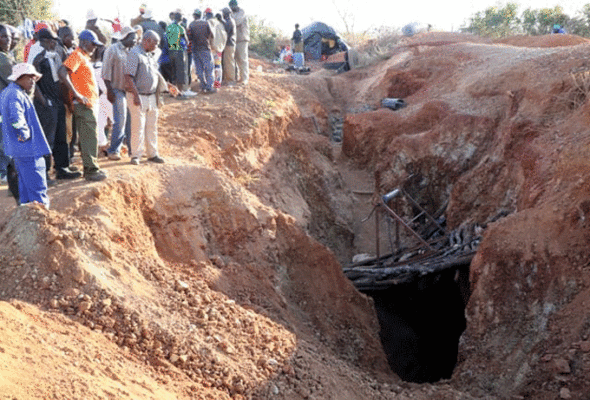
Five individuals, including a heavily pregnant woman and three relatives, tragically lost their lives on Sunday after their Honda Fit plunged into an abandoned chrome mining pit in Shurugwi, highlighting the dangers posed by unrehabilitated mining pits—a longstanding issue that has claimed numerous lives in mining areas across the country, Mining Zimbabwe can report.

By Rudairo Mapuranga

The incident underscores the critical need for stronger mining rehabilitation measures in Zimbabwe.

According to Shurugwi District Development Coordinator Romeo Shangwa, the fifth body was retrieved after water was pumped out of the 30-meter-deep pit overnight, following efforts by the police’s sub-aqua unit. Fortunately, one passenger managed to escape by swimming out of the flooded pit, but the other five occupants did not survive.

While this incident is devastating, it is not an isolated case. Unsecured and unrehabilitated mining pits continue to pose a significant threat to communities near mining areas. Disused pits, often left abandoned after mining activities cease, turn into death traps for both humans and wildlife, as evidenced by this latest tragedy.

The Chamber of Mines of Zimbabwe has long called for the introduction of a comprehensive Mining Rehabilitation Fund, which would mandate mining companies to set aside resources for rehabilitating mined land. Rehabilitation of mining sites involves filling in pits, managing waste dumps, and restoring the land to its natural state or to a safe and usable condition.

This tragedy, among others, has reignited the debate on the urgent need for this fund to be included in the Mines and Minerals Amendment Bill, a legislative step that would hold mining companies accountable for restoring the land once extraction activities are complete.

The Chamber of Mines has emphasized the importance of addressing this issue in the bill, as rehabilitation is crucial not only for preventing such accidents but also for reducing environmental damage. Without a mandatory rehabilitation fund, mining companies may abandon sites without any obligation to mitigate the risks associated with disused pits.

The failure to rehabilitate mining sites has far-reaching consequences, including environmental degradation, soil erosion, and the contamination of water sources. However, the most immediate and devastating impact is the risk posed to human life. Abandoned mining pits, often filled with water, become hazards that can easily trap vehicles, animals, or unsuspecting individuals.

In areas like Shurugwi, where mining is prevalent, local communities face constant danger from unmarked and unprotected mining pits. These areas become even more dangerous during the rainy season when water fills the pits, making them appear less hazardous than they actually are.

The incident in Shurugwi is a stark reminder of the urgent need for mining companies to take responsibility for the environmental and social impacts of their operations. The absence of a regulatory framework enforcing rehabilitation leaves communities exposed to unnecessary risks, while the environment continues to suffer long-term damage.

If implemented, the Mining Rehabilitation Fund could provide a systematic approach to ensuring that mining companies restore mined areas, reducing the risks associated with abandoned pits. By making rehabilitation mandatory and holding companies financially accountable, Zimbabwe can prevent future tragedies and ensure that mining activities are conducted in a more responsible and sustainable manner.

Inspector Emmanuel Mahoko, Midlands Police Spokesperson, stated that the names of the five deceased individuals are yet to be released. However, their deaths serve as a powerful call to action for all stakeholders in the mining sector. It is time for the government, mining companies, and communities to work together to prioritize safety and environmental stewardship, ensuring that no more lives are lost due to neglected mining practices.

The Mines and Minerals Amendment Bill, with the inclusion of provisions for a Mining Rehabilitation Fund, is a critical step in this direction. By taking action now, Zimbabwe can create a safer environment for its people while ensuring that the legacy of mining is one of sustainability rather than tragedy.

Watch: As the vehicle is retreaved from below the disused shaft https://www.facebook.com/share/r/1BP9fzsrq6/