Home Blog Page 126

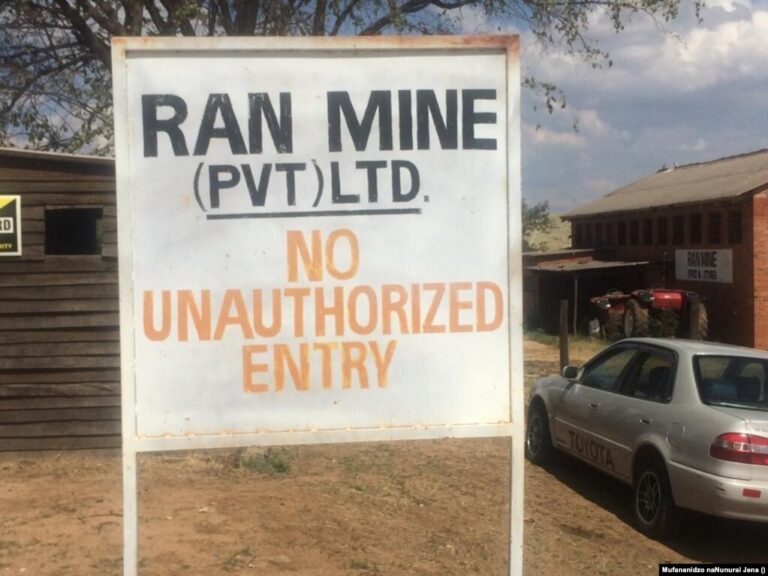
Ran Mine Targets 36% Surge in Gold Production in 2025 Amid Expansion

0

Ran Mine has set ambitious production targets for 2025, aiming for a 36% increase in gold output to reach 250 kilograms following recent capacity expansions. After exceeding internal expectations with 184 kg of gold produced in 2024, the mine is optimistic about its continued growth, supported by significant enhancements to its processing capabilities.

By Ryan Chigoche

The mine’s recent expansion efforts include the installation of a larger ball mill at the end of December 2024, which has significantly increased its milling and leaching capacity to 23,000 tonnes per month. This upgrade is a key development in improving production efficiency. With these improvements in place, Ran Mine is well-positioned to ramp up its output in 2025 and meet its ambitious production targets.

Looking ahead, Ran Mine plans to conduct a comprehensive scoping study by the end of 2025 to evaluate additional expansion opportunities. This study will assess potential investments in technology and further enhancements to the mine’s production capacity, with the goal of surpassing the 250 kg target.

However, this target is currently under threat due to a recent challenge faced by the mine. Operations were temporarily halted following a breach in the tailings storage facility (TSF), which caused tailings to spill into a nearby waterway.

Originally, Ran Mine had planned to build a larger TSF to the east of the processing plant, but delays in the Environmental Impact Assessment (EIA) process forced the company to seek an alternative solution. As a result, a temporary TSF was established to the west of the plant, closer to town, after receiving approval from the Environmental Management Agency (EMA).

This disruption could delay the mine’s ability to meet its ambitious gold production target of 250 kg for 2025, as resources are temporarily diverted to address the issue. Once the TSF challenge is resolved, the mine expects to resume production and continue its growth trajectory.

Ran Mine, located on the eastern edge of Bindura town in Mashonaland Central, has a rich and storied history dating back to 1899.

Mining operations began in earnest in 1910 and continued intermittently until the mine’s closure in 2000 due to low gold prices and technical difficulties. The mine’s reopening in October 2021, with the commissioning of a new crushing plant and trial processing plant, marked a significant turning point in its development.

Since then, the mine has seen continuous growth, including a second phase of expansion in November 2022, which introduced a trial open-pit mine. In 2024, the mine took another important step by decommissioning its trial ball mill in favor of a larger, more efficient model, further strengthening its processing infrastructure.
Kavango Completes Drilling Programme at Prospect 3, Hillside Gold Project

0

Kavango Resources, a London-listed mining company, has completed its initial resource drilling programme at the Prospect 3 target on the Hillside gold project in Zimbabwe.

By Ryan Chigoche

This drilling programme provided valuable geological data and samples that will be used for further testing, including assays, metallurgical, and geotechnical evaluations. These tests are crucial for defining a maiden resource estimate for the project.

The drilling involved 34 diamond drill holes, totaling 2,109 meters, and confirmed the presence of shear zones containing quartz veins beneath areas previously worked by artisanal miners. As part of its next steps, Kavango plans to carry out additional structural analysis to better understand the relationships between different vein sets and surrounding geological features, including shear zones, faults, and areas of mineralization.

Ben Turney, Chief Executive of Kavango Resources, commented on the progress: *”We are very pleased with how quickly our team has delivered this drill programme and are excited to receive the results. We have high hopes for our Hillside Gold Project, and if we are able to prove there is a minable resource at Prospect 3, we aim to bring that into production this year. We only set Kavango Zimbabwe up in July 2023, so to be on the cusp of hopefully moving one of our discoveries into production in such a short period of time is a significant achievement. We look forward to providing results in the next month or so.”

In addition to its focus on gold, Kavango is also prospecting for rare earth elements, iron ore, and copper throughout Southern Africa. The company is working on developing both open-pit and underground mines using modern mechanized techniques. The Hillside project, which includes the Nara project, features several high-priority targets. Prospect 3, in particular, is suited for open-pit selective bulk mining, with potential for underground mechanized mining. Meanwhile, Prospect 4 is being explored for its high-grade underground mining potential.

Geology of Prospect 3

At Prospect 3, the surface is covered by a thin layer (less than 1 meter) of soil and loose rocks. Beneath this, the northern part of the area features solid diorite and granodiorite, while the southern portion consists of older rocks such as metasediments (rocks formed from other rocks) and metavolcanics (rocks formed from volcanic activity), as well as Banded Iron Formation (BIF). The soil and rock cover is slightly thicker in the southern part (less than 2 meters), where the volcanic rocks are softer and break apart more easily.

Exploration drilling has revealed shear zones—areas where the rock has been weakened—that contain quartz veins. These shear zones are located beneath areas where artisanal miners have worked on the surface. The mineralization within these shear zones occurs in the diorite, granodiorite, metasediments, and metavolcanics. The shear zones generally run in a west-northwest to east-southeast direction, dipping towards the north-northeast. The areas where artisanal miners have worked on the surface seem to align closely with the mineral-rich zones observed in the drill core samples.

The project demonstrates significant growth potential, further enhanced by Kavango’s use of advanced exploration techniques. These methods are helping the company deepen its understanding of the mineralization at Hillside, positioning it for a more efficient and larger-scale operation. With these developments, Kavango is well-positioned to move forward with its production plans, reinforcing its commitment to bringing the project to fruition.

Gold Deliveries Increase by 38.63%, Driven by ASM Performance

0

Gold deliveries to the country’s sole operating buyer and exporter, Fidelity Gold Refinery (FGR), increased by 38.63% in February 2025 compared to the same month last year. The rise in deliveries continues to highlight the contribution of Zimbabwe’s Artisanal and Small-Scale Miners (ASM), despite a dip from the previous month’s record output, Mining Zimbabwe can report.

By Rudairo Mapuranga

Total deliveries for February 2025 amounted to 2,568.2544 kg, a significant increase from 1,853.0017 kg in February 2024. However, this marks an 18.06% decline from 3,134.3456 kg in January 2025.

ASM played a crucial role in February’s gold deliveries, contributing 1,640.3149 kg, which is a remarkable 89.79% increase compared to 864.3061 kg in February 2024. Despite the significant year-on-year improvement, ASM output saw a 27.61% decrease from the 2,265.5474 kg delivered in January 2025. The dip can be attributed to operational challenges and market fluctuations but remains impressive in driving national gold output.

In contrast, large-scale miners experienced a decline in their year-on-year output. Deliveries from large-scale producers in February 2025 stood at 927.9395 kg, a 6.14% decrease from 988.6956 kg in February 2024. However, large-scale deliveries showed a slight improvement from the 868.7982 kg delivered in January 2025, marking a 6.81% month-on-month increase.

The decrease in large-scale production over the past year reflects broader challenges faced by the sector, including operational constraints and investment shortages. Large-scale miners have struggled to regain the levels of output seen in previous years, placing more pressure on ASM to sustain overall gold production.

The first two months of 2025 have seen total gold deliveries of 5,702.6000 kg, signaling a strong start to the year despite the monthly decline in February. Comparatively, the surge in ASM output in January helped offset the slowdown in February, ensuring that 2025 remains on track to meet annual production targets.

In January 2025, total gold deliveries reached 3,134.3456 kg, up from 2,375.3259 kg in January 2024. ASM contributed a significant 2,265.5474 kg, compared to 1,333.4371 kg delivered in January 2024. Meanwhile, LSM saw a drop, delivering 868.7982 kg in January 2025, down from 1,108.8156 kg the previous year. The surge in ASM output highlights the vital role small-scale miners play in driving the country’s gold production despite the challenges faced by the LSM sector.

This rise in gold deliveries builds on the strong performance of 2024, where gold deliveries to FGR increased by 26.65%, with ASM dominating the sector with a 21.41% surge. Throughout 2024, small-scale miners consistently outperformed their large-scale counterparts, contributing nearly two-thirds of the total gold delivered. By year-end, ASM had delivered 23,745.6423 kg, while LSM accounted for 12,741.1103 kg, bringing total gold deliveries for 2024 to 36,486.7526 kg. This represents a 21.22% increase from the 30.1 tonnes delivered in 2023.

In December 2024 alone, ASM delivered 3,127.7228 kg of gold, marking a 19.57% increase from 2,615.8037 kg in November. In contrast, large-scale miners experienced a slight decline, delivering 1,034.517 kg, down 8.16% from November’s 1,126.3594 kg. The monthly fluctuations in gold deliveries reflected the volatility of the sector, but ASM’s consistent growth helped maintain overall stability.

This trend highlights the resilience of ASM miners in the face of challenges such as rising operational costs, erratic power supply, and unfavorable exchange rate policies. As a result, the sector has proven instrumental in keeping Zimbabwe’s gold output steady, compensating for the challenges faced by large-scale mining operations.

As 2025 progresses, it will be crucial to address the obstacles facing both ASM and large-scale miners to ensure continued growth in gold production. Early indications from January and February suggest that ASM will continue to be the driving force behind gold deliveries, while efforts must be made to boost large-scale production to balance the sector.

With the right support and incentives, Zimbabwe’s gold sector remains well-positioned to meet its annual production goals, further strengthening its role as a cornerstone of the national economy.

Gold buying prices per gram in Zimbabwe 06 March 2025

Gold buying prices per gram in Zimbabwe today 06 March 2025, from the official gold buyer and exporter Fidelity Gold Refinery (FGR).

SG 90% and ABOVE US$88.51g

SG ABOVE 85% BUT BELOW 90% US$87.57g

SG ABOVE 80% BUT BELOW 85% US$86.63/g

SG ABOVE 75% BUT BELOW 80% US$85.70/g

SAMPLE BELOW 10g BUT ABOVE 5g US$84.29/g

Fire Assay CASH US$88.97/g

NB: Fire Assay cash price is for gold above 100gs, no sample is deducted.

For the Fire Assay Transfer price, a sample of not more than 10g is deducted.

A 1% royalty is charged on all deposits (Small-Scale Miners ASM)

A 5% royalty is set for Primary Producers

ZERA Adjusts Fuel Prices: Diesel Drops, Petrol Rises

0

The Zimbabwe Energy Regulatory Authority (ZERA) has announced fuel price adjustments for March 2025, with diesel prices decreasing while petrol prices have risen.

By Ryan Chigoche

Diesel prices dropped by 3%, from US$1.58 in February to US$1.54 per litre, mainly due to fluctuating global oil prices and inconsistent demand. Meanwhile, petrol prices increased by 1% to US$1.55 per litre, up from US$1.53, largely driven by changes in ethanol blending ratios.

The decline in diesel prices comes as a relief to industries that rely heavily on the fuel, particularly mining companies, which use diesel-powered generators as backups during frequent electricity outages.

Many mining operations, especially in remote areas, face erratic power supplies and depend on diesel to maintain productivity. A reduction in diesel costs could slightly ease operational expenses for the sector, which is already grappling with high energy costs and foreign currency shortages.

The rise in petrol prices is linked to the reduction of the mandatory ethanol blend ratio from 15% to 10%. This adjustment follows routine maintenance by Zimbabwe’s major ethanol producers, Green Fuel in Chisumbanje and Tongaat Hulett Zimbabwe in Chiredzi, which has disrupted ethanol supply. A similar trend has been observed in previous years, with ethanol blending ratios sometimes dropping as low as 5% between February and April.

Since ethanol is cheaper than pure fuel, lowering its proportion in the blend increases the overall cost of petrol production, contributing to the price hike.

Additionally, international petrol prices rose between January 31 and February 27, 2025, amid ongoing geopolitical tensions. Russia’s continued Western sanctions have led to voluntary oil production cuts aimed at stabilizing global prices. In response, Russia has increased exports to Asian markets like China and India, forming new trade agreements with non-Western nations to offset its restricted access to Western markets.

Zimplats Renewable Energy Use Rises to 88% Amid Major Solar Expansion

0

Zimbabwe’s largest platinum producer, Zimplats, has significantly boosted its renewable energy use to 88%, a notable achievement in its journey towards sustainability, with the increase driven by a combination of hydropower and solar energy, making the company a leader in renewable energy adoption within the country’s mining sector, Mining Zimbabwe can report.

By Rudairo Mapuranga

According to Implats Group CEO Nico Muller, Zimplats completed the construction of a US$37 million, 35MW solar photovoltaic (PV) plant in 2024—the first utility-scale solar power plant of its kind in Zimbabwe and within the Implats group.

“Despite some projects being deferred due to depressed metal prices, we completed construction of a US$37 million 35MW solar plant at Zimplats. The plant is now fully operational and connected to the national grid,” Muller said.

Furthermore, Zimplats’ hydropower offtake agreement with Zambia’s Electricity Supply Corporation (ZESCO) was increased from 50MW to 70MW at the beginning of 2024. This raised Zimplats’ overall renewable energy consumption from 67% to an impressive 88%, positioning the company as a benchmark for sustainable energy practices in Zimbabwe.

Zimplats is already looking ahead with plans to begin the next phase of its ambitious 185MW solar project. The solar initiative is being developed in four phases, with the first 35MW phase already exceeding expectations by generating up to 36.5MW. This phase has been fully integrated into the national grid since August 2024.

As part of this ongoing expansion, the next phase will involve a 45MW addition at a cost of US$54 million. The company is currently securing funding for this phase, with agreements expected to be finalized soon. Once completed, the entire project will significantly bolster Zimbabwe’s renewable energy capacity and reduce dependence on non-renewable sources.

Zimplats’ renewable energy push comes at a time when the company is undergoing a broader US$1.8 billion expansion that includes new mining developments and additional processing capacity. The increased reliance on renewable energy sources is crucial for maintaining both operational efficiency and environmental sustainability, particularly as the mining industry faces global pressure to reduce its carbon footprint.

The renewable energy initiative aligns with Zimplats’ strategy to cut operational costs and improve sustainability. The investment in solar power is not just environmentally driven but also economically advantageous, as energy security remains a major concern in Zimbabwe’s power-challenged economy. The solar plant will help offset the impact of inconsistent power supplies, reducing reliance on fossil fuels while ensuring a more stable energy source for the company’s operations.

However, Zimplats is also navigating challenges within its broader operations. In the first half of its fiscal year, the company reported a 6% revenue decline, falling to US$350.2 million, due to lower production and sales volumes. Processing delays, including increased furnace lockup and the late commissioning of expanded smelter converters, contributed to a 15% reduction in 6E production, with the company producing 279,890 ounces, down from 327,810 ounces in the prior period.

Despite these setbacks, Zimplats remains committed to its long-term growth, with key projects like the smelter expansion and the installation of a sulphur dioxide abatement plant moving towards completion. The new smelter, which will increase processing capacity from 135,000 tonnes of concentrate per year to 380,000 tonnes, is expected to have a positive impact on the company’s output in the coming years.

Zimplats’ renewable energy initiatives underscore its broader commitment to sustainability and corporate responsibility. The use of both solar and hydropower not only helps the company meet its energy needs but also aligns with global trends toward greener mining practices.

With the completion of the first phase of its solar project and the next 45MW phase on the horizon, Zimplats is well-positioned to further reduce its carbon emissions and secure a more sustainable future for its operations. As the largest platinum producer in Zimbabwe, Zimplats’ leadership in renewable energy use sets a strong example for the mining sector and the country as a whole.

In the words of Nico Muller, “These initiatives are part of our broader vision to create a more sustainable and resilient operation, ensuring that we can continue to meet our production goals while minimizing our environmental impact.”

Zimplats’ continued investments in renewable energy and innovative technologies place it at the forefront of the mining sector’s transition towards a more sustainable and eco-friendly future. The company’s proactive approach to tackling energy challenges ensures its competitiveness in the evolving global market, while contributing positively to Zimbabwe’s economic and environmental landscape.

Kariba Power Generation Soars, Alleviating Pressure on Energy Supply

0

In a significant boost to Zimbabwe’s mining sector, electricity generation at the Kariba Hydroelectric Power Plant saw a remarkable surge on March 4th, reaching 485 megawatts (MW), a nine-month record high since June 2024.

By Ryan Chigoche

This increase brought today’s total output to 1,304 MW, up from 910 MW the previous day.

The surge in electricity production can be attributed to a rise in Lake Kariba’s water levels, which reached 9.6% on March 3rd, 2025, up from 6.17% on February 3rd, 2025.

This improvement in water levels is due to increased rainfall, as reported by the Zambezi River Authority. However, water levels still remain below last year’s figure of 15.36% for the same period.

This decline in water levels has contributed to a decrease in usable live storage for power generation, which has dropped to 6.21 billion cubic meters (BCM) from 9.95 BCM last year, reflecting a reduction in the available capacity for hydroelectric generation.

Furthermore, the Kariba Hydroelectric Power Plant, which has a capacity of 1,050 MW, has been generating only 185 MW per day in recent times.

The recent increase in electricity generation is crucial, especially as Hwange Unit 7 went offline for Class B maintenance from March 2nd to March 29th, removing 300 MW from the national grid.

The additional 300 MW from Kariba will help mitigate the gap in supply, assuming this generation level continues.

This surge in electricity generation also comes as a welcome development for Zimbabwe’s mining sector, which is heavily reliant on a steady and affordable power supply.

Mining operations, known for their substantial power requirements, have long struggled with power shortages and the high cost of diesel-powered generators. As many miners have yet to invest in solar plants due to the substantial capital needed for such investments, the increased electricity generation from Kariba offers critical relief.

The availability of more reliable and cheaper power will reduce the need for costly diesel backup systems, helping mining companies cut operational costs and improve their competitiveness.

Meanwhile, both Zimbabwe and Zambia remain heavily dependent on the Kariba Dam for electricity generation, making this boost in production even more vital for meeting national energy needs.

Gold buying prices per gram in Zimbabwe today 05 March 2025

Gold buying prices per gram in Zimbabwe today 05 March 2025, from the official gold buyer and exporter Fidelity Gold Refinery (FGR).

SG 90% and ABOVE US$88.28g

SG ABOVE 85% BUT BELOW 90% US$87.35g

SG ABOVE 80% BUT BELOW 85% US$86.41/g

SG ABOVE 75% BUT BELOW 80% US$85.48/g

SAMPLE BELOW 10g BUT ABOVE 5g US$84.08/g

Fire Assay CASH US$88.75/g

NB: Fire Assay cash price is for gold above 100gs, no sample is deducted.

For the Fire Assay Transfer price, a sample of not more than 10g is deducted.

A 1% royalty is charged on all deposits (Small-Scale Miners ASM)

A 5% royalty is set for Primary Producers

Contango Holdings Transitions to Cash-Generative Royalty Model for Steady Revenue Growth as Firm Remains in the Red Contango Holdings

0

Contango Holdings is transitioning into a cash-generative royalty company, capitalizing on its operations at Muchesu Mine to secure steady revenue streams and long-term growth. This shift follows the implementation of a Mineral Royalty Agreement (MRA) with its primary investor, designed to reduce operational risks while ensuring consistent cash flow.

By Ryan Chigoche

However, this strategic transition comes as the company remained in the red for the six months ending November 2024, posting a loss of US $1,152,324, although 17% lower than the $1,400,630 loss reported in the prior comparable period.

The strategic shift marks a defining period in the company’s history, significantly reducing previous risks associated with being the sole mine operator at Muchesu.

The move to a royalty-focused business model not only provides investors with substantial growth potential but also shields shareholders from uncertainties related to future operational costs, capital expenditure, and working capital requirements.

In the financial results for the six months ending November 30, 2024, Contango’s Chief Executive Officer, Carl Esprey, highlighted the transformation, stating,

“Contango continues to make strong progress as it transitions to a cash-generative royalty company, and I am pleased with the strides we have made during this defining period. The decision to transition to a royalty-focused company has removed a number of the previous risks associated with being the sole mine operator at Muchesu. This strategy not only offers our investors significant growth potential but also protects shareholders from changes to future operating, as well as capital expenditure and working capital funding requirements. Moreover, the company has now resized its cost base and expects to see the benefits of a leaner organisation flow through in the next financial year,” he said.

Under the MRA, Contango has already received $500,000 in royalties, with another $500,000 expected soon. A further $1,000,000 is projected for the second quarter of 2025, aligning with the MRA’s minimum annual royalty schedule of $2,000,000. This arrangement provides a consistent cash flow, supporting debt reduction and enhancing shareholder value, which will further narrow the company’s losses.

Looking ahead, royalty payments for the second half of 2025 and beyond will be directly linked to production levels at Muchesu. The investor, focusing on coking coal production and sales, will generate royalty payments of US$8 per tonne to Contango, creating a stable revenue model that supports long-term growth.

Additionally, Contango successfully raised £1,850,000 in gross proceeds following the publication of a Short Form Prospectus (SFP) in January 2025. The investor subscribed for 142,000,000 shares and later acquired additional shares on the open market, increasing its total holdings to 154,750,000 shares, approximately 20.42% of the company. This makes the investor the largest shareholder, further aligning its interests with Contango’s strategic direction.

The funds raised, alongside the received and expected royalty payments, will primarily be allocated to repaying outstanding investor loans. As of November 30, 2024, these loans stood at £4,418,062. Contango has reached an agreement with loan holders, many of whom are long-standing shareholders, to prioritize loan repayments before implementing its intended dividend policy. Any additional income will be directed toward general working capital, ensuring financial stability.

Commenting on the development, Chairman Roy Pitchford expressed optimism about the transition from a mining operation to a royalty-based business and its potential to create shareholder value.

“Looking forward, I remain highly optimistic about the outlook for the remainder of 2025 and beyond. We are well-positioned to transition from being a mining operation to a profitable royalty business, with the infrastructure now in place to support continued growth. As we ramp up production at Muchesu and begin to see the full impact of the DMS plants, we expect operational momentum to accelerate, translating into increased sales and higher royalty receipts. I am confident that the steps we have taken, alongside the continued support from our investor, will enable us to deliver on our strategy and create lasting value for all stakeholders.” Pitchford said.

The Board has pledged to provide shareholders with regular updates on Muchesu’s production levels, with royalty payments made one month in arrears. This structured approach aims to solidify Contango’s transition into a financially sustainable royalty business while delivering long-term value to stakeholders.

Contango also stated that its strategic alliance with Huo Investments Ltd, the investment vehicle of a prominent Zimbabwe-based Chinese national, is progressing well and is expected to drive significant advancements at Muchesu Mine.

The company further noted that the initial royalty payments under the MRA mark a significant milestone, with expectations of higher revenue as operations scale up. Esprey emphasized confidence in Huo Investments’ ability to establish a profitable operation at Muchesu, underlining the strong partnership and shared vision for growth. Additionally, he pointed out that the company’s streamlined cost structure would lead to improved financial efficiency in the coming year.

ZMF Celebrates Gold Incentive Breakthrough

0

Zimbabwe Miners Federation (ZMF) President Ms. Henrietta Rushwaya has hailed the reduction of the gold incentive threshold from 20 kilograms to 500 grams as a game-changer for Artisanal and Small-Scale Miners (ASM), Mining Zimbabwe can report.

By Rudairo Mapuranga

Speaking to this publication after Fidelity Gold Refinery (FGR) announced the new incentive policy, Rushwaya described the move as a direct response to the requests presented to FGR by the ZMF during their strategic workshop just a month ago.

“A very welcome and positive move indeed, especially after we presented the request to Fidelity barely a month ago on the need to differentiate incentives between producers and buyers,” said Rushwaya. “Coming up with such incentives encourages the ASM sector to produce more gold, thereby contributing significantly to economic growth. Such moves will make us more competitive in terms of production, thereby increasing our export receipts.”

The decision by FGR comes at a crucial time when the ASM sector is being recognized as a vital driver of Zimbabwe’s gold output, contributing significantly to the country’s foreign exchange earnings. The revised threshold makes it more accessible for small-scale miners, who often deliver smaller quantities of gold compared to large buyers, to benefit from the 5% incentive. In the past, the 20kg threshold was seen as benefiting gold-buying agents rather than individual small-scale miners, who rarely achieved such high delivery volumes.

The revision of the gold incentive comes at a time when gold deliveries to FGR have shown impressive growth, driven primarily by ASM’s strong performance. In January 2025, total gold deliveries increased by a staggering 31.94% compared to the same period in 2024, reaching 3,134.3456 kilograms, up from 2,375.3259 kilograms last year.

ASM led this surge, delivering 2,265.5474 kilograms, a remarkable 69.89% increase from the 1,333.4371 kilograms delivered in January 2024. Meanwhile, Large-Scale Miners (LSM) saw a 21.66% decline in their contributions, delivering 868.7982 kilograms compared to 1,108.8156 kilograms in January 2024. This shift highlights the increasing reliance on small-scale miners to maintain and grow Zimbabwe’s gold production.

Rushwaya emphasized that the new incentive would further motivate small-scale miners, making the 40-ton annual production target for 2025 “easily attainable.” This is especially significant, as ASM miners consistently delivered the majority of the country’s gold in 2024, accounting for over 65% of the total output.

The performance in January 2025 builds on the positive momentum seen throughout 2024. Gold deliveries to FGR in 2024 increased by 26.65%, with ASM contributing 21.41% more gold than in the previous year. By the end of the year, ASM miners had delivered 23,745.6423 kilograms, outpacing large-scale miners, who delivered 12,741.1103 kilograms. In total, Zimbabwe produced 36,486.7526 kilograms of gold in 2024, a 21.22% increase from 30.1 tonnes in 2023.

In December 2024, ASM delivered 3,127.7228 kilograms, marking a 19.57% increase from November’s 2,615.8037 kilograms. In contrast, large-scale miners experienced a slight decline, delivering 1,034.517 kilograms, down 8.16% from November’s 1,126.3594 kilograms.

The consistent growth in ASM deliveries reflects the resilience and adaptability of the sector despite the many challenges it faces, including rising operational costs and power shortages. Rushwaya noted that incentivizing ASM through policies like the revised threshold is key to sustaining this growth.

With the reduction of the incentive threshold and the continued strong performance of ASM, Zimbabwe’s gold production outlook for 2025 looks promising. The sector is set to continue playing a pivotal role in the country’s economic growth, with small-scale miners now better positioned to benefit from the incentives in place.

However, for long-term success, both ASM and LSM sectors must address their respective challenges. While ASM is gaining momentum, large-scale mining operations must work towards overcoming the operational and infrastructural hurdles that have caused their decline in production. Ensuring a balanced contribution from both sectors will be vital in achieving sustained growth in Zimbabwe’s gold mining industry.

The move by FGR to lower the gold incentive threshold will undoubtedly empower ASM miners, aligning with Zimbabwe’s broader goals of increasing gold production and export receipts, further cementing the sector’s importance to the national economy.