Home Blog Page 136

Zimplats Spends US$339M on Key Projects Despite Rising Operational Costs

0

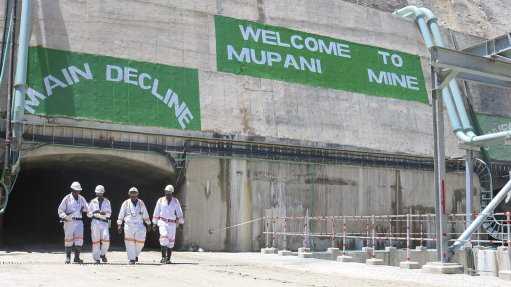
Leading platinum group miner Zimplats Holdings Limited cumulatively spent US$339 million during the quarter ending December 31, 2024, as it advanced major projects such as the Mupani Mine, smelter expansion, SO2 abatement plant, and solar plant initiatives, Mining Zimbabwe can report.

By Ryan Chigoche

The company continued to scale its operations despite rising operational costs and specific production challenges, including a decline in production volumes, which impacted performance during the quarter.

During this quarter, the PGM miner allocated a total of US$339 million towards its ongoing projects.

This represents a decrease from the US$413 million spent in the previous quarter, primarily because no capital expenditure was directed towards the Bimha Mine in the December period.

Despite this reduction, significant investments in key projects are positioning the company for future growth.

The Mupani Mine, which will replace the depleted Rukodzi and Ngwarati mines, is progressing as planned, with full production of 3.6 million tonnes per annum scheduled for the first half of the fiscal year 2029. By December 31, 2024, US$339 million had been spent on the mine, which is part of a total project budget of US$386 million.

The smelter expansion and SO2 abatement plant projects are also moving forward, with US$443 million spent to date, against a project budget of US$544 million.

The first phase, which includes the expanded smelter and off-gas handling facilities, was technically completed by the end of December, with converter commissioning ongoing.

The solar plant, which was commissioned in August 2024, has already reached its design generation capacity. This project saw a cumulative spend of US$37 million in the quarter.

Additionally, the company reported that the Base Metal Refinery refurbishment project is progressing well, with US$32 million spent so far, against a total budget of US$190 million.

However, the progress of these major projects came amid rising operational costs. Operating cash costs increased by 3% year-on-year and quarter-on-quarter, largely due to higher power costs following the commissioning of the expanded smelter. Additionally, timing differences related to the replacement of major engineering components further contributed to the increase.

Mined volumes were hampered by poor trackless mobile machinery (TMM) availability and intermittent power supply interruptions. Total volumes were down by 7% year-on-year and 8% lower than the previous quarter.

On a positive note, production from the Ngwarati Mine, which ceased primary operations in June 2024, was successfully replaced by a combination of higher output from pillar reclamation at the Rukodzi Mine and production volumes from Mupani Mine.

During the quarter, US$18.5 million was transferred to closing stocks, largely driven by the accumulation of concentrate and furnace stocks ahead of commissioning. This was coupled with efforts to optimize the increased smelting and converting capacity at the metallurgical complex.

As a result of these adjustments, the cash cost of metal produced decreased by 10% year-on-year and 4% quarter-on-quarter. However, the operating cash cost per 6E ounce rose to US$935, marking a 13% increase year-on-year and 11% quarter-on-quarter, primarily driven by the impact of lower production volumes during the quarter.

Exploration activities were limited this quarter, as metal prices remained depressed. As a result, the company’s focus shifted towards interpreting previously drilled cores and updating the Group’s geological and mineral resource models.

Despite these operational challenges, Zimplats remains on track with its key projects.

The Mupani Mine, smelter expansion, and solar plant are progressing as planned, ensuring the company is positioned for future growth, even as it navigates the impact of rising operational costs and production constraints during the quarter.

African Mining Leaders Chart the Industry’s Future at Ministerial Symposium

0

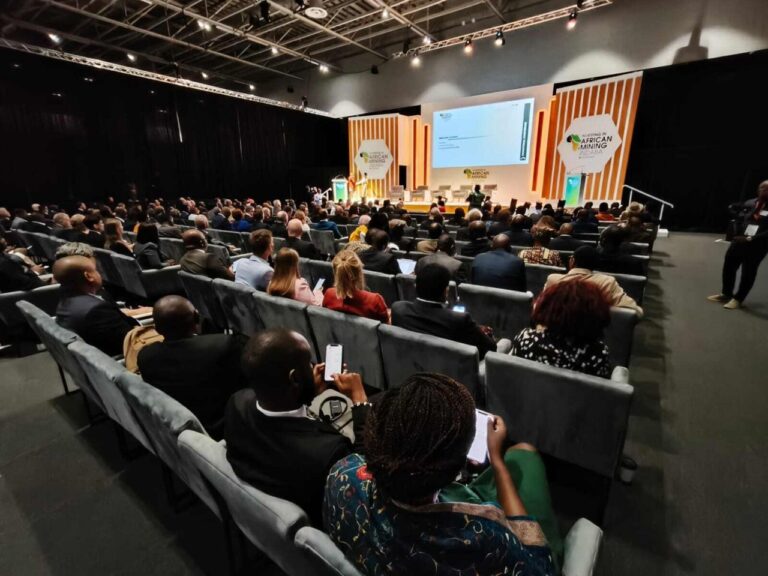
More than 20 African Ministers and Deputy Ministers responsible for mining and natural resources, along with key global representatives, met privately with CEOs of leading mining companies. Their discussions centred on critical issues impacting the continent’s mining sector and how to ensure Africa’s mineral wealth fuels its development.

Held as part of the Investing in Africa Mining Indaba 2025, the high-level Ministerial Symposium focused on addressing pressing challenges and unlocking new opportunities within the mining sector. Key topics included critical minerals and their relevance to Africa’s needs, as well as downstream beneficiation.

This sentiment was echoed by Mr Denys Denya, Senior Executive Vice President, Afreximbank Group: “Africa is standing at a crossroads… We can either continue exporting our wealth… or we can take bold steps to own our resources, create jobs, and build industries that sustain prosperity for generations. The choice is ours. The time to act is now.”

Held under the theme “Building a Unified African Mining Value Chain: Enhancing Best Practice”, the Ministerial Symposium reaffirmed its role as a platform for change. Discussions explored key issues such as permit issuance, resource stewardship, and downstream value addition, with a critical emphasis on establishing clear timelines for addressing these challenges.

Mr Frans Baleni, Chairperson of the Hyve Events SA Advisory Board, opened the symposium, highlighting its importance in shaping the future of the African mining industry. Highlighting the disparity between Africa’s mineral wealth and its economic reality. Minister Gwede Mantashe, Minister of Mineral Resources and Energy, referred to the Symposium’s focus on best practices across the mining value chain, he stated, “This talks about a continent that is rich in mineral deposits but poor. We call upon all ministers to begin to temper with that”.

“The Ministerial Symposium provides a vital space for policymakers and industry leaders to commit to solutions. Collectively, they set realistic targets and track progress in resolving some of the industry’s most pressing issues,” said Ms Zeinab El-Sayed, Head of Government Partners at Mining Indaba.

Key Outcomes and Commitments

The Ministerial Roundtable sessions introduced expanded UN-style breakout discussions, accommodating larger groups to encourage inclusive and solution-driven conversations.

Key objectives outlined included:

  • Enhancing the efficiency of mining permit approvals to streamline investment and project development.
  • Strengthening resource stewardship to ensure sustainable mining practices and equitable benefit distribution.
  • Promoting domestic mineral processing and downstream value addition to maximise economic resilience and benefits for local communities.

“The insights and recommendations from this high-level dialogue will inform actionable policies and partnerships to drive progress across the sector,” Ms El-Sayed concluded.

The Investing in African Mining Indaba 2025 officially opens on Monday. It promises to be a platform where African voices take centre stage, driving the global conversation on responsible resource development.

Gold buying prices per gram in Zimbabwe, 3 February 2025

These are the official gold buying prices per gram in Zimbabwe today 3 February 2025, from the official gold buyer and exporter Fidelity Gold Refinery (FGR).

SG 90% and ABOVE US$85.43/g
SG ABOVE 85% BUT BELOW 90% US$84.53g
SG ABOVE 80% BUT BELOW 85% US$83.62/g
SG ABOVE 75% BUT BELOW 80% US$82.72/g
SAMPLE BELOW 10g BUT ABOVE 5g US$81.36/g

Fire Assay CASH $85.88/g

NB: Fire Assay cash price is for gold above 100gs, no sample is deducted.
For the Fire Assay Transfer price, a sample of not more than 10g is deducted
A 2% royalty is charged on all deposits (Small-scale miners)
A 5% royalty is set for Primary Producers

Cash available. Fidelity Gold Refinery prices will be changing daily to match the world market.

Mining Zimbabwe distributing edition 77 at Mining Indaba 2025

0

Cape Town, South AfricaMining Zimbabwe, the leading publication covering Zimbabwe’s mining sector, is proud to announce the distribution of its highly anticipated Edition 77 at the Investing in African Mining Indaba 2025, the continent’s premier mining conference.

As global industry leaders, investors, policymakers, and stakeholders gather in Cape Town from February 3 to 6, 2025, Mining Zimbabwe will ensure that Zimbabwe’s mining developments, opportunities, and challenges take centre stage through its latest publication.

A Special Edition for a Global Audience

Edition 77 of Mining Zimbabwe highlights key industry trends, policy updates, investment opportunities, and expert insights that shape the country’s mining landscape. With Zimbabwe being home to vast deposits of lithium, gold, platinum, and other critical minerals, this edition provides essential information for stakeholders looking to tap into the nation’s vast resource potential.

The Cover of the edition features Intrachem an explosives & accessories manufacturer and leading distributor in Zimbabwe.

The main stories include an exclusive interview with the Minister of Mines and Mining Development Hon Winston Chitando. The interview is centred around the investment climate in Zimbabwe. Another interview features the Minerals Marketing Corporations’ General Manager Dr Nomusa Jane Moyo.

Commenting on the Mining Zimbabwe’s initiative, Managing Director Mr Keith Sungiso said

“The Mining Indaba is an excellent platform to showcase Zimbabwe’s mining sector to the world. Edition 77 features exclusive interviews, project updates, and in-depth analyses that offer valuable insights into the country’s evolving mining environment.”

As Zimbabwe continues to position itself as a key player in the global mining value chain, Mining Zimbabwe’s presence at the Mining Indaba 2025 reinforces the country’s commitment to transparency, responsible mining, and investment-friendly policies.

Part of this edition mainly comprises:

  • Lithium Boom: The latest projects and developments in Zimbabwe’s lithium sector.
  • Gold and Platinum Industry Updates: Progress in mining and beneficiation initiatives.
  • Policy and Regulatory Changes: Updates on government initiatives to support mining growth.
  • Sustainability and ESG (Environmental, Social, and Governance): How Zimbabwe is adapting to global mining standards.
  • Technology and Innovation: The role of automation, AI, and digital solutions in Zimbabwean mining.

Participating companies

Intrachem (Cover), Hwange Colliery (Page 2), Zuva (page 3), Crest Chemicals, Mine Entra (ZITF), Lauryn Elec, Ministry of Mines and Mining Development, Performance Laboratories, Tandamanzi drilling, MMCZ, Fidelity Gold Refinery (FGR) Back cover, Victoria Falls oasis, FirstLink Insurance, Headouph Engineering, AMMZ, First Grade Incorporation, Boltgas, Embassy of Sweden, Cell Insurance, Ecobank, the Gem, Dandemutande, ZIMPLOW, VTU Platinum, MSC, ZIDA, Scout Aerial Africa, CBZ Bank, RAGNAROCK DRILLING and Fams Freight forwarding.

Getting a copy

Attendees at the Mining Indaba 2025 can get their copies of Edition 77 at strategic distribution points within the conference venue. The Mining Zimbabwe team will also be available for networking, business discussions, and media engagements, further cementing the publication’s role as a vital voice in Africa’s mining dialogue.

About Mining Zimbabwe

Listed as a Silver Media Partner, Mining Zimbabwe is Zimbabwe’s leading mining publication, dedicated to providing in-depth coverage of the mining sector. It is globally recognised as one of the biggest Mining publications which has a huge following from Industry leaders and professionals ranging from Engineers, Geologists and various mining disciplines. With a focus on news, investment opportunities, policy and industry trends, the magazine serves as a key resource for miners, investors, and policymakers.

For more information on Edition 77 and its distribution at Mining Indaba 2025, visit www.miningzimbabwe.com or contact the editorial team at +263 772 701 730.

African Countries to Adopt Best Practices to Combat Illicit Flows in the Mining Sector

0

In efforts to combat illicit financial flows in the continent’s extractive sector, African countries are being advised to adopt global best standards, Mining Zimbabwe can report.

By Ryan Chigoche

This development comes as African countries face an even greater challenge of ‘fairness,’ as mineral-rich nations are not collecting the type of tax revenues from their resources that their production value would suggest.

According to United Nations Conference on Trade and Development (UNCTAD) data, Africa’s mining sector is estimated to lose around $40 billion annually through illicit financial flows, with the majority of these losses concentrated in the gold trade (77%), followed by diamonds (12%) and platinum (6%), representing a significant portion of the continent’s total illicit financial outflows.

The Global Financial Integrity also reported that Africa bears the most disproportionate burden of unrecorded cross-border financial outflows as a percentage of gross domestic product (GDP), representing approximately 8.6% of the continent’s GDP.

This shows that over the years, cross-border illicit financial leakages have been draining away much-needed resources that would otherwise be available to finance development priorities across the continent.

Speaking to Mining Zimbabwe, Mineral Economist and Deputy Chairman at the Institute of Mining Research, Lyman Mlambo, acknowledged the prevalence of illicit financial flows in the continent’s extractive sector and called on Africa to adopt global best standards to combat the issue.

“Illicit flows in the sector are common throughout Africa due to a lack of effective transparency and accountability mechanisms. As a continent and as individual countries, Africa suffers from transfer mispricing, thin capitalization, and re-invoicing, which are all profit-shifting measures practiced by big multinational mining corporations whose headquarters are in other continents,” he said.

“To combat illicit flows in the mining sector in Africa, all African countries need to adopt international best practices in transparency and accountability, such as the Extractive Industries Transparency Initiative (EITI) and other standards consistent with responsible mining, sourcing, and traceability. This will definitely dismantle illicit networks across Africa and related networks outside the continent. Achieving this requires collaboration among African countries,” Mlambo added.

The Extractive Industries Transparency Initiative (EITI) is a global standard that promotes transparency and accountability in the management of oil, gas, and mineral resources. It requires companies to disclose information about payments to governments and revenues to the public, thereby promoting a better understanding of natural resource management.

Common methods of illicit financial flows in the mining sector include trade misinvoicing, transfer pricing, and underreporting of mineral quantities. Trade misinvoicing involves misstating the value of exports or imports to evade taxes, while transfer pricing allows companies to manipulate prices within their subsidiaries to shift profits across borders and avoid paying proper taxes. Underreporting mineral quantities, on the other hand, enables firms to conceal actual production levels, further depriving governments of critical revenues. Together, these deceptive practices undermine economic stability and hinder national development by diverting vital funds away from public coffers.

Illicit financial flows are hidden by nature, making it difficult for tax authorities to track them. Illegal exploitations also create opportunities for under-declaration of production, leading to under-taxation in the mining sector. With a large section of the sector operating informally (ASM), it is important to formalize artisanal and small-scale mining so that African countries can fully account for their mineral wealth.

Other experts who spoke to this publication emphasized that good governance is key to mobilizing adequate domestic resources and plugging loopholes that facilitate illicit financial outflows. Good governance entails the ability to formulate and implement effective strategies, policies, laws, and regulations to optimize revenue collection from the mineral sector.

Africa is home to over 30% of the world’s mineral reserves. The Democratic Republic of Congo (DRC) alone accounts for over 70% of global cobalt production, while countries like Zimbabwe, Mozambique, and South Africa hold significant shares of the world’s lithium, graphite, and platinum reserves.

However, despite this abundance, the continent is missing out on its potential economic benefits due to illicit financial flows.

Zimbabwe Must Balance Natural Resources in Green Energy Transition

0

As Zimbabwe and the rest of the world accelerate efforts toward a cleaner, greener future, there is a growing call for the country to balance its vast natural resources with the global demand for a sustainable energy transition. At the core of this debate is the need to ensure that economic development, environmental protection, and societal welfare go hand in hand.

By Rudairo Mapuranga

The notion of a “just transition” has become a key point of discussion, particularly in nations like Zimbabwe, where reliance on fossil fuels remains deeply rooted in the economy, yet the country is emerging as a critical player in the green mineral value chain.

Speaking at the inception meeting for the “Supporting a Just Transition Through Responsible Business Conduct (RBC)” project, held by the Zimbabwe Environmental Law Association (ZELA), Hon. Sam Matema, Chairperson of the Parliamentary Portfolio Committee on Environment and Climate, underscored the complexity of balancing traditional energy resources with the aspirations of a green economy.

He highlighted the opportunities that Zimbabwe holds, particularly its abundant coal reserves and rich deposits of lithium, which is essential for the production of batteries in electric vehicles. However, Matema also stressed the contradictions that arise from such opportunities.

“We are sitting on 26 million tonnes of coal, which presents a massive opportunity for economic development. But at the same time, we face the global demand to transition to clean energy. For too long, we have relied on carbon fuels and have not been responsible stewards of our environment. Now, as we look ahead, we must consider how to balance the resources we have with the need to transition to green energy in a way that leaves no one behind,” Hon. Matema said.

Indeed, this balance is at the heart of the concept of a “just transition,” which is meant to ensure that as nations shift toward sustainable energy, the social and economic impacts on communities, particularly those dependent on traditional energy industries, are mitigated. For Zimbabwe, the challenge lies not only in moving away from coal and other fossil fuels but also in ensuring that new economic opportunities, such as lithium mining, are managed in a way that benefits the country and its citizens.

Zimbabwe’s green energy transition is intricately linked to the responsible extraction and beneficiation of minerals like lithium. The country ranks among the top lithium producers globally, and Hon. Matema stressed the importance of local beneficiation.

“We cannot afford to simply export our minerals without processing them here. The beneficiation should take place in Zimbabwe, ensuring that we maximize the benefits for our people,” he said.

However, questions remain about how Zimbabwe will navigate its reliance on coal while transitioning to greener energy sources. Matema pointed to the importance of clean energy solutions for the mining sector, which remains one of the largest consumers of energy in the country. The government has previously indicated that solar and hydro projects are part of the long-term strategy, but progress has been slow.

“We need energy in the mining sector, and the energy we need in this transition must be clean. Yet for too long, we have neglected responsible environmental practices in our mining operations,” Matema said.

While the government is keen to promote responsible business practices in the extractive industries, Matema acknowledged that there are significant contradictions in the country’s energy policy. The recent decommissioning of the Kariba Hydro Plant was caused by climate change, but coal continues to provide much-needed electricity. The solution, according to Matema, lies in deploying technology and innovation to mitigate the negative impacts of coal usage.

“We need to deploy artificial intelligence and other technologies that can help capture harmful emissions while allowing us to benefit from the resources we have,” he said.

Zimbabwe is not alone in facing this dilemma. Across the globe, nations that have historically relied on fossil fuels are grappling with how to transition to clean energy while maintaining economic stability. However, Matema was clear that Zimbabwe must forge its own path—one that prioritizes local solutions over-reliance on external prescriptions from the Global North.

“We cannot continue to rely on the Global North for answers. As we transition, we must domesticate our solutions and ensure that they align with our realities,” Hon. Matema said.

As Zimbabwe moves forward with projects like the RBC initiative, there is a need for greater collaboration between the government, civil society, and the private sector to ensure that the energy transition is not only green but also just. The stakes are high: failure to balance economic development with environmental protection could leave the country trapped in a cycle of resource exploitation without reaping the full benefits of its natural wealth.

Hon. Matema emphasized the importance of developing a bold, forward-thinking strategy to ensure Zimbabwe is not left behind.

“Let’s be clear on our exit strategy for coal, and let’s ensure that as we move toward a green economy, no one and no place is left behind,” he said.

Discovery Ambulances to Offer Free First Aid Training to ASM

0

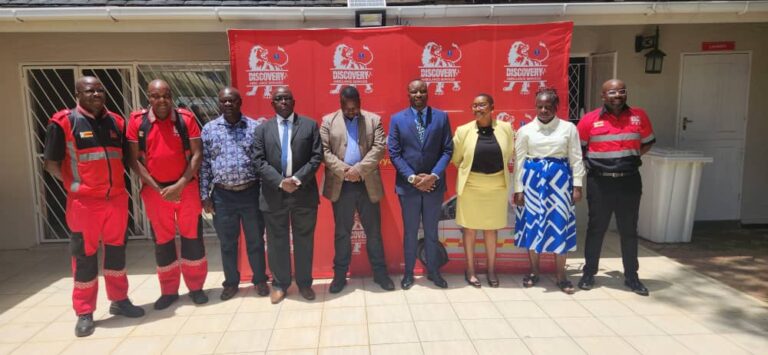
In a groundbreaking partnership to enhance safety within Zimbabwe’s Artisanal and small-Scale Mining (ASM) sector, Discovery Ambulances has joined forces with the Zimbabwe Miners Federation (ZMF) to offer free first aid training to miners. The agreement, finalized during a signing ceremony on Friday, marks a significant step toward improving health and emergency response in the mining industry, Mining Zimbabwe can report.

By Rudairo Mapuranga

Speaking on the sidelines of the signing ceremony, David Munowenyu, CEO of Discovery Ambulances, highlighted the importance of the initiative, stating that it will help ASM miners prioritize their safety and support each other in emergencies.

“We are providing miners with critical first aid skills to manage medical emergencies, ensuring they can respond effectively in case of accidents in the mines or even at home. This training is free, and it’s vital for improving safety standards in the sector,” he said.

In addition to offering free first aid training, Discovery Ambulances will introduce a US$2 per month health package for ZMF members, which includes comprehensive ambulance services. These services cover emergency medical transportation, on-site medical response, and pre-hospital care, making Discovery Ambulances a crucial healthcare provider in Zimbabwe. The company also offers specialized services such as ambulance cover for individuals and businesses, event medical coverage, and occupational health services.

The partnership will also involve the distribution of first aid kits to miners, equipping them with essential tools to respond quickly to emergencies. Additionally, health checks and treatment for conditions such as high blood pressure and diabetes will be provided as part of a broader outreach program.

ZMF’s Acting CEO of FS Mining, Edmore Chitsungo, expressed his enthusiasm for the collaboration, stating that it will help raise safety awareness within the ASM sector.

“Safety is crucial in our mining operations, and this partnership ensures our miners are well-equipped to handle the risks they face daily. It’s a major win for the sector,” he said.

With its wide range of emergency medical services, Discovery Ambulances is poised to make a lasting impact on the health and safety of Zimbabwe’s small-scale miners. This initiative, which targets over 1.5 million miners employed in the ASM sector, is expected to improve health awareness and emergency preparedness across mining communities significantly.

Showcasing Beneficiation and Value Addition Opportunities in Zimbabwe’s Mining Sector

0

The mining sector in Zimbabwe is pivotal to the nation’s economic growth, contributing 70 percentage to the GDP and providing employment for thousands. However, despite this wealth, the country continues to lag behind when it comes to beneficiation and value addition. Raw materials, especially minerals like chrome, antimony, lithium, platinum group metals (PGMs), diamonds, semi-precious stones among others continue to dominate the country’s export list, depriving Zimbabwe of the economic benefits that come with local processing and manufacturing.

By Rudairo Mapuranga.

Beneficiation, the process of improving the economic value of minerals through local processing, and value addition, which involves turning minerals into finished products, are both essential for Zimbabwe to maximize the benefits from its abundant mineral resources. These processes not only create employment but also drive economic growth, reduce dependence on raw material exports, and develop local industries.

Beneficiation Opportunities in Zimbabwe

Zimbabwe’s mining sector is incredibly diverse, with deposits of chrome, antimony, diamonds, coloured gemstones, lithium, PGMs among others. However, the country’s failure to establish beneficiation plants has limited the full exploitation of these resources. As recently noted by Zimplats CEO, Alex Mhembere, during a value addition discussion, “We need to prioritize building infrastructure that can beneficiate these minerals in-country, otherwise we will always be exporting jobs and value to other countries.”


  1. Chrome Beneficiation

Zimbabwe boasts some of the largest chrome reserves in the world, primarily located in the Great Dyke. Despite being one of the top producers of chrome, the country continues to export raw chrome ore, losing out on the benefits of local smelting and refining. Local chrome beneficiation would allow Zimbabwe to produce ferrochrome and other high-value products that can be sold at premium prices.

The construction of smelting plants to convert chrome ore into ferrochrome would not only create jobs but would also lead to the establishment of downstream industries such as stainless steel manufacturing. However, this potential remains largely untapped. Zimbabwe is lagging in chrome beneficiation, and investors in this area could reap significant rewards by capitalizing on the country’s resources and its strategic location near major markets.


  1. Antimony and Coloured Gemstones

Antimony, a critical mineral used in flame retardants and other industrial applications, has vast potential in Zimbabwe. Beneficiating antimony locally, instead of exporting raw ore, would open up new revenue streams for the country. The same is true for coloured gemstones such as amethyst, emeralds, and tourmaline, which can be cut and polished in Zimbabwe to increase their market value.

Zimbabwe is rich in semi-precious stones, yet the country has not fully capitalized on this wealth. By investing in cutting and polishing plants, Zimbabwe could establish a billion-dollar coloured gemstone industry similar to that of China, which dominates the global gemstone market. Zimbabwe’s coloured gemstones have the potential to create a vibrant local jewellery industry, adding significant value before export.


  1. Diamonds

Zimbabwe’s diamond industry, particularly in the Marange fields, has gained international recognition. However, the country remains largely an exporter of raw diamonds, while the true economic benefits lie in cutting, polishing, and manufacturing diamonds into finished jewellery. Establishing diamond cutting and polishing centres locally would significantly increase the revenue generated from this resource.

Countries like Botswana have successfully implemented diamond beneficiation strategies that have created jobs and developed the local economy, providing a clear blueprint for Zimbabwe to follow. Investing in diamond beneficiation plants would also help Zimbabwe create a home-grown market for its diamonds, reaching both African and global markets.


  1. Lithium Beneficiation

Lithium, often dubbed the “new gold” due to its critical role in the global green energy transition, is one of Zimbabwe’s most exciting mineral resources. The Arcadia Lithium Project, which was sold by Prospect Resources for a staggering US$422 million to China’s Zhejiang Huayou Cobalt, is a clear indicator of the global appetite for Zimbabwe’s lithium.

However, exporting raw lithium ore is far from maximizing its value. Zimbabwe has the potential to become a leader in lithium battery production by investing in local processing facilities that can convert lithium into battery-grade material. Junior mining professionals in Zimbabwe have been pushing for investment in battery manufacturing, which could revolutionize the local industry and establish Zimbabwe as a global player in the energy storage market.

Value Addition Opportunities in Zimbabwe

The push for value addition in Zimbabwe has been gaining momentum, with the government and industry players alike recognizing the importance of creating finished products locally. The following sectors offer significant value addition opportunities that can attract both local and foreign investment.


  1. Lithium Battery Production

As the world shifts towards green energy, the demand for lithium-ion batteries has skyrocketed. Zimbabwe, with its vast lithium reserves, is well-positioned to become a leader in battery production. Currently, the country exports lithium concentrate, but investing in local battery manufacturing facilities would allow Zimbabwe to capture more value from this resource.

Junior mining professionals in Zimbabwe have been actively advocating for the establishment of lithium battery manufacturing plants. This would not only create jobs but would also position Zimbabwe as a key player in the global electric vehicle and energy storage markets. However, significant investment is needed to develop the infrastructure and expertise required to produce batteries locally.


  1. Coal Value Addition: Thermal Power Plants

Zimbabwe is also rich in coal, particularly in the Hwange area. Instead of simply exporting coal, the country could add value by using it to generate electricity through thermal power plants. This would help meet Zimbabwe’s energy needs while reducing its reliance on energy imports. Furthermore, excess power could be exported to neighboring countries, generating additional revenue.

Value addition in the coal sector would not only boost the local economy but also contribute to Zimbabwe’s industrialization agenda by providing reliable energy for industries. The government has already expressed interest in establishing more thermal power plants, but progress has been slow. Now is the time for investors to step in and fund these projects, which hold the potential for significant returns.


  1. Steel Manufacturing: The Zisco Steel Project

The revival of the Zisco Steel project is one of Zimbabwe’s most ambitious value addition initiatives. Once the largest integrated steelworks in Africa, Zisco Steel has the potential to significantly boost the country’s industrialization and economic growth. The project, which aims to restart steel production in Zimbabwe, is key to local value addition.

When fully operational, Zisco Steel will process iron ore mined locally and convert it into finished steel products, which will be used in construction, manufacturing, and infrastructure projects across the continent. This will reduce Zimbabwe’s reliance on steel imports and create a vibrant local steel industry. However, as with many value addition projects in Zimbabwe, the Zisco Steel plant requires significant investment to get off the ground. Investors who see the potential in the steel industry would do well to consider backing this project.


  1. Jewellery Manufacturing from Coloured Stones

Zimbabwe’s rich deposits of coloured gemstones present a unique opportunity for value addition through jewellery manufacturing. Establishing a local jewellery industry would allow Zimbabwe to create high-end products from its gemstones, catering to both African and international markets.

By investing in jewellery manufacturing facilities, Zimbabwe could tap into the growing demand for luxury goods, particularly in emerging markets. Creating a home-grown market for jewellery made from Zimbabwe’s coloured stones would not only increase revenue but also promote Zimbabwean craftsmanship and design on the global stage.

Countries like India and China have demonstrated how local gemstone cutting and jewellery manufacturing can transform a semi-precious stone industry into a multi-billion-dollar sector. Zimbabwe has all the resources necessary to replicate this success, but significant investment is needed to develop the infrastructure and expertise required for local jewellery manufacturing.

Zimbabwe Lagging Behind in Value Addition

Despite the immense potential for beneficiation and value addition, Zimbabwe continues to lag behind in these areas.

Raw materials still dominate the country’s export list, with minimal progress made towards developing local processing industries. This is a clear indication that Zimbabwe is missing out on the full economic benefits of its mineral wealth.

Government officials have repeatedly called for the prioritization of value addition, but progress has been slow. A proposed minerals value addition plant, which was meant to be constructed with government support (Mapinga Mines to Energy Park), has yet to materialize. This project has been the subject of much talk, but little action, leaving Zimbabweans wondering when concrete steps will be taken to move the value addition agenda forward.

Incentives for Beneficiation and Value Addition

To attract investors to the beneficiation and value addition sectors, the Zimbabwean government has introduced various incentives. The government is offering tax breaks, reduced royalties, and other financial incentives to encourage the establishment of beneficiation plants. These incentives are aimed at making Zimbabwe a more attractive destination for investment in mineral processing and manufacturing.

Conclusion

The opportunities for beneficiation and value addition in Zimbabwe’s mining sector are vast, but they remain largely untapped. From chrome and antimony to lithium and PGMs, Zimbabwe has the resources needed to develop a thriving local industry that processes and adds value to its minerals. However, significant investment is required to build the infrastructure, develop the expertise, and establish the industries necessary to achieve this goal.


Gold buying prices per gram in Zimbabwe today 30 January 2025

These are the official gold buying prices per gram in Zimbabwe today 30 January 2025, from the official gold buyer and exporter Fidelity Gold Refinery (FGR).

SG 90% and ABOVE US$83.74/g
SG ABOVE 85% BUT BELOW 90% US$82.85g
SG ABOVE 80% BUT BELOW 85% US$81.97/g
SG ABOVE 75% BUT BELOW 80% US$81.08/g
SAMPLE BELOW 10g BUT ABOVE 5g US$79.75/g

Fire Assay CASH $84.18/g

NB: Fire Assay cash price is for gold above 100gs, no sample is deducted.
For the Fire Assay Transfer price, a sample of not more than 10g is deducted
A 2% royalty is charged on all deposits (Small-scale miners)
A 5% royalty is set for Primary Producers

Cash available. Fidelity Gold Refinery prices will be changing daily to match the world market.

WIM Zimbabwe to Spotlight Women’s Challenges at Pre-Mining Indaba Event

0

Women in Mining (WIM) Zimbabwe is set to host a Pre-Africa Mining Indaba event aimed at addressing key issues affecting women in artisanal small-scale mining (ASM).

By Ryan Chigoche

The event will serve as a platform to explore strategies for empowering women in ASM by identifying effective approaches and actionable steps to foster progress.

For years, women engaged in ASM in Zimbabwe have encountered numerous obstacles, including gender-based violence, limited access to finance and equipment, inadequate knowledge of mining practices, restrictive societal norms, poor working conditions, and minimal legal protections.

These barriers often confine them to lower-paying roles with greater health risks compared to men, exacerbated by the patriarchal and informal nature of the sector.

The event which will be held virtually on the 31 of January, will bring together women in ASM, mining stakeholders, young women aspiring to enter the industry, and advocates for women’s empowerment.

By providing a platform for dialogue, the event aims to elevate the voices of women in ASM, highlighting their contributions while addressing gender-specific barriers that hinder their participation and visibility in the industry.

The events come a time when efforts are also being made to implement gender-responsive policies and establish networks to support women miners through training, capacity building, and financial assistance across the African continent.

International guests, including Grace Akinyi of WIM Kenya and Aida Tamboura of WIM Burkina Faso, are expected to share insights at the event.

As part of its broader mission, Women in Mining (WIM) Zimbabwe continues to expand its initiatives to address key challenges within mining communities, focusing on gender equality, skills development, and education.

Moving into 2025, the organization committed to intensify efforts to combat gender-based violence and child labor, advocate for sustainable mining practices, and promote climate-conscious policies.

Strengthening partnerships and securing funding opportunities remain central to its agenda, as it seeks to establish mentorship programs and empower young women in mining communities.

These persistent challenges underscore the importance of continued advocacy and institutional support for women in the sector.