Home Blog Page 141

Premier Secures $4.35 Million to Restart Zulu Lithium Lithium Operations

0

AIM Stock Exchange-listed mining and exploration junior, Premier African Minerals Limited, has secured approximately $4.35 million from a fundraising initiative, marking a crucial step toward restarting operations at its Zulu Lithium and Tantalum Project in Fort Rixon, Mining Zimbabwe can report.

By Rudairo Mapuranga

The fundraising effort includes a retail offer of $2.87 million through the issuance of 8.263 billion new ordinary shares at a price of 0.0275 pence per share, alongside a $1.5 million share placing. This ensures the company has the necessary capital to complete the final commissioning of the Primary Flotation Plant and purchase a Secondary Flotation Plant at the Zulu project.

The retail offer, part of Premier’s larger strategy to resume full-scale production at Zulu, comes at a 30% discount from the 15 January 2025 mid-market closing price. The success of the offer remains conditional on the new shares being admitted to trading on the AIM market of the London Stock Exchange by 23 January 2025.

Most of the funds raised will be directed toward critical operational needs, beginning with a 3-to-5-day test run of the plant. This phase is expected to cost $800,000 and includes the commissioning of the Secondary Flotation Plant. Additionally, $250,000 will go toward settling deferred VAT and other statutory obligations owed to the Government of Zimbabwe. Premier will also allocate $400,000 to cover overdue employee salaries and wages, and $180,000 will be used to pay suppliers of plant spares and maintenance costs.

The remaining balance from the fundraising will be used for partial payments to contractors and other creditors, facilitating the continuation of commercial operations at Zulu.

Alongside this, Premier has been negotiating with various creditors, suggesting they accept new shares as partial or full settlement of debts owed by the company and the Zulu project. The company expects these discussions to conclude shortly, with shareholders receiving updates on the issuance of settlement shares once agreements are finalized.

Gold buying prices per gram in Zimbabwe 17 January 2025

These are the official gold buying prices per gram in Zimbabwe today 17 January 2025, from the official gold buyer and exporter Fidelity Gold Refinery (FGR).

SG 90% and ABOVE US$82.53/g
SG ABOVE 85% BUT BELOW 90% US$81.66g
SG ABOVE 80% BUT BELOW 85% US$80.78/g
SG ABOVE 75% BUT BELOW 80% US$79.91/g
SAMPLE BELOW 10g BUT ABOVE 5g US$78.60/g

Fire Assay CASH $82.97/g

NB: Fire Assay cash price is for gold above 100gs, no sample is deducted.
For the Fire Assay Transfer price, a sample of not more than 10g is deducted
A 2% royalty is charged on all deposits (Small-scale miners)
A 5% royalty is set for Primary Producers

Cash available. Fidelity Gold Refinery prices will be changing daily to match the world market.

CNlite vs. Cyanide: A Comparative Analysis of Environmental Impact

0

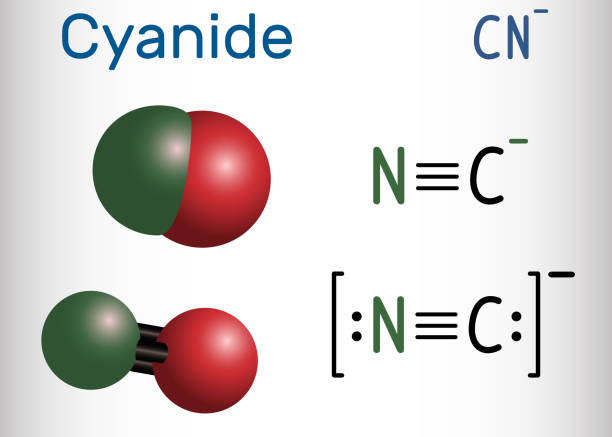
In the world of gold mining, the choice of extraction methods can significantly impact the environment. Traditionally, cyanide has been the go-to chemical for gold leaching due to its effectiveness and relatively low cost. However, in recent years, alternatives like CNlite have emerged, touted for being safer and more environmentally friendly, Mining Zimbabwe can report.

By Rudairo Mapuranga

This article compares CNlite with cyanide, focusing on their environmental effects and the growing demand for greener mining practices.

Cyanide: An Effective but Controversial Method

Cyanide has been used in the gold mining industry for over a century, offering an efficient way to extract gold from ore. However, its environmental implications are significant. Cyanide is a toxic substance that poses severe risks to water sources, soil, and ecosystems if mishandled or if accidental spills occur. Cyanide spills have been responsible for the contamination of rivers and ecosystems, often leading to fish kills and long-term damage to local wildlife.

Moreover, cyanide poses a significant threat to human health. Communities near gold mining operations risk exposure to cyanide-contaminated water and air, which can result in respiratory issues, skin irritation, and even death in extreme cases. Despite advances in technology and strict regulations designed to mitigate these risks, accidents and mismanagement still occur, leaving cyanide as a controversial chemical in the mining industry.

CNlite: A Greener Alternative

In response to the environmental and health concerns posed by cyanide, CNlite was developed as an eco-friendly alternative for gold leaching. CNlite is non-toxic and biodegradable, making it a safer option for both miners and the environment. Unlike cyanide, CNlite does not pose the same level of risk to water sources and ecosystems, significantly reducing the potential for contamination.

From an environmental perspective, CNlite has several advantages over cyanide:

  1. Reduced Toxicity: CNlite is non-toxic and does not produce harmful by-products. This eliminates the risk of toxic spills that can devastate ecosystems, unlike cyanide, which can cause long-term environmental damage.
  2. Biodegradability: CNlite naturally breaks down in the environment, reducing the chances of residual contamination. Cyanide, on the other hand, requires additional processing to detoxify before disposal, often at a significant cost and risk.
  3. Lower Environmental Risk: The use of CNlite reduces the environmental footprint of mining operations. This is particularly important in sensitive ecosystems or areas where local communities rely on clean water sources for agriculture and daily living.

Cost vs. Environmental Responsibility

While CNlite presents a more environmentally responsible choice, the transition from cyanide to CNlite is not without challenges. Cyanide remains cheaper and widely available, which continues to make it attractive for many gold mining operations, especially in developing nations where cost is a key consideration. However, the long-term environmental costs associated with cyanide spills and contamination can far outweigh the initial savings.

Investing in CNlite and other non-toxic alternatives signals a shift towards more sustainable and responsible mining practices. As global awareness of environmental issues grows, and as governments and international organizations tighten regulations on mining operations, there is likely to be increasing pressure on companies to adopt greener technologies.

A Choice for the Future

The comparison between CNlite and cyanide reveals a clear winner in terms of environmental sustainability. While cyanide remains a powerful tool in gold extraction, its risks to the environment and human health cannot be ignored. CNlite, with its non-toxic, biodegradable properties, offers a compelling alternative that aligns with modern demands for eco-friendly mining practices.

As the gold mining industry evolves, the adoption of safer, greener alternatives like CNlite is not just a responsible choice; it is an essential step toward minimizing environmental impact and protecting the communities that live near mining operations. Ultimately, the future of mining lies in sustainable solutions, and CNlite is leading the charge in that direction.

Pambili’s Golden Valley Drilling Results Confirm Significant Gold Mineralization

0

Toronto Stock Exchange-listed mining and exploration junior Pambili Natural Resources Corporation has discovered a promising new development at its Golden Valley Mine (GVM) in Bulawayo, confirming the down-dip extension of gold mineralization at significant widths and grades, Mining Zimbabwe can report.

By Rudairo Mapuranga

The results from the company’s ongoing drilling program have excited the company, potentially reshaping the future of this historic mine.

The latest assays, conducted by Antech Laboratories in Kwekwe, Zimbabwe, revealed that Hole EADD001 intercepted a broad zone of sulphide mineralization, returning an intersection of 1.2 grams per tonne (g/t) gold over an impressive width of 17.2 meters. This critical find points to economic potential in the deeper unmined sulphides, offering a promising outlook for the future of the Golden Valley Mine.

Jon Harris, Pambili’s CEO, expressed his enthusiasm for the results, stating that his company is excited about the mine’s future.

“The Pambili team is highly encouraged by the grades and widths of gold mineralization encountered in the unmined sulphides beneath the historic workings at our Golden Valley Mine,” he said.

According to Harris, what makes this discovery particularly noteworthy is the structure of the mineralization. The upper mineralized zone returned 2.19 meters at 1.57 g/t gold, while the lower zone was even more promising, delivering 7 meters at 2 g/t gold. A standout highlight within this lower zone is a 2-meter section yielding 3.86 g/t gold, a high-grade intersection that adds considerable weight to the economic viability of the deposit. The zones are separated by a 6-meter wide stretch of internal waste with a lower grade of 0.29 g/t gold.

Historically, Golden Valley has produced around 2,500 ounces of gold at an average grade of 9 g/t, focusing mainly on shallow oxide mineralization. However, this recent discovery shifts attention to the deeper sulphides, where the company believes substantial untapped potential lies.

Harris emphasized the importance of these findings, stating that the company’s focus is now on establishing whether the potential scale of gold mineralization at Golden Valley is far more significant than previously recognized.

“With regional sulphide mineralization continuing to depths of more than 1 km, our focus is now on establishing whether the potential scale of gold mineralization at GVM is far more significant than previously recognized,” he said.

The Pambili CEO said that to explore this potential further, Pambili plans to develop a cross-cut from the existing sub-vertical shaft, aiming to expose both the upper mineralized zone and the up-dip extension of the lower zone. This step is crucial for obtaining metallurgical samples to assess the recoverability of the sulphide mineralization.

If recoverable grades are confirmed, according to Harris, the company intends to launch an on-strike development program, opening up new areas of the mine for further exploration and extraction.

“Our next phase is to extend the development of the planned cross-cuts and learn more about the extent of this anomalous zone of mineralization,” Harris said, outlining the company’s forward-looking strategy.

The discovery of down-dip extensions at Golden Valley marks a pivotal moment for Pambili Natural Resources. As the company moves to assess the true scale of these sulphide deposits, the potential for high-grade, deep gold resources could propel Golden Valley into a new era of production. These recent assay results, with their broad intersections and consistent grades, provide a solid technical foundation for future growth.

With ongoing exploration and strategic development, Pambili is poised to redefine the economic landscape of its Golden Valley Mine, positioning it as a critical player in Zimbabwe’s gold mining industry. As Harris concluded, “We look forward to learning more about the extent of the anomalous zone as we extend the development.”

Regional Tensions Mount as Chinese Involvement in Illegal Mining Faces Backlash

0

In recent weeks, anti-Chinese sentiment has been on the rise across several African nations, with protests and violent incidents reported.

By Ryan Chigoche

In the Democratic Republic of Congo (DRC), locals have targeted Chinese nationals in response to frustrations over Chinese involvement in illegal activities.

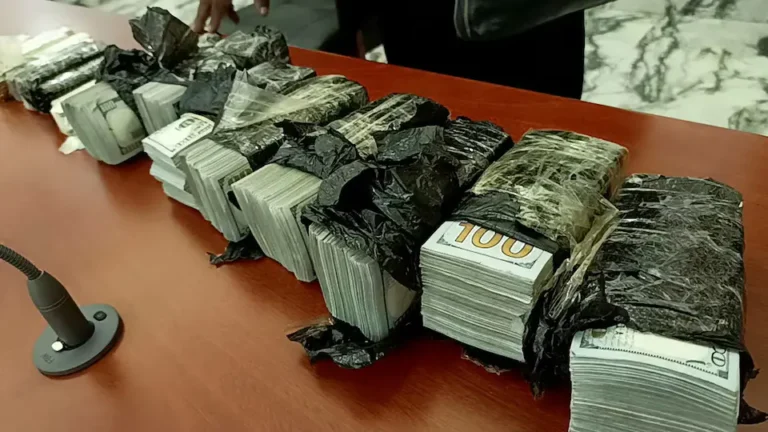
Recently, a Congolese court sentenced three Chinese citizens to seven years in prison after they were arrested with gold bars and $400,000 in cash. They were found guilty of illegal activities related to the artisanal mining sector.

The case marks a significant milestone, as the trio are the first Chinese nationals to stand trial since the DRC launched its latest crackdown on unlicensed extraction of the country’s valuable and strategic minerals, particularly in its conflict-torn east.

In addition to the prison sentence, the judge ordered the three individuals to pay a fine equivalent to $600,000 and permanently banned them from entering the DRC once their sentences were served.

Back home in Zimbabwe, Chinese companies have gained increasing control over the country’s mining sector. Data from the Centre for Natural Resource Governance released late last year reveals that 58% of Zimbabwe’s mining operations — 83 out of 148 mines — are now owned by Chinese firms.

This growing dominance is particularly significant in gold, black granite, and lithium-rich regions, where China has made substantial investments. From the gold-rich Kwekwe to the lithium reserves of Mutoko, Chinese investors are securing key mining operations across the country.

However, Chinese interests in Zimbabwe’s small-scale mining sector continue to benefit from strong protection from the politically powerful. In some cases, Chinese companies are even involved in land grabs, particularly in the chrome sector, where they have been accused of pushing local miners off prime mining areas. This trend has led to further frustration among locals, as these foreign entities benefit from political ties that shield them from accountability, while local miners are left marginalized.

Many small-scale Chinese mining operations in Kwekwe have been accused of operating without proper registration, a problem that was raised by Zimbabwe’s parliament in 2013. Despite a two-year investigation, most of the Chinese companies visited by the Parliamentary Portfolio Committee on Mines and Energy could not produce the required documents, raising concerns about transparency and the government’s ability to regulate foreign operations.

These unregistered mines are often accused of cutting corners and neglecting environmental protections, all while benefiting from political connections that protect them from scrutiny.

Rising discontent is also apparent in the eastern region of Zimbabwe, where Chinese companies are accused of operating illegally, damaging the environment, and violating the rights of local miners. This frustration with Chinese businesses has spread to Mozambique, where protests have erupted against Chinese-owned companies.

In Mozambique, Chinese businesses are perceived to be closely aligned with government officials, leading opposition parties to accuse the Chinese government of fostering corruption. This has fueled further anti-Chinese sentiment, with protests increasingly targeting Chinese-owned businesses and illegal operations. The situation underscores a growing dissatisfaction with Chinese investments across Africa, driven by concerns over exploitation, environmental degradation, and perceptions of corruption.

As anti-Chinese sentiment continues to grow, it remains to be seen whether other countries, like Zimbabwe — with significant Chinese involvement in illegal and unregistered mining, particularly in the small-scale sector — will follow the DRC and push for accountability.

Local miners in Zimbabwe, represented by the Zimbabwe Miners Federation (ZMF), are actively advocating for foreigners to be banned from operating in small-scale mining. This movement is driven by frustration over foreign dominance in the sector. However, it remains uncertain whether these efforts will be successful, given the delays by the government on the Mines and Minerals Amendment Bill.

The bill aims to regulate mining and prospecting in Zimbabwe and also establish a Mining Cadastre Registry, which would make mining title information publicly available — a development that would combat corrupt mine grabs.

Canada Rallies Allies to Break China’s Grip on Critical Minerals

0

Canada is calling for decisive action from its allies to counter what it views as aggressive market manipulation by China in the critical minerals sector. With China holding a dominant position in the mining, processing, and value addition of essential metals crucial to the energy transition, Canada’s Natural Resources Minister Jonathan Wilkinson has pushed for pricing floors as a solution to China’s disruptive influence on the market, Mining Zimbabwe can report.

By Rudairo Mapuranga

Speaking at an event hosted by the Wilson Center in Washington on Wednesday, Wilkinson accused China of manipulating global critical mineral markets, which undermines fair competition as well as environmental and labour standards.

“We in Canada and in the United States are not going to go into a downward spiral on labour standards in order to compete with China. But we need to acknowledge that we do have labour standards that add costs — and that has to be built into this conversation around pricing,” he said.

China’s near-monopoly on the production and processing of critical minerals, which are vital for electric vehicles, batteries, solar panels, and military technology, has forced the U.S. and its allies to reconsider their strategies.

With China flooding the market with undervalued resources, it is making it almost impossible for other nations to compete, especially those with higher environmental and labor standards. By driving down prices, China has been accused of distorting global markets and preventing the development of alternative supply chains.

Wilkinson has proposed making pricing floors a “centrepiece” of discussions when Canada hosts the G-7 Summit in June, encouraging collaboration among G-7 nations and extending the initiative to other countries, such as Australia. He highlighted how China’s “nickel dumping” has severely impacted Australia’s mining industry, further emphasizing the need for urgent collective action.

China’s strategy of controlling every stage of the critical minerals supply chain — from mining to processing and even value addition — gives it an outsized influence on global prices. This manipulation not only harms the competitive landscape but also threatens the security and sustainability of industries that rely on these minerals.

To counter China’s economic stranglehold, Wilkinson argued, allies must provide investors with the assurance that their investments in mining and resource development will not be undermined by China’s interference.

“If China can simply intervene and crater the price, you will never see the development of the critical minerals that we have to,” he said, making it clear that without safeguards, China will continue to undercut global markets.

While the U.S. has explored federal funding to support domestic critical mineral projects, including price floors to protect against China’s price manipulation, Canada is pushing for broader international cooperation to level the playing field. Wilkinson has had talks with the Biden administration and key U.S. lawmakers, with plans to engage with other political stakeholders to shore up support for these measures.

China’s predatory pricing and market manipulation tactics, if left unchecked, could severely jeopardize the development of crucial mineral resources needed for the future of green technology and global security. Canada’s call for a unified approach is a bold step toward curbing China’s unchecked dominance in the critical minerals market, ensuring a fairer and more sustainable future for the sector.

Govt Commends Xintai for Generating Own Electricity, Utilizing Gas Emissions for Power at Its US$3.6 Billion Ferrochrome Project

0


The Minister of Mines and Mining Development, Hon. Winston Chitando, has praised Xintai Resources for its pioneering role in generating its own electricity and utilizing gas emissions for power— a first in Zimbabwe, as reported by Mining Zimbabwe.

By Rudairo Mapuranga and Ryan Chigoche

This investment comes as local ferrochrome miners face a 2026 deadline to establish their own power generation facilities, addressing the sector’s growing energy needs. Continued economic growth is expected to push power demand above 3,000 megawatts within the next two years, with the mining sector projected to account for 80% of that increase.

During an appreciation tour of Xintai Resources, Hon. Chitando, accompanied by the Minister of State for Matabeleland, commended the company for setting a benchmark in responsible high-carbon thermal power production.

“I want to commend Xintai Resources for being a responsible high-carbon thermal power producer for two main reasons. Firstly, they have chosen to generate their own electricity rather than burdening the national grid, demonstrating leadership that other high-carbon producers should emulate. Secondly, they have introduced closed-loop technology, which is more efficient and environmentally friendly, including the use of gas emissions to generate electricity,” said Hon. Chitando.

This initiative underscores Zimbabwe’s goal of becoming a self-sufficient energy producer while enhancing its industrial capacity within a framework of responsible environmental practices. Miners have long identified power shortages as a major challenge, as ZESA has struggled to meet the mining sector’s demands.

The Zimbabwe Electricity Supply Authority (ZESA) currently has a generating capacity of only 2,000 megawatts (MW) but produces just 1,400 MW due to regular breakdowns at its thermal power stations and ongoing water shortages at its hydroelectric plants. As a result, miners across the country have begun investing in their own power solutions.

This project followed discussions between the company’s chairman and His Excellency, President Emmerson Mnangagwa, who directed that it be established as an integrated mining and energy park. Spanning 5,100 hectares within a special economic zone, this initiative promises to be transformative for Zimbabwe’s energy and mining sectors.

The project’s first phase is being developed through a joint venture involving the Government of Zimbabwe, Xintai Resources, and Thuli Coal, focusing on three key components:

  1. Thermal Power Production: Starting with 50 megawatts of electricity, with plans to add another 50 megawatts.
  2. Coking Coal Production: Utilizing inputs from Thuli Coal and Hwange, the first phase will produce 100,000 tonnes of coke, scaling up to over 1 million tonnes.
  3. High-Carbon Ferrochrome Production: Initially producing 100,000 tonnes, with potential for future expansion.

This US$3.6 billion project aims to establish stainless steel production in Zimbabwe, significantly reshaping the country’s industrial landscape.

Hon. Chitando expressed gratitude to President Mnangagwa for his vision and commitment to securing capital for the project. He noted that the President has actively monitored its progress, with the company’s chairman visiting Zimbabwe multiple times over the past year to provide updates.

“We look forward to further discussions with the Honourable Member of Parliament and Xintai management to determine the best time for His Excellency to officiate the groundbreaking ceremony of this transformative project,” Chitando concluded.

The Shanxi Palm River Energy Metallurgical project is strategically located 20 kilometers west of Beitbridge Town in Matabeleland South Province, just 17 kilometers from the South African border and 18 kilometers from the railway line.

The project will be constructed in three phases, including 1,200 MW of green power, comprehensive power generation, and supporting facilities; a coking plant with a capacity of 1 million tons per year; ferrochrome smelters producing 2 million tons annually; and stainless and carbon steel production of 1 million tons per year. Additionally, it will include community support facilities such as infrastructure, power and water supply, hospitals, schools, churches, and training centers.

Xintai’s parent company, Shanxi, is the world’s largest ferrochrome producer and the only Chinese enterprise with overseas chrome mines. Ferrochrome is a crucial raw material for stainless steel production and special steel applications.

Xintai, operating in Zimbabwe, ranks 25th among the top 100 enterprises in Inner Mongolia.

To promote industry and education, Shanxi Engineering Vocational College has partnered with Harare Polytechnic College for the College Enterprise College Project, aiming for mutual benefits in professional skills transfer, talent exchange, job creation, and local economic development.


Chinese Nationals Sentenced to 7 Years for Illegal Mining, arrested with gold bars and $400,000 in cash

0

A Congolese court has sentenced three Chinese citizens to seven years in prison after finding them guilty of illegal activities linked to the artisanal mining sector. The defendants, arrested with gold bars and $400,000 in cash, are the first Chinese nationals to stand trial under the country’s intensified crackdown on unlicensed mineral extraction.

chinese arrested in Congo for illegal mining

The judgment, delivered in Bukavu, the capital of South Kivu province, includes a $600,000 fine and a permanent ban from Congo upon completing their sentences. The court convicted the trio on charges of money laundering and illegal purchase and possession of mineral substances but acquitted them of fraud and illegal mineral extraction due to insufficient evidence. Despite pleading guilty to four charges, the defendants claimed ignorance of Congolese law, a defence their lawyers plan to use in an appeal.

“This is an educational trial that should normally serve as a wake-up call to all Chinese nationals who think they can leave China, arrive in Kitutu, Kibe, Lugushwa, Kamituga, or Mwenga and behave as if they were in their own room, without even paying the hotel fees,” said Christian Wanduma, a lawyer representing local communities.

The case comes amid Congo’s ongoing struggle to prevent unlicensed companies and armed groups from exploiting its vast mineral reserves, which include cobalt, copper, and gold. The nation’s mineral wealth, often unregulated, has fueled corruption, environmental harm, and conflict, particularly in the eastern regions.

Public outrage over illegal mining activities has intensified in recent weeks. Last week, protesters in Bukavu condemned the release of Chinese men detained in a separate illegal mining case. Civil society leader Nene Bintu expressed the frustration of many, saying, “Our minerals are being plundered by companies that are mostly Chinese-owned, and our people remain in extreme poverty. The roads are very dilapidated, and we have difficulty accessing drinking water, health care, education, electricity, and employment. This situation has gone on for too long and must end now.”

In 2021, authorities banned six Chinese-owned mining companies for alleged illegal operations. The latest trial underscores Congo’s renewed commitment to regulating its artisanal mining sector, though critics argue that more robust measures are needed to protect local communities and ensure equitable distribution of mining revenues.

Zimbabwe Can Follow Saudi Arabia’s Path to Mining Success

0

Saudi Arabia’s recent announcement of a joint venture (JV) between Aramco, the world’s largest oil company, and the state-owned mining company Ma’aden highlights a model Zimbabwe can emulate to drive economic growth and reduce its reliance on external sources of capital. The partnership, aimed at extracting lithium from high-concentration deposits, aligns with Saudi Arabia’s Vision 2030 to tap into $2.5 trillion in untapped mineral resources and increase mining’s contribution to GDP.

By Rudairo Mapuranga

Zimbabwe, rich in minerals such as gold, lithium, and coal, could similarly benefit from investing in mining exploration and opening its own state-controlled mines. By strategically utilizing its mineral wealth, the country could significantly reduce government tax dependency while allowing local businesses to grow. Such investments would generate profits that could be reinvested into state-owned industries or even the agricultural sector, creating a more sustainable economic framework.

Exploration: The Key to New Wealth

Saudi Arabia’s approach demonstrates the importance of prioritizing exploration. The country’s push to discover recoverable gold and copper deposits in the Arabian Shield through the world’s largest single-jurisdiction mineral exploration program shows the potential rewards of investment in new mining ventures. Zimbabwe could similarly increase funding for geological surveys and exploration, targeting key mineral-rich areas like Kamativi, which has seen past investments of under US$0.5 billion.

Zimbabwe’s Minister of Finance should ensure that exploration becomes a priority in the national budget, with the goal of opening a new state-controlled mine every year. By taking ownership of these ventures, Zimbabwe could channel profits back into the national economy, benefiting all citizens.

Building State-Owned Mines for Future Growth

Kamativi provides an excellent example of how targeted investment in exploration and mining can yield economic benefits. The investment required to restart mining operations there was less than US$0.5 billion, showing that even with modest funding, Zimbabwe can unlock substantial value from its mineral reserves. If the government commits to developing a new mine each year, the revenue generated could significantly alleviate the tax burden on citizens and businesses.

Furthermore, Zimbabwe has vast lithium deposits, among other critical minerals, which are essential for the global green energy revolution. By developing its own mining projects, Zimbabwe can better position itself in this booming sector, reducing reliance on foreign companies that often dominate the mining space.

Channelling Profits to Industry and Agriculture

The profits from state-owned mines could be used to support other vital sectors of the economy. Just as Saudi Arabia is building an electric vehicle manufacturing hub as part of its mining strategy, Zimbabwe could establish state-owned processing plants that would refine its minerals, adding value before export. This would create jobs and increase export revenues.

Additionally, a portion of mining profits could be directed toward agricultural development, an area in which Zimbabwe has tremendous potential. By investing in state-owned farms or providing financial support to private farmers, the government could boost food production and improve food security.

Reducing Tax Burdens and Stimulating Business Growth

One of the key benefits of state-owned mining is that it could significantly reduce the government’s need to levy heavy taxes on other sectors. With mining profits funding national projects, Zimbabwe could lower taxes on local businesses, allowing them to thrive and expand. This would stimulate further growth in industries such as manufacturing, services, and technology, creating a more diversified and resilient economy.

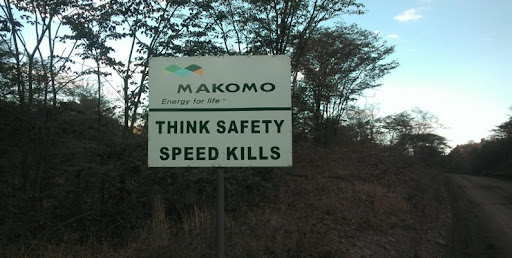
Makomo Plans to Go Underground as Demand Shifts to Coking Coal

0

Under corporate rescue Makomo Resources, is setting its sights on underground mining operations as it pivots towards the production of coking coal, which has seen a surge in demand, Mining Zimbabwe reports.

By Rudairo Mapuranga

According to a report from the Ministry of Mines and Mining Development conducted in August 2024, the company is already in the planning stages of its underground mining project, aiming to selectively mine coking coal. This strategic move comes as the market for thermal and industrial coal remains weak, leading to the spontaneous combustion of stockpiled coal due to low uptake.

Makomo, currently under corporate rescue, engaged South Mining as a contractor for a two-year period starting in March 2023. This partnership has provided some financial relief, enabling the company to expand its mining operations. However, challenges persist, as Makomo continues to struggle with finding buyers for its thermal coal, a situation that has prompted its shift towards coking coal mining.

Projected production for 2024 was 3.6 million tonnes of coal, but the company is prioritizing the high-demand coking coal. Plans to establish its own underground mining operations aim to increase the production of this valuable resource. Additionally, Makomo is considering setting up its own power station to boost the uptake of thermal coal, which would simultaneously expose the coking coal seams below. This initiative could help address the issue of stockpiled thermal coal, which currently risks spontaneous combustion due to market stagnation.

Looking ahead, the company has recommended lifting the ban on thermal coal exports, a move that could allow access to new markets and reduce the accumulation of unsold coal. This strategy would provide Makomo with a much-needed revenue stream while it transitions to coking coal production through its planned underground mining operations.