Home Blog Page 145

Gold buying prices per gram in Zimbabwe 7 January 2025

These are the official gold buying prices per gram in Zimbabwe today 6 January 2025, from the official gold buyer and exporter Fidelity Gold Refinery (FGR).

SG 90% and ABOVE US$80.00/g
SG ABOVE 85% BUT BELOW 90% US$79.16g
SG ABOVE 80% BUT BELOW 85% US$78.31/g
SG ABOVE 75% BUT BELOW 80% US$77.46/g
SAMPLE BELOW 10g BUT ABOVE 5g US$76.19/g

Fire Assay CASH $80.43/g

NB: Fire Assay cash price is for gold above 100gs, no sample is deducted.
For the Fire Assay Transfer price, a sample of not more than 10g is deducted
A 2% royalty is charged on all deposits (Small-scale miners)
A 5% royalty is set for Primary Producers

Cash available. Fidelity Gold Refinery prices will be changing daily to match the world market.

McKinsey Warns of Supply Challenges for Critical Battery Materials Amid BEV Demand Surge

0

The global transition toward battery electric vehicles (BEVs) faces significant challenges in securing a stable supply of essential raw materials. A new report from McKinsey & Company highlights these challenges as the automotive industry works to meet the growing demand for EVs, with global BEV sales projected to surge toward the end of the decade.

By Ryan Chigoche

McKinsey’s analysis predicts BEV demand will grow sixfold by 2030, increasing from 4.5 million vehicles in 2021 to approximately 28 million annually. This rapid growth is expected to create long-term challenges in sourcing critical materials for battery production. As the automotive sector strives to meet net-zero goals, securing these resources will be crucial to maintaining momentum.

A key concern in the report is lithium supply. Currently, battery manufacturers consume over 80% of the world’s lithium—a figure projected to rise to 95% by 2030. As battery technologies shift toward lithium-heavy designs, mining operations will need to scale up significantly. While direct lithium extraction technologies may unlock new sources, McKinsey warns that demand could outpace supply, creating substantial challenges.

Zimbabwe: A Rising Star in the Global Battery Metals Market

Zimbabwe is emerging as a pivotal player in the global battery metals market, thanks to its vast mineral reserves. The country is home to some of the world’s richest lithium deposits in regions such as Bikita, Kamativi, and Mutare. These high-quality lithium-rich pegmatite deposits place Zimbabwe among the top ten global producers of lithium. As demand for lithium-ion batteries grows, fueled by the boom in electric vehicles and renewable energy storage, Zimbabwe’s lithium reserves will play a vital role in meeting global demand.

Beyond lithium, Zimbabwe holds significant nickel reserves, primarily in the Selous and Lalapanzi regions. Nickel is critical for lithium nickel manganese cobalt (LNMC) batteries, widely used in EVs for their stability and high energy density. As the EV industry expands, Zimbabwe’s nickel resources will become increasingly important. McKinsey’s report highlights potential nickel shortages as the battery sector competes with industries like stainless steel for supply. While investments in new nickel mines are underway, McKinsey cautions that without further investments, a slight shortage could occur by 2030.

Zimbabwe also has notable cobalt deposits, primarily as a by-product of nickel and copper mining. While less abundant than in countries like the Democratic Republic of Congo (DRC), Zimbabwe’s cobalt remains valuable. McKinsey projects cobalt demand to grow by 7.5% annually between 2023 and 2030, even as its share in battery chemistries decreases. Supply dynamics, however, may become complex due to price volatility and fluctuations in nickel and copper mining.

High-purity manganese (HPMSM) is another material facing supply challenges. While manganese ore is abundant, producing battery-grade HPMSM requires complex refining processes. McKinsey’s report suggests that only 20% of HPMSM supply may meet battery-grade standards by 2030, potentially exacerbating supply issues for BEV production.

Zimbabwe’s graphite reserves also play a crucial role in the global battery market. Graphite, essential for battery anodes, is abundant in Mashonaland. As global demand for graphite grows, Zimbabwe’s resources will become increasingly vital to the production of electric vehicles and energy storage solutions.

Challenges and Opportunities

Despite its vast mineral wealth, Zimbabwe’s battery metals sector faces several challenges, including policy inconsistencies, infrastructure limitations, and regulatory hurdles. Addressing these obstacles will be critical for the country to capitalize on its mineral resources fully.

However, Zimbabwe’s strategic position, coupled with growing global demand for critical materials such as lithium, nickel, cobalt, and graphite, positions the nation as a key player in the global clean energy transition. Strategic investments, policy reforms, and partnerships could enable Zimbabwe to strengthen its role in the global supply chain for battery materials.

The Global Context

The McKinsey report also emphasizes broader supply chain challenges for critical battery materials. While investments in mining operations, particularly for nickel in Southeast Asia, are underway, McKinsey stresses that continued investment in mining and refining technologies is necessary. Without these investments, supply disruptions, price volatility, and shortages could hinder the transition to EVs and delay progress toward global climate goals.

Zimbabwe’s Potential in the Clean Energy Transition

As the world works toward net-zero emissions and an expanded electric vehicle market, securing a stable supply of critical materials is essential. Zimbabwe’s vast mineral reserves, coupled with strategic investments and a favourable market position, give it the potential to become a central player in the global battery metals supply chain. With the right measures, Zimbabwe can support the global shift toward clean energy while fostering economic growth at home.

Small-scale miners Aim for 40 Tonnes of Gold in 2025

0

Zimbabwe’s largest artisanal and small-scale miners’ representative body, the Zimbabwe Miners Federation (ZMF), is set to host a strategic meeting this month to solidify partnerships aimed at achieving a record-breaking 40 tonnes of gold production in 2025. This follows the country’s remarkable gold deliveries of 36.48 tonnes in 2024, setting a solid foundation for future growth.

By Rudairo Mapuranga

ZMF President Ms. Henrietta Rushwaya confirmed the upcoming strategic meeting in an interview with Mining Zimbabwe. She highlighted the federation’s commitment to aligning stakeholders and developing a clear action plan to achieve the ambitious 2025 target.

“We are targeting 40 tonnes in 2025, and we will be convening a strategic meeting this month to chart the way forward,” said Ms. Rushwaya. She noted that the meeting would focus on fostering collaborations between small-scale miners and large-scale operations.

The meeting represents a pivotal moment for ZMF as it reflects on 2024’s successes and prepares the gold mining industry to tackle new challenges and seize opportunities in the coming year.

Ms. Rushwaya emphasized that the federation’s role in 2025 would extend beyond supporting miners, as ZMF seeks to spearhead partnerships across the sector to sustain and grow Zimbabwe’s gold production.

Gold Deliveries on the Rise

Zimbabwe achieved a record 36.48 tonnes of gold deliveries in 2024, a 21.22% increase from approximately 30.7 tonnes in 2023. The small-scale mining sector contributed the lion’s share, delivering 23,745.64 kg, while large-scale miners added 12,741.11 kg, underlining the critical role artisanal miners play in the country’s gold output.

This achievement positions Zimbabwe strongly to reach its 2025 goal of 40 tonnes, though it will require concerted efforts across the mining sector.

Tackling Key Challenges

The upcoming ZMF strategic meeting will focus on addressing pressing challenges within the mining sector, particularly for small-scale miners, who have consistently been the backbone of Zimbabwe’s gold production.

“This meeting will allow us to map out strategies to overcome the challenges faced by our miners, particularly small-scale operators,” said Ms. Rushwaya.

Some of the key issues to be addressed include:

  • Foreign currency retention policies
  • Access to modern mining equipment
  • Formalization of artisanal miners

ZMF is keen on fostering partnerships with both local and international stakeholders to ensure miners have access to the resources needed to scale up production.

The federation will also explore strategies to improve environmental and social governance (ESG) compliance and opportunities to invest in advanced technology to enhance gold extraction and processing efficiency.

A Unified Approach to 2025

The ZMF believes that achieving the 40-tonne target for 2025 is within reach, provided the industry works together. Ms. Rushwaya emphasized the importance of creating a supportive environment for miners and fostering strategic partnerships to exceed the target.

“With the right support and collaboration, we believe we can reach and even surpass the 40-tonne mark in 2025,” she said.

While small-scale miners have consistently outperformed large-scale operations in recent years, the ZMF is committed to ensuring this sector continues to thrive. At the same time, the federation is bringing large-scale players into the fold to ensure a unified and coordinated approach toward the 2025 goal.

A Path to Prosperity

As Zimbabwe builds on its 2024 gold mining successes, ZMF’s strategic initiatives and partnerships are expected to play a pivotal role in driving the industry forward. The federation’s leadership is confident that the gold sector will not only meet its ambitious targets but also continue to serve as a cornerstone of Zimbabwe’s economic growth.

Gabriel Mwale – Reflecting on Leadership and Achievements at AMSZ

0

What do you consider your most significant achievement during your tenure as the Association of Mine Surveyors of Zimbabwe (AMSZ) President?

The submissions we crafted for inclusion in the mining bill, where the role of the surveyor is clarified in the main bill for the first time. This step revived interest in the field.

Could you share some of the challenges you faced as AMSZ President and how you overcame them?

General apathy from members towards the various programs set up to improve their status and work methods was a major challenge. I stayed committed to the vision I had, which helped keep us on course.

What initiatives or programs are you most proud of implementing?

I am particularly proud of introducing symposiums to raise awareness among members about their roles. Through these efforts, we worked towards getting the role of mine surveyors included in the mining bill and revising regulations around survey work.

How would you describe the current state of mine surveying in Zimbabwe?

It’s in a good state, as we’ve demonstrated the value of our skills to the profitability of the mining industry. However, there’s potential for more improvement with better-regulated survey practices.

What trends or technological advancements have you seen impacting mine surveying over the past few years?

The introduction of drones for surface surveys and electronic pickups for underground surveys has significantly impacted our field.

How has AMSZ worked to keep its members updated with global best practices and new technologies?

We’ve done this primarily through conferences, which provide opportunities to learn and stay current.

Can you share some of the key partnerships or collaborations AMSZ formed during your presidency?

We’ve improved our relationship with the Association of Mine Managers, creating a strong collaboration.

What role do you believe AMSZ should play in influencing policy or regulatory decisions impacting mine surveying in Zimbabwe?

AMSZ should have the authority to audit mines and ensure compliance with mining laws, promoting better standards.

What advice would you give to the incoming AMSZ President?

Ensure that funding streams are available so that AMSZ’s work remains unaffected and sustainable.

Are there any specific goals or projects you hope the association will continue after your tenure?

I hope the association will follow up on the new bill to clearly define the role of surveyors in mines and help regularize the mine survey industry.

If you could change one thing about the mine surveying industry in Zimbabwe, what would it be?

Many Chief Surveyors report to Geologists or Mining Engineers who may not fully represent survey interests. If Chief Surveyors had direct access to Mine Managers, it would better serve our industry.

What have been some of your personal takeaways from serving as AMSZ President?

I learned a great deal through my interactions with various stakeholders, which has enriched my perspective.

Looking ahead, what are your plans and aspirations beyond AMSZ?

I am now involved in the chrome mining and beneficiation industry, where I’m focusing on expanding my work.

How would you like your legacy at AMSZ to be remembered?

I hope to be remembered for fostering open dialogue within the Association, addressing issues such as certification, and bridging the gap between diploma and degree holders within AMSZ.


This article was first published in Edition 76 of the Mining Zimbabwe Magazine

Zimbabwe, A Treasure Trove of Minerals

0

Zimbabwe is a resource-rich Southern African country with abundant mineral deposits that serve as a cornerstone of its economy, offering exceptional opportunities for local and international investors.

Its diverse geological makeup offers a spectrum of opportunities for exploration, investment, and innovation from precious stones to industrial minerals.

This article explores some of the incredible mineral wealth found across the nation.


Precious Stones and Gems

  1. Agate: Found in Nyamandhlovu, Chikomba, and Lupane, this captivating stone holds aesthetic and industrial value.
  2. Amazonite and Amethyst: Discovered in Nyamandhlovu and regions like Hurungwe and Hwange, these gemstones offer potential for jewellery markets.
  3. Emeralds: Renowned worldwide, emeralds from Gutu, Masvingo, and Mberengwa are sought after for their vivid green hues.
  4. Sapphire: Found in Mudzi, it shines as a source of high-quality sapphire, ideal for the global gemstone market.
  5. Citrine and Aventurine: Found in regions like Marondera and Masvingo, these quartz varieties showcase Zimbabwe’s versatility in precious minerals.

Strategic Minerals for a Changing World

  1. Lithium: A cornerstone of green technology, lithium is abundant in Goromonzi, Bikita, Hwange and many more discoveries are being reported across the country. Other reported deposits are in Mberengwa, Mudzi, Buhera, Bikita, Chegutu, Harare, Insiza, Rushinga, Mutoko and Mutare.
  2. Platinum and Palladium: The Great Dyke hosts one of the largest reserves of platinum and palladium in the world, with deposits in Kwekwe, Shurugwi, Zvimba and Chegutu.
  3. Tantalum and Cesium: Essential for electronics and telecommunications, these minerals are found in Mudzi, Goromonzi, and Bikita.

Industrial and Construction Minerals

  1. Chromium: The chromium belt spanning Mberengwa, Kwekwe, and Gweru supports the global stainless steel industry.
  2. Limestone and Dolomite: Found in Chimanimani, Umzingwane, and Gwanda, these minerals drive cement and construction projects.
  3. Kaolin and Clay: Regions like Mutare and Harare contribute to Zimbabwe’s ceramic and brick-making industries.
  4. Gypsum: Beitbridge’s gypsum deposits support plaster and drywall manufacturing.

Base Metals and Energy Resources

  1. Coal: Vital for energy production, coal is abundant in Hwange, Lupane, Gokwe and Chiredzi.
  2. Copper and Cobalt: Found in Makonde, Kadoma, and Mutare, these metals are critical for the energy transition.
  3. Nickel: Deposits in Bindura, Makonde and Shamva position Zimbabwe as a significant player in battery metals.

Precious Metals

  1. Gold: Found in every district, gold remains the lifeblood of Zimbabwe’s mining sector.
  2. Silver: Makoni and Kwekwe host silver deposits, complementing the country’s precious metal portfolio.

Rare Earth Elements and Specialty Minerals

  1. Mica and Feldspar: Located in regions like Hwange and Harare, these minerals support industrial applications.
  2. Graphite: With deposits in Kariba and Hurungwe, graphite is essential for modern technologies.
  3. Vanadium: Found in Mt. Darwin and Guruve, vanadium is critical for steel production.

For a detailed list of minerals and areas of verified locations see more HERE

Gold buying prices per gram in Zimbabwe 6 January 2025

These are the official gold buying prices per gram in Zimbabwe today 6 January 2025, from the official gld buyer and exporter Fidelity Gold Refinery (FGR).

SG 90% and ABOVE US$80.41/g
SG ABOVE 85% BUT BELOW 90% US$79.56g
SG ABOVE 80% BUT BELOW 85% US$78.71/g
SG ABOVE 75% BUT BELOW 80% US$77.86/g
SAMPLE BELOW 10g BUT ABOVE 5g US$76.58/g

Fire Assay CASH $80.84/g

NB: Fire Assay cash price is for gold above 100gs, no sample is deducted.
For the Fire Assay Transfer price, a sample of not more than 10g is deducted
A 2% royalty is charged on all deposits (Small-scale miners)
A 5% royalty is set for Primary Producers

Cash available. Fidelity Gold Refinery prices will be changing daily to match world market

Gold Deliveries Increase by Over 26% in 2024, Small-Scale Miners Dominate with a 21% Surge

0

Gold deliveries to Fidelity Gold Refinery (FGR) saw a substantial increase of 26.65% in 2024 compared to 2023, largely driven by small-scale miners whose deliveries surged by over 21%. Mining Zimbabwe can confirm that small-scale miners maintained their dominance, contributing nearly two-thirds of the total gold delivered.

By Rudairo Mapuranga

December Performance

In December, small-scale miners delivered 3,127.7228 kgs of gold, marking a 19.57% increase from 2,615.8037 kgs in November. On the other hand, large-scale miners experienced a slight decline in deliveries, dropping by 8.16% from 1,126.3594 kgs in November to 1,034.517 kgs in December. The total gold deliveries for December stood at 4,162.2398 kgs.

2024 Year-End Performance

For the entire year of 2024, small-scale miners delivered an impressive 23,745.6423 kgs, a 21.41% increase compared to 18.7 tonnes (18,700 kgs) delivered in 2023. Large-scale miners contributed 12,741.1103 kgs, showing stability but lower growth compared to the previous year. The overall gold deliveries for 2024 reached 36,486.7526 kgs, marking a 21.22% increase from the 30.1 tonnes delivered in 2023.

This performance underscores the critical role that artisanal and small-scale mining (ASM) plays in Zimbabwe’s gold production, consistently contributing the bulk of the national output. Small-scale miners accounted for over 65% of total gold deliveries in 2024.

Monthly Fluctuations in 2024

The monthly fluctuations in gold deliveries throughout 2024 highlighted the sector’s volatility. In November, small-scale miners delivered 2,615.8037 kgs, followed by 3,127.7228 kgs in December, reflecting a 19.57% month-over-month increase. Meanwhile, large-scale miners saw an 8.16% decline in December compared to the 1,126.3594 kgs delivered in November.

Performance Throughout the Year

The ASM sector’s contributions grew steadily over the year. In the second quarter, small-scale miners delivered 12,321.5587 kgs, a 15% increase from the first quarter. Large-scale miners, although showing more modest growth, remained steady contributors to the gold sector, ensuring overall stability in national output.

In August 2024, a significant rise of approximately 36% in gold deliveries compared to July was driven by small-scale miners. Large-scale miners also showed consistent performance throughout the year, though their share of total deliveries was overshadowed by the small-scale sector’s output.

Challenges and Outlook

While 2024 has been a productive year, the gold mining sector continues to face challenges, including rising operational costs, power shortages, and unfavorable exchange rate policies. Despite these obstacles, both ASM and large-scale miners have demonstrated resilience, contributing significantly to Zimbabwe’s economy.

Looking forward, stakeholders remain hopeful that addressing these challenges will ensure sustained growth in 2025. The continued expansion of small-scale mining, coupled with increased efficiencies in large-scale operations, will be crucial for the country’s economic development.

As the year concludes, the mining sector reflects on a strong performance, with overall gold deliveries increasing by over 26%, driven by the relentless efforts of small-scale miners.

Invictus Energy Completes Historic US$10 Million Capital Raise for Muzarabani Oil Project

0

Victoria Falls Stock Exchange and Australia Stock Exchange-listed oil and gas exploration company Invictus Energy Limited has successfully completed the second tranche of its US$10 million institutional capital raise, managed by Mangwana Capital (Private) Limited, to fund the next phase of its Cabora Bassa Project (Muzarabani oil and gas project), Mining Zimbabwe can report.

By Rudairo Mapuranga

The capital raise, which has garnered strong support from both local and institutional investors, was completed at AU$0.10 per share, marking a significant milestone for the company and Zimbabwe’s energy landscape.

The placement received overwhelming interest, leading to an additional US$2 million in oversubscriptions.

Invictus Energy accepted the oversubscriptions, resulting in the issuance of 31,298,025 new shares on the same terms as the initial offering. This brings the total number of new shares issued under the second tranche to 53,030,303.

Invictus Energy Managing Director Scott Macmillan expressed his appreciation for the support received, stating that the capital raise has demonstrated growing investor confidence in Zimbabwe’s energy sector, setting the stage for further exploration and development.

“The completion of this strategic capital raise is a testament to the strong investor confidence in our Cabora Bassa Project and its potential to drive transformative growth in Zimbabwe’s energy landscape. We are grateful for the enduring and overwhelming local and institutional support,” he said.

Macmillan emphasized that the capital secured will enable Invictus to accelerate exploration and development activities at the Cabora Bassa Project.

“With the capital secured, we are equipped to accelerate the next phase of our exploration and development activities at the Cabora Bassa Project. We remain committed to delivering long-term value for our shareholders and contributing to Zimbabwe’s energy independence and economic growth,” he added.

The raise, completed with the approval of shareholders at an Extraordinary General Meeting held on 21 October 2024, saw participants issue Zimbabwe Depository Receipts (ZDRs) on the Victoria Falls Stock Exchange (VFEX). This secondary listing on VFEX aims to support local liquidity and provide Zimbabwean investors with the opportunity to trade in Invictus securities.

“This strategic investment is historic for both Invictus and investors in Zimbabwe, who can now hold and trade securities in the company through its listing on the Victoria Falls Stock Exchange. It highlights the importance of local participation in Zimbabwe’s energy future,” Macmillan commented.

Mangwana Capital, the managing firm for the capital raise, was paid a 5% fee on the funds raised, partially settled through the issuance of 2,711,208 new shares at AU$0.10, with the balance settled in cash.

Participants in the placement will also have the option to acquire an additional share for every four shares subscribed under the Private Placement, exercisable at AU$0.30 within a two-year period. The total capital raised will support the ongoing work on the Cabora Bassa Project, a venture seen as pivotal in shaping Zimbabwe’s energy future.

Mine Workers in Zimbabwe Face Rising Challenges, Chinhema

0

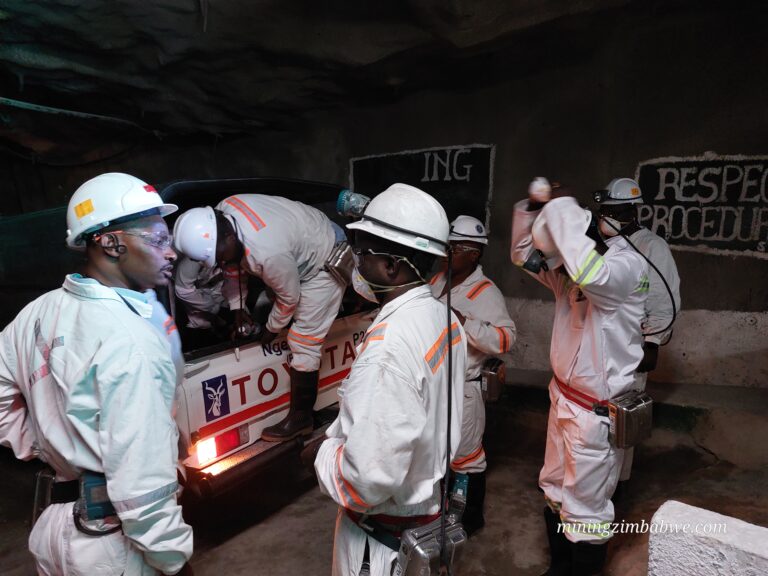
Zimbabwe’s mining sector, despite its growth and potential, continues to face significant challenges, particularly for the workers who form the backbone of the industry. With the sector being a major contributor to the country’s economy, mine workers are still grappling with low wages, precarious working conditions, delayed salaries, and safety concerns, Zimbabwe Diamond and Allied Minerals Workers Union (ZDAMWU) General Secretary Justice Chinhema said.

By Rudairo Mapuranga

In his end-of-year statement, Chinhema said the year 2024 has been particularly difficult, marked by the erosion of workers’ purchasing power due to inflation, increasing casualization of labour, and a worrying disregard for workers’ rights, especially by foreign investors.

Chinhema pointed out that despite the mining sector’s growth, workers continue to struggle with poor wages that do not reflect the value of their labour.

“The majority of mine workers are struggling to survive on wages that fall drastically short of supporting their families. The erosion of purchasing power has made basic necessities unaffordable,” he said.

He further criticized the economic conditions of 2024, noting that inflation, high taxes, and the devaluation of the Zimbabwean dollar had left workers facing a “gloomy and sorrowful future.”

He also condemned the casualization of labour in the mining industry, particularly in the lithium sector, where over 1,000 workers lost their jobs due to short-term contracts.

“This callous practice, where workers are subjected to short fixed contracts, is causing job insecurity,” said Chinhema, warning that it is leading to a loss of collective power for workers.

Failure to Pay Salaries on Time

Chinhema also addressed the issue of delayed salary payments, which has left many workers in financial distress.

“Some companies have been failing to honour their obligations by delaying salary payments, leaving families in dire financial situations and contributing to mental stress and domestic violence in mining communities,” he said.

He vowed that ZDAMWU would continue to hold employers accountable to ensure mine workers are paid on time.

Safety Issues and Lack of PPE

The statement also brought to light safety concerns in the mining industry. Chinhema warned that many mine workers continue to work under dangerous conditions due to employers’ failure to provide proper Personal Protective Equipment (PPE).

“Mine workers deserve to return home safely at the end of each day. It is our duty to advocate for better safety measures and enforce compliance among employers,” he stressed.

Foreign Investors and Labour Law Violations

Chinhema was critical of foreign investors in the mining sector, accusing some of deliberately violating Zimbabwe’s labour laws.

“There is a total disregard of labour laws, especially by foreign investors who abuse workers to further their own capitalist interests,” he said.

He also criticized the complex and cumbersome dispute resolution process, which he said makes it difficult for unions to protect workers’ rights.

Achievements and the Way Forward

Despite the grim outlook, Chinhema highlighted some of the union’s achievements. He praised the successful implementation of training programs focused on tackling Gender-Based Violence and Harassment (GBVH), which he said had made workplaces safer for women.

“We have rolled out our gender and sexual harassment policy, ensuring a safe and respectful environment for all workers,” said Chinhema.

He also spoke of the union’s efforts to improve worker representation by training shop-floor leaders in collective bargaining and dispute resolution.

“Our members are now more equipped to engage with management and advocate for their interests,” he noted.

Looking forward to 2025, Chinhema said the union’s main priority would be to grow its membership and strengthen its influence in the mining sector.

“The year ahead is dubbed the ‘Year of Growth.’ We are focused on building strong structures for sustainable change and becoming the union of choice for mine workers,” he declared.

ZDAMWU, he said, will continue to advocate for better wages, job security, and safer working conditions for all mine workers, ensuring no mine or worker is left behind.


FGR branches housed in ZB to close for business at 12pm tomorrow

0

All Fidelity Gold Refinery (FGR) branches housed in ZB Bank branches will close at 12 Midday tomorrow the 31st of December 2024, the country’s sole gold buyer has announced in a statement.

Fidelity Gold Refinery (Pvt) Limited proudly serves as Zimbabwe’s official buyer, refiner, and exporter of gold on behalf of the government. With authorization to procure gold from both small-scale and large-scale producers, FGR stands as a trusted partner in ensuring quality and compliance in the nation’s gold industry.