Home Blog Page 157

Zimplats Records One LTI

0

Zimbabwe’s largest platinum group metals (PGM) producer, Zimplats, recorded one lost-time injury (LTI) during the quarter ending September 30, 2024.

By Rudairo Mapuranga

The company reported that recommendations from the subsequent accident investigation are being implemented to prevent similar occurrences.

Despite the setback, Zimplats continues to demonstrate a steadfast commitment to safety. The company has achieved nearly 5 million fatality-free shifts, a significant milestone in its zero-harm journey. This accomplishment underscores Zimplats’ dedication to maintaining a safe working environment and its ongoing efforts to mitigate workplace risks.

Recognition for Safety Excellence

In addition to its safety milestones, Zimplats has been lauded for its exceptional first aid and safety practices. One of its mines recently received top accolades in these areas, reflecting the company’s proactive safety culture and its prioritization of employee well-being.

Zimplats’ strong safety framework is further evidenced by its ISO 45001:2018 certification for Occupational Health and Safety Management Systems. This prestigious accreditation affirms Zimplats’ commitment to ensuring a safe and healthy workplace for its employees and contractors.

Collaborative Safety Initiatives

The company’s annual safety symposium serves as a platform for contractors and stakeholders to align on best practices, emphasizing Zimplats’ “Zero Harm” objective. This collaborative approach reinforces the company’s leadership in setting and maintaining exemplary safety standards in the mining industry.

Zimplats’ ongoing efforts to improve safety, coupled with its robust safety management systems, highlight its dedication to protecting its workforce while achieving operational excellence.

AMMZ to Hold SHE Awards at AGM

0

The Association of Mine Managers of Zimbabwe (AMMZ) will recognize excellence in Safety, Health, and Environmental (SHE) practices among its members at the upcoming Annual General Meeting (AGM) in Bulawayo this month, Mining Zimbabwe can report.

By Rudairo Mapuranga

AMMZ President Abel Makura stated that the awards are designed to encourage members to prioritize and continuously improve in SHE-related matters.

“The AMMZ SHE Awards aim to recognize and reward excellence, inspiring everyone to continuously enhance their SHE practices. This initiative fosters a culture of safety excellence and promotes industry best practices, helping organizations assess and improve their performance against benchmark standards,” Makura said.

Industry Excellence

Last year, Zimplats’ Ngwarati Mine set a high standard for safety, achieving zero fatalities, zero Total Recordable Injury Frequency Rate (TRIFR), zero Lost Time Injury Frequency Rate (LTIFR), and zero Lost Time Injury Severity Rate (LTISR).

Key Priorities for the SHE Committee

Beyond the awards, the AMMZ SHE Committee has identified several critical focus areas:

  • Leadership in Sustainable Resource Stewardship: Promoting responsible mining practices.
  • Health and Safety Protections: Safeguarding employees, contractors, and communities.
  • Environmental Stewardship: Addressing biodiversity concerns and climate change impacts.
  • Capacity Building: Enhancing competency in SHE management.
  • Standards and Systems Improvement: Continuously refining industry practices.

Collaboration with Regulatory Bodies

To ensure compliance and drive industry improvements, the SHE Committee collaborates with key regulatory agencies, including:

  • The Environmental Management Agency (EMA)
  • The National Social Security Authority (NSSA)
  • The Standards Association of Zimbabwe (SAZ)
  • The Radiation Protection Authority
  • The Ministry of Mines and Mining Development

The AMMZ SHE Awards are not just a celebration of achievements but also a platform to inspire progress, ensuring the mining industry remains committed to safety, health, and environmental excellence.

Wits University’s Prof. Musingwini to be Guest of Honour at AMMZ AGM

0

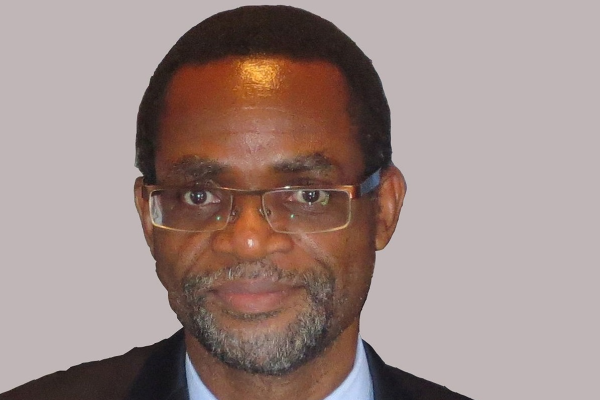
The Southern African Institute of Mining and Metallurgy (SAIMM) past President and Head of the School of Mining Engineering at Wits University, Prof. Cuthbert Musingwini, will serve as the Guest of Honour at this year’s Association of Mine Managers of Zimbabwe (AMMZ) Annual General Meeting (AGM) 2024. The event is set to take place in Bulawayo this month, Mining Zimbabwe reports.

By Rudairo Mapuranga

The AGM, a significant event for Zimbabwe’s mining sector, will bring together industry professionals, government representatives, and stakeholders to address key issues shaping the industry.

Focus on Smart Mining

This year’s AGM runs under the theme “Smart Mining: Integrating Technology for Enhanced Safety, Productivity, and Sustainability.” The discussions will revolve around mining safety, sustainability, and the increasing role of technology in modernizing Zimbabwe’s mining sector.

Speaking to Mining Zimbabwe, AMMZ President Abel Makura confirmed Prof. Musingwini’s role as Guest of Honour. He also outlined an impressive lineup of speakers who will address various critical topics.

Key Speakers and Topics

  • Prof. Cuthbert Musingwini (Guest of Honour): Witwatersrand University Head of Mining Engineering and SAIMM Past President.
  • Eng. Michael Munodawafa (Chief Government Mining Engineer): Presentation on Mining Regulations Review.
  • Simbarashe Goto (Zimplats Senior General Manager – Mining): Discussion on The Role of Automation in Zimbabwe’s Mining Industry.
  • Ian Chauke (Anglo-American Amandelbult Complex, South Africa): Insights on Smart Mining Practices for a Resilient and Sustainable Future.
  • Moshen Jena (AECI): Presentation on Emerging Trends and Technology in Traditional Blasting Techniques.
  • Dr. Tawanda Zvarivadza: Address on Advances in Blockchain Technology for Mining Applications.
  • Motive Mugoni (Chairman, University of Zimbabwe): Discussion on Factor Endowments Critical for Sustained Mineral Sector Growth.

Driving Zimbabwe’s Mining Growth

The AGM provides a platform for meaningful dialogue on the challenges and opportunities facing Zimbabwe’s mining sector. Topics such as environmental sustainability, regulatory updates, and the adoption of advanced technologies will be at the forefront of discussions.

Attendees will explore how Zimbabwe’s mining sector can leverage innovation to enhance productivity and safety while contributing significantly to the nation’s economic development. The event also offers a valuable networking opportunity for professionals to share insights and best practices in mining operations.

The 2024 AMMZ AGM is poised to set the stage for strategic initiatives that will drive the growth and transformation of Zimbabwe’s mining industry.

All Set for the 39th AGM of the Association of Mine Surveyors of Zimbabwe (AMSZ)

0

The 39th Annual General Meeting (AGM) of the Association of Mine Surveyors of Zimbabwe (AMSZ) will take place from November 20–22, 2024, in the tranquil resort town of Nyanga.

By Ryan Chigoche

With the theme “From Survey to Strategy: Empowering Mine Surveyors as Leaders in the Mining Industry for Sustainable Growth,” this year’s event will highlight how mine surveyors can transition from technical specialists to strategic leaders who drive safety, efficiency, and sustainability in mining.

Central to the conference is the recognition that surveyors play a vital role not only in data collection and analysis but also in shaping mining strategies that foster safer and more sustainable practices. The discussions will explore how surveyors can enhance their influence within mining operations by leveraging both technical expertise and a broader vision for industry growth.

Stewart Gumbi, spokesperson for AMSZ, emphasized the importance of the theme during an interview with Mining Zimbabwe.

“The theme, ‘From Survey to Strategy,’ perfectly encapsulates the exciting evolution happening in mine surveying. It’s no longer just about precise measurements; it’s about leveraging those measurements to inform critical decisions and shape the future of mining operations,” Gumbi said.

He underscored the expanding role of mine surveyors in leadership and strategy, adding:

“Mine surveyors are evolving from technical specialists to strategic leaders who provide critical data-driven insights, guiding the mining industry towards a safer, more efficient, and sustainable future. This theme signifies an exciting transformation and highlights the growing importance of surveyors in shaping the mining sector’s future.”

As mining operations grow increasingly complex, the expertise of mine surveyors is becoming integral to developing long-term strategies that go beyond resource extraction. Their work is critical in enabling sustainability, enhancing operational efficiency, and ensuring safety across the sector.

Evolving Roles: From Data Experts to Strategic Leaders

Gumbi elaborated on five key areas where mine surveyors are poised to expand their influence:

  1. Data Champions and Interpreters:
    • Beyond data collection, surveyors are becoming custodians of vast geospatial data, analyzing it to uncover trends and deliver insights for strategic decision-making.
    • By integrating their data with geological models, they contribute to predictive modeling, optimizing resource extraction and minimizing risks.
  2. Technology Integrators:
    • Mine surveyors are embracing innovations like drones, 3D laser scanning, and AI-powered analytics, driving efficiency and sustainability.
    • As digital transformation leaders, they are instrumental in integrating surveying data with broader operational systems.
  3. Strategic Advisors:
    • Surveyors now serve as trusted advisors in mine planning, resource estimation, and environmental management.
    • Their insights shape decisions that align with long-term goals of safety and sustainability.
  4. Cross-Functional Collaborators:
    • Acting as a bridge between departments, surveyors collaborate with geologists, engineers, and operational teams to streamline workflows.
    • Through clear visualizations and reporting, they facilitate informed decision-making across organizations.
  5. Sustainability Champions:
    • Surveyors play a vital role in monitoring environmental impacts, ensuring compliance, and promoting responsible mining.
    • They optimize resource utilization to minimize waste while balancing economic and environmental goals.

Addressing Unique Challenges in Zimbabwe

Gumbi also highlighted the need to address Zimbabwe’s specific mining context, particularly in the artisanal and small-scale mining (ASM) sector. He advocated for tailored programs to promote safety, sustainability, and compliance while engaging local communities through transparent decision-making processes.

In conclusion, the “From Survey to Strategy” theme underscores the evolving significance of mine surveyors as pivotal leaders in the industry. As champions of safety, sustainability, and efficiency, their contributions will shape the future of mining in Zimbabwe and beyond.

Pickstone Peerless Reports Gassing Fatality

0

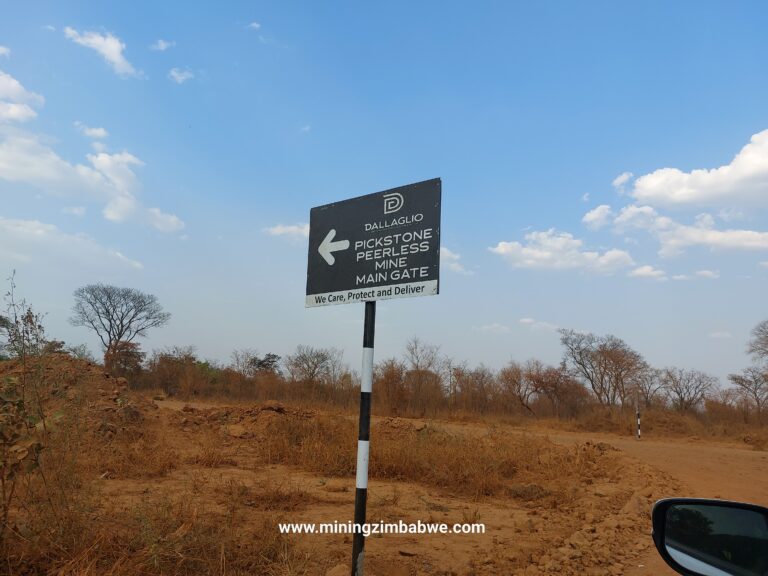
Dallaglio’s Pickstone Peerless Mine reported a tragic gassing incident in the third quarter ending September 2024, resulting in the death of an employee, Mining Zimbabwe has learned.

By Ryan Chigoche

The incident occurred on September 29, 2024, when the employee succumbed to inhaling noxious gases. This loss marks a setback in the mine’s safety record, which had previously achieved an impressive milestone of 74,085 fatality-free shifts.

Following the tragedy, the company issued a statement confirming plans to review safety protocols and enforce stricter adherence to safety measures moving forward.

This fatality adds to the growing number of gassing-related incidents in Zimbabwe’s mining sector. Before this incident, the country had recorded 11 gassing accidents, resulting in 12 fatalities.

Recently, the government urged ventilation practitioners to invest in advanced technologies to mitigate the increasing number of gassing accidents, particularly in the small-scale mining sector, which has recorded the highest number of such fatalities.

Zimbabwe has grappled with persistent fatalities caused by gas exposure in mining. Despite technological advancements, this challenge remains unresolved. One of the most catastrophic events in the country’s mining history occurred on June 6, 1972, at the Wankie Number 2 mine, where 427 miners lost their lives in a methane gas explosion. Although safety protocols have improved since then, deadly incidents involving toxic gas exposure continue to occur, underscoring the need for stronger preventive measures and lessons fully learned from past tragedies.

Proper ventilation in mining operations is critical to ensuring the safety and health of workers, especially in Zimbabwe. Poor ventilation heightens the risks associated with harmful gases such as methane and carbon monoxide, which can accumulate in confined spaces.

Both large- and small-scale mining operations face challenges related to gassing. A significant factor contributing to these incidents is the failure to adhere to safety regulations, particularly protocols for re-entering mines after blasting. These regulations are crucial in minimizing exposure to harmful gases, but their enforcement remains inconsistent across the industry.

To address this challenge, several key actions must be prioritized:

  1. Installation of Gas Detectors: Real-time air quality monitoring is essential to detect hazardous gas levels and prevent fatalities by promptly alerting workers to dangerous conditions.
  2. Adoption of Advanced Safety Technologies: Improved ventilation systems and enhanced monitoring capabilities can significantly reduce risks in mining operations.
  3. Government Oversight: Strengthening and enforcing regulations through regular audits is critical to ensuring compliance and holding companies accountable for maintaining safe working conditions.
  4. Institutional Support: Organizations such as the Mine Ventilation Society of Zimbabwe (MVSZ) must be better equipped and empowered to advocate for safer practices.

Beyond stricter regulations and technological advancements, a collaborative approach is vital. Partnerships between the government, mining companies, safety organizations, and local communities are necessary to address safety concerns comprehensively. By adopting a multi-faceted strategy, Zimbabwe can reduce gas-related fatalities and ensure all miners, particularly those in small-scale operations, have access to tools and knowledge to work safely.

AMMZ to Hold SHE Awards at AGM

0

The Association of Mine Managers of Zimbabwe (AMMZ) will recognize excellence in Safety, Health, and Environmental (SHE) activities among its members at its upcoming Annual General Meeting (AGM) in Bulawayo this month, Mining Zimbabwe reports.

By Rudairo Mapuranga

Speaking to Mining Zimbabwe, AMMZ President Abel Makura stated that the awards are designed to encourage and inspire members to continuously improve in SHE-related matters.

He emphasized that the awards also aim to foster a culture of safety excellence and promote best practices within the industry.

“The significance of the AMMZ SHE Awards is to recognize and reward excellence, which will encourage and inspire everyone to continually improve and achieve similar standards. In doing so, we are fostering a culture of safety excellence. Another important aspect of these awards is promoting industry best practices, helping organizations assess and improve against benchmark industry performance,” Makura said.

Last year, Zimplats’ Ngwarati Mine set the standard for safety, reporting zero fatalities, zero Total Recordable Injury Frequency Rate (TRIFR), zero Lost Time Injury Frequency Rate (LTIFR), and zero Lost Time Injury Severity Rate (LTISR).

In addition to the awards, the AMMZ SHE Committee has outlined several key priorities. These include fostering leadership to achieve sustainable resource stewardship, protecting the health and safety of employees, contractors, and communities, addressing biodiversity and climate change issues, and enhancing capacity and competency in SHE matters. Continuous improvement of standards and systems also remains a top priority.

To ensure compliance with industry obligations, the SHE Committee works closely with regulatory bodies such as the Environmental Management Agency (EMA), the National Social Security Authority (NSSA), the Standards Association of Zimbabwe (SAZ), the Radiation Protection Authority, and the Ministry of Mines and Mining Development.

Blanket Mine Costs Rise to $950-$1,050 per Ounce, Caledonia Acts to Control Expenses

0

Victoria Falls Stock Exchange-listed gold focused miner, Caledonia Mining Corporation’s Blanket Mine in Gwanda is grappling with rising costs with on-mine costs now projected at $950 to $1,050 per ounce of gold, the company results for the quarter and nine months ended September 30,2024 show.

By Rudairo Mapuranga

According to Caledonia CEO Mark Learmonth the increase in operation costs is driven primarily by higher labor and electricity expenses, marking a significant jump from the previous forecast of $870 to $970 per ounce.

The Caledonia CEO however said that the company is taking steps to manage costs while maintaining production targets.

Through the report, Learmonth acknowledged the impact of these rising costs but emphasized the company’s commitment to finding solutions.

“We continue to explore ways to reduce on-mine costs at Blanket – particularly the cost of electricity and labor, where several initiatives are being implemented and further measures are under consideration,” Learmonth said.

One of the major cost drivers at Blanket Mine is electricity. Zimbabwe’s unreliable power supply has led to increased reliance on alternative sources, often at a higher cost. In an effort to combat this, Caledonia has been integrating renewable energy into its operations.

In September Caledonia signed a conditional agreement to sell the company that owns its 12.2MWac solar plant for $22.35 million. This sale, which is expected to close soon, will generate a profit on the plant’s $14.3 million construction cost while securing a long-term energy supply for Blanket Mine. The solar facility currently provides around 20% of the mine’s electricity needs, helping to reduce the impact of rising power costs.

In addition to managing electricity costs, Caledonia is reviewing labor costs, which have also risen in the past year. The company is implementing efficiency measures across the workforce and is exploring options to streamline operations.

Despite these cost challenges, Caledonia remains focused on meeting its 2024 gold production target of between 74,000 and 78,000 ounces at Blanket Mine. The mine’s gold production for the quarter stood at 18,992 ounces, lower than the record 21,772 ounces produced in the same period last year. Nevertheless, gold output for the nine months reached 56,815 ounces, slightly higher than the 55,244 ounces produced in 2023.

To support operations and avoid disruptions, Caledonia increased its inventory levels by $2.3 million during the quarter. The company plans to invest an additional $2.7 million in inventory by the end of 2024 to bolster preventative maintenance initiatives and prevent potential production delays.

Despite the rising costs, Learmonth remains optimistic about Blanket Mine’s future, supported by the company’s exploration activities and cost-management strategies.

“Blanket remains a solid foundation for our growth profile in Zimbabwe. We continue to make encouraging progress towards identifying and implementing cost-saving measures,” he said.


Civil Societies Urged to learn Mandarin to bridge Gap for Effective Advocacy

0

Zimbabwean civil society organizations have been urged to bridge the language gap to effectively advocate for human rights and labor standards in the context of growing Chinese investment in the country, Mining Zimbabwe can report.

By Rudairo Mapuranga

Speaking at the Zimbabwe Alternative Mining Indaba (ZAMI) 2024 Day 3 session hosted by Zimbabwe Environmental Law Association (ZELA) and Global Witness, ZELA’s Farai Mutondoro, emphasized the importance of understanding the Chinese language and culture to engage effectively with Chinese companies and authorities.

“Language is not just a tool; it is a force,” Mutondoro said. “We all speak English because it is the language through which global trade takes place, but there is no monopoly on it. Tomorrow, we might say China should use ZiG (local currency), as we know there is a huge movement toward internationalization of the currency.

“It’s important for companies to recognize this. But as civil society, we also need to engage. We need to read Chinese literature, understand its essence, and grasp the meaning behind the words. Some might be in Chinese, others in English,” he said.

Diana Muvunduse, a human rights activist, highlighted the pressing issue of labor rights violations, particularly in the mining sector, where many Chinese companies operate.

“The real issue is the violation of international labor laws,” Muvunduse said. “Many Chinese workers in these mines are not ordinary laborers. Some are even referred to as prisoners who were incarcerated before being brought to work in those areas.”

Muvunduse further noted that language barriers can hinder efforts to document and address these violations.

“We’ve seen many examples on videos, especially on WhatsApp, where workers are unable to communicate their grievances effectively due to language barriers,” she said.

While acknowledging the challenges, Mutondoro expressed optimism about the potential for constructive engagement with Chinese authorities.

“There are opportunities for us to engage with China if we approach them in the right way,” he said. “Today, we are testing this mechanism, and I think it’s fair to put a post on that topic.”

Civil society organizations are now facing the challenge of balancing advocacy for human rights and labor standards with the need to engage constructively with Chinese investors.

By bridging the language gap and developing a deeper understanding of Chinese culture and business practices, they can better equip themselves to advocate for a just and sustainable future for Zimbabwe.

Chinese mining investors in Zimbabwe have been widely criticized for poor safety, environmental, labor, and human rights standards.

From inadequate safety measures leading to accidents, to environmental pollution and worker exploitation, many Chinese companies have disregarded local regulations. These issues are compounded by the language barrier, which hinders local workers and communities from effectively reporting abuses or negotiating for better conditions. To address this, there have been calls for Chinese investors to be mandated to obtain work visas only if they understand one of Zimbabwe’s 16 official languages, excluding sign language.

This would ensure better communication and accountability, strengthening local labor and environmental protections. Interestingly, Chinese delegates at the Zimbabwe Alternative Mining Indaba (ZAMI) 2024 were in agreement with this proposal, asserting that teaching Zimbabweans Mandarin would be akin to recolonization.

By ensuring that Chinese investors adapt to local languages, the country can safeguard its sovereignty and promote fairer, more equitable business practices.

Dallaglio Reports 22% Surge in Gold Sales for Q3 2024

0

Dallaglio, the mining division of Padenga Holdings, has announced a remarkable 22% increase in gold sales for the third quarter of 2024. The company’s strong performance is largely due to higher mill feed grades and improved recovery rates

By Ryan Chigoche

During the period, Dallaglio sold 2,025 kilograms of gold, up from 1,665 kilograms in the same quarter last year, a clear sign that the company’s operational improvements are paying off. This surge in gold sales comes at a time when global gold prices are favorable, helping the company capitalize on the current market conditions.

One of the key drivers behind this growth is a 6% improvement in average mill feed grades, which increased from 1.42 grams per ton to 1.51 grams per ton. This boost in grade is largely attributed to the Eureka Mine, where the open-pit resource has evolved as expected, allowing for more efficient gold extraction. Essentially, the better the grade, the more gold-bearing ore Dallaglio can process, which directly translates to higher production.

Dallaglio also saw a notable increase in milled tonnage, thanks to the addition of a new mill at the Pickstone Peerless Mine and improvements at Eureka Mine. These upgrades have had a direct impact on the company’s overall output, ensuring that Dallaglio continues to produce more gold. Additionally, plant recovery rates rose by 2 percentage points from 89% to 91%.

This improvement is linked to the company’s transition towards processing more underground ore at Pickstone Peerless Mine, a shift that will be fully operational by the end of 2024. The move to underground mining is expected to increase recovery rates and improve long-term profitability.

Looking ahead, Dallaglio is feeling optimistic about its future. The company is riding high on the continued strength of global gold prices, which are expected to remain firm through 2025. With strong growth this year, Dallaglio is well-positioned to take advantage of favorable market conditions.

A major focus in the coming months will be the ongoing underground development at Pickstone Peerless Mine, which is ahead of schedule. This shift to underground mining will not only help reduce operating costs but also improve gold extraction, further boosting the company’s financial performance.

In addition to its operational upgrades, Dallaglio is committed to continuous improvement. The company is on track to complete a new Pre-Leach Thickener at Eureka Mine by the end of 2024. Once operational, this new infrastructure will enhance gold recovery and play a crucial role in supporting Dallaglio’s long-term production goals.

Overall, Dallaglio’s performance in Q3 2024 has positioned the company for continued success. With its expansion at Pickstone Peerless Mine and its focus on increasing production and improving recovery rates, Dallaglio is on track to meet, and perhaps exceed, its targets for the year. Management is confident that, by capitalizing on strong gold prices and improving operational efficiency, Dallaglio will continue to deliver value to its shareholders.

While Dallaglio is driving growth in its mining division, the company’s broader strategy also involves balancing its operations with the more traditional business of crocodile farming. Since Padenga Holdings diversified into gold mining, this diversification has been instrumental in strengthening the overall financial health of the company.

Gold mining has provided a steady revenue stream, helping to stabilize earnings during times when demand for crocodile products fluctuates. This financial cushion has allowed Padenga to weather market challenges while continuing to invest in and improve its crocodile business.

For the nine months under review, the crocodile business saw a 3% increase in skin harvest volumes, rising from 24,115 to 24,813. Skin quality and customer demand remained stable, and premium skin sales were in line with both last year’s results and the targets set at the beginning of the year. However, total sales volume was down by 30%, with 21,418 skins sold compared to 30,586 in the same period last year. This drop was mainly due to some customers scaling back on orders, as the market for crocodile skins weakened relative to the previous year.

Despite these challenges, the synergies between Dallaglio’s gold mining operations and Padenga’s crocodile farming have proven invaluable. The stability provided by gold mining revenue has helped offset fluctuations in the crocodile business. This allows Padenga to keep its balance sheets healthy, even in more difficult times for the crocodile industry. Moreover, the cash flow from gold mining enables Padenga to reinvest in its crocodile business, ensuring that both sectors can thrive in a complementary, long-term growth strategy.

In essence, while the crocodile business faces challenges, the diversification into gold mining has given Padenga a financial cushion that allows it to continue expanding and improving both areas of the business. By leveraging the synergies between these two distinct sectors, Padenga is building a more resilient and balanced growth strategy for the future.


 

Caledonia Stays on Track for Growth, Despite Rising Costs and Currency Pressures

0

Caledonia Mining has reported solid results for the third quarter of 2024, with revenues reaching $46.9 million for the quarter and a total of $135.5 million for the first nine months of the year. The company’s gross profit of $19.3 million is a healthy increase from $14.1 million in the same period last year, largely driven by a rise in gold prices and a stronger performance from the Bilboes oxide mine. However, rising costs at the flagship Blanket Mine and challenges stemming from the devaluation of the Zimbabwean currency have put pressure on the company’s overall costs.

By Ryan Chigoche

For the quarter, the cost to produce an ounce of gold at Blanket increased to $1,056, up from $928 in Q3 2023. This rise was largely due to lower ounces sold and increased production costs.

The company’s all-in sustaining cost (AISC) also climbed to $1,501 per ounce, compared to $1,268 last year. These higher costs were driven by a combination of factors, including rising labor and electricity costs, as well as an increase in share-based payment expenses due to the higher company share price.

Despite these cost challenges, Caledonia Mining is still on track to meet its full-year production target of between 74,000 and 78,000 ounces for 2024, and it’s confident in hitting a similar target for 2025. “We’re pleased with how the business is performing overall,” said Mark Learmonth, CEO of Caledonia Mining. “Higher gold prices and the solid contribution from Bilboes have helped offset some of the pressures we’re seeing on the cost side, particularly with electricity and labor. We’re working hard to keep costs under control, and we’re focused on long-term growth.”

The company also declared a dividend of 14 cents per share, which will be paid to shareholders on December 6, 2024, underscoring its commitment to delivering value. Learmonth added, “We remain focused on maintaining a solid production profile and creating sustainable value for our investors.”

Caledonia’s net cash from operating activities for the quarter was $4.6 million, down from $14.5 million in the same period last year. This decrease reflects lower operating profits, the impact of the Zimbabwean currency devaluation, and higher tax payments due to the timing of payments.

Additionally, the company has been accelerating its investment in inventory to support preventative maintenance at Blanket, which has led to increased working capital needs. However, operating cash flow before changes in working capital remained steady at $16.2 million, in line with last year’s $16.3 million.

Looking ahead, Caledonia Mining remains focused on its growth strategy, with exploration continuing at both Blanket and Motapa. The company is making progress on the Bilboes sulphide project, with a feasibility study due to be completed by the first quarter of 2025.

The company is also working on securing a funding structure for Bilboes that will minimize equity dilution and optimize shareholder value.

One of the company’s more strategic moves in the quarter was the conditional sale of its 12.2 MWac solar plant for $22.35 million. The solar plant, which provides renewable energy to Blanket Mine, will continue to supply about 20% of the mine’s daily electricity needs after the sale is completed. “Selling the solar plant is an important step for us,” explained Learmonth. “It gives us capital to reinvest in the business while ensuring Blanket continues to benefit from renewable energy.”

Despite some challenges in the quarter, Caledonia Mining remains optimistic about its future. “We’re confident in our long-term strategy,” said Learmonth. “We’re making smart investments now that will pay off as we continue to grow the business. Blanket remains a strong foundation for us, and we’re excited about the future opportunities at Motapa and Bilboes. We’re focused on ensuring that we create lasting value for our shareholders in the years ahead.”