Home Blog Page 159

GB Holdings Sees PGMs Price Recovery as Key to Improving Company Prospects

0

Zimbabwe Stock Exchange-listed rubber and chemicals manufacturer General Beltings (GB) Holdings is optimistic that the anticipated recovery in Zimbabwe’s mining sector, driven by a rebound in PGMs prices, will provide a significant boost to the company’s prospects in the near future.

By Ryan Chigoche

While the group reported a 13% increase in total volumes to 455 metric tonnes for the half-year period ending June 30, 2024, largely due to the market recovery efforts of Cernol Chemicals, the General Beltings Division’s own volumes declined by 37%.

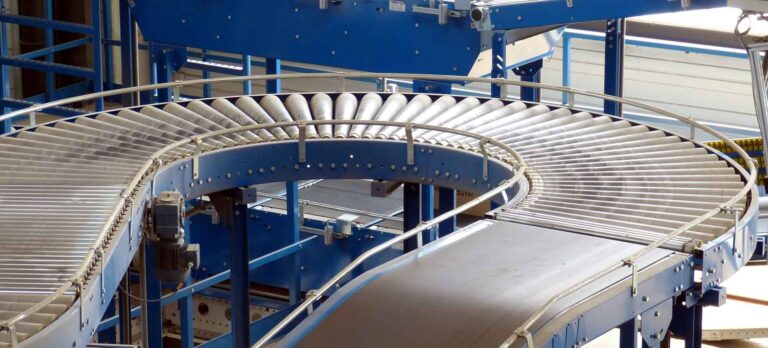
For the same period, General Beltings’ division volumes totalled 127 metric tonnes, down from 203 metric tonnes in the comparable period. This decline was mainly attributed to weaker platinum prices, which led to reduced downstream demand for conveyor belts.

As a result, the total turnover for the period stood at ZWG 22 million, 15% lower than the ZWG 26 million reported in the same period last year, reflecting the mixed performance of both the rubber and chemicals divisions.

In a trading update for the half-year ended June 30, 2024, General Beltings Chairman Tichaona Mabeza expressed optimism that the recovery in the mining sector, spurred by rising mineral prices, would help improve the fortunes of the General Beltings unit.

“Although the challenges of the first half of the year were daunting, the anticipated recovery in the mining sector, through firming mineral prices, is a source of optimism as it underpins the fortunes of the General Beltings Division. The adverse effects of the El Niño-induced drought on power generation are pervasive and debilitating to the economy,” Mabeza said.

He also emphasized the critical power supply challenges and expressed hope that increased thermal power generation would help augment national grid supplies and, in turn, boost demand for the company’s conveyor belts.

“To ameliorate the current negative effects of the power supply deficit, there would be a need to augment power supplies with increased thermal power generation, thus increasing demand for conveyor belts from the General Beltings Division,” Mabeza added.

Weighed down by reduced income from the mining sector, the company’s gross profit for the first half of 2024 stood at ZWG 11 million, down 22%, reflecting both the lower turnover and reduced overhead recoveries.

Operating costs were reduced by 33%, totalling ZWG 11 million compared to ZWG 16 million in the same period last year. This reduction was attributed to cost-cutting measures aimed at aligning the company’s expenses with the lower revenues from its key markets in the mining sector.

In the second quarter of 2024, global platinum demand increased by 13% year-on-year, reaching 2,421 koz. This growth was fueled by a remarkable 137% surge in investment demand and a 5% rise in demand from the jewellery sector. Stable demand from the automotive and industrial sectors further contributed to the overall growth.

Demand is expected to continue its strong growth, particularly from the jewellery sector, which benefits from platinum’s price differential with gold. The automotive industry is also significantly driving demand as platinum increasingly substitutes palladium, particularly with the rise of heavy-duty vehicles and hybridization trends. Total platinum demand is forecast to reach 8,118 koz in 2024, resulting in a substantial market deficit of 1,028 koz.

On the supply side, while mine production increased and secondary supply stabilized, total global supply still fell short, reaching only 1,958 koz. This led to a significant deficit of 464 koz. For the full year, total platinum supply is projected to decline by 1% compared to the already weak levels of 2023.

In response to these supply constraints, platinum prices rebounded to around $920 per troy ounce in September, the highest in two months. Expectations of lower supply and declining global interest rates have increased the appeal of precious metals.

For companies like GB Holdings, which rely heavily on the mining sector for profitability, the outlook is positive. Bloomberg forecasts suggest that the average platinum price will rise to $957.33 per ounce in 2024, and further increase to $1,005.42 per ounce in 2025.

Diamond Workers Launch Strategic Plan to Advocate for Workers’ Rights and Industry Transformation

0

The Zimbabwe Diamond and Allied Minerals Workers Union (ZDAMWU) has officially launched a comprehensive action and strategic plan focused on safeguarding workers’ rights and driving growth in the mining sector.

By Ryan Chigoche

This bold initiative comes at a critical time when Zimbabwe’s mineral wealth, despite being a key economic driver, has not fully translated into improved conditions for workers or sustainable development in the mining industry.

Zimbabwe’s mining resources contribute approximately 12% to the country’s Gross Domestic Product (GDP) and are among the country’s largest foreign currency earners.

However, despite this wealth, Zimbabwe’s mining sector has faced several challenges. Corruption, inconsistent policies, high tax rates, unappealing investment conditions, and rampant mineral smuggling have hindered the country’s ability to fully unlock the potential of its mining industry.

These issues have had significant implications for mine workers, who often endure poor wages, subpar working conditions, and eroded rights as the sector’s potential remains largely untapped.

In response, ZDAMWU organized its third regional meeting in Harare, where they unveiled their new strategic plan under the theme Adopting ZDAMWU Strategic Plan Framework Towards Inclusive Building Union Power and Securing Jobs and Transformation.

The meeting provided a platform for the union to outline the objectives of the plan and discuss its approach to tackling pressing issues facing workers in the mining sector.

ZDAMWU General Secretary Justice Chinhema highlighted the core goals of the strategic plan in his address. He emphasized that meaningful change and transformation in the mining sector require an inclusive, action-oriented approach that involves all levels of the union, from local sections to national bodies.

“For real change and transformation to happen in the industry, an all-inclusive action plan must be implemented at the section, mine, branch, regional, and national levels,” Chinhema stated, emphasizing the importance of collective action and collaboration in addressing the challenges faced by mine workers.

Chinhema further explained that the strategic plan aims not only to defend miners’ rights but also to transform the mining industry for sustainable development and fair treatment of all workers. The plan is designed to advocate for essential policy reforms, strengthen the bargaining power of the union, and ultimately improve workers’ livelihoods within the sector.

The five-year strategy presented by ZDAMWU is multifaceted, with initiatives aimed at achieving these ambitious goals.

At its core, the plan seeks to build union power through organizing efforts that will empower workers to advocate more effectively for their rights and interests. It also focuses on defending workers’ rights, ensuring access to fair wages, decent working conditions, and protection from exploitation. Additionally, the strategy promotes sustainable industry development by advocating for responsible mining practices, environmental protection, and long-term growth.

Another key element of the plan is the push for legislative and policy changes to make the mining sector more worker-friendly and conducive to long-term growth. By collaborating with government officials, industry leaders, and other stakeholders, the union hopes to advocate for sector-specific changes in laws, especially around taxes, royalties, labor rights, and environmental regulations.

ZDAMWU’s plan also emphasizes education and capacity building. Workshops and training programs will be organized for union leaders and members to enhance their skills and knowledge of industry practices and workers’ rights. This will equip union members with the tools they need to effectively advocate for themselves and their colleagues.

The union will engage both national and international organizations to bring global best practices into Zimbabwe’s mining sector, further strengthening the capacity of workers and their unions.

Additionally, the strategic plan includes a proposal to establish a miners’ welfare fund. This fund would support miners and their families during times of need, offering financial assistance in cases of injury, illness, or other hardships. The welfare fund aims to provide workers with crucial support in crises, enhancing the security of mining communities.

ZDAMWU’s comprehensive approach—combining policy advocacy, capacity building, and worker welfare—demonstrates a commitment not only to improving conditions for workers but also to transforming the industry into one that is more sustainable, equitable, and profitable for all stakeholders.

Shava Wins Outstanding Public Sector Chairperson at CEO Network Awards 2024

0

Mining executive and startup project expert Mr Munashe Shava has been awarded the prestigious title of Outstanding Public Sector Chairperson of the Year at the 2024 Zimbabwe CEO Network Awards, Mining Zimbabwe can report.

By Rudairo Mapuranga

The Zimbabwe CEO Network Awards, which celebrate excellence in leadership and corporate governance, recognized Shava for his remarkable contributions to Zimbabwe’s public enterprises, particularly within the mining industry.

Shava, who currently chairs the board of the Zimbabwe Consolidated Diamond Company (ZCDC), has been instrumental in driving growth and stability within the company, working alongside the board, management, and worker leadership to navigate the complexities of the diamond mining sector. Under his leadership, ZCDC has become one of Zimbabwe’s key mining operations, contributing significantly to the nation’s economy. In addition, ZCDC aims to produce 10 million carats annually from the current over 5 million carats, which is nearly 100 per cent production.

Shava is also the administrator at Hwange Colliery, where his leadership has transformed the struggling mine into a profitable entity. He is a Director at one of the country’s biggest lithium producers, Kamativi Mining Company (KMC), and the head of the platinum group metals cluster at Kuvimba Mining House.

In his acceptance speech, Shava expressed his surprise and gratitude for the recognition by the Zimbabwe CEO Network for honouring his outstanding work in the mining sector in Zimbabwe.

“It’s always good to be recognized, but this came as a surprise,” he said.

He explained how he had initially planned to be in Cairo, Egypt, for another assignment but decided to attend the awards after persistent requests.

“I didn’t know it would end like this,” he added with a smile.

Shava also acknowledged the teams he works with, emphasizing the collective effort required to achieve success in large organizations.

“I’m just the chairman at ZCDC, but the board, management, and the rest of the worker leadership help me run this huge company.”

He went on to thank the ZCDC team and other organizations he is associated with, including Hwange Colliery Company, where he has overseen a remarkable turnaround. Once struggling, Hwange is now a key supplier of coal for Zimbabwe’s power generation sector.

Shava also took the opportunity to thank Kuvimba Mining House, highlighting its role in revitalizing critical mining operations such as Freda Rebecca, Shamva Gold Mine, and Sandawana. Shava’s involvement with multiple mining entities has earned him widespread respect as a leader who is deeply invested in the future of Zimbabwe’s mining industry.

In a touching moment to advance the future of mining beyond his generation, Shava invited his son onto the stage, underscoring the importance of leadership continuity and sustainability.

“Leadership is all about sustainability. I brought him along because I want him to see the world and understand the responsibilities that come with leadership. He has just completed his exams and is proudly representing the family,” he said.

The AMMZ Heads to Blanket Mine to Explore Green Energy Innovations

0

The Association of Mine Managers of Zimbabwe (AMMZ) will conclude its year with a technical visit to Caledonia Mining Corporation’s Blanket Mine in Gwanda. The visit will focus on green energy investments, exploration, and underground mining operations, AMMZ President Abel Makura has said.

By Rudairo Mapuranga

Makura told Mining Zimbabwe that AMMZ, in conjunction with its Annual General Meeting (AGM), will undertake its fourth and final technical visit of the year to Blanket Mine in Gwanda.

He noted that the visit aims to provide an in-depth, technical understanding of one of Zimbabwe’s largest gold mining operations. “This technical visit to Blanket Mine is our last for the year and is intended to give our members an inside look at the operations of one of Zimbabwe’s largest gold mines,” Makura said.

The visit will cover several aspects, including underground operations, the tailings storage facility (TSF), processing facilities, and Blanket Mine’s solar plant, which represents the company’s investment in green energy.

“The visit will be split into various areas: the underground mine, processing plant, and tailings facilities. There is also an opportunity to see the positive strides taken in green energy investment through their solar plant,” he said.

AMMZ, founded in 1972, has supported the advancement of mining science encompassing disciplines such as Surveying, Geology, and Metallurgy. It serves as a platform for sharing best practices and promotes the study and growth of mining and allied disciplines. AMMZ is an affiliate of the Chamber of Mines of Zimbabwe.

Gold buying prices per gram in Zimbabwe 11 November 2024

These are the official gold buying prices per gram in Zimbabwe today 11 November 2024, from the official gold buyer and exporter Fidelity Gold Refinery (FGR).

SG 90% and ABOVE US$81.76/g
SG ABOVE 85% BUT BELOW 90% US$80.89g
SG ABOVE 80% BUT BELOW 85% US$80.03/g
SG ABOVE 75% BUT BELOW 80% US$79.16/g
SAMPLE BELOW 10g BUT ABOVE 5g US$77.87/g

Fire Assay CASH $82.19/g

NB: Fire Assay cash price is for gold above 100gs, no sample is deducted.
For the Fire Assay Transfer price, a sample of not more than 10g is deducted
A 2% royalty is charged on all deposits (Small-scale miners)
A 5% royalty is set for Primary Producers

Cash available. Fidelity Gold Refinery prices will be changing daily to match world market prices.

Zimbabwe Must Capitalize on AI Boom as Demand for Critical Minerals Surges

0

According to local research firm Fincent Securities, Zimbabwe must capitalize on the explosive growth of Artificial Intelligence (AI), which is driving unprecedented demand for critical minerals as the technology’s energy-intensive infrastructure requires vast amounts of specialized materials.

By Ryan Chigoche

Data Centres, which are integral to AI development and training, and the semiconductor chips used in AI hardware, rely on a variety of metals that are becoming increasingly scarce. Experts predict that the rise of AI will trigger a 10-year “supercycle” for these minerals, further straining global supply chains that are already struggling to meet sustainability targets.

Semiconductor chips, the backbone of AI systems, are primarily made from silicon but also contain various other metals critical to their function. Copper, gold, tin, nickel, palladium, and silver are all essential components within these chips.

Copper is used for wiring and circuit boards, while gold is employed in connectors and storage devices for its exceptional conductivity and resistance to corrosion. Tin is necessary for soldering, and nickel is vital for the production of batteries and electronic alloys. Additionally, palladium and silver are commonly used in high-performance electronics due to their conductive properties.

As AI continues to evolve, data centres—which house the massive computing power required for AI processing—are under intense pressure to expand. Tech giants like Amazon are making huge investments in this infrastructure, with plans to allocate $150 billion over the next 15 years to build new data centres. These centers require large quantities of metals such as platinum, which is used in storage devices for its durability and conductive qualities.

This surge in demand for critical minerals is creating a bottleneck in supply chains already stretched by growing needs in other industries, including electric vehicles and renewable energy technologies. The race for resources has become even more urgent as nations and corporations aim to meet net-zero emission targets.

What It Means for Zimbabwe

For Zimbabwe, the growing global demand for critical minerals presents both a significant opportunity and a set of challenges. The country is rich in several minerals vital for AI technologies, such as platinum, nickel, copper, gold, and lithium. As global demand for these metals rises, Zimbabwe stands to benefit from increased mineral exports and foreign investment in its mining sector.

However, Zimbabwe faces significant challenges in capitalizing on these opportunities. The mining sector would need substantial investment to scale up production and meet international demand. Political instability, regulatory hurdles, and high operating costs could hinder efforts to attract foreign investment into the sector.

Beyond raw extraction, experts believe Zimbabwe could benefit from further industrialization, moving up the value chain by processing and refining its minerals locally. This could lead to job creation, higher-value exports, and a more diversified economy. By developing industries such as battery production or electronic component manufacturing, Zimbabwe could position itself as a key player in the tech sector, creating sustainable growth that goes beyond simply exporting raw minerals.

Zimbabwe is endowed with over 60 known mineable resources, dominated by two key geological features—the Great Dyke and ancient greenstone belts. The Great Dyke holds the world’s second-largest deposits of platinum group metals (PGMs), second only to South Africa’s Bushveld Complex.

Women Urged to Professionalize and Strategize Mining Ventures

0

Women in Zimbabwe’s mining sector have been encouraged to approach their operations as formal businesses, ensuring professional management of their mining sites to foster sustainable growth in the artisanal and small-scale mining (ASM) sector. This approach emphasizes enhancing business acumen and technical skills, reports Mining Zimbabwe.

By Rudairo Mapuranga

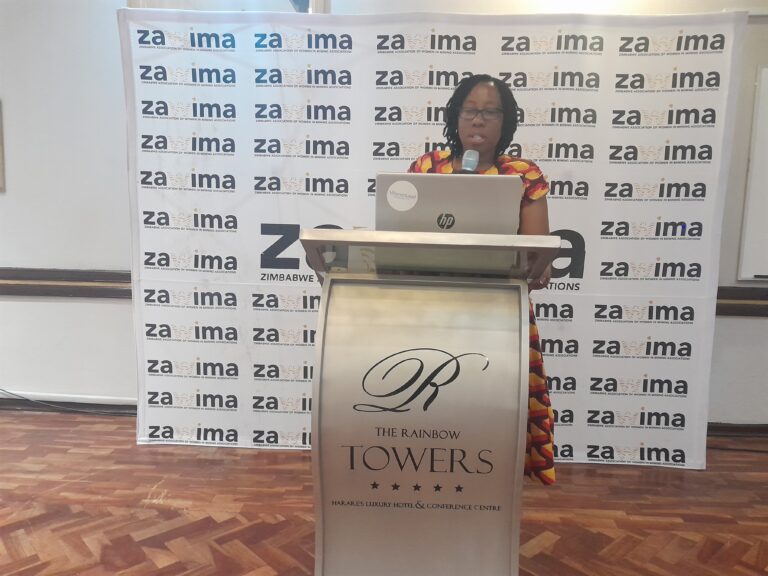
Speaking at the Zimbabwe Association of Women in Mining Associations (ZAWIMA) Women in Extractives and Development symposium, ZAWIMA Chairperson Kundai Chikonzo highlighted the importance of female miners adopting structured, professional approaches to mining.

She urged participants to implement rigorous operational systems that would ensure smooth day-to-day functioning and attract potential investors and financiers.

Chikonzo emphasized the critical role of proper record-keeping and budget management as key pillars in running a successful mining venture. She pointed out that many women in the mining sector have historically viewed mining as a side activity rather than a full-fledged business, which has limited the potential for growth and development.

“Mining should not be seen as a side hustle. It is a business like any other and requires serious attention. We need to set up offices at our sites to manage operations effectively. Paperwork is essential. Financiers and investors want to see detailed records of your operations, including production volumes, costs, and revenue streams. Without proper records, we risk missing opportunities for growth and financing,” Chikonzo said.

To transition into fully-fledged business entities, Chikonzo stressed the need for systems that monitor both technical and financial performance. She recommended that women establish a clear hierarchy and employ trustworthy personnel capable of maintaining the integrity of the mining operation.

“Women should have systems in place to track all activities at the mine site. This includes understanding machinery usage, fuel consumption, and other operational costs, such as explosives and drilling. Without proper systems, you won’t know how much is being spent or wasted, which can lead to losses and inefficiency,” Chikonzo said.

Additionally, Chikonzo highlighted the importance of understanding the geological nature of mining claims. She explained that familiarity with a mine’s geology is crucial for effective extraction planning and cost management, especially in estimating the use of explosives and other consumables. Female miners, she said, need to move beyond surface-level knowledge and develop an in-depth technical understanding.

“Knowing your geology is key. You need to thoroughly understand the mineral composition and rock formations at your site. This will help you estimate the amount of drilling and explosives required, as well as fuel and maintenance costs for your machinery,” she explained.

The ZAWIMA Chairperson concluded by stressing the need for women miners to adopt sustainable practices. As the global and local focus shifts toward environmental responsibility in mining, women in Zimbabwe’s mining sector have an opportunity to lead by example in implementing environmentally friendly and ethical practices. This, she said, will further enhance their credibility in the industry and open doors to international partnerships.

By professionalizing their operations and treating mining as a serious business, women miners can significantly contribute to the economic development of Zimbabwe’s ASM sector. Through improved operational systems, budgeting, and geological understanding, they can ensure long-term sustainability and profitability for their ventures.

ZAWIMA Symposium Champions Women’s Health and Safety in Mining

0

The Zimbabwe Association of Women in Mining Associations (ZAWIMA) is spearheading efforts to address the pressing health and safety challenges faced by women in the mining sector. As more women take up roles within the industry, ZAWIMA is calling for immediate and targeted reforms to ensure the unique health and safety needs of women miners are met, Mining Zimbabwe reports.

By Rudairo Mapuranga

Kundai Chikonzo, Chairperson of ZAWIMA, delivered a powerful opening address at the inaugural Women in Extractives and Development Symposium 2024, setting the stage for critical discussions on “Improving Safety, Health, and Development for Women and Girls in the Mining Value Chain.” Chikonzo highlighted systemic issues faced by women and called for comprehensive solutions to improve their working conditions and overall well-being within the mining industry.

According to Chikonzo, there is a need for gender-specific health and safety measures, including access to safe working conditions, improved occupational health standards, and gender-sensitive health services. She emphasized the importance of health impact assessments tailored to the realities of women in mining, ensuring these assessments are inclusive and reflect the specific needs of women in remote mining areas.

“We must conduct health assessments with a gender-sensitive approach, ensuring that the most vulnerable are not left behind,” Chikonzo urged during her speech.

Another critical topic at the symposium was access to affordable healthcare in remote mining regions, where women often face barriers to basic health services, including reproductive, maternal, and mental health support.

Chikonzo called on stakeholders to recognize gaps in healthcare provisions, highlighting that these gaps disproportionately affect women miners and their families.

She also raised the issue of gender-based violence (GBV) in mining communities, particularly in light of the 16 Days of Activism Against Gender-Based Violence.

“How are health and safety regulations enforced to prevent gender-based discrimination in mining? Are national health policies truly integrating gender considerations?” she asked.

These pressing questions aimed to hold both policymakers and industry players accountable for the well-being of women in mining.

Sanitation in the mining sector was another critical issue Chikonzo addressed. The lack of adequate sanitation facilities for women has severe consequences for their health and dignity. “Most of the toilets aren’t used by women,” Chikonzo pointed out, emphasizing the dire need for better facilities. She explained that without access to proper sanitation, the health of mining communities, particularly women, is at risk, and called on inspectors to go beyond surface-level checks and focus on meaningful improvements in working conditions.

ZAWIMA’s Women in Mining Development Programme seeks to identify and address gaps in health and safety policies by developing actionable solutions and strengthening partnerships that support the well-being of women in mining. The organization’s focus on prevention, support, and accountability mechanisms is seen as a critical step toward creating a safer, healthier, and more equitable mining industry for women. “Together, we must work toward a safer, healthier, and more equitable mining industry for women,” Chikonzo declared, reinforcing the need for collaborative action.

The symposium provided a platform for experts, policymakers, and industry stakeholders to exchange ideas, discuss ongoing challenges, and develop strategies to improve the health and safety of women working in the mining sector. By championing these critical issues, ZAWIMA is empowering women miners and contributing to the sustainable development of the mining sector. Chikonzo concluded with a call for sustained efforts: “Let’s break down the barriers to women’s participation in mining and ensure safe, fair working conditions for all.”

A Guide to Zimbabwe’s Underground mining Lingo (slang)

0

Miners in Zimbabwe have created their own slang to describe equipment and tools used on mine sites. From heavy machinery to simple handheld tools, these often humorous names bring some fun into a tough working environment. Whether in Makonde, Zvishavane, Filabusi or anywhere else in the country, this lingo helps miners communicate quickly and clearly in high-pressure situations.

Below is a list of common mining equipment slang used in Zimbabwe. Each term provides a glimpse into the mining industry’s culture, camaraderie, and unique language.

  1. 5 stamp mill – 5 stampa
  2. Air leg – nyawo
  3. Airloader – bhusumani
  4. Alternator head (Generator) – igwenya
  5. Ball mill – Chiguru guru/ ChiBholo
  6. Bush Tuckshop – Chibhon’ashuro
  7. Buyers – Mabhayera
  8. Bully and violent gangs – Mabhambadzi
  9. Cage – Chikepe
  10. Catapult/ndandi – Wish
  11. Cocopan – hoporo/ ngorovhani
  12. Comp/genset engine – Gwenya
  13. Crusher – Pinduka
  14. Cyanide bucket – Chikanga
  15. Drill rig – Chinzikunye, Jomboro
  16. Drill sticks – injombolo
  17. Dust mill – Chimbumu
  18. Eloping – Kuvhuna
  19. Empty vat tanks – Kurapura
  20. Explosives – Masadza/ Mahora/ Majaratina
  21. Extended refining – Selaz
  22. Fake gold – dingo
  23. Feeder – Chinyanganya
  24. Female miner – gwejeline
  25. Fill vat tanks – Kudhibhira
  26. Footwall – Futuhoro
  27. Food – momomo
  28. Gang minions – Zvimbwanana
  29. Germans – Magerimani
  30. Hammer mill – ingayiza
  31. Hard hat – kongo
  32. High sample kit – Njumba
  33. Hosepipe – Matumbu
  34. Jack hammer – Njekete
  35. James Table – Gavha stick
  36. Junk – Mbara
  37. Lasher – Maholoha
  38. Leg guide – madholo
  39. LHD GHH version – Jecheche
  40. Locomotive – Makaranyani / Ngorovhani
  41. Mill – Mhiro
  42. Mill remnants – Mashoro
  43. Mine Sponsor/owner – Murungu
  44. Mine Shaft – Tonera
  45. Miner – Gweja
  46. Money – Musharara
  47. Money advance/asking for money – Kuhovha
  48. Not part of the share – Haumo mubhasikiti
  49. Ore – Kwa small
  50. Ore reject – Ravhuza
  51. Overalls PPE – Amagidhiyani
  52. Pinch bar -mugwara
  53. Pipe for air pressure – Thumbo ye smoko
  54. Place/Space to Mine – Chikwera
  55. Pump – Chidhakwa
  56. Pusher – chovha
  57. Rain suit – Chikweshe
  58. Redoing – Mareeds
  59. Rescue pack – Chimpakuri
  60. Rock tumbler – Chivhu
  61. Sdc gold detector – Chitititi
  62. Shaking table – Chivorovo
  63. Skip – Chikurupati/ Chikepe
  64. Small ore – Kwa
  65. Small stamp mill – Chinjoma
  66. Silver mercury – Chigidhi
  67. Sinkinl suit – Chikweshe
  68. Sponsor/ Owner – Murungu
  69. Take a credit – Kuporora
  70. The boss – Ziguru
  71. Tunnel – Chikwera
  72. Tunnel end – dashboard
  73. Tuckshop – Kakanindo
  74. Torn gear – zvimombe/ perengende
  75. Tumbling station – Chivhu Chivhu
  76. Underhand drilling – Madhinda
  77. Underground mine walls – Chikwera
  78. Water pump – Chidhakwa
  79. Work suit – Perengende/ Chimombe/ Matseee

William Gambiza officially Appointed CEO of HCCL Holdings

0

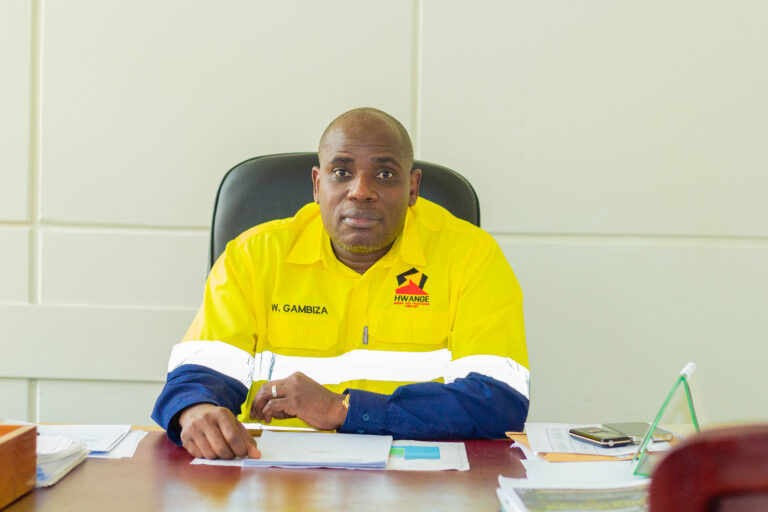
Hwange Colliery Company Limited (HCCL) Holdings, currently under administration, has officially appointed William Gambiza as its Chief Executive Officer (CEO), Mining Zimbabwe has learned.

By Rudairo Mapuranga

This strategic appointment, made by HCCL Holdings Administrator Munashe Shava, marks a pivotal point in the company’s efforts to secure a sustainable future and reestablish itself as a key player in Zimbabwe’s mining sector.

In a memorandum dated November 6, 2024, Shava highlighted Gambiza’s extensive experience and leadership capabilities, describing him as a visionary capable of driving innovation and growth within the company.

“William brings a wealth of experience, visionary leadership, and a proven track record of success in the mining industry. We are confident that he will lead our organization to new heights, fostering a culture of excellence, collaboration, and sustainability,” Shava said.

Gambiza, who had been serving as acting CEO before this permanent appointment, is no stranger to Hwange Colliery’s challenges. He steps into the role at a time when the company is focused on operational improvements, financial stability, and reinforcing its presence within Zimbabwe’s coal industry. With over 18 years of experience in both mining and investment banking, Gambiza is seen as the right leader to usher in a new era of stability, performance, and innovation.

The restructuring of Hwange Colliery into HCCL Holdings and Gambiza’s leadership has been well received by the company’s workforce, boosting optimism about the company’s turnaround. Workers have praised the improvements in their working conditions and the open-door management style that Gambiza has introduced.

According to Deliverance Nyoni, Chairman of HCCL Holdings Workers’ Committee, the new management has been instrumental in improving both the work environment and the relationship between workers and leadership.

“Working conditions have improved greatly, and no one is afraid at work anymore. The CEO is not just a boss; to us, he’s a friend. There’s no longer a fear of being victimized, and production results reflect that,” said Nyoni. He added that the management has fostered an inclusive culture where workers are encouraged to share ideas on how to grow the company, leading to greater morale and productivity.

Gambiza’s leadership style emphasizes the involvement of all employees in decision-making processes, stating that “leadership is about influence and people.” He believes that the success of Hwange Colliery lies in the full involvement of workers from the ground up. “Partial involvement gives partial results. Full involvement gives full results,” Gambiza explained. He emphasized that the company’s workforce now participates actively in shaping business objectives and strategies, marking a shift from merely focusing on salaries to a more holistic approach to business success.

Since implementing the Business Improvement Project (BIP) under Gambiza’s leadership, Hwange Colliery has made strides in capital projects aimed at boosting operational efficiency and ensuring long-term sustainability. The company, which employs over 3,500 people (including contract workers), has introduced several programs to benefit employees, such as an internal medical fund and the Colliery Fund. These initiatives aim to improve employees’ welfare, ensuring they leave the company in a better financial position.

Looking ahead, Gambiza has set his sights on transforming Hwange Colliery into a leader in innovation and sustainable growth.

“Our team’s role has expanded beyond salary discussions to actively participating in the company’s business objectives and plans. The secret is people first, strategy second,” he said.

Gambiza also underscored the importance of fostering autonomy, psychological safety, and commitment within the workforce, which he believes are crucial for achieving the company’s long-term goals.

While many developed countries are moving away from fossil fuels, Gambiza remains optimistic about coal’s future, particularly in the African context. He acknowledged the global push for greener energy solutions but noted that coal continues to play a vital role in meeting Africa’s energy needs.

“Africa faces unique challenges, and in the context of the energy crisis, coal remains a reliable source. Countries like China and India are increasing their demand for coal, even though Europe has moved away from it. The future of coal is still bright,” Gambiza said in a recent interview.

He emphasized the need for research into cleaner coal technologies, arguing that instead of banning coal outright, the focus should be on reducing emissions and making coal a cleaner energy source.

“We need to focus on cleaner, smarter technologies to reduce emissions, not just ban coal. We can talk about ‘green coal’ instead of viewing it as a dirty energy source,” Gambiza stated.

As global attention shifts towards greener energy sources, particularly in developed nations like the United States and the United Kingdom, Gambiza sees an opportunity for Africa to take a balanced approach. Coal remains essential for many African countries, where renewable energy infrastructure is still developing.

According to Gambiza, a just energy transition that considers the realities of developing nations is crucial to ensuring these countries are not left behind.