Home Blog Page 165

Gold buying prices per gram in Zimbabwe 28 October 2024

These are the official gold buying prices per gram in Zimbabwe today 28 October 2024, from the official gold buyer and exporter Fidelity Gold Refinery (FGR).

SG 90% and ABOVE US$82.98/g
SG ABOVE 85% BUT BELOW 90% US$82.10g
SG ABOVE 80% BUT BELOW 85% US$81.23/g
SG ABOVE 75% BUT BELOW 80% US$80.35/g
SAMPLE BELOW 10g BUT ABOVE 5g US$79.03/g

Fire Assay CASH $83.42/g

NB: Fire Assay cash price is for gold above 100gs, no sample is deducted.
For the Fire Assay Transfer price, a sample of not more than 10g is deducted
A 2% royalty is charged on all deposits (Small-scale miners)
A 5% royalty is set for Primary Producers

Cash available. Fidelity Gold Refinery prices will be changing daily to match world market prices.

Fuel Levy, Power Cuts, and Soaring Costs Push Zimbabwe’s Mining Sector to the Brink

0

Zimbabwe’s mining sector is facing a severe crisis as a new fuel levy of US$0.005 per litre worsens existing challenges, including crippling power cuts and skyrocketing operational costs. Already burdened by an effective tax rate of 69%, miners are struggling to remain viable, with sectors like lithium and platinum group metals (PGMs) particularly hard-hit, Mining Zimbabwe can report.

By Rudairo Mapuranga

The lithium sector has seen companies threatening to shut down operations, while the PGM industry has resorted to cutting jobs and reducing spending. Adding to the woes, the predicted softening of commodity prices threatens to make these industries increasingly unviable.

The fuel levy, introduced to raise additional revenue for government projects, is expected to push mining companies to the edge of collapse, with industry leaders warning of potential shutdowns that could further stifle economic growth.

The Chamber of Mines of Zimbabwe (CoMZ), in a report, emphasized that the levy comes at a time when the sector is already grappling with a complex array of costs, regulatory burdens, and frequent power outages, all of which are severely undermining operations.

Zimbabwe’s miners are already dealing with an effective tax rate of 69% in 2024, a level far exceeding regional competitors such as Zambia (60%), the Democratic Republic of Congo (61%), Ghana (56%), and South Africa (44%). This tax burden is eroding the competitiveness of local mining companies, with the fuel levy threatening to push some operations past the breaking point.

Additionally, the mining sector faces a labyrinth of taxes, fees, and levies, including a 20% special capital gains tax, environmental impact assessment levies of 0.8% to 1.2%, a 2% environmental rehabilitation levy, and royalties of up to 10% depending on the mineral.

Miners must also contend with rising electricity and labour costs while surrendering 25% of their export proceeds to the government, effectively adding a 12% tax on gross revenue.

On top of this, miners are subjected to 157 separate fees and charges imposed by government ministries, agencies, and Rural District Councils, ranging from US$4,000 to US$15,000. These high and often unaffordable fees severely impact the viability of mining projects.

The CoMZ report notes that procurement, contractors, government taxes, employment costs, and power expenses consumed a staggering 91% of total mining revenues in 2024, leaving little room for reinvestment in capital projects.

The situation is dire for key sectors like lithium and PGMs. Lithium companies have already signaled potential shutdowns due to untenable costs, while the PGM industry has been forced to cut jobs and reduce operational spending. Compounding these challenges is the forecast of continued softening in commodity prices, which could make mining in these sectors increasingly unsustainable.

CoMZ Chief Executive Isaac Kwesu highlighted that smaller mining operations, consuming around 18,000 litres of fuel per month, are already paying US$27,000 monthly before the new tax. These costs are set to rise with the introduction of the fuel levy, pushing small and large mining operations further into financial strain. Larger mining companies have reported losses of up to US$500 million in potential revenue this year alone due to frequent operational downtime caused by power cuts and rising costs.

“The mining industry is heavily reliant on diesel and petrol, particularly for electricity generation during power outages. While the fuel levy may not seem like a significant increase for smaller operations when applied across the industry, it will add substantial costs, further straining the sector,” Kwesu said.

This is not the first time Zimbabwe’s mining sector has faced the threat of widespread closures. In the early 2000s, gold mines were shuttered due to hyperinflation, price distortions, and foreign currency shortages. Now, history seems to be repeating itself, with the added pressure of softening commodity prices.

The new fuel levy is also expected to increase inflationary pressures across the economy. The Direct Fuel Importers (DFI) industry body, representing petroleum importers, has confirmed that the additional costs will be passed on to consumers. Prior to the levy, a litre of petrol and diesel was already priced at US$1.49 and US$1.50, respectively.

DFI Secretary-General Bart Mukucha noted that while the levy may support government projects, it is the mining sector and the broader economy that will bear the brunt of rising fuel prices.

As miners contend with ever-increasing costs, there is growing concern that the industry’s future hangs in the balance. Industry leaders are urging the government to reconsider its tax and regulatory framework before the country’s key economic driver becomes unsustainable.

4o

GSZ Summer Symposium to Unveil Cutting-Edge Trends in Geological Exploration

0

The Geological Society of Zimbabwe (GSZ) Summer Symposium 2024 is set to be a pivotal event, showcasing the latest trends in geological exploration.

By Ryan Chigoche

The symposium, which will take place on November 1, 2024, at the Natural History Museum of Zimbabwe in Bulawayo, will bring together geologists, students, and enthusiasts for a day of knowledge-sharing, exploration, and networking.

Zimbabwe is rich in mineral resources, making exploration crucial for economic development. Despite its geological potential, the country remains under-explored, underscoring the need for innovative techniques and sustainable practices in the mining sector. Effective exploration can reveal new deposits of valuable minerals such as gold and platinum, attracting both local and foreign investment. This, in turn, can create jobs, stimulate economic growth, and promote responsible resource management. As Zimbabwe seeks to strengthen its position in the global mining industry, focused exploration efforts will be essential for unlocking the country’s full mineral potential and fostering sustainable development.

The symposium will feature discussions on various exploration techniques crucial for identifying mineral resources. These methods include geological mapping, geochemical surveys, and geophysical surveys, each offering unique advantages depending on the geographical region and specific minerals targeted. Technologies like remote sensing have revolutionized geological mapping, providing critical insights into fault activity and mineralization zones through advanced imaging and interpretation.

Speaking to Mining Zimbabwe, GSZ Chair Ernest Mgandani emphasized the value of modern technology in exploration.

“The Summer Symposium will provide invaluable insights into emerging trends in geological exploration. Modern information technology has gradually advanced traditional regional mapping surveys from digital mapping to an intelligent mapping stage characterized by big data and mapping intelligence. Deep-penetrating geochemistry is a core technology for deep resource exploration, with insights on emerging trends shared during symposium presentations. These include chemical extraction methods, such as enzyme leaching; physical separation techniques, like fine particle and magnetic separation; geo-electrochemical measurements using various power currents; gaseous and geogas measurements; biometric methods involving vegetation and bacteria prospecting; and hydrochemical assessments,” Mgandani said.

This year’s symposium will feature distinguished speakers and experts in geology. Attendees can expect engaging presentations covering a variety of topics, including geochronology, mineral resources, and innovative sustainable practices in geological research. The event aims to foster collaboration and discussion, allowing participants to share ideas and insights that could shape the future of geological studies in Zimbabwe and beyond.

Presentations will explore advanced techniques, including chemical extraction methods like enzyme leaching, physical separation techniques such as fine particle and magnetic separation, and geo-electrochemical measurements with various power currents. Other innovative methods to be discussed include gaseous and geogas measurements, biometric techniques such as vegetation and bacteria prospecting, and hydrochemical assessments.

Emerging technologies, particularly high-resolution airborne geophysical surveys and drone technology are gaining traction within the field. These advancements are increasingly being adopted by private sector players, enhancing the efficiency and effectiveness of geological surveys.

The GSZ promotes collaboration among academic institutions, government, and industry by welcoming all interested members to its events. The government is the largest employer of geoscientists within the Society, which also includes academic institutions and various private sector participants as institutional members. The Summer Symposium has become a key event on their calendars, drawing students, lecturers, private geoscientists, and government geoscientists together. This gathering provides a valuable opportunity for attendees to share knowledge and experiences, positioning the symposium as a central hub for advancing exploration initiatives.

Since its founding in 1981—after operating as a branch of the Geological Society of South Africa since 1962—the GSZ has played a vital role in the nation’s geological studies. The Society’s transition allowed for a focused approach to Zimbabwe’s distinct geological challenges and opportunities. As the largest employer of geoscientists, the government, alongside academic institutions and private sector members, views the Summer Symposium as a premier event that unites students, lecturers, and professionals alike.

Changing the Procurement Narrative through Strategic Sourcing in Zimbabwe

0

The year 2024 will be remembered in business as a time when fragile supply chains faced some of their sternest tests.

by Emmanuel Nzombe (MCIPS, CIPP)

These challenges stemmed from global disruptions, including trade wars, soaring shipping costs, and climate change effects like El Niño, which posed significant threats to agriculture-based supply chains. Furthermore, the mining industry worldwide was hit hard by plummeting prices for critical minerals such as platinum, nickel, and diamonds. The stability once enjoyed by the platinum industry, a mainstay of Zimbabwe’s mining sector, took a surprising downturn, with authoritative voices in the industry predicting up to an 18-month decline. Even the newly celebrated mineral, lithium, was not spared.

This turbulence sent many companies into panic, forcing them to trim any costs deemed excessive to preserve their financial health. Unsurprisingly, workforce cuts became a common solution. Yet, even after these reductions, many companies found that their stability was not restored. As management author Tom Peters famously said in In Search of Excellence: “The operation was a success, but the patient died.” This raises an important question: Why do corporate survival strategies so often miss the mark? While restructuring can be necessary, focusing on sustainable cost-saving areas, rather than only headcount reductions, can yield more lasting results.

This brings us to Strategic Sourcing, often misunderstood or underutilized. Strategic Sourcing is a data-driven approach that aligns procurement with business goals, enabling significant cost savings, quality improvement, and risk minimization. Unlike the common practice of relying on a simple three-bid process, Strategic Sourcing views business spend holistically, considering the overall climate and supply market capabilities. This method leverages bargaining power and synthesizes market capabilities into long-term value while mitigating risks. Strategic Sourcing isn’t just a tool for crises; it’s an essential, continuous strategy that must be driven from the C-suite and adopted throughout the organization.

Why Strategic Sourcing Is Essential

As an African proverb wisely states: “A chameleon that wants to survive a burning bush must abandon the majestic walk of its ancestors.” The traditional methods of acquiring goods and services no longer guarantee survival in today’s dynamic environment. Albert Einstein aptly described insanity as doing the same thing repeatedly while expecting different results. Below are some critical outcomes that Strategic Sourcing can achieve, making a compelling case for its adoption.

Leveraging the Power of Business Spend

Are you paying the right price for goods and services considering your purchasing volume? Are you maximizing value from the supply market or merely accepting minimal benefits? If the answer is “no,” it’s time to re-evaluate your procurement approach. Businesses typically spend 45–75% of their budget on external goods and services and around 15–20% on wages. Cost-cutting efforts focused solely on headcount overlook potentially significant savings in third-party spending.

This doesn’t devalue savings from workforce reductions; they provide temporary relief. However, a robust approach that taps into broader supply market capabilities through Strategic Sourcing can yield substantial savings, enhanced quality, and improved supplier relationships. Relying solely on a three-bid process is insufficient; it prevents companies from harnessing the full potential of the supply market.

Spend Visibility

Today, procurement fraud is no longer limited to bribes or kickbacks. A new, often unnoticed form of fraud lies in tactical procurement practices focused on short-term achievements, which lack visibility into long-term spending. Celebrating cost-cutting heroes who lack an understanding of where funds are going is dangerous. The inability to monitor spend, especially when advanced management software is widely available, is unacceptable. If you can’t measure it in real time, you can’t manage it effectively, and without management, continuous improvement is impossible.

Traditional sourcing practices, which often focus on making purchases in a reactive manner, leave procurement professionals with limited time to analyze and gain visibility over their spending. Tactical buyers are frequently overwhelmed by the pressure of addressing numerous equipment breakdowns, making spend analysis seem like an unnecessary luxury. However, Strategic Sourcing is rooted in a proactive, thorough analysis of historical spend data, providing a foundation for guiding sourcing strategies that meet current and future business needs. As Nobel Prize-winning economist Ronald Coase aptly states, “If you torture the data, it will confess to everything.” Examining spend data in depth can reveal hidden inefficiencies, prompting critical questions about spending habits, such as: What did we buy? When and why did we buy it? How much did we pay? Is this the best price? How many suppliers did we use compared to the market’s options? Can we secure better quality at a lower cost elsewhere? These insights help drive informed decisions that create added value for the business.

Supplier Relationships – Mind Who and How You Partner with, in Business

Consider leguminous plants that thrive through a symbiotic relationship with nitrogen-fixing bacteria in the soil. These bacteria convert atmospheric nitrogen into a form the plants can absorb, while the plants provide oxygen for the bacteria’s metabolic needs. Without one another, neither can survive. This principle also applies to strategic business partnerships. Long-term, mutually beneficial relationships with critical suppliers are often undervalued in procurement. Committed and loyal suppliers not only support the business during challenging times but may also contribute innovative ideas aligned with strategic goals. Relationships based on trust, transparency, and open communication yield significant value over time. Leveraging your suppliers’ unique capabilities can provide substantial competitive advantages without the high cost of developing these resources internally.

Business relationships deliver optimal value when sustained long enough to foster a deep understanding of each party’s needs. Setting clear quantitative and qualitative KPIs tied to strategic goals and incorporating these into mutually beneficial contracts can enhance supplier performance. Transitioning key suppliers from one-time interactions to trusted partners creates a compelling incentive for them to invest in capabilities that support your business. Suppliers benefit from guaranteed long-term business, while you gain access to improved capabilities that support your strategic goals.

On the other hand, infrequent, transactional interactions and hard-nosed negotiations can be unsustainable. Suppliers have little incentive to be loyal or invest in inventory for a client that only seeks them in times of crisis. Adversarial relationships can be counterproductive, whereas a collaborative, mutually beneficial approach allows each party to assist in overcoming challenges, building resilience, and sustaining value creation.

Risk Management and Supply Chain Resilience

Murphy’s Law states, “Anything that can go wrong, will.” In today’s volatile global environment, supply chains face increasing risks. From geopolitical conflicts and trade wars to environmental changes and regulatory shifts, these challenges threaten supply security and complicate traditional low-cost sourcing strategies. As shipping costs rise and lead times become unpredictable, the risks in supply chains grow, making traditional sourcing inadequate for long-term sustainability. Supply Chain practitioners need to anticipate and mitigate risks by establishing Strategic Sourcing practices that prioritize resilience.

Strategic Sourcing emphasizes building partnerships with qualified suppliers from multiple regions to diversify and manage supply risks effectively. Foresight in sourcing reduces the impact of unexpected disruptions, ensuring that the business can adapt and continue operating. This approach goes beyond immediate needs, recognizing that reliance on a single supplier or region exposes the business to potentially severe risks.

Quality and Innovation – A Double-Edged Sword

Today’s consumers are highly informed and demand both quality and competitive pricing. They have access to high-quality, affordable products from around the world and expect quick delivery. Failing to meet these expectations can lead to a loss of customer loyalty. Supply Chain practitioners must exploit the global market’s expanding capabilities, focusing on price, quality, and delivery timelines. Traditional price-centric sourcing cannot guarantee overall business performance in today’s competitive environment. Strategic Sourcing enables businesses to access high-quality products at reasonable costs, enhancing customer loyalty and business longevity.

Supply Base Rationalization

Zimbabwe’s volatile economy has led to a surge in local enterprises, with many people starting side businesses to diversify their income. These new businesses add unique capabilities to supply chains, yet not all suppliers in the market warrant attention. Supply-based rationalization is essential. It involves identifying and maintaining an optimal number of suppliers who best align with business needs and assessing associated risks. Purchases crucial to the business’s survival or those with significant supply risks should be prioritized for diversification. Relying on a single supplier for critical goods is a vulnerability.

Conversely, managing an excessive number of suppliers for low-risk, low-spend categories is inefficient. It consumes valuable time and resources that could be better spent on strategic purchases. Maintaining a streamlined supplier base with strong, long-term relationships enhances value creation. The modern procurement approach advocates consolidating spend with a select few capable suppliers to generate more significant and measurable outcomes.

Conclusion

There has never been a more opportune time to revolutionize procurement in Zimbabwe. Embracing world-class procurement practices is essential to deliver tangible value for businesses. It is never too late to make this transformation.


Written by Emmanuel Nzombe (MCIPS, CIPP), in his personal capacity. I welcome your feedback at [email protected].

Guruve Community Praises Defold for Bringing Cancer Awareness

0

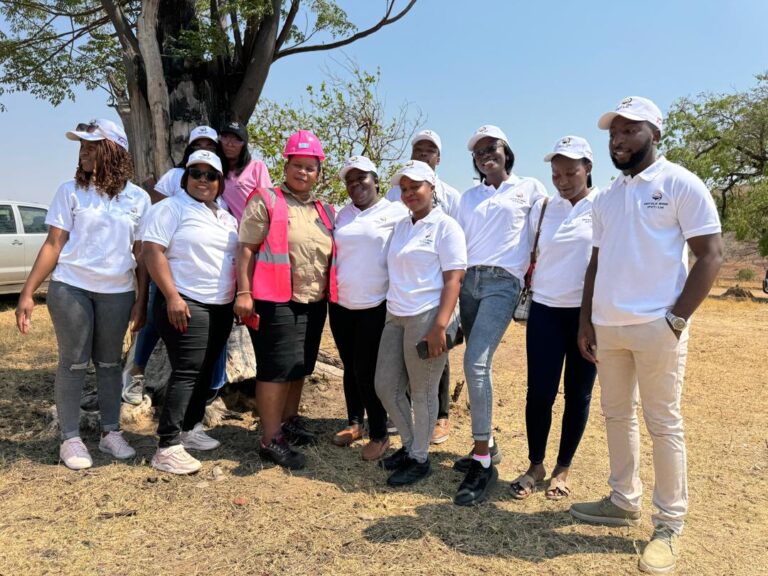
Communities in the Guruve North Constituency have praised Defold Mine Pvt Ltd and its operating partner, SanHe Mining, for leading a breast cancer awareness campaign at Nyarusvisvi Secondary School. This initiative has helped the community gain a deeper understanding of breast cancer and the importance of early detection, Mining Zimbabwe reports.

By Rudairo Mapuranga

Last week, Defold Mine hosted an awareness campaign under the theme “No One Should Face Breast Cancer Alone.” This effort ensured that the rural community learned about the dangers of breast cancer, prevention methods, and the significance of early detection to avoid severe complications.

As part of the campaign, Defold Mine brought cancer survivors Ms. Rumbidzai Manyere and Tinopona Katsande to share their experiences with the disease. Both women spoke candidly about their battles with breast cancer, showing the community that early detection can be life-saving. Their powerful testimonies inspired hope and emphasized the importance of cancer screenings and seeking medical advice at the earliest signs of illness.

Speaking to Mining Zimbabwe on the sidelines of the event, Defold Mine’s Acting General Manager, Wilfred Tanyanyiwa, emphasized the company’s commitment to Corporate Social Responsibility (CSR) and the need to support communities like Guruve.

He mentioned that compared to other areas where Defold operates, such as Kamativi, CSR activities in Guruve had lagged behind.

“We usually assess areas where we have mining concessions, and we discovered that this region was falling behind in terms of CSR initiatives. When we partnered with SanHe Mining in this area, we felt it was essential to contribute to the community’s well-being, particularly in health awareness. This campaign is just the beginning. We aim to ensure that the community is well-educated on health-related issues,” said Tanyanyiwa.

His statement reflects Defold’s dedication to giving back to the communities in which they operate, with the hope of making a lasting impact on public health.

Women from the Guvure community were particularly grateful for the cancer awareness campaign. Ms. Gracious Mapanga, a community member, expressed her appreciation for the life-saving knowledge shared at the event.

“It is rare that we hear of this kind of information. Most of the time when we feel sick, we are quick to go to prophets and traditional healers for solutions. But we have learned that it is important to seek advice from medical doctors and nurses,” she said.

Another woman, Nyasha Midzi, also praised Defold Mine for the invaluable information.

“We have always known about breast cancer, but the kind of information that we received here has been rare. It’s actually news to us, and we thank Defold Mine for bringing this program. We are going to help some of our colleagues with this kind of information,” she remarked.

The event featured several doctors, nurses, and medical practitioners from both the local community and neighbouring areas. Guruve District Medical Officer, Dr. Tinei Tadiwa Chivese, informed the community about the availability of free cancer screenings at the local hospital, offered Monday to Friday. Dr. Chivese encouraged community members to take advantage of these services, underscoring the importance of regular check-ups for early detection. Independent doctors were also present, providing additional medical insights and support to the community.

The event focused on educating women and girls about the symptoms, risk factors, and importance of breast cancer screenings. Free medical examinations were offered during the campaign, giving many attendees their first opportunity to receive professional medical advice on such a critical health issue.

Local leaders also lauded the initiative for its positive influence on the community. Zishiri Kudakwashe, Headmaster at Nyarusvisvi Secondary School, highlighted the campaign’s lasting impact. He noted that the combination of education, cancer survivor testimonies, and the support offered would encourage women, mothers, and girls to prioritize early detection and seek medical help when necessary.

“The campaign was an eye-opener for this community because it is the first of its kind in this area. Now that it has been launched, with the food provided and testimonies from cancer survivors, it will encourage the community — the women, mothers, and girls — to seek early detection and testing so they can receive help sooner,” said Zishiri.

Educators like Mutaiwa Godfrey, Headmaster of Nyarusvisvi Primary School, emphasized the importance of teachers understanding such health issues and passing on this knowledge to future generations.

“For us educators, we will impart the knowledge we’ve gained here to the children. The teachers present have learned what needs to be done. Essentially, the focus is on early detection to aid in prevention,” Mutaiwa noted.

The involvement of educators in campaigns like this ensures that young people are equipped with life-saving information from an early age. By fostering awareness in schools, teachers are helping to shape a healthier future for the community.

Village head Mr. Siwashiyo Manyamba of Manyamba Village expressed gratitude to Defold Mine for dispelling myths and misconceptions about cancer, which had long plagued the community. He acknowledged that many in the village had previously attributed illnesses like cancer to witchcraft or traditional causes.

“This awareness has helped us know that before we think about witchcraft, we need to first consider medical conditions. It will help us not to accuse each other of witchcraft. People were living in ignorance and would not be aware of the early symptoms of cancer. Now, we understand that early detection is key,” said Manyamba.

The breast cancer awareness campaign marks a significant milestone in Guruve, as the community now has the tools and information necessary to combat breast cancer through education and early intervention. Defold Mine’s initiative not only provided critical healthcare support but also strengthened the bond between the mine and the community, showcasing the potential of CSR programs to drive meaningful change in rural areas.

Zimplats Dominates 2024 Mine Rescue Competitions

0

Platinum Group Metals producer Zimplats dominated the 2024 Mine Rescue Competitions, with both its teams securing first place in the Proto (donning) and Fresh Air (non-donning) categories.

By Ryan Chigoche

This year, eight teams competed in the donning category: Blanket Mine, Zimplats Ngezi, Hwange Colliery Company, How Mine, Freda Rebecca, Mimosa Mine, Unki Mine, and Redwing. Four teams participated in the non-donning category: Blanket Mine, Zimplats SMC, Jena Mines, and Shamva Mine.

In the donning category, Zimplats Ngezi took first place, with fellow PGM miner Mimosa finishing second and How Mine coming in third among eight teams. In the fresh air category, where four teams competed, Zimplats SMC secured first place, with Blanket Mine and Shamva Mine taking second and third, respectively.

Speaking at the event, Zimplats SGM Simbarashe Goto praised the participating teams for their commitment to safety.

“Mining is generally a hazardous profession, and accidents may still happen even with the best safety measures in place. These brave individuals put their lives on the line to rescue trapped miners,” he stated.

“To the twelve teams that competed here, the main objective was not just to compete but to provide teams with the opportunity to assess and improve their preparedness in the event of an emergency. Together, we can ensure a better mining industry.” he said in a speech read on his behalf by Eng Tapuwa Munenerwa.

Dr Alfred Chinyere, President of the Mine Rescue Association of Zimbabwe, also commended Zimplats for hosting the competition despite challenges in the sector.

“It is a fact that most mining companies are facing difficulties due to softening prices. We applaud Zimplats for hosting the event in such trying times. We also want to thank the participating teams for investing resources to send their teams,” he said.

The competition aimed to identify areas for improvement. Judges noted that all teams performed well based on the basic requirements for the brigades, demonstrating urgency and fitness in their duties. However, they emphasized that all teams must improve their reporting techniques upon returning to the surface, as many reports lacked detail. Comprehensive reports on the condition of the circuit, injured individuals, and recommendations are vital for management to prevent similar accidents.

Winners – Donning Category (Proto)

  • Initial Training Workload Test Best Individual: Nyasha Manzunzu, Blanket Mine
  • Initial Training Theory Test: Isiah Makurunye, Unki Mine
  • Workload Best Individual (Male): Nhalo Sibanda, Blanket Mine
  • Best Workload Individual (Female): Tracy Madamombe, Hwange Colliery
  • Workload Best Team: How Mine
  • Most Improved Team: Freda Rebecca Gold Mine
  • Most Call-Outs Attended: Redwing

Winners – Non-Donning Category (Fresh air)

  • Initial Training Workload Test Best Individual: Simon Mupingidza, Shamva Gold
  • Initial Training Theory Test: Trust Mudzingwa, Zimplats SMC
  • Workload Training Best Individual (Female): Netsai Chikonhi, Zimplats SMC
  • Initial Training Theory Test (Female): Yvonne Mubaira, Shamva Gold
  • Workload Best Individual (Male): Spancer Makuwaza, Zimplats SMC
  • Workload Best Individual (Female): Patience Mahumutsa, Zimplats

Mining Sector Urged to Localize Labor and Technical Services to Trim Supply Imports

0

As Zimbabwe’s mining sector seeks to boost economic resilience and reduce dependency on imports, a renewed focus on local procurement of labour and services has emerged as a vital strategy.

By Ryan Chigoche

This focus comes amid revelations that only 15% of the US$2.1 billion spent on supply imports goes to the local market. Even more concerning, the mining industry continues to import not only manufactured supplies but also labour and technical services that could be sourced locally.

In June 2019, the Government of Zimbabwe approved the Local Content Strategy (LCS) to promote the use of domestic resources across various value chains. This strategy aims to create a supportive ecosystem within industries, aligning with the vision of transforming Zimbabwe into a highly industrialized economy. While there has been discussion on strengthening the local manufacturing industry to reduce the high import bill, labour issues have largely been overlooked. The mining sector still relies on imported labour and technical expertise.

Industry expert and mining economist Lyman Mlambo emphasizes the importance of prioritizing labour issues and reducing the import of technical services as part of the local content strategy.

“Industry needs to reduce imports of technical services and use local resources. This includes Environmental Impact Assessments (EIAs), Social Impact Assessments (SIAs), Mine Closure Plans, feasibility studies, and repair and maintenance services. However, the availability of highly qualified local people and companies is essential to maintain standards,” he explained.

Mlambo also acknowledged that improving local capability requires the country’s educational institutions to meet industry needs.

“Employing locals requires that our educational and training institutions produce high-quality graduates who are employable at all levels. Industry and government share the responsibility to strengthen mining training institutions and review educational curricula to ensure they meet the mining industry’s needs.” With the supply industry being both skill- and capital-intensive, he stresses the urgency of addressing gaps in finance and skills.

Stakeholders recognize that by strengthening local supply chains, the industry can unlock significant economic potential and empower communities, particularly women-led small and medium enterprises (SMEs). This initiative aims not only to create jobs but also to foster sustainable development by leveraging local resources and expertise.

“The upstream supply industry is both skill- and capital-intensive, so we must address both the skills gap and the finance gap,” Mlambo added.

To enhance upstream linkages, it’s essential to establish a common understanding between mines and local suppliers regarding current and projected demand, as well as existing local supply capacities. This approach could help address the information gap through the creation of a comprehensive database.

Furthermore, the government should develop an effective local content policy that realistically and progressively emphasizes local value addition and ownership, with achievements monitored by a dedicated national body, similar to frameworks in Nigeria and Australia.

Companies should also develop local procurement plans for each project in collaboration with the government, which can make critical interventions to ensure effective implementation. Development partners can play a role as neutral arbiters in this process.

Gold buying prices per gram in Zimbabwe 25 October 2024

These are the official gold buying prices per gram in Zimbabwe today 25 October 2024, from the official gold buyer and exporter Fidelity Gold Refinery (FGR).

SG 90% and ABOVE US$83.00/g
SG ABOVE 85% BUT BELOW 90% US$82.12g
SG ABOVE 80% BUT BELOW 85% US$81.24/g
SG ABOVE 75% BUT BELOW 80% US$80.36/g
SAMPLE BELOW 10g BUT ABOVE 5g US$79.05/g

Fire Assay CASH $83.44/g

NB: Fire Assay cash price is for gold above 100gs, no sample is deducted.
For the Fire Assay Transfer price, a sample of not more than 10g is deducted
A 2% royalty is charged on all deposits (Small-scale miners)
A 5% royalty is set for Primary Producers

Cash available. Fidelity Gold Refinery prices will be changing daily to match world market prices.

World Bank Predictions Signal Challenges for Zimbabwe’s Iron Ore Sector

0

As global markets face economic uncertainties, Zimbabwe’s iron ore sector encounters both challenges and opportunities, particularly in light of the World Bank’s recent predictions about iron ore prices. These forecasts are especially pertinent for a country rich in iron ore resources that must navigate a fluctuating market.

By Ryan Chigoche

The World Bank projects a 9% decline in iron ore prices for 2024, followed by a 4.5% drop in 2025, driven by weaknesses in the Chinese real estate sector and reduced demand for iron ore.

Amid these predictions, local companies are preparing to invest significantly in the iron ore industry. ZiscoSteel requires approximately US$32 million to revive its mining operations and restart limestone mining. Meanwhile, Kuvimba Mining House (KMH), appointed by the government last December to oversee ZiscoSteel’s resuscitation, plans to invest US$300 million to restart the steel plant, with expected annual revenues of US$200 million.

Additionally, the Chinese-owned Dinson Iron and Steel Company (Disco), a cornerstone of the Manhize Industrial Park near Mvuma in Zimbabwe’s Midlands province, has invested over US$2 billion to unlock the country’s economic potential.

However, according to Wood Mackenzie, investments in iron ore mining are projected to decline by 15-20% from 2024 to 2034 compared to the previous decade, largely due to shrinking demand from China and the availability of lower-cost supplies.

With China accounting for about 65% of global iron ore consumption, any slowdown in its economy directly affects Zimbabwe, where iron ore exports are vital for economic stability. In 2022, Zimbabwe exported approximately $2.01 million in iron ore, primarily to Mozambique, with smaller amounts to South Africa and China. As the World Bank’s forecasts suggest a tightening market, local producers may face increased pressure to adapt their strategies. Companies like Dinson Iron & Steel and ZiscoSteel will need to enhance operational efficiencies and reduce costs to remain competitive.

Moreover, predicted price fluctuations could impact local employment and investment. If iron ore prices continue to decline, new investments in mining infrastructure crucial for the sector’s long-term growth may slow, potentially affecting job creation and retention in communities reliant on mining for their livelihoods.

Nevertheless, Zimbabwe has the opportunity to leverage its vast iron ore reserves, estimated at around 30 billion tonnes, to expand its market reach. By improving local production capabilities and strengthening partnerships with regional buyers, the country could mitigate some adverse effects of global price fluctuations.

As the sector confronts these challenges, there is potential for the government and industry stakeholders to collaborate on strategies that enhance resilience. By fostering innovation and investing in sustainable practices, Zimbabwe can adapt to the evolving global iron ore market, despite the World Bank’s predictions.

While the World Bank’s forecasts for declining iron ore prices pose significant challenges for Zimbabwe’s mining sector, they also present opportunities for strategic adaptation. With proactive measures and a focus on local resources, Zimbabwe can emerge from these economic uncertainties stronger and more competitive in the global iron ore landscape.

Caledonia Aligns ESG Reporting with GRI and SASB Standards

0

Victoria Falls Stock Exchange-listed gold-focused miner Caledonia Mining Corporation, a leading gold producer in Zimbabwe, has announced a significant enhancement to its Environmental, Social, and Governance (ESG) reporting. The company is now aligning its ESG practices with the globally recognized standards of the Global Reporting Initiative (GRI) and the Sustainability Accounting Standards Board (SASB), Mining Zimbabwe reports.

By Rudairo Mapuranga

According to Colleen Parkins, Head of ESG at Caledonia Mining Corporation, the company aims to strengthen its social license by adhering to internationally recognized standards, ensuring responsibility and transparency.

“Caledonia strives to uphold and enhance sustainable business principles in line with our corporate strategy. The significance of ESG management in our business is undeniable. By upgrading our ESG reporting to align with GRI and SASB standards, we are demonstrating our commitment to transparency, accountability, and sustainable practices,” she said.

GRI and SASB are two prominent organizations that have developed comprehensive frameworks for ESG reporting.

GRI provides a universal language for sustainability reporting, enabling companies to disclose their environmental, social, and governance performance in a structured and comparable manner.

SASB, on the other hand, focuses on industry-specific sustainability metrics, ensuring that companies report on the ESG issues most material to their investors and stakeholders.

By adopting GRI and SASB standards, Caledonia Mining Corporation is taking a proactive step to improve its ESG performance and enhance its reputation as a responsible corporate citizen. This alignment will enable the company to:

  • Enhance transparency: Provide stakeholders with a clear and comprehensive overview of its ESG practices and performance.
  • Improve accountability: Demonstrate its commitment to responsible business practices and ethical conduct.
  • Boost investor confidence: Assure investors that the company is effectively managing ESG risks and opportunities.
  • Facilitate stakeholder engagement: Foster open dialogue and collaboration with stakeholders on ESG matters.

Caledonia Mining Corporation‘s decision to align its ESG reporting with GRI and SASB standards reflects its dedication to sustainability and its commitment to creating long-term value for all stakeholders. As the company continues to grow and evolve, it remains focused on integrating ESG principles into its core business operations and reporting practices.