SG 90% and ABOVE US$104.31/g.
SG ABOVE 89% BUT BELOW 90% US$103.21/g.
SG ABOVE 80% BUT BELOW 85% US$102.11/g.
SG ABOVE 75% BUT BELOW 80% US$101.00/g.
SAMPLE BELOW 10g BUT ABOVE 5g US$99.35/g.
Fire Assay CASH $104.87/g.
NB: Fire Assay cash price is for gold above 100g; no sample is deducted.
A sample of not more than 10g is deducted for the Fire Assay Transfer price.
A 2% royalty is charged on all deposits (Small-scale miners).
A 5% royalty is set for Primary Producers.
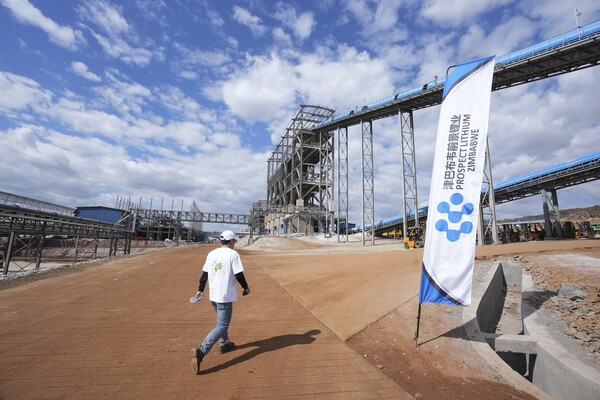
Zimbabwe’s Arcadia Lithium Mine, operated by Prospect Lithium Zimbabwe (PLZ) and owned by Chinese battery metals giant Huayou Cobalt, has found itself firmly aligned with the global push for sustainable energy following Huayou’s selection among six lithium enterprises to join the Guangzhou Futures Exchange (GFEX) “Green Innovation” Industrial Base initiative.
By Rudairo Mapuranga
The prestigious Chinese platform is designed to drive innovation and the development of a green, low-carbon future through strategic partnerships and enhanced use of futures markets in the new energy value chain. Huayou Cobalt’s recognition as a key player in this space is not only a win for the company but also casts a renewed spotlight on its flagship Zimbabwean asset, Arcadia Lithium Mine—one of the largest hard rock lithium projects in Africa.
Huayou’s selection into the GFEX green platform signals a strategic leap in its sustainable development trajectory and validates its growing influence in the lithium carbonate sector. For Zimbabwe, this is more than a milestone—it is a statement that local operations like Arcadia are embedded in a global vision for cleaner energy and responsible mineral extraction.
Located near Goromonzi in Mashonaland East, Arcadia has rapidly positioned itself as a key player in Zimbabwe’s quest to become a regional lithium powerhouse. The mine boasts world-class lithium reserves and cutting-edge processing infrastructure, having launched production in 2023 under Huayou’s US$300 million investment into the project. As global demand for lithium continues to surge due to its use in electric vehicles (EVs) and energy storage systems, Arcadia is strategically placed to ride the green energy wave, serving both Chinese and global markets.
Huayou’s involvement in the “Green Innovation Support” base further underlines its commitment to cleaner and smarter mineral supply chains. With global scrutiny intensifying around the ethical and environmental dimensions of mining, Arcadia’s compliance with global environmental, social, and governance (ESG) standards becomes critical. Already, the Zimbabwean operation has begun implementing green initiatives such as recycling water for processing, managing tailings responsibly, and working toward a low-carbon processing footprint.
As part of Huayou’s broader strategy to enhance operational efficiency, deepen industrial cooperation, and build global brand credibility, Arcadia is expected to adopt—and possibly pioneer—practices that reflect the company’s goals of sustainable productivity and responsible resource extraction.
The ripple effect on Zimbabwe’s economy is significant. Arcadia has already contributed to surpassing the country’s US$0.5 billion lithium export target set under the US$12 billion mining roadmap. If Huayou’s strategy continues to bear fruit, Zimbabwe could become the cornerstone of Huayou’s global lithium supply chain, anchoring Africa’s place in the green industrial revolution.
For Zimbabwe’s mining industry, Huayou’s recognition by the GFEX also sets a benchmark for how foreign direct investment can be channeled not just into resource extraction but into globally endorsed clean-tech solutions. It encourages local lithium players such as Bikita Minerals, Sabi Star, and Zulu Lithium to adopt similarly ambitious sustainability frameworks that resonate with global markets increasingly focused on ESG compliance.
Huayou Cobalt’s statement reinforces this ambition: “Standing at this new starting point, Huayou Cobalt will shoulder greater responsibilities and missions, making full use of the policy advantages and resource platforms of the industrial base to further strengthen brand building, deepen industrial cooperation, and enhance operational efficiency… contributing its share to achieving sustainable human development.”
With Arcadia Lithium Mine playing a central role in this global transition, Zimbabwe is not just a beneficiary of green investment—it is becoming an architect of the world’s low-carbon future. As the green energy race accelerates, all eyes will remain on Arcadia—not just for its lithium output, but as a model of what sustainable African mining can achieve when backed by vision, investment, and global alignment.
A Load Haul Dump (LHD) operator lost his life in a fatal accident at Anglo American Platinum’s Unki Mine in Shurugwi.
In a circular to its employees, the Platinum miner said its employee, Felix Kore (44), lost his life following an accident at the Mine’s South section.
“It is with great sadness that we notify you of the passing of our colleague, Mr. Felix Kore (44) who tragically lost his life on Sunday the 20th of April 2025 following a mine accident in the South Section,” the miner said in a statement.
Mr. Felix Kore joined Unki Mines on the 4th of September 2017 as a Lasher. He was later appointed Bolter Assistant on the 1st of December 2018. In August 2024 he was nominated to train as an LHD Operator and completed his training on the 3rd of January 2025, the Miner said.
Funeral arrangements
Mourners are gathered at his homestead in Village 4, Chironde. Details of his burial will be communicated in due course. Heartfelt condolences and support to the Kore family from the Unki Management team and all the employees during this difficult time, the miner concluded.
Officials at the mine have confirmed that Investigations into the circumstances are currently underway.
Kavango Resources has launched an ambitious project to transform an informal mining settlement in Filabusi into a regulated, productive, and sustainable operation, Mining Zimbabwe can report.
By Rudairo Mapuranga
Operating in the Hillside Mine area within Filabusi’s mineral-rich Amazon Belt, Kavango has opted for integration over eviction—choosing to resettle rather than remove hundreds of informal small-scale miners who have operated there illegally for nearly a decade. The initiative, which began last week, marks a rare and progressive shift in the relationship between formal mining companies and artisanal miners.
Rather than drive the miners off the land, Kavango is building a formal settlement complete with housing, water, and electricity infrastructure. In a first-of-its-kind move, the company has also allocated one of its mining claims to the small-scale miners. Under strict safety guidelines and company oversight, the miners will now operate legally and with technical support—paving a path toward formalisation.
“This is a transformation we never expected,” said Jabulani Nkomo, the local village head. “For years, this community was plagued by the chaos and crime brought by illegal mining. But now, with proper amenities and structured mining support, there’s hope for peace and progress.”
Kavango Resources CEO Ben Turney said the decision to formalise the miners was rooted in sustainability and social responsibility. “When we took over Hillside, we realised that evicting the miners would only push illegal activities elsewhere. Instead, we saw an opportunity to create a safer, more organised system that benefits everyone,” he said.
Turney added that the project ensures small-scale miners not only gain legal ground but also access best practices in safety and compliance—significantly reducing the hazards associated with unregulated mining.
The initiative is also being hailed as a potential model for the wider mining sector. Rather than seeing artisanal miners as adversaries, Kavango’s approach shows how they can be brought into the fold to contribute meaningfully to the formal economy, all while supporting local development.
As construction of the settlement progresses and mining operations begin under new structures, both Kavango and the Filabusi community look forward to a future where partnership replaces conflict, and progress is measured not just in gold output—but in shared prosperity.
SG 90% and ABOVE US$100.43/g.
SG ABOVE 89% BUT BELOW 90% US$99.37/g.
SG ABOVE 80% BUT BELOW 85% US$98.30/g.
SG ABOVE 75% BUT BELOW 80% US$97.24/g.
SAMPLE BELOW 10g BUT ABOVE 5g US$95.65/g.
Fire Assay CASH $100.96/g.
NB: Fire Assay cash price is for gold above 100g; no sample is deducted.
A sample of not more than 10g is deducted for the Fire Assay Transfer price.
A 2% royalty is charged on all deposits (Small-scale miners).
A 5% royalty is set for Primary Producers.
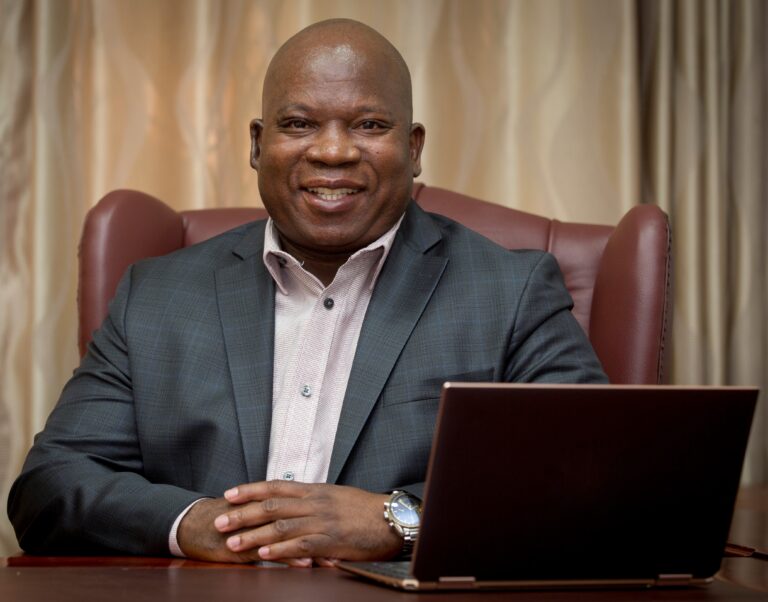
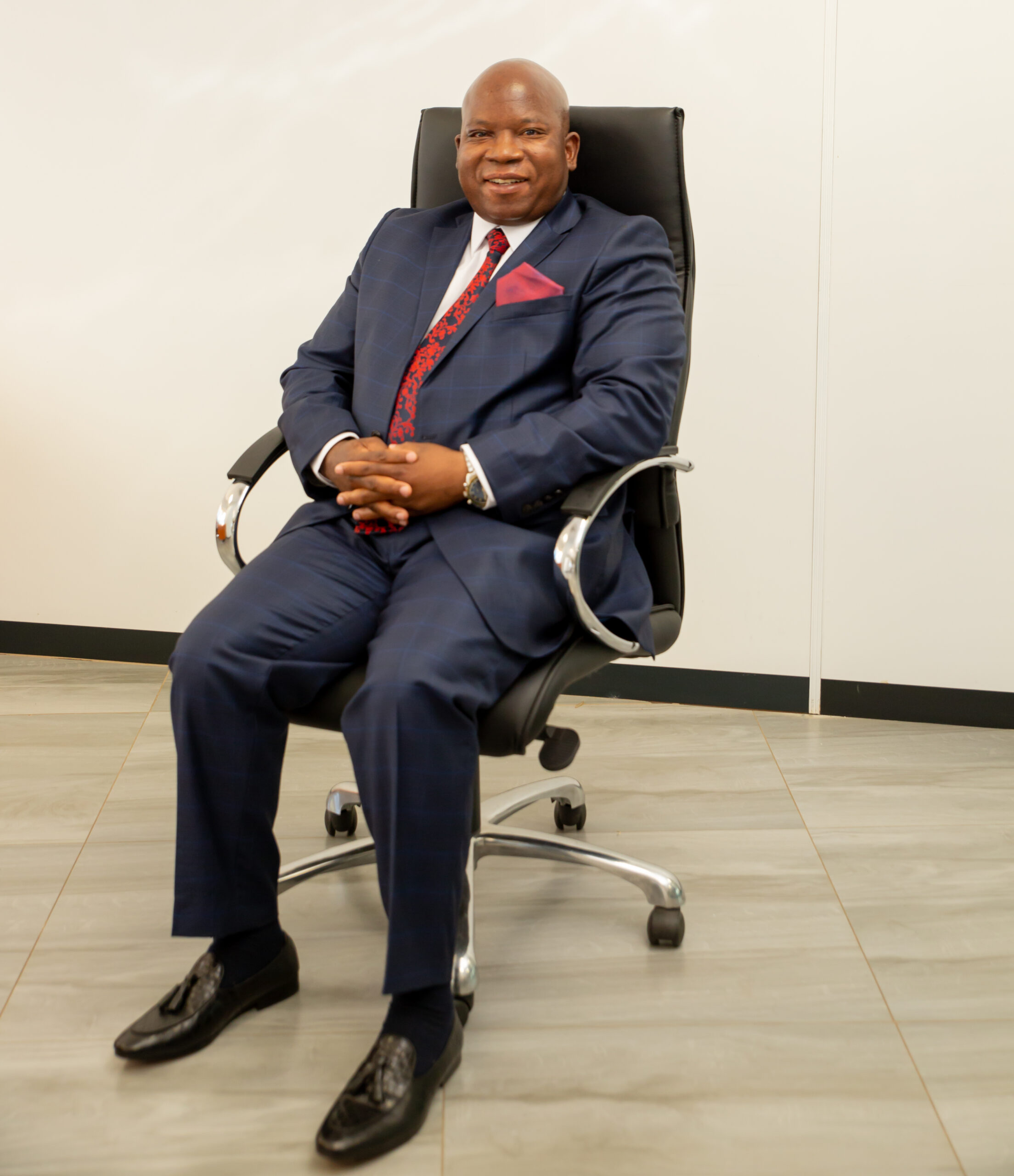
Thomas Lusiyano stands out as one of Zimbabwe’s most dynamic and multi-faceted business leaders.
With over 25 years of executive leadership in mining, logistics, and consulting, he is regarded as one of the most sought-after industry leaders.
Currently, at the helm of Ganesha Consulting Services, Donatus Mining Services, and Gaurisha Transport, he also serves on the boards of the Zimbabwe Consolidated Diamond Company (ZCDC) and Fraser Alexander Zimbabwe, among others. In this interview, he shares insights from his remarkable journey, spanning mining engineering to boardroom transformation.
By Keith Sungiso
From being a graduate Mining Engineer to CEO and board member—what defining moments shaped your career path?
There were indeed several defining moments that opened my eyes to immense possibilities in my life and my career. When I was at junior mining levels, at one stage, I watched things go horribly wrong with the mining company I was working for, and the lives of hundreds of employees were negatively impacted. At those junior levels, I had no power to do anything or voice to influence the course of events. It was at that moment that I decided I was going to be an influential decision-maker. From that moment onwards, I found myself gravitating towards strategy, leadership, and corporate governance, dealing with big-picture goals beyond just technical mining engineering. A powerful seed had been planted in me.
That hunger and desire for the big picture led to a definite mindset shift from problem-solving using technical tools to problem-solving whilst collaborating with people, working on strategy and culture. Mining Engineering had taught me technical precision, but leadership taught me to sharpen my vision and imagination. I realised that I am not in the mining industry only to build mines, but also to build people. I am glad that over the years, I have coached and mentored many young professionals, though the journey was unpleasant for some of them at times!
I should also add that my career progression was very rapid, for someone who had left the mining industry immediately after the graduate learnership phase and had to return to the mining industry after 3 solid years of absence. I came back with a different mindset; wherever I worked, I treated myself as the CEO of my own company providing a service to the mining industry. Even though I worked at different mining companies over the years, I considered myself to be self-employed, hence my spirited drive, commitment and dedication to my work.
All this personal growth was leading to my current roles and responsibilities as a multifaceted professional and leader. The contribution I make to every organisation that I am now involved with reflects the lessons I have learned and internalised over the years. These include resilience in the face of resistance, systems thinking, unflinching determination, perseverance, strategic foresight, conscientious planning, timely execution, leadership, collaboration, intentional communication, and most importantly, the primacy of integrity and good character. I learned early that character will protect my vision and my purpose. As Norman Schwarzkopf said, “Leadership is a potent combination of strategy and character. But if you must be without one, be without strategy.” That’s how important good character is.
Having led major companies like Mbada Diamonds and Bindura Nickel Corporation, what were your biggest leadership lessons?
Thomas Lusiyano at BNC
I am humbled and grateful for the opportunity to lead such great companies. It was at Mbada Diamonds that I first rose to the position of CEO. I learned to manage at those stratospheric levels, handle immense pressure, deal with both management and governance issues, craft and implement long-term strategy, and interact and communicate with various stakeholders at the highest levels – some of them extremely sensitive! One of the most important areas where I had to do a lot of growing personally was that of managing and leading people. A technical university education had not prepared me to work with people, and it is not easy. I can understand why Isaac Newton exclaimed, “Imagine how difficult physics would be if electrons had feelings!”
Over the years, transitioning from operational mastery to strategic and visionary influence, I have also learned that leadership is not about being the smartest or the loudest person in the room; but true influence comes from empowering people to form high-performing teams. Moreover, I had to make some very tough decisions, learning in the process that decision-making requires courage, not just data. Perhaps the most important one was just learning that trust is a powerful currency – it is earned slowly but can be lost very quickly!
What inspired you to establish Ganesha Consulting, and what’s the core mission behind your work?
Ganesha Consulting Services was established to assist organisations deal with the main challenges to their very existence – corporate governance, strategy, and quality of leadership. Everything else follows after that. A fish rots from the head. This goes beyond just executive management to working with boards of directors and attending to their training needs and assisting them in understanding their governance duties & responsibilities for providing direction and control in the areas of strategy, performance & risk, human resources, policies, and resources. I believe that if boards and executive teams are adequately equipped, organisations will flourish. We would avoid most of the catastrophic cases we have witnessed not only in Zimbabwe but globally. In addition, this consulting service goes deep into assisting companies with their governance structures, frameworks, and documentation to ensure alignment with mission, vision, long-term strategic direction, relevant statutes, and international best practice codes. Facilitation of strategy sessions is also part of the package.
Thomas Lusiyano
How do you adjust your leadership approach when managing different sectors like mining, consulting, and logistics?
In order to provide effective leadership across these different sectors, I have found it important to be able to intelligently read the operating environment and determine what our clients need and offer a unique value proposition at any specific moment. Adaptation is key while staying grounded in our core values which include integrity, collaboration, and diligence.
In mining, design for long-term cost-effectiveness, process efficiency, risk management, and safety compliance are key. Matching potential investors with appropriate investment opportunities requires detailed knowledge of the mining business.
In consulting, the leadership approach is more biased towards ideation, collaboration, agility and facilitation. I ask the right questions, understand the real underlying situation, guide problem-solving, and align diverse viewpoints towards a common viable solution and shared vision.
Logistics calls for a different set of leadership skills as efficiency, customer care, and responsiveness are everything. In this sector, I focus on data-driven decision-making, real-time communication, and process optimization.
What has helped me greatly is that I have the distinct advantage of a broad understanding of business gained from literally perambulating between the classroom and the boardroom over the last decade, acquiring qualifications in business leadership, corporate governance, strategy, economics, accounting, and strategic brand management, on top of mining engineering. That diverse and deep knowledge has given me an integrative complexity that enables me to understand business from all angles. The process of gaining all that knowledge was tough but worth it.
Having worked across asbestos, gold, PGMs, diamonds, and nickel, what key trends do you believe are currently reshaping the African mining landscape, and how should mining companies adapt?
Africa’s mining industry is undergoing tremendous transformation, driven by the following key trends:
A push for local value addition and beneficiation. This has seen policymakers taking a hardline stance against the exportation of raw minerals, in an attempt to ensure Africa reaps maximum benefit from its resources and does not export jobs to the developed world. It is no longer feasible for mining companies to resist this push as it benefits the host countries. African countries can learn from what Indonesia has done with nickel – localise value addition and beneficiation. Mining companies should adapt by being proactive and, where feasible, not wait for legislation to force them into localising beneficiation and value-addition.
ESG and responsible mining. This is now a deal-breaker for global investors. There is now unrelenting pressure for transparent supply chains, community engagement, and carbon footprint reduction. Markets have also followed suit, with vigorous demands for sustainably produced mineral commodities. Technology such as blockchain is now being rolled out to trace minerals from cradle to market, just to enforce sustainable production. Mining companies should adapt by ensuring the adoption of sustainable mining practices, which include safeguarding the environment, collaborating with local communities, ensuring gender diversity, treating employees well, and ensuring the economic viability of their mining businesses for the benefit of all stakeholders.
Digital transformation and smart mining. This has resulted from the integration of artificial intelligence (AI), the Internet of Things (IoT), drones, and automation in the entire mining value chain. Countries like South Africa, Ghana, and Morocco are leading the way in Africa. In Zimbabwe, we have seen the newer mining houses like Zimplats, Mimosa, and Unki deploying autonomous mining machines, which is commendable and must be replicated, in different versions, across all mines to improve safety and ensure high human and machine productivity.
Green energy and critical minerals boom. We have witnessed a surge in the demand for minerals such as lithium, cobalt, copper, graphite, and rare earths. With the abundance of such minerals in Africa, this burgeoning demand has positioned the continent as a strategic supplier in the ongoing global energy transition. Countries like Zimbabwe, the DRC, Namibia, and Mali should take advantage of this boon and boom, and mining companies should intensify exploration for these minerals and establish local value addition and beneficiation infrastructure to produce final products for global markets. It is time for Africa’s mining industry to rise and shine!
Resource nationalism and regulatory changes. Several African countries, including Tanzania, Zambia, South Africa, and the DRC, have been renegotiating mining contracts, increasing royalties, or requiring a significant portion of local shareholding. While these measures are genuinely meant to benefit and empower local communities, they can also understandably adversely affect investor confidence. In order to thrive under such circumstances, mining companies should be proactive, anticipate such trends, and shape discourse and policy and not remain in reactive mode.
Investment from new geopolitical players. Over the last decade, Africa has witnessed a tremendous increase in investment from countries such as China, India, Russia, the UAE, and Turkey. These countries are, beneath the surface, competing against the traditional Western countries for strategic access to Africa’s mineral wealth. Africa and African mining houses should be vigilant, develop superior negotiation and mineral evaluation skills and unlock real value from the minerals.
Workforce evolution and skills development. Africa is witnessing a seismic shift in the composition of mining skills with an ever-increasing need for tech-savvy, ESG-literate, and highly educated and talented cross-functional leaders. This is becoming increasingly evident in the workforce even here in Zimbabwe. Mining houses should intensify training programs, support for STEM education, and local capacity-building in order to fully unlock and harness the talent, vibrant energy, and indomitable spirit in our people.
What are the keys to balancing mining profitability with sustainability and community impact?
It is important for me to reiterate at this juncture that sustainability is no longer optional – it is a competitive advantage which must be embedded into business strategy and operational planning to reduce risk, build goodwill, and improve long-term profitability. Taken from this vantage point, sustainability is not something that is done as an aside, it must be inextricably intertwined with the DNA of the business itself. The keys to ensuring this are:
Transparent and inclusive stakeholder engagement and sustainability reporting. This includes actively involving employees, local communities, traditional leaders, and civil society in planning and decision-making on issues that affect them. For example, sensitive subjects such as community relocations to pave the way for mining operations must be handled inclusively, being sensitive to people’s aspirations and cultures. In addition, mining houses should use ESG metrics and associated digital tools to measure impacts, and then publicly report on them. I am glad that the ZSE now requires sustainability reporting for entities listed on the bourse, as this will extend the culture of transparent reporting on sustainability issues. I am impressed with the emergence of Global Sustainability Reporting Standards from the accounting profession, with the International Sustainability Standards Board (ISSB) leading the way in creating a global baseline for sustainability disclosure. The release of IFRS S1 (general sustainability-related disclosure) and IFRS S2 (general climate-related disclosures) are welcome developments which when combined with the assurance and auditing of ESG data, will lead to even greater transparency and eliminate the obnoxious practice of “green-washing”.
Engaging in shared value creation. This entails aligning long-term business goals with the community’s aspirations. For example, local employment and procurement help in building sustainable economic ecosystems around the mining operation. In this way, the mining business obtains from the community the much-needed goodwill and social licence to operate. In Zimbabwe, we have a lot to learn from what Zimplats is doing in this regard.
Investing in human capital. The idea is to fund educational and vocational training in addition to critical health programs that have impacts and outcomes that outlast the life-of-mine. Gone are the days when investors would only build a road that ended at their mine, disregarding the community’s needs.
Pursuing opportunities in renewable energy integration. Mining houses should take advantage of the abundant sunshine in Africa, cut operational costs and reduce carbon footprint by switching to solar or hybrid power. We are glad this movement has begun to take root in Zimbabwe, with some mines having invested in their own multi-million dollar solar plants.
Ensuring environmental stewardship and rehabilitation. This key requires mining houses to plan for mine closure and ecosystem restoration or agreed-upon alternative land use right from the first day of mining operations.
What is the best way to address the operational and strategic challenges posed by an oversupplied Nickel market, while still maintaining investor confidence and sustaining long-term growth in an environment of constrained capital and tightening margins?
The nickel mining sector, globally, is in a quandary, with a carryover of inventory from the COVID-19 period, continuing oversupply from Indonesia and China, which supply 50% and 20% of annual global nickel production respectively, leading to depressed prices. It was anticipated that China’s construction sector, which gobbles up the bulk of the nickel in steel manufacture, would recover quickly from the COVID-19 period, but this has not happened, further complicating issues, threatening nickel mine closures in Australia, Canada, and New Zealand. I am in support of the temporary measures that have been adopted by these advanced economies to save their nickel mines, including designating nickel as a “critical mineral”, thus paving the way for mining houses to access billions of US dollars of stimulus funds – which are low-interest loans and grants to sustain operations and protect jobs. Moreover, Australia in particular, has introduced a 50% royalty rebate to cushion nickel miners from these depressed prices that are below USD20,000 per tonne. I believe that domestically, with the necessary support on critical issues like royalties and electrical power tariffs, the nickel mining sector, characterised by extremely low grades and high operational costs, may be able to ride the storms sooner than anticipated.
By processing nickel domestically and adding value, countries like Indonesia have seen significant increases in export revenues and tax collections. Can Zimbabwe not do the same?
Zimbabwe used to refine nickel to 99.96% purity in this country. I believe that it can still be done provided that nickel prices firm up, more exploration and development of the known in situ resources are done, long-term capital is availed, cheap Chinese technology is deployed by the different mining houses involved, and there is an understanding on the level of electrical power tariffs this sector can sustain. There is a need to put our heads together as Zimbabweans and avoid siloed thinking.
What common challenges do boards face in delivering effective oversight, and how can these be addressed?
These challenges include the following:
Lack of training on the board’s duties and responsibilities. Most board members just move from management to governance with no training to handle governance duties and responsibilities. Worse still, in most instances, some board members are full-time executives in other companies and behave like executives when they come to board meetings. This is just symptomatic of a training deficit resulting in a lack of understanding of where exactly the bright red line should be drawn between governance and management. This creates confusion as boards descend into the management realm and try to second-guess management. This challenge can be addressed through proper training of board members on what corporate governance entails and how they should go about discharging their fiduciary and other duties. Training of board members will also provide them with a deep understanding of traditional and emerging areas like finance, cybersecurity, ESG, and artificial intelligence and their implications on governance.
Information overload or asymmetry. In some instances, management reports to the board are full of data and unnecessary detail. This happens because the board has not taken the time to guide management on what type of information it needs. This is the board’s responsibility, not the management’s responsibility to determine the level of detail in board pre-reading materials. Boards should request for information they can assimilate resulting in knowledge that they can act upon to produce wisdom. Information asymmetry occurs when some board members receive more information than others. This is unacceptable as board members take equal responsibility for the state of affairs in the company.
Short-termism which militates against long-term value. The ever-present pressure for short-term results like quarterly results can distract and detract from sustainable long-term value. This can be addressed by ensuring that directors understand that they sit on the boards to protect the company’s interests and ensure long-term value creation whilst ensuring short-term profitability. The board should set long-term KPIs and link executive incentives to those KPIs, guided by long-term strategy.
Misalignment between the board and management. This is normally a result of poor communication and blurred boundaries between the company’s governance and management systems, leading to micromanagement and disengagement. This can be addressed by ensuring clarity of roles and responsibilities in the board charter, particularly the separation of powers between the board chairperson and the CEO. In addition, directors and executives should be trained on corporate governance so that they understand where to distinguish between board and management.
You train board members and governance professionals (company secretaries). What skills do you believe every director must have today?
In order to remain relevant in today’s boardrooms, directors should have the following base skills, among others:
Strategic thinking and foresight. The business environment, characterised by diversity, volatility, uncertainty, complexity, ambiguity, disruption, hostility and incompleteness (D-VUCADHI), demands that directors have the agility and the ability to see the big picture, anticipate disruptions, and guide long-term value creation.
Ethical judgment and integrity. Directors must have strong moral compasses, avoid conflict of interest with the company, and be able to ask tough questions, particularly so when values are at stake. This reminds me of Warren Buffet’s timeless statement, “In looking for people to hire, you look for three qualities: integrity, intelligence, and energy. And if they don’t have the first, the other two will kill you.” The same standard should be applied when looking for board members.
Communication and influence. More than anything else, the boardroom is about the ability to manage boardroom dynamics and collegiality. This goes beyond merely understanding governance roles to the ability to communicate clearly and respectfully, build consensus, and influence without being domineering. This takes strong listening skills and emotional intelligence, and a willingness to challenge constructively and support collective decision-making.
Financial literacy. I personally place a premium on this skill, and I insist on directors being trained on basic financial literacy so that they have a fair grasp of financial statements, capital allocation, the business model, and the value drivers of the company. In addition, financial literacy gives directors the ability to challenge financial assumptions and assess risk-return trade-offs on their own.
Digital and technological awareness. With the emergence of technology not just as part of the business, but as the business itself, directors need to have at least a rudimentary understanding of AI, Cybersecurity, data privacy, digital transformation and how they affect the business and its strategies – that is, the strategic and ethical implications of technology.
Risk oversight and performance direction. Board members should have the ability to identify, assess, and monitor emerging risks and provide adequate direction in this critical area of business.
What emerging leadership traits or competencies do executives need to cultivate now?
Thomas Lusiyano
Today’s executives need to be more than just strategic thinkers and hard-nosed cost-cutting functionaries. The fast-evolving environment requires the deployment of a bundle of competencies to lead well. These include:
Human-centred leadership. This places emphasis on empathy, active listening, psychological safety, and truly connecting with people.
Cultural intelligence. Today’s executive will often be required to lead and interact across borders, whether the strategy is international or transnational. It will demand that the leader be attuned to diverse cultural norms, values, and communication styles so that she can lead global teams and craft inclusive strategies.
Digital fluency. Increasingly, leaders will be required to understand data, AI, and digital ecosystems in general, in order to make informed decisions. Even blockchain technology will find more use in the mining industry beyond just tracing the origins of minerals.
Systems thinking. Leaders will need to rely more on systems thinking in an operating environment that is always shifting like sands on a seashore. Seeing the bigger picture and how different parts of the organisation and the environment interrelate will become increasingly essential.
Resilience and self-mastery. It is easy for a leader to experience burnout under the prevailing difficult operating environment. Hence, the ability to navigate burnout, ambiguity and high-pressure environments with mental toughness and emotional regulation has no substitute.
You are a member of several prestigious institutes—how have these affiliations helped you grow professionally?
I have derived tremendous value from being a member of all these professional bodies. They are knowledge communities where a lot of wisdom is shared on different platforms to keep the members appraised of the latest developments affecting specific fields. I have been introduced to several professional trainings through these bodies, and I have personally registered significant growth.
What impact do you believe institutions like ICDZ and IoDZ are making on Zimbabwe’s corporate culture?
These organisations have made significant strides in the all-important field of corporate governance. It is unfortunate that we still have a lot of directors and executives who have not yet discovered the immense value that can be unlocked from such organisations. I belong to both the ICDZ and IoDZ and I treat them as complementary organisations. Apart from these two, there are a number of other organisations as well that are contributing towards transforming boardroom culture, and inculcating integrity, transparency, exercising independent judgment, avoiding conflict of interests, and ensuring directors understand the need to exercise reasonable care, skill and diligence.
Looking ahead, what are your personal or professional goals in the next five years?
My personal wish is to make my modest contribution to the development of Africa. I am looking well beyond the mining industry and beyond Zimbabwe. I would like to reach Level 5 leadership if we use John C. Maxwell’s typology. At a very personal level, I am looking forward to continuing growth and development in all the key areas constituting the “Wheel of Life’’, namely: physical, spiritual, social, financial, intellectual, mental health, family, image, and legacy.
I have also reached a stage in life where I am coaching and mentoring a lot of young people. I will be placing more emphasis on this aspect going into the next 5 years. I understand that the function of leadership is to produce more leaders, not more followers. It is my fervent hope that my actions will inspire others to dream more, do more and become more.
What final message would you give to young professionals aspiring to follow a cross-disciplinary path like yours?
It is very rewarding to be trans-disciplinary, particularly so going into the future where AI will be able to handle the bulk of the conventional work we do now. We are currently witnessing something that was previously unthinkable – medical doctors being replaced by robots! Even some of the rudimentary legal documentation can now be handled by AI. Automation will replace most jobs that currently exist. The flip side of it is that new industries and new jobs that do not exist at the moment will be created. I believe that the most useful professionals of the future will be those who have developed the integrative complexity to understand and handle a multiplicity of functions in one person; those who can connect the dots across disciplines. This is because innovation lies at the intersection of disciplines – just look at how many disciplines are encompassed in your phone right now! Albert Einstein was right when he stated: “The best scientists are artists, and the best artists are scientists at heart.” Therefore, I would encourage young people who have the capacity to continuously develop themselves to pursue a trans-disciplinary path. Don’t limit your challenges. Instead, challenge your limits – across fields, borders, and ways of thinking!
A 45-year-old man from Gwalia Farm in Beatrice, Cephas Mukombwe, has been sentenced to five years in prison after being caught with two illegally held diamonds worth just US$174.93.
By Rudairo Mapuranga
The diamonds were discovered in Mukombwe’s possession during a police sting operation in Harare’s central business district. According to court proceedings, the precious stones were found on April 4 while Mukombwe attempted to sell them to an undercover detective posing as a buyer.
Harare magistrate Mr. Isheunesu Matova handed down the mandatory sentence, ruling that Mukombwe’s actions posed a threat to the country’s mineral integrity, regardless of the diamonds’ low value.
Prosecutor Ms. Faith Mavudzi, assisted by police officer Edmore Godo, told the court that Mukombwe had been working with an accomplice, Emanuel Chikono, to find buyers for the diamonds. Unbeknownst to Mukombwe, Chikono had alerted the police and coordinated the sting with Detective Constable Sheshe.
The arrest took place at the corner of Patrice Lumumba Street and Leonid Brezhnev Avenue in Harare at around 11:45 a.m. During a search, Mukombwe voluntarily produced the stones from his wallet, which the Minerals Marketing Corporation of Zimbabwe later verified to be genuine diamonds weighing 1.64 carats.
In his defence, Mukombwe claimed he discovered the diamonds while making bricks and had intended to hand them over to the police, arguing he was unaware that possession of such stones without a licence was a criminal offence.
However, the prosecution dismissed his claims, stating that his version of events lacked credibility and did not amount to special circumstances that could reduce the mandatory jail term.
“The accused’s ignorance of the law cannot be used as an excuse,” said Ms. Mavudzi. “Possession of precious stones without a permit is a serious offence, and the law requires strict adherence to proper procedures.”
Magistrate Matova concurred, stressing that such offences undermine efforts to protect Zimbabwe’s mineral wealth. He imposed the five-year custodial sentence as required by law, warning that illegal dealings in precious stones would be met with zero tolerance.
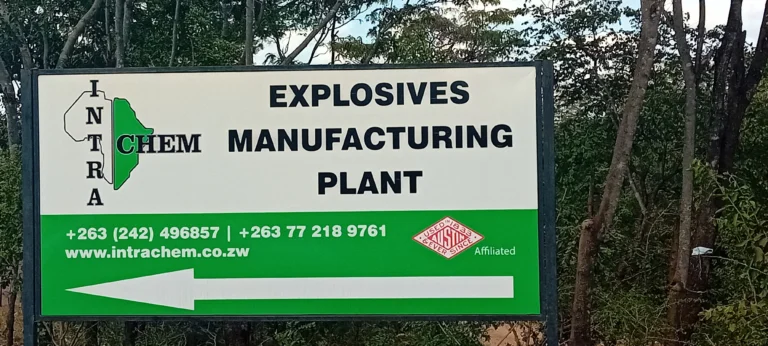
The Association of Mine Managers of Zimbabwe (AMMZ) will hold its highly anticipated Q2 2025 Technical Visit on the 25th of April 2025 at Intrachem’s Explosives Factory in Kwekwe.
Running under the theme of knowledge sharing and innovation, the event brings together key stakeholders in Zimbabwe’s mining industry to exchange critical insights, enhance professional networks, and tour Intrachem, which is one of the country’s leading explosives manufacturing facilities.
Intrachem Private Limited (‘’Intrachem”) is a Zimbabwean registered company, operating since 1990. Its primary business is the supply of explosives, explosives accessories, and process chemicals for the mining, quarrying and manufacturing industries.
Intrachem offers quality products at competitive prices and guarantees timely delivery; thanks to a wide branch network around Zimbabwe, and excellent logistics arrangements around the globe.
The Technical visit will feature a range of activities, including:
Knowledge Sharing Sessions – Participants will engage in discussions focused on sharing technical skills, industry experience, and emerging trends in mining operations and safety.
Factory Tour – A guided tour of Intrachem’s Explosives Factory, offering delegates firsthand exposure to the manufacturing processes behind critical blasting and explosive solutions.
Networking Opportunities – Attendees will interact with peers, suppliers, and key stakeholders from across the sector.
The event is supported by major names in the explosives and blasting industry, including Austin Powder, Enaex, and Dyno Nobel.
The event will run from 0930hrs to 1430hrs.
Registration is available via AMMZ’s official social media platforms (LinkedIn, Facebook, X) and website or HERE. Interested participants are encouraged to RSVP promptly.
For more information, contact Gift at +263 772 570 091.
SG 90% and ABOVE US$100.43/g.
SG ABOVE 89% BUT BELOW 90% US$99.37/g.
SG ABOVE 80% BUT BELOW 85% US$98.30/g.
SG ABOVE 75% BUT BELOW 80% US$97.24/g.
SAMPLE BELOW 10g BUT ABOVE 5g US$95.65/g.
Fire Assay CASH $100.96/g.
NB: Fire Assay cash price is for gold above 100g; no sample is deducted.
A sample of not more than 10g is deducted for the Fire Assay Transfer price.
A 2% royalty is charged on all deposits (Small-scale miners).
A 5% royalty is set for Primary Producers.
Zimbabwe is set to strengthen strategic cooperation with China’s Hunan Province in the areas of mineral exploration, value addition, and the development of value chain infrastructure, as both parties seek to unlock the full potential of Zimbabwe’s vast mineral resources, Mining Zimbabwe can report.
By Rudairo Mapuranga
Speaking during a high-level meeting with a visiting delegation from China’s Hunan Province in Harare, the Minister of Mines and Mining Development, Hon. Winston Chitando, reaffirmed Zimbabwe’s commitment to fostering mutually beneficial partnerships in the mining sector under the Second Republic’s pro-investment agenda.
“On the journey towards achieving an upper-middle-income economy, the Second Republic has prioritized investment across various sectors of the economy, underpinned by the mantra ‘Zimbabwe is Open for Business’,” said Minister Chitando. “While the country has more than 60 known minerals, only about 10 are being actively extracted. We believe this partnership will help unlock value in the remainder.”
He outlined Zimbabwe’s three-pronged strategy to attract investment from China and other partners. “First, we’ve reopened closed mines. Second, we’ve activated areas where minimal exploration is needed to begin mining. Third, we’ve issued exploration licences for long-term mining targets. I’m pleased to say China has significantly invested across all three areas.”
Chitando noted that Chinese companies have made substantial investments in sectors including coal, ferrochrome, steel, and lithium. “We envision future cooperation around investment in exploration capital, partnerships with existing operations, and developing infrastructure to support mining activities — including railways, laboratory services, and technology transfer,” he said.
He emphasized that value addition remains the cornerstone of Zimbabwe’s mining policy. “We’re seeking investment not only in mineral extraction, but also in refining and processing — ensuring that Zimbabwe exports finished products instead of raw minerals.”
In his remarks, the Deputy Governor of Hunan Province, whose delegation was in Zimbabwe to explore areas of cooperation, commended the country’s resource potential and affirmed the Chinese province’s commitment to strengthening ties.
“In order to further deepen cooperation between Hunan and Zimbabwe, I would like to make three proposals,” said the Deputy Governor. “First, we should jointly invest in mining development, resource exploration, mineral processing, and green mining.”
He added that Hunan Province is particularly interested in working with Zimbabwe on resources like lithium, iron ore, and other critical minerals required for modern industry.
“Our collaboration can also extend to mining technology, infrastructure, and environmental management, ensuring sustainable development while enhancing industrialisation in both regions,” he said.
The engagement between the Ministry of Mines and the Hunan delegation reflects a broader diplomatic and economic partnership between Zimbabwe and China, with mining identified as a key pillar of future cooperation.
To provide the best experiences, we use technologies like cookies to store and/or access device information. Consenting to these technologies will allow us to process data such as browsing behavior or unique IDs on this site. Not consenting or withdrawing consent, may adversely affect certain features and functions.
Functional
Always active
The technical storage or access is strictly necessary for the legitimate purpose of enabling the use of a specific service explicitly requested by the subscriber or user, or for the sole purpose of carrying out the transmission of a communication over an electronic communications network.
Preferences
The technical storage or access is necessary for the legitimate purpose of storing preferences that are not requested by the subscriber or user.
Statistics
The technical storage or access that is used exclusively for statistical purposes.The technical storage or access that is used exclusively for anonymous statistical purposes. Without a subpoena, voluntary compliance on the part of your Internet Service Provider, or additional records from a third party, information stored or retrieved for this purpose alone cannot usually be used to identify you.
Marketing
The technical storage or access is required to create user profiles to send advertising, or to track the user on a website or across several websites for similar marketing purposes.