Home Blog Page 171

Zimbabwean Miners Face US$500 Million in Losses Amid Growing Power Crisis

0

The mining industry in Zimbabwe is facing a mounting crisis, with projected losses of US$500 million in 2025 due to worsening power outages. These disruptions are severely impacting production, leading to reduced output and significant revenue losses.

By Ryan Chigoche

Zimbabwe’s power supply has long been fragile, with most mining companies experiencing unscheduled power outages and fluctuating voltage levels.

According to the latest State of Mining Sector Survey Report, 99% of local miners are dealing with crippling unscheduled power outages, averaging around eight hours per day. The report highlights the detrimental effects of these outages, with nearly all respondents indicating production stoppages and output losses.

“Almost all respondents indicated that power outages were resulting in production stoppages and output losses,” the report stated. “About 76% reported losing up to 10% of their production potential, while 24% indicated losses exceeding 10%.” An analysis of the survey data estimates that the mining industry has lost around US$500 million in potential revenue due to output losses arising from power outages.

As the country’s largest energy consumer, the mining sector’s demand for power is projected to increase by 18% to around 700MW in 2025, with diesel usage expected to rise by 12%. The combination of increasing demand and inadequate supply has exacerbated the power crisis, posing a significant threat to the industry’s sustainability.

To address this critical issue, mining companies have called on the Zimbabwe Electricity Supply Authority (ZESA) to implement several measures. Firstly, they advocate for release from long-term power supply contracts, allowing them to source alternative power from private independent producers like the Intensive Energy Users Group. Secondly, they urge ZESA to expedite the licensing of Independent Power Producers (IPPs) to help increase the overall power supply in the country.

Furthermore, mining executives have emphasized the need to prioritize mining companies for available power. By ensuring the mining sector receives a reliable and consistent power supply, the government can mitigate the negative impacts of power outages on production and revenue.

The mining industry’s challenges extend beyond power outages. The sector is also grappling with infrastructure constraints, rising costs, and uncertain commodity prices. These factors, combined with the energy crisis, pose a significant threat to the industry’s long-term viability.

To ensure the sustainability of the mining sector, it is imperative that the government takes decisive action to address these challenges. By implementing reforms, investing in infrastructure, and supporting the growth of renewable energy sources, Zimbabwe can create a more conducive environment for mining operations and unlock the sector’s full potential.
ZMF to Exhibit and Present at Leading Chinese Mining Expo in Tianjin

0

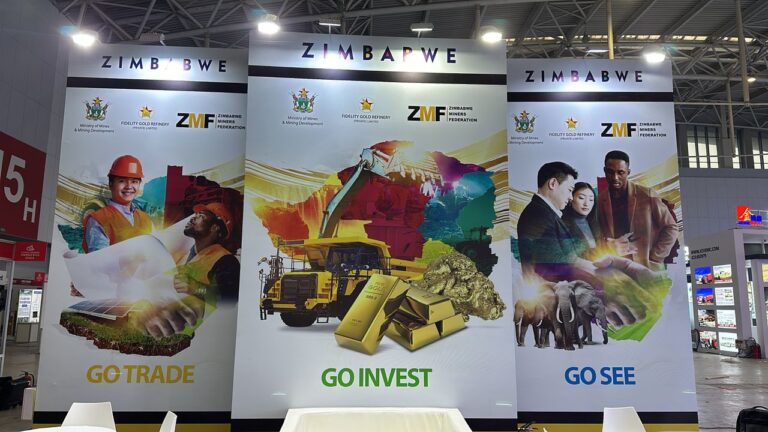
ZMF President Ms Henrietta Rushwaya and her team will play a key role at a major mining seminar in China tomorrow, where they will present and showcase Zimbabwe’s mineral potential.

By Rudairo Mapuranga

Scheduled for the 15th of October and running under the theme “Mining in African Countries,” the event will provide a platform for Rushwaya to showcase Zimbabwe’s lucrative mining opportunities to a global audience.

The ZMF will highlight Zimbabwe’s vast mineral resources and investment potential available in Zimbabwe. Rushwaya’s presentation is expected to attract significant interest from Chinese investors seeking to capitalize on the country’s rich mining reserves.

Joining Rushwaya at the seminar will be a delegation of Zimbabwean mining industry executives from ZMF, including prominent Kadoma miner Johane Sithole aka Mrasta and Timothy Chizuzu, who will provide further insights into the sector.

The event will also feature presentations from representatives of other African nations, fostering valuable knowledge exchange and networking opportunities.

Zimbabwe’s mining industry has long been a cornerstone of its economy, and the government has been actively working to attract foreign investment to revitalize the sector.

ZMF’s participation in the Chinese seminar is a strategic move to position Zimbabwe as a preferred destination for mining ventures.

ZMF Praises Government Efforts, Advocates for Sustainable Mining

0

The Zimbabwe Miners Federation (ZMF) has commended the government’s efforts in supporting the mining sector and has called for continued commitment to sustainable mining practices, Mining Zimbabwe reports.

By Rudairo Mapuranga

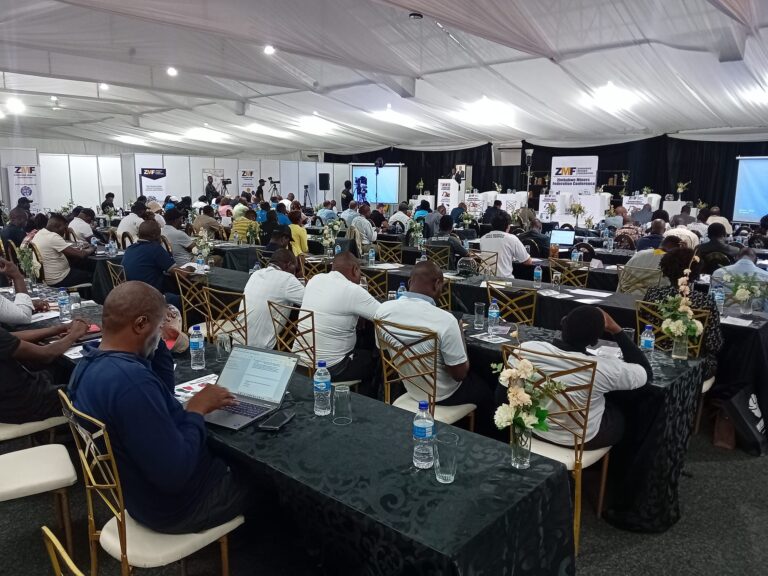
Speaking at the ZMF small- to medium-scale conference held last Friday at the Zimbabwe International Exhibition Centre on the sidelines of the Mine Entra Expo in Bulawayo, ZMF President Ms Henrietta Rushwaya praised the sectoral reforms implemented by the government, which have significantly contributed to the country’s GDP growth.

“The country’s policies are moving in the right direction, especially regarding beneficiation.

“We are pleased to see the government’s focus on sustainable mining, which is crucial for the long-term health of our industry,” Rushwaya said.

Ms. Rushwaya emphasized the importance of adhering to government regulations, such as the Zimbabwe Revenue Authority (ZIMRA) Act, the Environmental Management Agency (EMA) Act, the Mines and Minerals Act, and the Immigration Act.

She also stressed the need for zero tolerance toward practices that harm the environment, including deforestation, habitat destruction, pollution, soil erosion, human-wildlife conflict, and loss of biodiversity.

“As small-scale miners, we have a responsibility to operate in a sustainable manner. By following government guidelines and adopting environmentally friendly practices, we can contribute to the sustainable development of our country,” Rushwaya said.

Mining has long been a cornerstone of Zimbabwe’s economy, providing valuable resources, employment opportunities, and economic growth. However, the need for responsible mining practices has become increasingly apparent. Two years ago, the government launched the Responsible Mining Audit Initiative to address this need by holding mining companies accountable for their operations and ensuring they benefit the nation and its people.

One of the primary benefits of the initiative is mitigating the environmental impacts of mining operations. By reducing water and air pollution, protecting biodiversity, and minimizing land degradation, responsible mining practices lead to improved ecological sustainability. This effort ensures the preservation of natural resources, benefiting local communities and future generations.

The initiative also emphasizes the importance of engaging with local communities. Responsible mining companies will implement social programs that contribute to the well-being and development of these communities. Investments in infrastructure, healthcare, education, and the creation of sustainable economic opportunities are expected to improve the quality of life for community members, fostering a stronger bond between mining companies and residents.

Mines and Minerals Amendment Bill to Ban Foreigners from Small-Scale Mining

0

The government, through the Ministry of Mines and Mining Development, is set to introduce legislation that will preserve the small-scale mining sector for locals and ensure that Zimbabweans benefit from the country’s vast resources.

By Ryan Chigoche

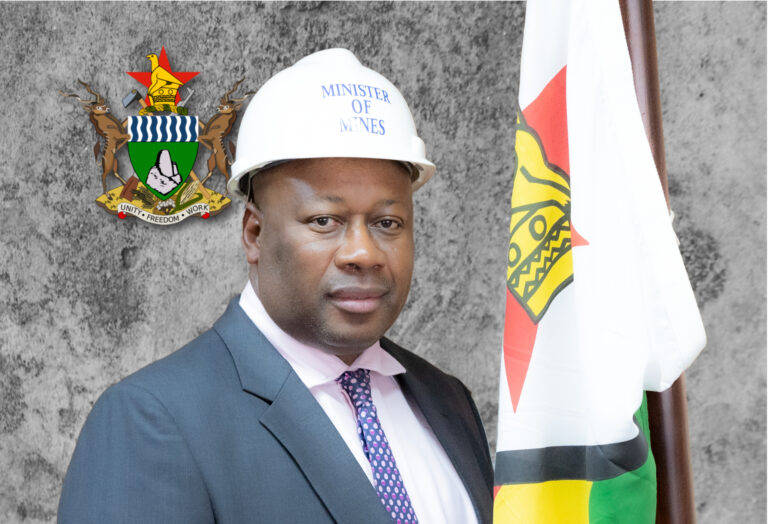
Minister Winston Chitando confirmed this while speaking at the Zimbabwe Miners Federation (ZMF) conference at Mine Entra 2024 in response to the Federation’s President, Henrietta Rushwaya.

At the event, Rushwaya presented several requests to the government on behalf of small-scale miners. These included concerns over seeded claims from ZIMASCO that were allocated a few years ago but have yet to be granted, delays in the renewal of special grants, and considerations regarding exclusive prospecting orders. She argued that small-scale miners should be allowed to peg claims for at least three months before these opportunities are opened to foreign investors.

One notable request was the call for small-scale mining to be reserved for local indigenous Zimbabweans in areas of 50 hectares or less. This comes amid an influx of foreign nationals in small-scale mining, leaving locals with limited opportunities.

Speaking at the conference, Minister Winston Chitando said that the forthcoming Mines and Minerals Amendment Bill will address these issues.

“In the amendment of the Mines and Minerals Act, small-scale miners will now be officially recognized, and the sector will be protected and reserved for local miners. Currently, there is no legal framework reserving small-scale mining for the local mining sector,” Chitando explained.

The Minister also noted that the Ministry is finalizing a US$10 million facility for small-scale miners in chrome and gemstones to enhance their operations and enable them to compete with foreign nationals.

Foreign companies have increasingly dominated Zimbabwe’s mining industry, especially in the chrome and gemstones sub-sectors. In recent years, China has become a major player in the country’s mining sector, drawn by Zimbabwe’s abundant mineral wealth, including lithium, diamonds, chrome, and gold. Backed by substantial financial resources and support from the Chinese government, these firms have secured many mining concessions, often surpassing Western companies in establishing operations.

Some Chinese operators have entered the country covertly, dominating the small-scale mining sector intended for locals. In some cases, they use their financial power to take over claims previously owned by locals who may have stopped operations due to financial constraints.

Zimbabwe’s economic challenges and isolation from Western financial institutions have made it increasingly dependent on Chinese investment, further entrenching foreign control in the sector. Chinese companies often operate with minimal local ownership, relying heavily on Chinese labour and equipment, thereby limiting the involvement of local Zimbabweans.

For years, the ZMF has argued that small-scale mining should be reserved for locals, with foreigners barred from operating on land of 50 hectares or less. The Federation has also requested that small-scale miners be given priority in pegging claims before they are opened to foreign investors.

ZELA Pledges Support for ASM ESG Compliance, Community Development, and Policy Advancements

0

The Zimbabwe Environmental Law Association (ZELA) has committed to supporting the Artisanal and Small-scale Mining (ASM) sector, the government, and large-scale mining companies through technical assistance aimed at achieving Environmental, Social, and Governance (ESG) compliance, community development, and national goals.

By Rudairo Mapuranga

Speaking at the Zimbabwe Miners Federation (ZMF) Small to Medium Miners Conference, held at the Zimbabwe International Exhibition Centre (ZIEC) during the Mining Engineering and Transport Expo (Mine Entra), ZELA’s Tafara Chiremba highlighted the organization’s advocacy for policy finalization, environmental compliance support, and tax incentives. He also praised government efforts to promote responsible mining and ASM policies.

Chiremba emphasized ZELA’s role in providing technical assistance to key stakeholders, including the Parliament of Zimbabwe, to address resource gaps in the sector. ZELA also supports the ZMF and small-scale miners by building capacity in health and safety, equipment provision, and market access through regional and international programs like AfricaMaVal and the OECD.

“We are ready to work closely with the ASM sector, government, and large-scale miners to provide technical assistance and ensure ESG compliance in mining. We aim to complement government and private sector efforts to promote national development. We have already provided support to several stakeholders, including the Parliament of Zimbabwe, to address resource gaps.”

Chiremba also urged the government to consider seeking support from the Intergovernmental Forum on Metals, Mining, Minerals, and Sustainable Development and to offer more tax incentives to ASM players, aligning them with their environmental compliance efforts.

ZELA has long recommended that the national budget allocate resources to the Ministry of Mines to strengthen compliance. On community development, ZELA highlighted ASM’s potential to create jobs and drive local progress, commending government initiatives to formalize the sector.

Chitando Reveals Alarming Audit Findings, Warns of Strict Action

0

The Minister of Mines and Mining Development, Hon. Winston Chitando, has revealed alarming findings from the yet-to-be-released Responsible Mining Initiative audit. He warned that non-compliant miners will be shut down in the next audit, Mining Zimbabwe can report.

By Rudairo Mapuranga

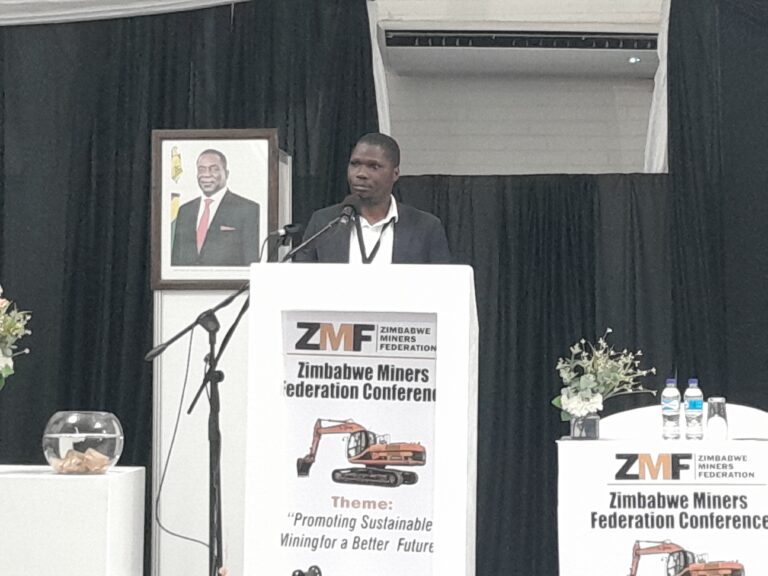
Speaking at the Zimbabwe Miners Federation (ZMF) Small-Scale to Medium-Scale Conference, held at the Zimbabwe International Exhibition Centre (ZIEC) during the Mine Entra 2024, Minister Chitando disclosed troubling findings from the latest Responsible Mining Initiative audit.

Minister Chitando highlighted significant non-compliance within the sector, including unregistered entities, entities not registered with the Zimbabwe Revenue Authority (ZIMRA), and operations lacking Environmental Impact Assessments (EIAs).

“We will eventually make public the findings of the Responsible Mining Initiative. However, the results from the last audit were disappointing, highlighting issues across the sector, not just in small-scale mining. There were cases of unregistered entities with ZIMRA, entities outside the tax system, and some serious cases of mining operations lacking Environmental Impact Assessments (EIAs).

“When the next Responsible Mining audit is conducted, teams will have clear instructions, if they find entities unregistered with ZIMRA, they will be closed, if they find operations lacking an EIA, they will also be closed,” he said.

Minister Chitando also noted that to enforce responsible mining, amendments to the Mines and Minerals Act would address many of these issues, including giving the Ministry the authority to repossess mines that do not adhere to responsible mining practices.

“To enforce responsible mining, it’s crucial to amend the Act, including provisions to repossess mining titles where violations occur. Responsible mining that adheres to national laws is essential,” he said.

Mining has long been a cornerstone of Zimbabwe’s economy, providing valuable resources, employment, and economic growth. However, the need for responsible mining practices has become increasingly apparent. The Responsible Mining Audit Initiative addresses this need by holding mining companies accountable for their operations, ensuring they benefit the nation and its people.

One of the initiative’s primary benefits is the mitigation of environmental impacts from mining operations. Responsible mining practices improve ecological sustainability by reducing water and air pollution, protecting biodiversity, and minimizing land degradation. This ensures the preservation of natural resources, benefiting local communities and future generations.

The initiative also emphasizes the importance of engaging with local communities. Responsible mining companies will implement social programs that contribute to the well-being and development of these communities. Investments in infrastructure, healthcare, education, and the creation of sustainable economic opportunities are expected to improve the quality of life for community members, fostering a stronger bond between mining companies and local residents.

Worker safety is a top priority under the new initiative. By implementing robust occupational health measures and addressing concerns such as tuberculosis, pneumoconiosis, and mercury poisoning, the initiative aims to create a safer working environment for miners. This focus on health and safety not only protects workers but also enhances the overall well-being of their families and communities.

Transparency and good governance are crucial components of the Responsible Mining Audit Initiative. By adhering to these principles, mining companies can build trust with local communities, government authorities, and other stakeholders. This transparency reduces the risk of mineral leakages and ensures that mining benefits are equitably distributed, contributing to a fairer and more just mining sector.

The initiative also promises significant economic benefits. Responsible mining practices will generate tax revenues, foster local procurement, and create employment opportunities for both skilled and unskilled workers. These economic gains will have a multiplier effect, leading to the growth of supporting industries and overall economic prosperity in the region.

Adopting responsible mining practices enhances the reputation and competitiveness of Zimbabwean mining companies on both domestic and international fronts. This improved reputation attracts more investment, partnerships, and collaborations with reputable global companies, further strengthening the mining sector’s role in the country’s economic development.

77 Companies Exhibit for the First Time at Mine Entra

0

The Zimbabwe International Trade Fair (ZITF) Company has attracted 77 new exhibitors to its 27th edition of Mine Entra. The event has seen a notable increase in participation both locally and internationally, Mining Zimbabwe reports.

By Rudairo Mapuranga

Speaking at the Mine Entra Conference and official opening for 2024, held under the theme “Unearthing Success: The Mining Value Chains, Innovation, and Industrialization Nexus,” ZITF Board Chairman Busisa Moyo highlighted the event’s expansion, particularly in attracting new exhibitors from sectors linked to mining and industry, underscoring the interconnectedness of mining value chains.

“This year, we are pleased to host 255 exhibitors, 77 of whom are exhibiting for the very first time. Many of these exhibitors are from the intersection of industry and mining, representing the confluence of these two sectors of our economy. This year’s exhibition has recorded higher participation both locally and internationally. With your support, we look forward to building on this success to achieve an even larger and more impactful event next year,” Moyo stated.

This year’s Mine Entra theme reflects a commitment to fostering collaboration, knowledge exchange, and networking. The event serves as a pivotal platform for the mining industry to align with sectors such as engineering, transport, and other industry players, laying the groundwork for a future in which mining supports not only the economy but also prioritizes environmental sustainability and community well-being.

A crucial aspect of the event is the Responsible Mining Audit Initiative, which aims to reduce the environmental impact of mining operations and promote adherence to sustainability standards. This multi-stakeholder initiative encourages the adoption of responsible practices across the mining ecosystem.

The conference also highlights advancements in emerging technologies, such as automation, digitization, and artificial intelligence, as essential tools to overcome challenges like low productivity and outdated equipment. MineEntra 2024 aims to support local and regional companies in adopting these innovations to enhance operational efficiency and competitiveness.

In addition to technological advances, Mine Entra 2024 seeks to attract both local and international investors, showcasing Zimbabwe’s rich mineral resources and investment potential across the mining value chain. The event focuses on unlocking capital for critical projects, including exploration, infrastructure, and refining, in alignment with national goals of driving economic growth through modernized mining operations.

All primary producers in Zimbabwe’s mining sector share a common aspiration to become fully integrated, opening significant opportunities for value addition and beneficiation. This positive shift is a testament to the strength and adaptability of Zimbabwe’s mining industry, which continues to prioritize transformation in the face of economic challenges.

There is an urgent need to process raw minerals into value-added products, which would generate employment, stimulate economic growth, reduce reliance on imports, and help buffer against fluctuations in global commodity prices. Achieving these objectives will require innovation, including the adoption of new technologies and sustainable practices.

The collaborative efforts and partnerships formed during Mine Entra 2024 are expected to chart a path for Zimbabwe’s mining industry well into the future. With the active involvement of government, industry stakeholders, and financial partners, Zimbabwe is positioning itself as a hub for sustainable, innovative, and value-driven mining, setting a legacy for future generations to build upon.

Girl Child Should Explore Careers in Mining, Says Miss Ncube

0

The mining industry is a cornerstone of economic growth and technological advancement, playing a vital role in shaping the world we live in today. It is therefore important for teens, especially girls, to cultivate a solid interest in the industry, as it will impact future generations, said Miss Teen of the Universe Africa, Victoria Ncube.

By Rudairo Mapuranga

Speaking to Mining Zimbabwe on the sidelines of the Mining Engineering and Transport Expo (Mine Entra), Miss Ncube noted that, despite an optimistic outlook for Zimbabwe’s mining industry, many teens remain unaware of the diverse and exciting opportunities it offers.

She emphasized the importance of thinking beyond their age and contributing to the country’s economy. One way to do this, she said, is by learning about and understanding the entire mining value chain.

Miss Ncube highlighted that teens, especially young women, can empower themselves by engaging in technological research and finding ways to add value to Zimbabwe’s minerals.

“I want to encourage young girls and women to pursue careers in mining, as it is one of Zimbabwe’s leading industries and a major driver of our economy. Mining was once dominated by men, but today, women can excel in this field just as much as men. My interest in this industry deepened when I met with women in mining.

“Although I am new to the field and still learning, I have started taking classes to understand it better, and I encourage others to do the same. Mining is the way forward,” she said.

Recently, Miss Ncube travelled to India to compete for the title of Miss Teen of the Universe, where she earned the title of Miss Teen of the Universe Africa, making her an ambassador for the African continent.

As part of her advocacy, she is committed to showcasing Africa’s rich mineral resources. Her national costume was inspired by the mining industry, crafted from yellow fabric to symbolize Zimbabwe’s wealth in minerals, with decorations representing the gold, emeralds, diamonds, and coal mined in the country.

Local Mining Suppliers Urged to Step Up and Support Sector Amid Geopolitical Shifts

0

As the global mining landscape continues to evolve amid geopolitical shifts, local suppliers facing increasing pressure have been urged to enhance their capabilities and remain competitive in order to support the local mining sector.

By Ryan Chigoche

These issues dominated discussions at the Mine Entra suppliers forum, held under the theme “Maximizing Contribution to the Mining Industry Through Local Content.”

This comes after the Chamber of Mines Zimbabwe revealed that the local manufacturing sector contributes just 15% to the mining sector from the US$2.1 billion being spent on suppliers.

At the recent MineEntra 2024 conference, Pfungwa Kunaka, the Permanent Secretary in the Ministry of Mines and Mining Development, emphasized the critical need for local suppliers to innovate and adapt.

“The mining industry must capacitate suppliers to build resilience in the face of geopolitical changes that have dramatically altered the global landscape. We must ensure that we have a local quota supply, however, suppliers must be innovative. The banks must provide affordable capital. We need to be proactive and mitigate risks. Suppliers must heed complaints regarding quality, lead time, and capacity to produce in the face of imports,” Kunaka stated.

Geopolitical situations significantly affect the supply chain of the local mining sector by disrupting access to essential imported materials and equipment, altering trade policies, and impacting market access. Political instability can lead to transportation disruptions and increased costs, while changes in trade agreements or tariffs can either hinder or enhance local competitiveness. Additionally, geopolitical tensions can deter foreign investment, limit funding for operations, and strain financial health, ultimately affecting the overall resilience and efficiency of local suppliers in the mining industry.

Despite the urgency of his message, local suppliers are grappling with significant challenges. Frequent breakdowns and high maintenance costs, combined with a struggling economy, hinder their ability to retool effectively. Many companies rely on outdated techniques due to insufficient research and development funding, as they barely manage to stay afloat.

Local suppliers often lack the capacity to meet the demands of mining companies, primarily due to antiquated machinery and a scarcity of working capital for essential raw materials and consumables. Consequently, local products struggle to compete in the marketplace, facing high prices exacerbated by the cost of doing business and the rising expenses associated with ZESA.

Furthermore, the high costs imposed by ZESA, along with fluctuating monetary policies, further complicate the situation for local suppliers. Without substantial reforms and investments in innovation, the local mining supply sector risks being overshadowed by imported alternatives, undermining the potential for sustainable growth within the industry.

For the mining sector to thrive, a concerted effort must be made to empower local suppliers, fostering a resilient and competitive environment that can withstand global pressures.

Factor Your Power Increase Fears into Your Plans: ZESA Tells Miners

0

The Zimbabwe Electricity Supply Authority (ZESA) has urged miners to incorporate the potential for electricity price hikes into their operational plans, as the utility continues to advocate for cost-reflective tariffs.

By Ryan Chigoche

For years, miners in Zimbabwe have expressed concerns about the high cost of electricity, which has become a significant burden on their operations. The escalating electricity prices are particularly alarming, as they directly impact the profitability of mining ventures.

At day two of Mine Entra, ZETDC General Manager Abel Gurupira addressed the audience attending a conference, warning miners to prepare for upcoming power tariff increases. He emphasized that these hikes are preferable to the frequent load shedding that has plagued the industry.

“We are solely reliant on thermal power at 12 cents, and that’s the same tariff at which we generate our power. If you add 14% to 12 cents, the costs will show that we are struggling, achieving a technical loss of 20% due to ageing equipment.”

Gurupira elaborated on ZESA’s financial challenges, stating, “US dollar obligations per month total US$92 million against the US$55 million we collect, with only US$45 million actually collected, leaving the balance payable at the interbank rate. You are not exempt from load shedding. Prepare for an increase in tariffs.”

To mitigate the ongoing power crisis, ZESA has initiated a series of short, medium, and long-term strategies. Recently, the authority has made strides by incorporating Independent Power Producers (IPPs) into the grid, adding 25 MW of capacity. Additionally, miner Zimplats has launched a 35 MW solar plant, contributing to the diversification of energy sources alongside other projects in the pipeline.

As part of a broader effort to enhance efficiency, ZESA is undergoing a restructuring process aimed at eliminating redundancies. This move is intended to streamline operations and improve service delivery. Furthermore, there is an increasing involvement of the private sector in Zimbabwe’s power industry, signaling a shift toward more collaborative solutions to the electricity crisis.

Despite these efforts, the future remains uncertain. Miners are encouraged to proactively assess their energy strategies in light of the anticipated price adjustments and continue advocating for sustainable energy practices.