Home Blog Page 173

Three Years of Research Could Effectively Tax ASM

0

The artisanal and small-scale mining (ASM) sector is crucial for Zimbabwe’s economic growth and development, contributing significantly to foreign direct investment and revenue generation, particularly in gold and chrome production, recent findings suggest that three years of focused research can help design a tax system that ensures the country fully benefits from this vital industry, Mining Zimbabwe can report.


By Rudairo Mapuranga


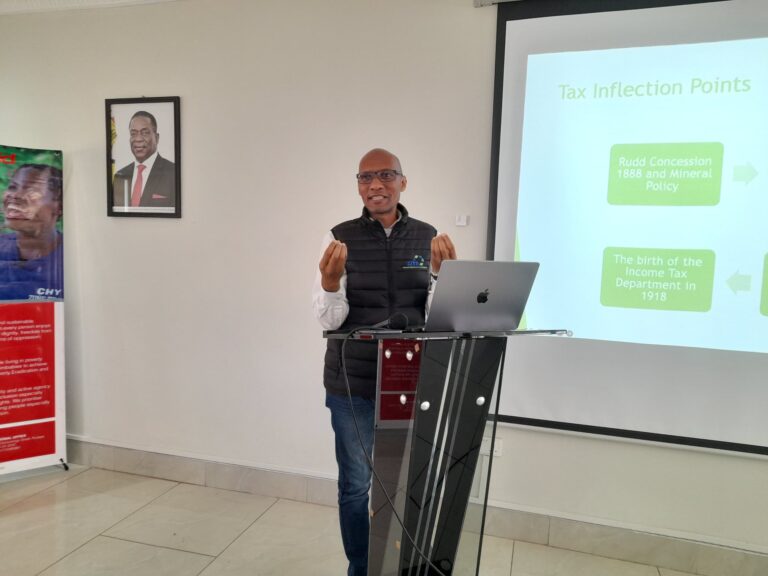
These remarks were made by Gorden Tonde Chibanda of the Tax Justice Network Africa (TJNA) on Friday at the 2024 CSOs-Parliament Indaba, organized by ZELA and ActionAid. The event ran under the theme, “Positioning CSOs’ Submissions into the 2025 National Budget on Domestic Resource Mobilization (DRM) Strategies and Responsible Mining Standards in the Mining Sector.”


In his presentation titled International Tax Architecture and illicit financial flows (IFFs )– Developments, Challenges, and Opportunities,  Chibanda  discussed the potential for effectively taxing ASM based on three years of research.


“We inherited most of our taxes from the colonial era, so they don’t reflect our current economic situation,” Chibanda said. He emphasized that the ASM sector is organized in its own way, and authorities need to explore these structures in order to work collaboratively with the miners.


According to Chibanda, proper taxation systems should not only regulate the sector but also ensure that ASM miners feel supported and appreciated by the government.


A key takeaway from Chibanda’s presentation is that a fair taxation system could improve ASM’s contribution to the economy without stifling its growth. He highlighted the need to shift from outdated tax frameworks that do not align with the current realities of the sector. In this regard, developing policies tailored to ASM operations and needs could bridge the gap between miners and authorities, fostering a more productive relationship.


ASM in Ghana: Lessons for Taxation


Ghana offers a potential model for how ASM can be taxed effectively. The country has implemented a system that combines regulation and formalization, which allows small-scale miners to obtain legal licenses while paying taxes. This approach not only helps the government capture revenue but also ensures that miners operate within a structured framework, thereby reducing illegal activities.


By adopting a similar model, Zimbabwe could ensure that ASM miners are formally registered and taxed in a way that benefits both the miners and the country. Supporting miners through formalization initiatives and incentivizing compliance could further boost revenue collection while promoting sustainable mining practices.


In conclusion, for Zimbabwe to truly unlock the potential of its ASM sector, a more nuanced and supportive tax system is essential—one that reflects the sector’s complexities and integrates lessons from other countries like Ghana. This could pave the way for greater economic inclusion and growth in the mining industry.


Parliament Urged to Prioritize Research for Improved Policies and a Stronger Economic Future

0

The Parliament of Zimbabwe has been urged to prioritize research-driven policymaking to foster sustainable development and a stronger economic and mining future for the country, Mining Zimbabwe can report.


By Rudairo Mapuranga


These remarks were made by Farai Mutondoro of the Zimbabwe Environmental Law Association (ZELA) on Friday at the 2024 CSOs-Parliament Indaba, organized by ZELA and ActionAid. The event ran under the theme, “Positioning CSOs’ Submissions into the 2025 National Budget on Domestic Resource Mobilization (DRM) Strategies and Responsible Mining Standards in the Mining Sector.”


Speaking at the event, Mutondoro emphasized the need for research and development (R&D) to inform legislative and oversight functions, ensuring that policies are data-driven and reflective of the country’s long-term needs.


He noted that Zimbabwe could learn from nations like China, which heavily invest in research to shape their policies. Mutondoro urged Parliament to allocate more resources towards R&D, particularly in sectors like mining, which remain critical to the economy but face sustainability challenges.


“Zimbabwe’s mining sector must focus on responsible mining practices that balance economic benefits with environmental protection,” Mutondoro said, adding that policy decisions should be informed by comprehensive data to prevent future environmental degradation and economic losses.


He further encouraged lawmakers to be open to challenging existing frameworks and seeking innovative solutions, stressing the importance of transformative research in shaping a better future for all Zimbabweans.


The call for research-led policies comes as Zimbabwe aims to meet its targets under the National Development Strategy 2 (NDS2), which prioritizes sustainable growth across sectors.


Govt Commends Palm River for Generating Own Electricity, Utilizing Gas Emissions for Power at Its US$3.6 Billion Ferrochrome Project

0

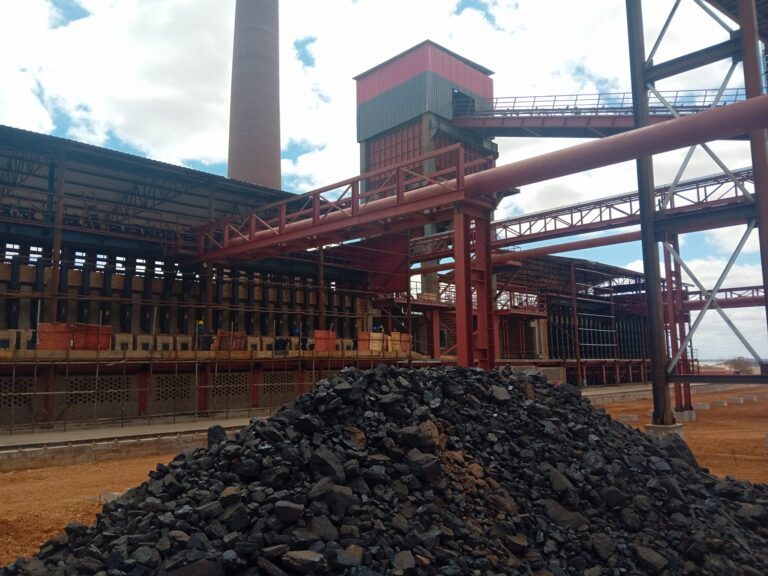
The Minister of Mines and Mining Development, Hon. Winston Chitando, has praised Palm River for its pioneering role in generating its own electricity and utilizing gas emissions for power— a first in Zimbabwe, as reported by Mining Zimbabwe.


By Rudairo Mapuranga and Ryan Chigoche


This investment comes as local ferrochrome miners face a 2026 deadline to establish their own power generation facilities, addressing the sector’s growing energy needs. Continued economic growth is expected to push power demand above 3,000 megawatts within the next two years, with the mining sector projected to account for 80% of that increase.


During an appreciation tour of Palm River, Hon. Chitando, accompanied by the Minister of State for Matabeleland, commended the company for setting a benchmark in responsible high-carbon thermal power production.


“I want to commend Palm River for being a responsible high-carbon thermal power producer for two main reasons. Firstly, they have chosen to generate their own electricity rather than burdening the national grid, demonstrating leadership that other high-carbon producers should emulate. Secondly, they have introduced closed-loop technology, which is more efficient and environmentally friendly, including the use of gas emissions to generate electricity,” said Hon. Chitando.


This initiative underscores Zimbabwe’s goal of becoming a self-sufficient energy producer while enhancing its industrial capacity within a framework of responsible environmental practices. Miners have long identified power shortages as a major challenge, as ZESA has struggled to meet the mining sector’s demands.


The Zimbabwe Electricity Supply Authority (ZESA) currently has a generating capacity of only 2,000 megawatts (MW) but produces just 1,400 MW due to regular breakdowns at its thermal power stations and ongoing water shortages at its hydroelectric plants. As a result, miners across the country have begun investing in their own power solutions.


This project followed discussions between the company’s chairman and His Excellency, President Emmerson Mnangagwa, who directed that it be established as an integrated mining and energy park. Spanning 5,100 hectares within a special economic zone, this initiative promises to be transformative for Zimbabwe’s energy and mining sectors.


The project’s first phase is being developed through a joint venture involving the Government of Zimbabwe, Palm River, and Thuli Coal, focusing on three key components:


Thermal Power Production: Starting with 50 megawatts of electricity, with plans to add another 50 megawatts.


Coking Coal Production: Utilizing inputs from Thuli Coal and Hwange, the first phase will produce 100,000 tonnes of coke, scaling up to over 1 million tonnes.


High-Carbon Ferrochrome Production: Initially producing 100,000 tonnes, with potential for future expansion.


This US$3.6 billion project aims to establish stainless steel production in Zimbabwe, significantly reshaping the country’s industrial landscape.


Hon. Chitando expressed gratitude to President Mnangagwa for his vision and commitment to securing capital for the project. He noted that the President has actively monitored its progress, with the company’s chairman Mr Xong visiting Zimbabwe multiple times over the past year to provide updates.


“We look forward to further discussions with the Honourable Member of Parliament and Palm River management to determine the best time for His Excellency to officiate the groundbreaking ceremony of this transformative project,” Chitando concluded.


The Shanxi Palm River Energy Metallurgical project is strategically located 20 kilometers west of Beitbridge Town in Matabeleland South Province, just 17 kilometers from the South African border and 18 kilometers from the railway line.


The project will be constructed in three phases, including 1,200 MW of green power, comprehensive power generation, and supporting facilities; a coking plant with a capacity of 1 million tons per year; ferrochrome smelters producing 2 million tons annually; and stainless and carbon steel production of 1 million tons per year. Additionally, it will include community support facilities such as infrastructure, power and water supply, hospitals, schools, churches, and training centers.


Palm River’s parent company, Shanxi, is the world’s largest ferrochrome producer and the only Chinese enterprise with overseas chrome mines. Ferrochrome is a crucial raw material for stainless steel production and special steel applications.


Palm River, operating in Zimbabwe, ranks 25th among the top 100 enterprises in Inner Mongolia.


To promote industry and education, Shanxi Engineering Vocational College has partnered with Harare Polytechnic College for the College Enterprise College Project, aiming for mutual benefits in professional skills transfer, talent exchange, job creation, and local economic development.

Demand Outstrips Supply: Platinum Market Faces Second Year of Deficit Amid Strong Demand and Supply Challenges

0

In 2024, the platinum market is experiencing a significant deficit for the second consecutive year, according to the World Platinum Investment Council. This situation is primarily driven by robust demand and ongoing supply challenges. Despite these conditions, platinum prices have remained relatively stable.

By Ryan Chigoche

In the second quarter of 2024, global platinum demand rose by 13% year-on-year, reaching 2,421 koz. This increase was fueled by a remarkable 137% surge in investment demand and a 5% rise in the jewellery sector. Stable demand from the automotive and industrial sectors further contributed to the overall growth.

Demand is anticipated to continue its robust growth, with the jewellery sector leading the way, partly due to platinum’s price differential with gold. The automotive industry is significantly driving demand as platinum increasingly substitutes palladium, particularly with the rise of heavy-duty vehicles and hybridization trends. Overall, total demand is forecast to reach 8,118 koz in 2024, resulting in a substantial market deficit of 1,028 koz.

On the supply side, while mine production increased and secondary supply stabilized, total global supply still fell short, reaching only 1,958 koz. This resulted in a significant deficit of 464 koz. For the full year, total platinum supply is projected to decline by 1% compared to the already weak levels of 2023, dropping to 7,089 koz. This decrease is largely attributed to reduced refined production in key regions, including South Africa, Zimbabwe, Russia, and North America.

In response to these supply constraints, platinum prices rebounded to around $920 per troy ounce in September, the highest in two months. Expectations of lower supply and declining global interest rates have enhanced the appeal of precious metals. Bloomberg forecasts suggest that the average platinum price will be $957.33 per ounce in 2024, before climbing to $1,005.42 per ounce in 2025.

In Zimbabwe, operating PGM mines—Zimplats, Unki, and Mimosa—are majority-owned by South African companies and have been involved in various expansion and new mine development projects, despite weakening commodity prices.

To boost production, Zimbabwe’s largest platinum producer, Zimplats, is progressing according to plan with its capital projects aimed at expanding capacity.

Under its US$1.8 billion capital expenditure investment, Zimplats’ strategy includes the development of new mines, the expansion of its smelter, the construction of an additional concentrator, a base metal refinery, a sulfuric acid plant, and the establishment of a 110-megawatt solar power plant.

Additionally, Karo Platinum Holdings is moving ahead with the development of its platinum mine despite falling PGM prices, with US$100 million already spent on mine infrastructure development.

The mining company’s project in Zimbabwe is an open-pit platinum group metals (PGMs) asset under construction, with a projected cost of US$391 million for phase 1.

According to GlobalData, Zimbabwe was the world’s third-largest producer of platinum in 2023, with output up by 6% compared to 2022. Over the five years leading up to 2022, production in Zimbabwe increased by a compound annual growth rate (CAGR) of 0.8% and is expected to rise by a CAGR of 3% between 2023 and 2027.

Mnangagwa to Headline Mine Entra Expo

0

The 27th Mining, Engineering, and Transport Expo (Mine-Entra) will be officially opened by President Emmerson Mnangagwa as the annual event kicks off next week. The event, rescheduled to October 9-11, was initially postponed last month to accommodate the SADC Industrialisation Week and the subsequent SADC Summit.

By Ryan Chigoche

Organized by the Zimbabwe International Trade Fair (ZITF) Company, the expo will officially open on October 10, with a theme focused on the mining value chain, innovation, and industrialization. ZITF board chairman Busisa Moyo emphasized the importance of collaboration across all sectors to foster economic growth in Southern Africa.

President Emmerson Mnangagwa has long emphasized the importance of the mining sector as a cornerstone of Zimbabwe’s economic recovery and growth. He has often highlighted the government’s commitment to increasing mineral production and attracting foreign investment.

Mnangagwa has also stressed the need for modernization and technological advancements in mining practices to boost efficiency and sustainability at a time when miners are contending with high operational costs.

In recent speeches, he has indicated plans to enhance value addition in the mining industry, urging miners to process more minerals domestically rather than exporting raw materials.

The event will gather local and international leaders, investors, and stakeholders to discuss advancements and challenges in mining. It will kick off with a Mining Industry Suppliers Forum, followed by a conference addressing sustainable practices, technological innovations, and investment opportunities. The event will conclude on October 11 with a conference for small-scale and artisanal miners.

Mine-Entra has established itself as a key platform for showcasing the latest innovations in the mining sector, attracting 250 exhibitors this year, including nine international firms from China, South Africa, and the UK. The mining industry is crucial to Zimbabwe’s economy, contributing over 75% of national export earnings, primarily from gold and platinum.

The expo promises to be a significant event for fostering resource-based industrialization and enhancing Zimbabwe’s mining landscape.

ZCDC Targets 10 Million Carats Through Exploration Expansion

0

Zimbabwe’s largest diamond producer, the Zimbabwe Consolidated Diamond Company (ZCDC), is on a steady path toward increasing its production to 10 million carats annually, primarily through aggressive exploration and the opening of new mining areas, said the Minister of Mines and Mining Development, Hon. Winston Chitando.

By Rudairo Mapuranga

Speaking to Mining Zimbabwe, Minister Chitando emphasized that ZCDC remains the frontrunner in diamond production in the country.

The company aims to double its current output of 5 million carats per year to 10 million carats.

“This year, ZCDC is targeting close to 6 million carats, which is a remarkable achievement compared to a few years ago when the company was producing just 1.8 million carats annually,” Chitando said.

The minister noted that ZCDC’s expansion strategy is centred on opening new mining areas and capitalizing on the company to ensure it meets the ambitious goal of producing over 10 million carats per year. The government and the company are actively exploring ways to further unlock the sector’s potential through investments in advanced exploration and production technologies.

“In Zimbabwe’s diamond sector, ZCDC is leading the way. As reported, the goal is to double output to over 10 million carats. ZCDC is expanding steadily, and the current focus is on capitalizing the company and opening new mining areas, all with the aim of reaching over 10 million carats per annum,” he said.

Zimbabwe’s diamond sector has other notable players contributing to the country’s overall production. Murowa Diamonds, a key private producer, has consistently delivered steady output, reportedly producing around 600,000 carats annually. Meanwhile, Anjin Zimbabwe has resumed operations and is projected to make significant contributions to the national output as it ramps up production.

In addition to these active producers, exploration activities by Alrosa Zimbabwe are showing promise. Alrosa, one of the world’s largest diamond producers, has been conducting extensive exploration in Zimbabwe, focusing on identifying new diamond-rich deposits. The joint venture between Alrosa and the Zimbabwean government reflects the country’s commitment to expanding its diamond industry by tapping into unexplored areas.

Zimbabwe’s combined diamond production from its major players—ZCDC, Murowa, and Anjin—positions the country as a growing force in the global diamond market. With ZCDC’s expansion efforts and Alrosa’s exploration activities gaining traction, Zimbabwe is poised to significantly increase its diamond output in the coming years, further enhancing its contribution to the mining sector.

The goal of producing over 10 million carats annually will not only cement Zimbabwe’s standing as a key player in the diamond industry but also generate substantial economic benefits through export revenues, employment opportunities, and infrastructure development.

Hwange Colliery Unveils Strategic Overhaul for Competitive Repositioning

0

HCCL Holdings formerly Hwange Colliery Company Limited (HCCL) has embarked on a transformative journey through the launch of a comprehensive organizational reform strategy known as the Business Improvement Project (BIP), Mining Zimbabwe can report.


By Rudairo Mapuranga


The initiative according to the company CEO William Gambiza is designed to address the company’s operational inefficiencies and reposition it as Zimbabwe’s leading coal producer, capable of competing on both regional and global markets.


The BIP is a bold move aimed at safeguarding shareholder value while ensuring that employees, local communities, and business partners continue to benefit from HCCL’s operations.


Central to the project is the objective of reducing business risks and streamlining processes for optimal performance.


Speaking to Mining Zimbabwe Gambiza, emphasized that the Business Improvement Project is more than a corporate restructuring effort—it is a complete overhaul of the company’s business culture.


“I’m thrilled to be part of this exciting phase in HCCL’s journey towards rebuilding itself. The BIP is focused on re-examining every aspect of our operations. We need to evaluate all our ongoing and future projects, retaining only those that make business sense and abandoning the rest. It’s about ensuring that our business moves in the right direction and adapts to shifting market dynamics,” Gambiza remarked.


According to Gambiza, the success of the BIP hinges on its ability to enable HCCL Holdings to continuously manage costs, protect its margins, and maintain competitiveness in a volatile market. The initiative will prioritize high-margin opportunities and low-cost production, key factors in the company’s future success.


Enhancing Productivity and Cost Control


Gambiza said the Business Improvement Project aims to boost productivity by maximizing output per worker shift, controlling organizational spending, and ensuring efficient management of contractors. A significant focus will also be placed on managing debts and growing market share, areas which Gambiza views as essential for long-term sustainability.


He said that the BIP is also about building a unified team that shares the company’s vision and purpose.


“We’re focusing on nurturing a workforce that aligns with HCCL’s core values. Everyone needs to understand the bigger picture—this is how we build a team that moves in unison towards a common goal,” said Gambiza.


The project also aims to modernize mine planning by adopting a dynamic investment policy. This approach will allow HCCL Holdings to quickly respond to market changes, whether they signal a growth phase requiring expansion or a contraction phase necessitating the scaling down of operations.


“If we identify a high-growth opportunity, we can ramp up operations by increasing shifts and developing new business assets. However, if the environment shifts negatively, we’ll need to be agile enough to scale back, as we’ve done with our 3-Main Underground mine, currently under care and maintenance,” Gambiza elaborated.


Strategic Investments in Infrastructure


As part of HCCL’s long-term growth strategy, the BIP will focus on optimizing the company’s product portfolio to prioritize high-value products that maximize cash flow and profitability. This includes significant investments in infrastructure, such as the development of modular coal washing plants and the construction of a new coke oven battery.


These strategic investments, according to Mr. Gambiza, will help the company achieve its broader goal of improving cash flow and enhancing its overall market position.


“We’re not just looking at volume, we’re focusing on value. The modular coal plants and coke oven battery are steps towards achieving this,” he said.


Customer-Centric Approach


A key component of the Business Improvement Project is the introduction of a Customer Value Management (CVM) strategy, which will fundamentally shift the company’s focus towards meeting customer needs. CVM is a business model that emphasizes creating, delivering, and capturing value for customers by tailoring services to their demands.


“The coal business is driven by customer needs. We are transitioning from a production-oriented mindset to a marketing-focused one. It’s about understanding what the customer wants and crafting our business strategies around that,” Gambiza said.


To support this shift, HCCL will establish a series of key commercial metrics, including customer lifetime value, retention ratios, acquisition costs, and recurring revenues. The company will also revisit its coal supply chain to identify areas where more value can be generated for both HCCL and its customers.


People-Centered Transformation


Gambiza highlighted that the success of BIP relies not only on numbers and operational efficiencies but also on the people behind the processes.


“People are the business. While numbers and efficiencies matter, it’s the people who make the difference. We aim to work with world-class talent, bringing in experts from diverse fields to improve processes and upskill our team,” he noted.


The CEO further explained that key deliverables for the BIP would revolve around improving safety, enhancing environmental stewardship, reducing costs, boosting market share, and ensuring that HCCL remains compliant with local regulations. The company will also focus on improving its return on capital employed and optimizing its balance sheet.


Change Management and Implementation


To ensure the effective implementation of the BIP, HCCL has rolled out employee roadshows and introduced a change management model based on Kotter’s 8-Step process. This model emphasizes urgency, vision, empowerment, and the creation of short-term wins as part of a broader cultural shift within the company.


“Change agents will be appointed and trained to oversee the implementation of this transformative project across different departments. This is a journey we are taking together as a company, and the involvement of everyone is crucial to its success,” Gambiza concluded.


In summary, HCCL Holdings Business Improvement Project is poised to transform the company’s operational landscape by introducing modern business practices, optimizing its product portfolio, and focusing on customer-centric strategies. This multi-year project is expected to position Hwange Colliery as a leading player in Zimbabwe’s coal industry, offering long-term value for shareholders, employees, and other stakeholders alike.


AMSZ Prepares for Its AGM in Nyanga

0

The Association of Mine Surveyors of Zimbabwe (AMSZ) is gearing up for its Annual General Meeting (AGM) and Conference, scheduled to be held from November 20th to 22nd, 2024, at Troutbeck Resort in Nyanga.

By Rudairo Mapuranga

The event, coordinated by AMSZ events coordinator Stewart Gumbi, aims to ensure smooth and satisfactory proceedings through meticulous planning and partner engagement.

“The AGM and Conference will run under the theme: ‘From Survey to Strategy: Empowering Mine Surveyors as Leaders in the Mining Industry for a Sustainable Future,'” Gumbi stated, highlighting the focus on transforming mine surveyors into strategic leaders.

Expected Speakers

The conference will feature a lineup of distinguished speakers, including representatives from the Chief Government Mining Engineer (CGME), Chief Government Mine Surveyor (CGMS), the Chamber of Mines, the Zimbabwe Miners Federation (ZMF), the Ministry of Higher and Tertiary Education (MHTE), the Permanent Secretary, the Zimbabwe Council for Higher Education (ZIMCHE), and the Chairperson of the Parliamentary Portfolio Committee on Mines, Association of Junior Mining Professionals of Zimbabwe (AJMPZ). All key mining houses are also expected to be in attendance.

The AMSZ’s AGM in Nyanga promises to be a pivotal event for the mine surveying profession in Zimbabwe, setting the stage for strategic leadership and sustainable growth in the mining industry. Through concerted efforts in regional collaboration, advocacy, capacity building, and marketing, AMSZ is poised to enhance its impact and foster a brighter future for mine surveyors in the SADC region and beyond.

Enhancing SADC Footprint

In response to how AMSZ plans to enhance its footprint in the Southern African Development Community (SADC) region, Gumbi detailed a comprehensive strategy aimed at regional collaboration, advocacy, capacity building, and improved marketing.

  1. Regional Collaboration and Partnerships:

AMSZ plans to collaborate with surveying organizations in SADC countries to share knowledge and resources. This includes partnerships with the Institute of Mine Surveyors of South Africa (IMSSA), University of Johannesburg, and South African enterprises.

Engage with Regional Mining Organizations: Building relationships with mining companies and industry bodies across SADC to create opportunities for AMSZ members.

Participate in Regional Mining Events:

Actively attending and contributing to regional mining conferences and workshops to raise AMSZ’s profile.


  1. Advocacy and Representation:


Standardize Regulations and Qualifications:Working with SADC governments to harmonize mine surveying standards, facilitating the movement of skilled surveyors between countries.

Regional Policy Participation: Representing mine surveyors in regional policy discussions to advocate for supportive policies.

  1. Capacity Building and Knowledge Sharing:

Expand Training Programs: Offering AMSZ’s training programs to participants from other SADC countries through various platforms.

Develop a Knowledge-Sharing Platform: Creating an online forum for regional collaboration among mine surveyors.


  1. Marketing and Communication:

Enhance Online Presence: Developing a professional website and social media channels to promote AMSZ’s services (www.amsz.co.zw).

Publish Research and Case Studies: Sharing success stories and case studies to highlight AMSZ’s impact.

Industry Publications and Media Participation: Contributing articles to mining publications to raise awareness of AMSZ’s contributions.

By implementing these strategies, AMSZ aims to position itself as a leading resource for mine surveying in the SADC region, expanding its influence and contributing to the sustainable development of the mining industry.

Speaking to Mining Zimbabwe, AMSZ President Gabriel Mwale outlined the key focus areas for his two-year term, stressing the importance of addressing legislative issues and the status of mine surveyors.

“The idea this year is to ensure we complete these items before the AGM. There is work to be done on Zimbabwe legislation regarding the surveyor and the status of the ticket,” Mwale stated. “We also need to work on becoming a more recognized association and increasing our footprint in the SADC and world regions. We are actively dealing with these tasks.

Bikita Minerals Commits to $500M Lithium Smelter Investment, but considers Production Cuts as Prices Remain Weak

0

Sinomine-owned Bikita Minerals remains confident in its plan to invest US$500 million in a lithium smelter, viewing this investment as essential for long-term growth and competitiveness in the lithium market amid softening prices. However, the company is also contemplating potential downsizing of its workforce and production levels if the market does not show signs of recovery, Mining Zimbabwe can report.

By Ryan Chigoche

Since Sino Mine acquired Bikita Minerals in 2022, the company has invested over US$200 million in exploration, mine expansion, and strategic projects in the country. The company’s expansion strategy includes developing new mining areas and constructing a modern tailings storage facility designed to manage mine waste for the next 20 years. This investment has significantly increased production capacity from 700,000 tonnes per annum to 4 million tonnes of ore per year.

As a result of these investments, the Gravity separation plant is projected to produce 300,000 tons of petalite annually, while the Flotation plant aims for 270,000 tons of high-quality chemical-grade spodumene concentrate each year.

However, the company has yet to see a return on this significant investment, as lithium prices have drastically dropped. After reaching record highs in 2021 and early 2022 due to surging demand for electric vehicle batteries and energy storage solutions, prices have since fallen considerably. In 2022, lithium carbonate prices soared above $70,000 per ton, driven by tight supply and strong market demand. By 2023, however, prices began to decline sharply as new lithium supply came online and demand growth slowed. By mid-2023, lithium carbonate prices had fallen to around $20,000 to $25,000 per ton, and this year even reached a low of US$13,798 per ton, making it difficult for the company to recoup its investments. This significant drop in lithium prices has led to a wave of supply curtailments, as producers struggle to maintain profitability.

Speaking at the Parliament Portfolio Committee on Mines and Mining Development, Bikita Minerals managing director Xuedong Gong admitted that the company is currently losing a lot of money due to softening prices. Despite this, Gong stated they are committed to the US$500 million investment in a lithium smelter, but he hinted that they might have to cut production and downsize their workforce for the first time if prices continue to decline.

“In the next 3 to 5 years, we will bring another new investment of US$400 million to build a lithium smelter here to bring more technology and improve the local battery industry. This is part of our previous and future investments. Lithium prices have dropped significantly since the end of last year, and we are losing money. But as responsible investors, we haven’t reduced any salaries or cut employees. We will see how the market develops, but if prices continue to go down, we will have to reduce our production and our workforce. Bikita is a company that takes full responsibility, and when we face very difficult economic conditions, we hope that…” Gong said.

Bikita Minerals is 100% owned by Shenzhen-listed Sino Mine Resource Group since January 2022, after being purchased from its then-majority German shareholder in a deal worth US$180 million. The company currently ships out petalite and spodumene concentrates, which are effectively crushed lithium ores with no added value beyond milling.

In 2023, the government warned that it would soon ban the export of lithium concentrates to compel companies to process carbonates, which are a step up in the lithium value-addition process. This regulatory shift aims to enhance local processing capabilities and maximize the economic benefits of lithium extraction within the country.

Lithium is a critical mineral used in solar panel technology and batteries for electric vehicles. Major economies are actively seeking to control lithium supply chains to position themselves advantageously in transforming their economies and reducing their carbon footprints.

Bikita Minerals champions sustainable practices with a focus on renewable energy and reliable power supply. The company completed a 12 MW photovoltaic solar plant in 2024 and played a pivotal role in the construction of the US$22 million Tokwe-Bikita powerline, further reinforcing its commitment to sustainability.

Bikita Minerals Halts Key Contractors as Lithium Market Pressures Force Shutdown

0

Sinomine-owned Bikita Minerals, the country’s largest lithium producer, has suspended the operations of its key contractors due to challenges in the lithium market and rising operational costs in Zimbabwe, Mining Zimbabwe can report.

By Rudairo Mapuranga

In a notice, the lithium miner announced the suspension of key mining contractors, with the Dense Media Separation (DMS) plant set to shut down starting this month due to lithium market challenges.

According to the notice, mining contractors Hocean, Kinsey, Anxin, and KW have been affected. Hocean, Kinsey, and KW completely halted operations as of September 30, 2024, while Anxin will scale down production, withdrawing personnel and equipment to align with reduced tonnages.

“Stripping and blasting service providers, Hocean, Kinsey, Anxin, and KW, will adjust operations. Due to lithium market factors, the DMS plant will be shut down from October 2024, and the following contractors will make adjustments based on production needs:

  1. Kinsey, Hocean, and KW will cease mining operations as of 30/09/2024.
  2. Anxin will reduce production and withdraw personnel and equipment to fit the lower tonnages.

The resumption of production will be announced by Bikita’s Mining Department,” the notice reads.

On Monday, Bikita Minerals warned the Parliamentary Portfolio Committee on Mines and Mining Development about the potential shutdown of the mine due to operational challenges caused by high taxes, energy costs, and logistical expenses.

During the committee’s visit, Bikita Minerals’ General Manager, Xuedong Gong, emphasized the severe impact of falling commodity prices, particularly lithium, which has plummeted by approximately 90%. Combined with rising costs, this has placed significant financial strain on the company.

“The lithium price has dropped dramatically since the end of last year—a 90% reduction. The current price is only 10% of what it was at its peak. As a result, Bikita Minerals is now losing money,” Gong said.

Sinomine acquired Bikita Minerals in 2022 for US$180 million, and in just over two and a half years, the company has injected an additional US$200 million into upgrading and expanding the mine’s infrastructure. The company increased the processing plant’s handling capacity from 700,000 tonnes per year to a staggering 4 million tonnes per year, nearly a fivefold increase.

This expansion included the construction of two complex processing plants, one of which is a flotation processing plant, and the installation of a new Dense Media Separation (DMS) plant. Before the acquisition, Bikita Minerals had only a small DMS plant with a 700,000-tonne capacity. That capacity has now been increased to nearly 2 million tonnes annually. Together with the 2 million tonnes for flotation processing, the total handling capacity now sits at almost 4 million tonnes per year.

Bikita Minerals currently focuses on mining lithium in the form of spodumene, petalite, and lepidolite. However, while the mine has substantial reserves of lepidolite, there is no viable technology at present to process the mineral efficiently.

Despite these challenges, Bikita Minerals is achieving impressive results with its lithium spodumene concentrate. The current grades, with a cutoff of 0.5% lithium oxide (Li₂O), average around 1.8%. The spodumene concentrate itself achieves grades of 5.5% to 6% Li₂O, making it highly competitive in the global market.

In 2023, the government warned it would soon ban the export of lithium concentrates to push companies to process lithium carbonates, which is a step forward in value addition. This regulatory shift aims to enhance local processing capabilities and maximize the economic benefits of lithium extraction within the country. Bikita Minerals has announced plans to invest around US$0.5 billion in a lithium sulphide plant.

The planned lithium sulphide plant is expected to not only add value to the extracted raw materials but also position Zimbabwe as a serious contender in the production of battery-grade lithium. This aligns with the government’s push for value addition and beneficiation, which aims to transform the country from being a raw material exporter to a producer of high-value products in the global lithium value chain.