Home Blog Page 174

Unki Achieves Over 11 Years of Fatality-Free Operations

0

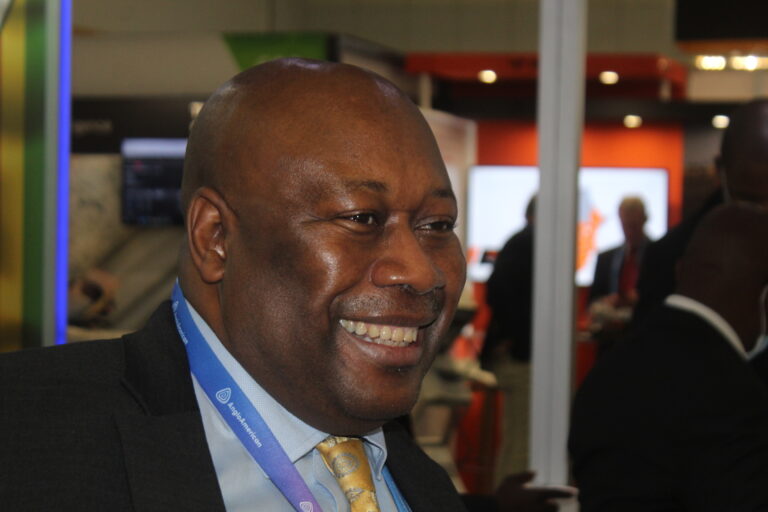
Zimbabwe’s third-largest platinum group metal (PGM) producer, Unki Mine, located in Shurugwi, has reached nearly 12 years without a fatality, Mining Zimbabwe can report.

By Rudairo Mapuranga

This milestone makes Unki the first mine in Zimbabwe to achieve such an impressive safety record.

The achievement reflects Unki Mine’s unwavering commitment to Safety, Health, and Environmental (SHE) performance, underpinned by rigorous monitoring and adherence to Anglo American Platinum’s safety protocols.

Unki’s safety success is part of Anglo American Platinum’s broader strategy, which focuses on embedding a culture of safety across all its operations. This culture is driven by continuous risk assessments, advanced technology deployment, and a zero-harm mindset.

In 2023, Anglo American Platinum, Unki’s parent company, marked its second consecutive year without recording a fatality. The total recordable case frequency rate (TRCFR) reached a historic low of 1.61 per million hours worked, representing a year-on-year improvement of 31% and an 85% improvement since 2012.

Unki, together with the Mogalakwena and Mototolo mines, has maintained over 11 years of fatality-free operations, while the Amandelbult mine achieved 96 million fatality-free shifts.

Unki Mine’s safety strategy hinges on several key elements:

Proactive Hazard Identification: The mine emphasises early detection and mitigation of potential hazards through regular safety audits and continuous risk assessments. These processes ensure that potential dangers are identified and addressed before they escalate.

Training and Safety Culture: Employees undergo regular safety training programs aimed at promoting a culture of vigilance and shared responsibility for workplace safety. Workers are encouraged to report unsafe conditions and intervene to prevent unsafe acts.

Technological Innovation: Unki leverages state-of-the-art technology to enhance safety, including the use of real-time monitoring systems to track equipment performance and worker safety, reducing the risk of accidents.

Emergency Preparedness: The mine maintains well-coordinated emergency response teams that are trained to handle accidents swiftly and effectively, minimising the risk of harm in critical situations.

Contractor Safety Management: The safety of contracted workers is integrated into Unki’s overall safety framework.

Unki Mine’s safety achievements align with its broader sustainability commitments. In 2021, Unki became the first mine in Africa to be assessed against the Initiative for Responsible Mining Assurance’s (IRMA) comprehensive mining standard, achieving the IRMA 75 level of performance.

This recognition underscores Anglo American’s commitment to transparency, accountability, and the highest responsible mining standards.

In 2019, Unki Mine was the first to publicly commit to being independently audited against the IRMA Standard for Responsible Mining, a commitment verified by SCS Global Services. This landmark achievement highlights Unki’s role as a leader not only in safety but also in setting standards for responsible mining practices on the continent.

Through its commitment to safety and sustainable operations, Unki Mine continues to set a benchmark for the mining industry, proving that zero harm is not just a goal but an achievable reality.
Mimosa Dominates Chamber’s First Aid National Competition Finals

0

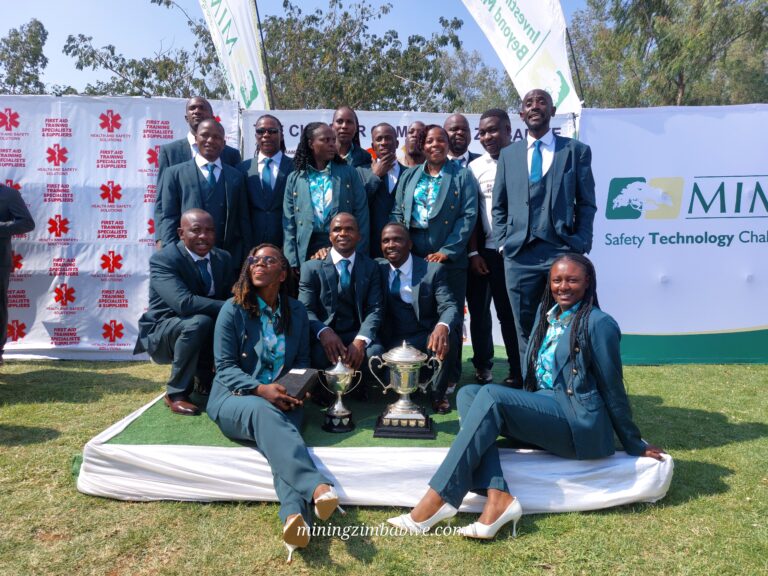
Zvishavane-based platinum miner Mimosa Mining Company (MMC) dominated the 2024 Chamber of Mines of Zimbabwe (CoMZ)’s First Aid National Competition Finals, with its First Aid teams claiming the top spot in both the Underground and Surface mining categories.

By Ryan Chigoche

The winners were also the hosts of the national event, which has been held since the early 1800s. The competition was born out of a drive to eliminate injuries in the industry and, for the second year in a row, was dominated by platinum miners, who took the top three positions.

With Mimosa claiming first place in the underground category, fellow platinum miners Zimplats Bimha and Zimplats Mupani secured second and third places, respectively, in a fiercely contested competition.

This year’s finals featured a total of ten teams from the Northern and Southern regions. Apart from the top three winners in the Underground category, other participating teams included Fredda Rebecca Mine, Ayrshire Mine, Shamva Mine, Hwange Colliery, Old Nic Mine, Zimbabwe School of Mines, and BMC How Mine.

In the Surface competition, there were also ten participants. Zimbabwe Consolidated Diamond Company (ZCDC) fielded three teams, with ZCDC Chimanimani clinching third place overall and ZCDC Chiadzwa taking second. ZCDC Chimanimani Processing fell short, finishing fourth, while the host Mimosa took first place.

Speaking at the event, Mimosa General Manager Engineer Stephen Ndiyamba praised the mining companies for their continued investment in safety.

“Hosting the competition provides an opportunity for mining companies to demonstrate their preparedness in the case of an incident. The mining industry is laden with risks, hence the importance of this event, which also shows that miners are investing not only in prevention but also in first responders,” Ndiyamba said.

There were also individual awards for the first aiders. The award for Underground Best Male Patient went to Simbarashe Chikwava of Mimosa, while Stellia Mazezewa was named Best Female Patient.

The Best Male First Aider award went to Luke Zvinavashe of Zimplats Bimha. Smart Amon of Ayrshire Mine was awarded Best Underground First Aider Team Captain.

The chief judge noted that all participating teams displayed good teamwork and wound management. The team captains were praised for their delegation and leadership skills.

However, the judge pointed out that lifting techniques, diagnosis, and the management of the deceased were areas where all teams could improve.

Official gold buying prices per gram in Zimbabwe today

0

These are the official gold buying prices per gram in Zimbabwe today 27 September 2024, from the official gold buyer and exporter Fidelity Gold Refinery (FGR).

SG 90% and ABOVE US$80.93/g
SG ABOVE 85% BUT BELOW 90% US$80.07g
SG ABOVE 80% BUT BELOW 85% US$79.21/g
SG ABOVE 75% BUT BELOW 80% US$78.36/g
SAMPLE BELOW 10g BUT ABOVE 5g US$77.07/g

Fire Assay CASH $81.35/g

NB: Fire Assay cash price is for gold above 100gs, no sample is deducted.
For the Fire Assay Transfer price, a sample of not more than 10g is deducted
A 2% royalty is charged on all deposits (Small-scale miners)
A 5% royalty is set for Primary Producers

Cash available. Fidelity Gold Refinery prices will be changing daily to match world market prices.

Africa Poised to Strategically Lead Global Diamond Industry

0

The African diamond mining industry is poised for significant growth, with African producers aiming to consolidate their influence in the global market.

By Rudairo Mapuranga

Speaking to Mining Zimbabwe, the Minister of Mines and Mining Development, the current African Diamond Producers Association (ADPA) Chairman, Hon. Winston Chitando, said Africa has vast potential to be a major player in the global diamond industry.

“Regarding the outlook for the diamond mining industry in Africa, we recognize Africa’s massive potential in this sector. This is why African producers aim to unite and be a significant voice in the global diamond market. However, the main challenge Africa faces is price setting,” Minister Chitando said.

He noted that countries like Botswana and Angola market their diamonds differently, making it difficult to form a unified African approach.

“Each country has its own marketing strategies tailored to its specific needs. For instance, Botswana and Angola have different structures for marketing their diamonds, which makes it difficult to establish a unified African marketing strategy due to the varying circumstances of each country,” Minister Chitando explained.

Despite these challenges, Minister Chitando remains optimistic about Africa’s future in the diamond sector, stressing that collaboration is key.

He emphasized that Africa, with its vast reserves, could become a global force, but only if countries work together to streamline operations and enhance their diamond beneficiation strategies.

According to Chitando, Zimbabwe, in particular, is committed to maximizing the value of its diamonds through local cutting and polishing initiatives, ensuring that more of the wealth generated from diamonds remains in the country.

Minister Chitando further noted that establishing Africa as a significant market for diamonds remains difficult due to the dominance of markets like the United States, which currently accounts for the largest portion of global diamond sales.

“As for whether Africa could become a market for diamonds, that’s challenging because the largest market currently is the United States. Establishing a significant diamond market in Africa would require a strong marketing strategy over a considerable period, coupled with substantial buying power from local consumers,” Chitando said.

There is a need for African countries not only to produce diamonds but also to create demand within their local economies. Zimbabwe, under the leadership of Hon. Chitando, has been making strides to ensure that diamond mining benefits the country holistically. Through policies that encourage beneficiation, such as local diamond cutting and polishing, Zimbabwe seeks to increase the value of its diamond exports and retain more revenue from the industry. These efforts align with the broader vision of African diamond-producing nations, which aim to ensure that the continent’s rich resources are used for the development and economic empowerment of its people.

Africa’s diamond industry continues to face obstacles, such as fragmented marketing strategies and the challenge of developing local markets. However, with leaders like Hon. Chitando spearheading initiatives to maximize value and encourage collaboration, the future looks promising for Africa to become a more influential player in the global diamond sector. As Zimbabwe dedicates itself to creating value through local beneficiation, other African nations may follow suit, increasing the continent’s share in global diamond profits.

Kuvimba Partners with Chinese Firms for Sandawana, No Equity Stake for Chinese Firms

0

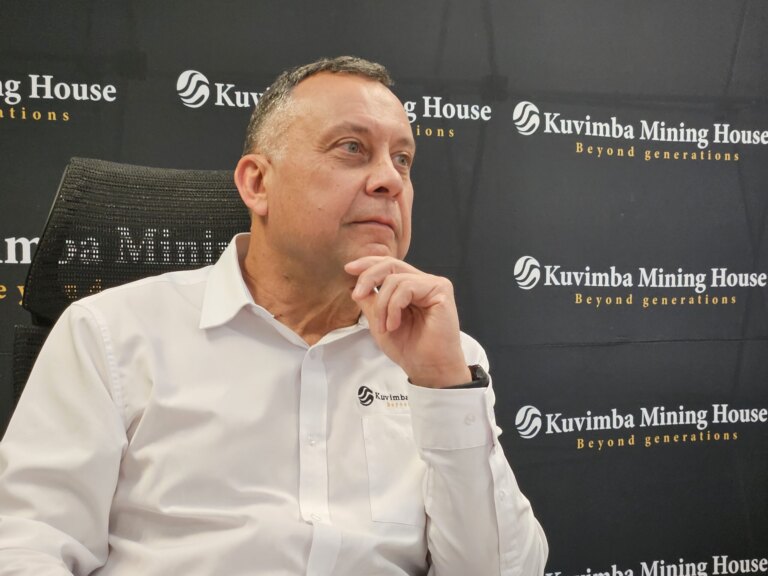
Kuvimba Mining House (KMH), owned by Zimbabwe’s Mutapa Investment Fund, has partnered with Chinese firms Zhejiang Huayou Cobalt Co. and Tsingshan Holding Group Co. to develop the Sandawana lithium project.

By Rudairo Mapuranga

Notably, the two Chinese companies will not hold equity in the project but will transfer ownership back to Kuvimba after recouping their investment over a minimum of five years. This unique partnership, despite low lithium prices, is poised to position Zimbabwe as a key global player in lithium production.

The Chinese firms, which already have lithium operations in Zimbabwe, are collaborating with Kuvimba on a study to finalize the construction of a mine and processing plant at Sandawana, located in southern Zimbabwe.

These companies, already operating lithium projects in Zimbabwe, will work with Kuvimba to conduct a comprehensive study before moving forward with the construction of the mine and processing plant at Sandawana. Trevor Barnard, acting CEO of Kuvimba, confirmed that this partnership, first announced in July, is part of Zimbabwe’s ongoing efforts to capitalize on its rich lithium deposits, despite challenging market conditions.

The project is estimated to cost between $250 million and $300 million, with the aim of producing about 500,000 tons of lithium concentrate annually. According to Barnard, a full feasibility study, expected to be completed in the coming months, will finalize the project’s cost and output capacity. He emphasized that while lithium prices have dropped sharply since late 2022, Kuvimba’s projections show that the venture will remain profitable even at current price levels, with expectations of a strong price recovery by 2026.

Zimbabwe has rapidly emerged as a key player in the global lithium market, driven by a surge in investments from Chinese companies, including Huayou and Tsingshan. A Huayou subsidiary has already invested more than $700 million in the Arcadia lithium project, while Tsingshan has developed a smaller project in Gwanda. Zimbabwe is expected to account for about 10% of global lithium supply this year.

The Sandawana lithium project, formerly the site of an emerald mine operated by Rio Tinto Plc, is set to become Zimbabwe’s largest lithium producer. Kuvimba plans to complete the construction of the lithium processing plant by the end of 2025. Additionally, Kuvimba is in discussions with other investors for two earlier-stage projects at Sandawana that require further exploration.

As global demand for battery metals continues to grow, Kuvimba’s partnership with Huayou and Tsingshan positions Zimbabwe as a major player in the global lithium supply chain.

Zimbabwe Gold buying prices per gram 26 September 2024

0

These are the official gold buying prices per gram in Zimbabwe today, from the official gold buyer and exporter Fidelity Gold Refinery (FGR).

SG 90% and ABOVE US$80.86/g
SG ABOVE 85% BUT BELOW 90% US$80.00g
SG ABOVE 80% BUT BELOW 85% US$79.14/g
SG ABOVE 75% BUT BELOW 80% US$78.29/g
SAMPLE BELOW 10g BUT ABOVE 5g US$77.01/g

Fire Assay CASH $81.28/g

NB: Fire Assay cash price is for gold above 100gs, no sample is deducted.
For the Fire Assay Transfer price, a sample of not more than 10g is deducted
A 2% royalty is charged on all deposits (Small-scale miners)
A 5% royalty is set for Primary Producers

Cash available. Fidelity Gold Refinery prices will be changing daily to match world market prices.

ALROSA to Launch ASM SDS in Q1 2025, but Plan Hinges on Government Approval

0

Russian natural diamond giant ALROSA is expected to launch the Sustainable Diamond Standards (SDS) among African Diamond Producers Association (ADPA) members early next year, pending unilateral approval from ADPA member states, Mining Zimbabwe can report.

By Ryan Chigoche

This was revealed by ALROSA at the ongoing SDS workshop in Harare, where the company also expressed eagerness to involve Artisanal Small-Scale Miners (ASM) through a similar pilot survey of the SDS, as they did with industrial miners earlier this year.

Earlier this year, ALROSA, through a third party, conducted a pilot survey on ADPA members’ industrial mines to assess how they could implement the SDS.

The SDS aims to establish a framework that prioritizes ethical sourcing and transparency, addressing concerns that have fueled scepticism and regulatory actions. By implementing rigorous standards, the SDS enhances the traceability of diamonds from mine to market, ensuring that consumers can confidently purchase products adhering to ethical practices.

ASM miners are responsible for a significant portion of diamond production among ADPA member states.

Speaking at the ongoing workshop, ALROSA’s Head of International Relations, Peter Karakchiev, stated that they have plans to involve ASM miners, but the success of this initiative depends on the efforts of the Zimbabwean government and other ADPA countries to engage the ASM sector, which represents the majority of diamond production in the region.

“Through the industrial pilot survey we conducted, we raised funds to educate ASM representatives on how to implement the minimum standards of the SDS, helping them make their operations safer from environmental, health, and safety perspectives, while also meeting all the self-assessment criteria.”

“This tool can be quite effective, ensuring that all ADPA members are included in the process, and no one is excluded. Other standards tend to overlook ASM, which is absolutely not correct,” Karakchiev added.

“The model we are presenting to ADPA and its member countries should be inclusive of ASM. However, we need collaboration from the relevant ministries in ADPA countries to reach out to the ASM sector. The first step is education,” he emphasized.

A key aspect of the SDS is its focus on responsible sourcing, including comprehensive auditing and compliance measures for mining companies. By requiring companies to maintain detailed records and undergo regular assessments, the SDS provides a structured approach to verifying the legitimacy of diamond origins. This transparency is designed to counter claims that the diamond industry is complicit in funding conflict or engaging in unethical practices.

The SDS addresses a wide range of critical issues, including environmental impact, community engagement, labour rights, and anti-corruption measures. By tackling these key areas, the initiative aims to enhance transparency and accountability across the entire supply chain, from exploration and mining to trading.

ESG Compliance Crucial for Attracting Investment in Zimbabwe – ZELA

0

Large and medium-scale miners in Zimbabwe must comply with both national and international responsible mining practices to attract significant investment and ensure that minerals are not flagged on the international market, Mining Zimbabwe can report.

By Rudairo Mapuranga

Speaking at a Zimbabwe Environmental Law Association (ZELA) Media workshop on responsible mining and sustainability reporting in Kadoma on Tuesday, Tafara Chiremba emphasized the importance of Environmental, Social, and Governance (ESG) standards in fostering long-term benefits for the government, mining companies, and surrounding communities.

“It is important for mining companies to have standard ESG reports because it helps them attract the right investment, secure markets, and maintain their social license to operate,” Chiremba stated.

ESG reporting is increasingly vital for Zimbabwe’s mining sector, with adherence to global standards like the Global Reporting Initiative (GRI), the Initiative for Responsible Mining Assurance (IRMA), and the Extractive Industries Transparency Initiative (EITI) becoming essential. These frameworks promote ethical practices, environmental protection, and community development, ensuring that Zimbabwe’s minerals meet international sustainability expectations.

Proper ESG compliance also helps mitigate the risk of reputational damage, ensuring that Zimbabwean minerals are not blacklisted in global markets where responsible sourcing is prioritized. Furthermore, it positions companies to be more competitive, attracts favourable investment, and drive sustainable growth in the sector.

In a world increasingly focused on sustainability, adopting ESG standards is not just a responsibility but a strategic necessity for Zimbabwe’s mining firms to thrive globally.

Fidelity Gold Price Breaches the US$80/g Mark

0

Today, Fidelity Gold Refinery (FGR) gold prices breached the US$80 per gram mark today, the highest price ever paid for bullion, Mining Zimbabwe can report.

By Ryan Chigoche

The FGR bullion price has been hovering between US$70 to US$78 per gram for some time, failing to breach the US$80 per gram mark. However, this new FGR price benchmark is expected to further increase gold deliveries to the country’s gold buyer.

After reaching a historic level of US$2,480 per ounce last July, the price of gold set a new record at US$2,530 (US$90 per gram) on August 20 on the global market. Since the end of 2019, the price of gold has increased by 73%, as in late October 2019, an ounce cost US$1,459.

With this new gold price, FGR has closed the gap with global market prices, which have been on a bull run, attributed to heightened demand for safe-haven assets.

The increase in the FGR price will most likely encourage gold deliveries, which were down 2.7%, with purchases amounting to 3,400.34 kg, as small-scale miners continued their recovery in gold deliveries.

Although there was a dip in deliveries to the state entity in August, the figures represented a significant increase of 37.12% from the 2,479.78 kg achieved in August of the previous year.

In terms of deliveries, small-scale miners have maintained their output over the past three months despite fluctuations in large-scale mining activities. As of August, small-scale deliveries were up 1.27% to 2,373.05 kg, a new nine-month high, as government-led mobilisation efforts continue to pay off, coupled with an improved payment regime from Fidelity. These deliveries made up 69.79% of the August monthly total.

While Zimbabwe has not been able to fully capitalise on the rally in global prices to significantly boost its earnings, gold is expected to contribute to next year’s projected economic growth of 6%, alongside lithium, iron and steel production, and a rebound in agriculture.

The gold sector is already a major contributor to Zimbabwe’s economy, accounting for about 40% of the country’s total export earnings.

AMMZ to Host Technical Visit and AGMs at Blanket Mine

0

The Association of Mine Managers of Zimbabwe (AMMZ) is set to host a joint technical visit to Blanket Mine, along with its Annual General Meetings (AGMs), from November 21st to 24th, 2024, at the Holiday Inn Hotel in Bulawayo.

By Patricia Rwafa

This visit offers a unique opportunity for members to gain firsthand insights into the operations and innovations at one of Zimbabwe’s premier mining sites.

Announcing on its LinkedIn, X, and Facebook pages, AMMZ, also known as the technical arm of the Zimbabwe mining industry, stated that members wishing to attend should register by November 21st.

“Members wishing to participate in this prestigious event can register using the QR code provided in the flyer or the link below:”

https://lnkd.in/dTwGvKr5

The visit aims to provide a comprehensive understanding of the challenges and successes in modern mining operations, covering the latest technological advancements, environmental sustainability initiatives, and workforce development strategies.

Participants will have the chance to learn directly from industry experts and gain valuable insights into the future of mining in Zimbabwe.

In addition, attendees will have an exclusive opportunity to network with seasoned professionals leading Zimbabwe’s large-scale mining operations, gaining insights into the industry’s challenges and achievements.

AMMZ highlights the critical role of such visits in developing mining professionals and fostering knowledge sharing among its members. Direct exposure to Blanket Mine operations will allow members to enhance their technical skills and implement proven strategies in their respective areas.

The association encourages all interested members to utilise this opportunity to network with peers and industry leaders while expanding their technical expertise.

To further enhance the experience, both AMMZ and the Chamber of Mines have invited their members to attend the upcoming AGMs.

Program Overview:

Day 1:

  1. Technical Visit at Blanket Mine
  2. Registration at Holiday Inn
  3. AMMZ SHE Awards – Cocktail Evening

Day 2:

  1. Conference and Presentations
  2. AMMZ AGM – Closed Door
  3. President’s Dinner

Day 3:

  1. Golf at BCC
  2. Evening Dinner at BCC