Home Blog Page 186

Zimbabwe gold buying prices per gram 14 August 2024

Fidelity Gold Refinery (FGR) official gold buying prices/ gram. See the Zimbabwe gold buying prices per gram today 14 August 2024.

SG 90% and ABOVE US$75.09/g
SG ABOVE 85% BUT BELOW 90% US$74.29g
SG ABOVE 80% BUT BELOW 85% US$73.50/g
SG ABOVE 75% BUT BELOW 80% US$72.70/g
SAMPLE BELOW 10g BUT ABOVE 5g US$71.51g

Fire Assay CASH $75.48/g

NB: Fire Assay cash price is for gold above 100gs, no sample is deducted.
For the Fire Assay Transfer price, a sample of not more than 10g is deducted
A 2% royalty is charged on all deposits (Small-scale miners)
A 5% royalty is set for Primary Producers

Cash available. Fidelity Gold Refinery prices will be changing daily to match world market prices.

Premier Confident in Keeping Lithium Production Costs Under $750 Per Ton

0

Premier African Minerals Limited has expressed confidence that the all-in projected cost for producing spodumene concentrate (SC6) at its Zulu Lithium project will remain under US$750 per ton, delivered to China, including all administrative and overhead costs.

By Rudairo Mapuranga

According to Premier African Minerals CEO George Roach, this cost estimation is based on the Zulu Plant reaching an output level of 4,000 tons per month.

He emphasized that these projections do not account for potential additional revenue streams, such as tantalum recovery or further expansions of the plant’s flotation section.

“Premier would like to take this opportunity to remind shareholders that Premier’s internal estimate (including Zulu) of the all-in projected cost, which has not been independently verified, on a delivered-China-port basis, inclusive of all administrative and overhead costs, is less than US$750 per ton SC6 when plant output reaches 4,000 tons per month,” Roach said.

He further clarified that the cost per ton excludes several factors: “This cost excludes any recovery of tantalum, a potential double expansion of the flotation section of the plant based on the over-capacity in the comminution circuit, potential from high-purity quartz, and the potential in the additional claims established in the EPO region.”

Additionally, Premier confirmed the robustness of the flotation units supplied by ENPROTEC, which are crucial to achieving the desired SC6 grade. The plant has already successfully produced a spodumene concentrate with a lithium oxide (Li2O) content of 6.2%, surpassing the standard SC6 specification.

The suppliers are committed to fine-tuning the plant to consistently achieve the required grade and recovery rates at the target output. These adjustments, which will first be tested on a laboratory scale, include changes to reagent dosing points, agitation speeds, flow rates, slurry densities, and cell residence times. Premier does not anticipate the need for additional plant or equipment at this time.

Zimplats Resumes Expansion Plans, Progresses on Refinery Development

0

The country’s largest PGMs miner, Zimplats, has resumed its expansion plans, as it works to bring the refining stage to Zimbabwe—a significant step forward in beneficiation.

By Ryan Chigoche

This development comes as the sector anticipates rising and stabilizing prices.

Last year, the miner temporarily halted its expansion plans when platinum prices fell sharply, forcing miners in Zimbabwe to delay their projects. For Zimplats, this meant postponing key initiatives under a US$1.8 billion investment plan and reducing its workforce.

From mining the ore underground, the rock is taken through a concentrator, where only 3% of the material is recovered, with 97% discarded. The concentrate is then processed in a furnace to remove further waste. It is then sent to a converter for additional purification. At Zimplats, this is where their process currently ends, after which the material is exported for refining.

While addressing delegates of the SADC Industrialisation tour at the mines, Managing Director Segula revealed that they have resumed expansion efforts, working on a much larger smelter to bring the refining stage to Zimbabwe, highlighting the company’s growth.

“We are undergoing expansion. We are growing the business. I also need to mention that we are in the process of developing a smelter three times the size of our current one. This is yet another sign that the business is expanding and growing. This year, the value chain is focused on value addition, particularly at the refining stage, where the component metals are separated,” Segula said.

“But at Zimplats, we are currently in the midst of an investment to bring the first stage of refining to Zimbabwe as we advance in terms of value addition,” Segula added.

Zimplats is the largest PGM miner in the country, producing a total of 10 metals across its five mines in Zimbabwe.

During the Zimplats tour, Deputy Minister of Industry and Commerce Rajeshkumar Modi expressed his admiration for the company’s efforts in enhancing industrialization and growth, as well as its community development initiatives.

“You are doing very well. I’m especially impressed by the work you are doing for the community. You have significantly developed the communities of Ngezi, which is commendable, unlike some miners who exploit resources while damaging the environment without providing any benefits to the communities where they operate,” Modi said.

Zimplats has made substantial investments in education, skills development, health, and infrastructure, including schools, roads, and other community projects.

The company has established dairy and agricultural projects, with some exporting to the region.

Zimplats has also partnered with the government to promote industrialization and support local enterprises. Currently, 23 companies owned by indigenous players have been capacitated and developed by Zimplats.

To date, Zimplats continues to support these companies by providing a stable market for their services, benefiting approximately 3,400 employees.

After taking over from BHP in 1999, Zimplats started with a 30% shareholding, which has since increased to 87%. The company is currently implementing cutting-edge technologies at its Mupani mine.

Zimplats began operations in Ngezi with open-pit mining, as opposed to the underground operations in Selous. After achieving success in Ngezi, they embarked on a significant expansion drive through two major phases.

The first phase produced 4.2 million tons per annum, followed by a second phase producing 6.2 million tons per annum. Currently, Zimplats is producing 7.9 million tons per annum.

The company operates five mines and three concentrators, which together process around 4.9 million tons per annum. Additionally, the Selous infrastructure houses another concentrator with a capacity of 2.2 million tons per annum.

As part of its expansion efforts, Zimplats is upgrading all its mines. The company recently commissioned its third concentrator plant and is expanding and extending the lives of its tailing storage facilities.

“These are major investments that we are undertaking. In terms of growth, we are expanding the smelter, which I mentioned earlier, to establish one of the largest smelters in the country,” Segula said.

He added that they aim to make Zimbabwe one of the few countries with the largest smelters in the region.


Insights on the Zimplats’ 35MW Solar Plant

0

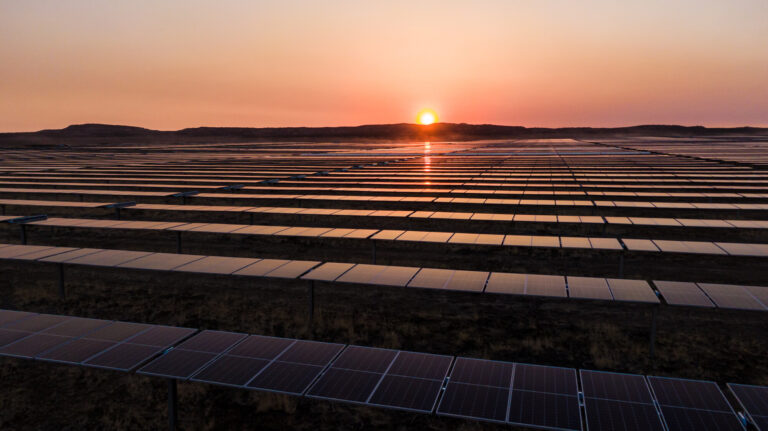
Zimplats, Zimbabwe’s leading platinum group metals (PGMs) producer, is making significant strides toward sustainability with its 35-megawatt solar farm at the Selous Metallurgical Complex.

By Ryan Chigoche

This project marks the first phase of a larger 185 MW solar initiative, valued at US$201 million. With power supply being a critical concern for mining companies—who lost up to 17 hours of production daily due to load shedding—the new solar facility aims to alleviate some of these challenges. Although recent additions like the Hwange power plant have eased the crisis, demand still outpaces supply as mining operations expand and new projects emerge.

The initial phase of the solar plant will cost US$37 million out of the total US$201 million, with full completion expected by 2027. Here is a brief overview of the key components and technologies involved in this advanced solar facility.

Core System and Infrastructure

The solar plant’s backbone is its SCADA (Supervisory Control and Data Acquisition) system, which oversees and manages the plant’s operations to ensure efficiency and smooth functioning. Complementing this, the switchgear features protection facilities that safeguard the equipment from potential damage.

The power generated at the plant is stepped up from 33 kV to 132 kV by a transformer, enabling long-distance transmission and integration into the national grid.

Design and Terrain Adaptation

The Selous site presents unique challenges due to its undulating terrain. To address this, solar panels are oriented north-south to maximize solar exposure. Accurate topographical surveys ensure that panels are installed at optimal angles and elevations to capture the maximum amount of sunlight.

Tracking Technology

The plant utilizes a single-axis tracking system to enhance energy generation. This technology allows the panels to rotate and follow the sun from sunrise to sunset, optimizing power production throughout the day. Although dual-axis tracking systems—which adjust both horizontally and vertically—could offer additional efficiency, they are more expensive and less practical for this project.

Energy Storage and Technological Advancements

The plant’s design incorporates energy storage solutions to maintain power generation during periods of low sunlight. Zimplats is also monitoring advancements in battery technology to evaluate its economic viability for future projects.

Solar technology is rapidly evolving. Initially, the panels used in this project produced 550 watts per panel, but newer models now offer up to 640 watts per panel. Despite the availability of panels exceeding 750 watts, Zimplats is adopting a cautious approach to ensure reliability and performance.

Construction and Local Impact

The installation process involved over 10,000 stanchions, each designed and positioned based on geotechnical conditions. Hydraulic machines were used to secure these stanchions, some extending up to 2.5 meters into the ground. Computer-aided modeling was employed to ensure precise placement and stability.

Significantly, all contractors working on the solar plant are local, reflecting Zimplats’ commitment to social responsibility and community support.

Benefits and Future Outlook

As a utility-scale facility, the solar plant is expected to offer numerous benefits, including feeding excess power into the national grid during the night and contributing to grid stability. This project underscores Zimplats’ dedication to sustainability and innovation in the energy sector.

The Zimplats solar plant represents a major technological and environmental milestone, setting a precedent for future renewable energy projects in the region. As Zimplats continues to explore advancements in solar technology and energy storage, it remains at the forefront of sustainable industrial practices.

This solar initiative is part of Zimplats’ broader US$1.8 billion expansion plan, which includes the development and upgrade of two new mines.

According to Zimplats Managing Director Stanley Segula, the company is currently in the process of finalizing the construction of this 35-megawatt solar plant, which will eventually expand to 185 megawatts in the second phase.

Gold Deliveries Surge by Over 33% in July, Driven by ASM

0

Gold deliveries to Zimbabwe’s sole operating gold buyer and exporter, Fidelity Gold Refinery (FGR), experienced a substantial increase of approximately 33.5 per cent in July 2024 compared to the previous month of June, Mining Zimbabwe can report.

By Rudairo Mapuranga

According to FGR delivery statistics, the overall gold deliveries from both artisanal and small-scale miners (ASM) and large-scale miners (LSM) surged from 2,618.3845 kg in June to 3,495.0803 kg in July.

Deliveries by ASM recorded a significant increase of approximately 44.8 per cent, rising from 1,618.5140 kg in June to 2,343.3086 kg in July. This sharp rise underscores the continued dominance of small-scale miners in the nation’s gold production.

Large-scale miners also contributed positively to the monthly growth, with their deliveries increasing by 15.2 per cent, from 999.8705 kg in June to 1,151.7717 kg in July.

In July 2024, ASM accounted for approximately 67 per cent of the total gold deliveries, compared to LSM’s 33 per cent, highlighting the critical role of small-scale miners in Zimbabwe’s gold sector.

This latest increase follows a strong performance in the second quarter of 2024, where gold deliveries surged by over 28 per cent compared to the first quarter. The total gold delivered in the second quarter amounted to 7,739.4241 kg, up from 6,044.8689 kg in the first quarter.

The significant rise in deliveries during the second quarter was largely driven by ASM, which delivered 4,515.1660 kg, representing a 55.6 per cent increase from their first-quarter deliveries. Large-scale miners also contributed to the overall increase and saw a more modest rise in their deliveries, which grew by 2.6 per cent to 3,224.2581 kg.

Despite a minor decline in production from May to June 2024, the gold sector remains robust, with small-scale miners playing a pivotal role in driving growth. The performance in July marks a continuation of this trend, reinforcing the importance of ASM and LSM in sustaining Zimbabwe’s gold production and economic stability.

Gold deliveries in 2023 had declined by 15 per cent due to challenges like rising costs, power shortages, and government currency policies. However, the strong rebound in 2024 suggests a recovery driven by improved mining conditions and increased contributions from small-scale miners. As the year progresses, the sector appears poised for further growth, particularly if the challenges faced in 2023 continue to be addressed.

Incentivizing Local ASM Can Improve Production – Mkaratigwa

0

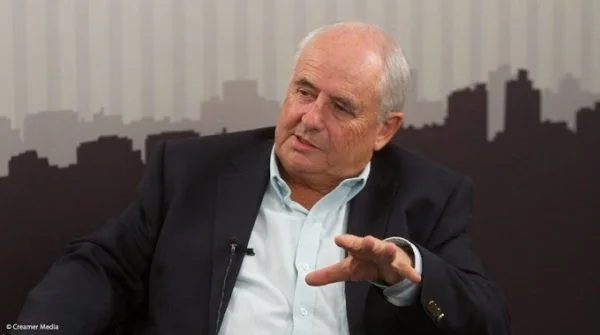
Incentivizing Artisanal and Small-scale Miners (ASM) who consistently produce and demonstrate a strong desire to enhance and expand their operations is crucial for the growth of the mining sector, according to the former Chairman of the Parliamentary Portfolio Committee on Mines and Mining Development, Eng. Edmond Mkaratigwa.

By Rudairo Mapuranga

Speaking to Mining Zimbabwe, Eng. Mkaratigwa emphasized that providing incentives to consistent ASM operators while fostering their growth through better organization can significantly contribute to making them the leading producers of various minerals beyond gold.

Mkaratigwa also highlighted the importance of implementing a computerized cadastre system to minimize conflicts within the sector. This could lead to a more organized mining industry capable of evolving into world-class operations.

“What remains critical, as has been the case for some time, is adopting a more predictable approach to allocating mining rights. This involves the precise implementation of the cadastre system to reduce overlaps, conflicts, and unnecessary production downtimes. This is both vital and urgent.

“In our context, while the computerized cadastre system is an essential aspect, its rollout has been slow. Continued funding support for capitalizing and equipping miners, moving them away from rudimentary methods and processes, is also crucial. Additionally, offering incentives to those who are loyal and productive, while making them more organized, can aid in developing their expertise and skills, among other benefits,” Mkaratigwa said.

Zimbabwe gold buying prices per gram 9 August 2024

Fidelity Gold Refinery (FGR) official gold buying prices/ gram. See the Zimbabwe gold buying prices per gram today 9 August 2024.

SG 90% and ABOVE US$73.26/g
SG ABOVE 85% BUT BELOW 90% US$72.49g
SG ABOVE 80% BUT BELOW 85% US$71.71/g
SG ABOVE 75% BUT BELOW 80% US$70.93/g
SAMPLE BELOW 10g BUT ABOVE 5g US$69.77g

Fire Assay CASH $73.65/g

NB: Fire Assay cash price is for gold above 100gs, no sample is deducted.
For the Fire Assay Transfer price, a sample of not more than 10g is deducted
A 2% royalty is charged on all deposits (Small-scale miners)
A 5% royalty is set for Primary Producers

Cash available. Fidelity Gold Refinery prices will be changing daily to match world market prices.

MMCZ Mulls Export Exemption Certificates for Gemstone Miners

0

The Minerals Marketing Corporation of Zimbabwe (MMCZ) is actively pursuing the introduction of Exemption Certificates for gemstone exporters, a development that will provide semi-precious mineral miners with more market options while enabling the government to increase accountability for minerals leaving the country.

By Ryan Chigoche

Currently, gemstone miners can only legally sell to MMCZ and its sub-agents, with export regulations being very restrictive. This has created opportunities for foreign buyers who purchase the stones cheaply and then smuggle them out of the country, a situation that benefits neither the miners nor the government.

Zimbabwe maintains stringent controls over its mineral exports to ensure adherence to local laws and to maximize revenue from its extensive natural resources. However, the current export regulations present significant challenges for gemstone miners, often hindering them from legally selling their products outside Zimbabwe. This illicit activity not only damages the local economy but also results in substantial revenue losses for the government.

In an effort to provide gemstone miners with market options while also accounting for the gemstones leaving the country, MMCZ recently announced in Mashonaland West that they will be issuing Exemption Certificates. These certificates will allow miners to export gemstones valued at up to US$10,000 without needing to comply with the full range of export regulations.

“The introduction of an Exemption Certificate from compliance with export regulations will facilitate a more streamlined export process for specified semi-precious stones. An Exemption Certificate could be issued, waiving the need for an export permit and the associated Bills of Entry for export values equal to or less than US$10,000,” MMCZ stated.

“The MMCZ will issue these Exemption Certificates and will account to the Ministry of Mines and Mining Development, the Reserve Bank of Zimbabwe, and the Zimbabwe Revenue Authority (ZIMRA) to ensure compliance with the relevant statutes administered by these institutions,” the authority added.

The Ministry of Mines and Mining Development is responsible for setting policies and regulations, while the Reserve Bank of Zimbabwe (RBZ) issues export permits for all mining companies. The MMCZ, as the sole marketing and selling agent for most minerals (excluding gold and silver), ensures proper valuation and fair pricing. These regulations are designed to centralize oversight and prevent illicit trade, thereby enhancing the country’s ability to benefit from its mineral wealth. However, this has not been the case.

This initiative comes at a critical juncture, as MMCZ reported gemstone exports worth only US$200,000 in 2023. This figure suggests significant smuggling through unofficial channels, as it does not align with actual production levels in the region.

Through this measure, MMCZ aims to open up additional markets and curb smuggling, ultimately contributing to the growth of the local gemstone industry and maximizing economic benefits for Zimbabwe.

However, the authority did not provide clear timelines on when the certificates will be issued, though it comes as a relief to miners.

Zimbabwe has over 40 special coloured gemstones. Mashonaland West Province, where Karoi is situated, is home to several significant gemstone deposits that contribute to Zimbabwe’s rich mining heritage.

Global Economic Uncertainties Drive 14.6% Increase in Gold Exports in HY2024

0

Zimbabwe’s gold exports in the first six months of 2024 surged by 14.6% to US$970.4 million, up from US$846.6 million in the comparable period of the previous year, as bullion defied the trend of weakening prices that characterized the same period. This was largely due to its status as a “safe haven” for many economies.

By Ryan Chigoche

This development was confirmed by the Minister of Finance and Investment Promotion, Mthuli Ncube. Gold’s reputation as a “safe haven” asset plays a significant role in driving its demand, especially during times of economic uncertainty or financial market volatility.

As a result, Ncube said the increase in exports was due to surging prices driven by gold’s haven status. “The increase in gold exports in the first half of 2024 was largely driven by higher global gold prices, buoyed by safe-haven demand amidst prevailing global economic uncertainties,” Ncube said.

Ongoing conflicts, such as the war in Ukraine and tensions in the South China Sea, have heightened global uncertainty. These situations have driven investors to seek refuge in gold, pushing up demand as they look to protect their assets from the potential fallout of these conflicts.

The performance of gold defied the odds as the prices of many other minerals, particularly those in the PGMs sector, declined during the same period.

However, Ncube noted that the sector’s resilience, despite weakening commodity prices, was bolstered by new minerals like lithium and anticipated growth in output for nickel and chrome.

He added that without this support, the sector would have suffered significantly.

As a further boost to the sector, Ncube said the Ministry of Mines and Mining Development was allocated ZiG 36.7 million to support activities within the sector in the face of softening commodity prices.

“To support interventions in the sector, a total amount of ZiG 36.7 million, inclusive of employment costs, was disbursed during the first six months of 2024 to the Ministry of Mines and Mining Development. The sector also benefited from capacity-building initiatives by development partners amounting to US$177,478, aimed at enhancing transparency and accountability,” Ncube said.

ZMF Showcases Zimbabwe’s Gold Potential at China Gold Expo

0

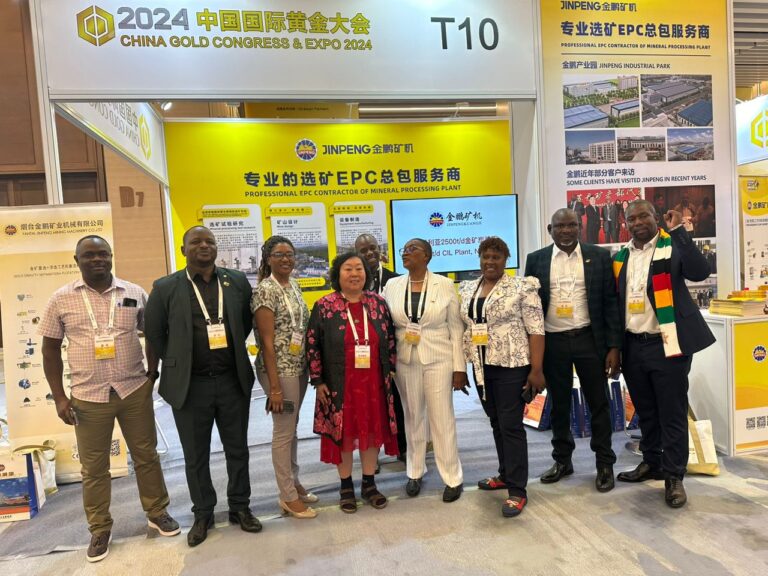
The Zimbabwe Miners Federation (ZMF) delegation, led by President Henrietta Rushwaya, made a significant impact at the China Gold Congress and Expo, successfully promoting Zimbabwe’s gold sector as a prime investment destination.

By Rudairo Mapuranga

Rushwaya was accompanied by key members of the ZMF executive, including Mashonaland West Province Chairman Timothy Chizuzu, Treasurer Johane Sithole, and Youth Secretary Eventhough Matimbe, who collectively represented the country’s vibrant small-scale mining sector.

Also present at the expo were Fidelity Gold Refinery (FGR) General Manager Peter Magaramombe and Head of Gold at Fidelity Gold Refinery Tavonga Siziba.

Rushwaya and the ZMF delegation emphasized that Zimbabwe is open for business, highlighting the nation’s vast gold reserves, favourable regulatory reforms, and attractive investment incentives. They positioned Zimbabwe as a country ripe with opportunities for local and international investors, underlining the Second Republic’s commitment to creating a conducive environment for investment.

During her speech titled “Unlocking Zimbabwe’s Gold Potential: Opportunities for Investment and Sustainable Development,” Rushwaya presented a compelling case for investing in Zimbabwe’s gold sector.

“Zimbabwe is endowed with rich and largely untapped gold reserves,” Rushwaya stated. “Our country is underexplored, with artisanal and small-scale miners, who often mine blindly, accounting for over 60% of gold deliveries to the country’s sole operating gold buyer and exporter, Fidelity Gold Refinery. This significant contribution underscores the untapped potential that awaits systematic exploration and investment.”

Rushwaya further assured potential investors of the Zimbabwean government’s commitment to creating a transparent and efficient mining sector.

“To create a more investor-friendly environment, Zimbabwe is undertaking significant regulatory reforms, including amendments to the Mines and Minerals Act, which will provide clear guidelines for foreign investors and protect their interests,” she said.

She also highlighted the wide range of incentives Zimbabwe offers to attract and retain investors, such as tax breaks, reduced royalties, and streamlined permitting processes. Rushwaya also emphasized the robust infrastructure development underway in Zimbabwe, which includes the construction of world-class roads, new railway lines, and upgrading airports.

“Our government is investing heavily in infrastructure to support mining activities, ensuring that investors have access to the expertise needed for successful ventures,” Rushwaya noted.

“Moreover, we are committed to sustainable mining practices that protect the environment and promote community development.”

Fidelity Gold Refinery, represented at the expo, also underscored its role in supporting the ASM sector, which accounted for approximately 67% of the total gold deliveries in July 2024. The presence of FGR alongside ZMF highlights the collaborative effort to elevate Zimbabwe’s position in the global gold market.