Home Blog Page 206

Zimbabwe gold buying prices per gram 30 May 2024

Fidelity Gold Refinery (FGR) official gold buying prices/ gram. See the Zimbabwe gold buying prices per gram today 30 May 2024.

SG 90% AND ABOVE US$71.19/g
SG ABOVE 85% BUT BELOW 90% US$70.44g
SG ABOVE 80% BUT BELOW 85% US$69.68/g
SG ABOVE 75% BUT BELOW 80% US$68.93/g
SAMPLE BELOW 10g BUT ABOVE 5g US$67.80/g

Fire Assay CASH $71.57/g

NB: Fire Assay cash price is for gold above 100gs, no sample is deducted.
For the Fire Assay Transfer price, a sample of not more than 10g is deducted
A 2% royalty is charged on all deposits (Small-scale miners)
A 5% royalty is set for Primary Producers

Cash available. Fidelity Gold Refinery prices will be changing daily to match world market prices.

Britain Determined to Invest in Zimbabwe’s Critical Minerals Sector

0

The British Embassy in Harare is intensifying efforts to strengthen trade relations with Zimbabwe, focusing particularly on the critical minerals sector.

Business writer

H. Cox, Head of Strategy and Engagement at the embassy, underscored this commitment during the Chamber of Mines Annual General Meeting and Conference’s critical minerals symposium held at Elephant Hills Hotel in Victoria Falls, emphasizing the potential for growth and collaboration between the two nations.

What Are Critical Minerals?

Critical minerals are essential elements required for high-tech applications, renewable energy technologies, and various industrial processes. These include lithium, cobalt, rare earth elements, and platinum group metals (PGMs), which are vital for manufacturing batteries, electric vehicles (EVs), wind turbines, and solar panels. These minerals play a crucial role in the global transition towards green energy, making them indispensable in combating climate change and achieving sustainable development.

Trade and Collaboration Between the UK and Zimbabwe

H. Cox highlighted the embassy’s strategic approach to enhancing trade ties with Zimbabwe.

“I lead our strategy and engagement team at the British Embassy in Harare. Our work covers a broad range of topics, but we’re particularly focused on increasing trade between the UK and Zimbabwe,” Cox stated. This focus is part of a broader mission to tap into Zimbabwe’s rich mineral resources and support its economic development.

Growing Trade and Preferential Access

The trade relationship between the UK and Zimbabwe has seen significant growth, thanks to a trade agreement that provides Zimbabwean exporters preferential access to the UK market.

“Last year, I’m pleased to say, trade between our countries grew by 67%. So, we’re moving in the right direction, but we see potential for much more, including in the area of critical minerals, which is what I’m here to speak to you about today,” Cox remarked.

Collaborations with Global Firms

The UK is already collaborating with major global mining firms such as BHP, Anglo-American, Barrick Gold, and Sandfire Resources. These partnerships aim to harness advanced technologies and best practices to explore and develop Zimbabwe’s mineral resources. Cox highlighted, “Masasa Infrastructure is using AI algorithms to accelerate roof development and power transmission lines, showcasing the innovative approaches being applied.”

Renewable Energy Initiatives

Cox also pointed to significant advancements in renewable energy projects in Zimbabwe. “I’m pleased to say Solar Century Africa, a UK company, recently signed an agreement with Dellaglio’s Eureka Gold Mine to build a seven-megawatt solar plant,” he noted. Such initiatives not only enhance energy security but also align with global efforts to reduce carbon emissions and promote sustainable energy sources.

Comprehensive Services by RSK Group

In addition to mining and renewable energy, the UK is providing extensive support services through firms like RSK Group. “RSK Group operates in over 40 countries and has a strong offer to the mining sector, including geophysical, hydrogeology, and ESG services,” Cox explained. The involvement of RSK Group underscores the UK’s commitment to ensuring that mining operations adhere to high environmental, social, and governance (ESG) standards.

PGM Future, Softening Prices, Resource Depletion, and Industrialization Highlighted at PGM Indaba

0

The afternoon session of the Chamber of Mines of Zimbabwe’s Annual General Meeting (AGM) 2024 witnessed a robust discussion on the future of the platinum group metals (PGM) industry.

Leading the plenary on “Update of PGMs Operations and Opportunities” were Alex Mhembere, CEO of Zimplats, Collin Chibafa, Chief Financial Officer of Unki Mines and Stephen Ndiyamba, General Manager of Mimosa Mining Company.

By Rudairo Mapuranga

The session commenced with a provocative question from the Deputy Minister of Finance and Investment Promotion, Hon. Kuda Mnangagwa, setting the stage for a comprehensive discourse on resource sustainability, market dynamics, and industrialization opportunities in the PGM sector.

Zimbabwe’s PGM Resource Longevity

Kuda Mnangagwa raised a critical concern regarding the longevity of Zimbabwe’s PGM resources

“I wanted us to put it more in a Zimbabwean context, and it will help the policymakers, especially on the fiscal side. When we talk of the estimated resource or the proven resource in the PGMs industry, I’ve been informed, or maybe misinformed, that if 40 years from now I am sitting in Senate, we might be debating a budget that excludes PGMs because the resources are limited. The resources will be exhausted. In a Zimbabwean context, what is the PGM industry looking like in terms of how long we are going to be mining platinum? It’s a key anchor in the economy in terms of forex reserves, in terms of earnings as well. That will inform, I guess, on policy, on whether you go to a friendly Commissioner General and Minister of Finance, or if they will be frowning a bit. I thank you.”

RJ Coetzee of SFA Oxford responded, emphasizing the underexploited nature of the Great Dyke’s PGM resources.

“Yes, thank you for the question. I think I’m the wrong person to answer it because I’m sitting with the most important people in your industry at the table, and they’ll have a much more intimate view. The short answer is yes, there will still be PGMs on the Great Dyke in 40 years from now. It is mostly underexploited as it stands now. I think I’ll leave it at that. With any new mining decision, you need a life of mine of at least 20 to 25 years anyway to make the decision.”

Alex Mhembere added, “I think the issue is not whether we would have a mine. It’s whether we would have conditions that promote mining in 40 years’ time. That is very critical. We may have mineral resources underground, but certainly, the issue is for us to develop and establish the capacity or the environment that allows us to mine, whether a foreign investor or not. That is very critical in my view. In terms of resources, we do have them. As simple as we are, we still have one more area to exploit before we exhaust. But even in the mines that we have developed, we will still be able to mine for at least the next 20 to 30 years. Our production will be coming down, but it will still be there in the next 20 to 30 years. And I think it’s the same for the other operators. And I do know some of our friends are starting their green projects now, GDI, Bravura, and others. So they certainly have lots of resources for the country to be producing PGMs.”

Stephen Ndiyamba concurred, stating, “So I think, as he rightly says, it seems like it’s not a question of the resource. It’s a question of how do we appropriately exploit that resource so that we get optimal value from it.”

Market Dynamics and Future Demand

Collin Chibafa addressed the crucial issue of future demand for PGMs, highlighting a significant risk related to the market’s shift towards electric vehicles.

“I think it’s important to add, will there be demand for PGMs 20 to 30 years from now? And that is one of the key risks we’re seeing, that two-thirds of our production goes into internal combustion engines in terms of limiting the production. So if you’re dealing with the emissions from your internal combustion engine, the market is moving towards battery electric vehicles. And the key question is, will we have uses for what we are producing? If there’s no demand for what we are producing, then yes, we might have the resource underground but we might not be able to exploit it or find someone to sell it to who would want to actually use it. So really, I think in this intervening period, we need to be able to mine, exploit, and then sell what we can while there’s demand for it, and to do so profitably.”

Abel Makura, President of the Association of Mine Managers of Zimbabwe (AMMZ), posed two pertinent questions to the PGM producers.

“I just have two short questions for the PGM producers. The first question that I have for them is, do they have any work that they are doing in terms of market research and intelligence, so that they are able to forecast the prices of our PGMs, like five years in advance, so that they already have strategies in advance on how to manage around the low prices, if they ever come, so that at the end of the day, it has minimum impact, especially on the workforce. Then the second quick question is, are they also engaging the government? Because if you look at Zimbabwe and South Africa, they are in the top three of the largest PGM producers in the world. So are they also engaging governments for assistance in terms of… So, for example, if they are having regulations that support the use of PGM-related products, like for example, the hydrogen fuel cell vehicles instead of the battery electric, like if they can… taxes that are higher or that are lower.”

Industrialization and Value Chains

Heresy Herry from Nedbank highlighted the finite nature of mining and stressed the importance of developing value chains and sub-industries to sustain future generations.

“I think what’s crystal clear based on the presentation by the PGM is that mining is a finite resource. The only thing that’s going to sustain our great-grandchildren are the value chains and the sub-industries that will create their farm. But I’ve been coming here for the last six to ten years, and I’ve never seen the Minister of Industry as part of this symposium. And the Minister, as we talked about creating a $12 billion industry, there must be a complementary document that gets us from the $12 billion that Isabella was talking about to the $7.3 trillion. Let’s take a cue on what’s happening in India, what’s right. They’ve got no diamonds to talk about, but they’ve been able to create an industry.”

Hon. Supa Mandiwadzira further elaborated on the need for industrialization and the importance of local value addition.

“I think it’s very interesting to see what we now understand and know about the platinum PGMs industry. But I think context is always important. It would have been better if they told us in the last five years how much did the three players make in terms of profits so we can understand whether the problems they are pointing out are because the market is deep or because of a lack of planning. And I think it’s related to the question the colleague has just asked here, where he’s saying, you know, we’re going to have to do this. You know, where is your projections, where is your forecasting in terms of pricing? The second point I need to make is RJ spoke about the fact that the industry is beginning to use much more greener PGM replacements, like recycling. And obviously, the concern is that we’re getting more and more EV vehicles, which means it’s a dying industry. And the concern the industry is raising is, you know, government is taking a lot of money. Shouldn’t the government be taking so much money from a dying industry anyway when the prices are still high enough for it to take that money?

“I also want to talk about the industrialization that the gentleman from Nedbank has just been talking about. The industry has made a lot of money, and we know these statistics that have been given here. What value chain industries have they created? I know they supported a lot of local people to be supplying into the platinum industry, but they import from South Africa, they import from China. Have they deliberately supported local manufacturing to replace these imports of the raw materials where they could now leverage some of the production that’s being made locally?

“And finally, I think somebody else spoke about talking to contractors to reduce their costs by 10%. I like this concept. I hope it also works the flip side. When the prices are high and they’re making money, they give incentives to the contractors for more money. Because it does appear, only when they’re in a crisis, does the industry come and cry and say, you know, you are sub-buying us, reduce your price. You know, the government, reduce your tax. When they are making more money, there’s no point where they say, you need to earn more money from us. We’re making more money. Increase your tax. It has to be fair at some point.”

Market Research and Planning

RJ Coetzee provided insight into the market research and planning efforts undertaken by the PGM industry. “Let’s get going. So the gist is, do producers have forecasts and where’s the market development? Yes, there are forecasts. Each mining company will develop their own forecasts and we would, for instance, develop an independent forecast on what the pricing is. I think to address a bit more of it, we saw an unprecedented revenue contribution from metals such as rhodium, which was not as significant in the basket 10 years ago.”

Provide Incentives for Value Addition, Offer Tax Holidays to Improve Critical Mineral Sector – Gong

0

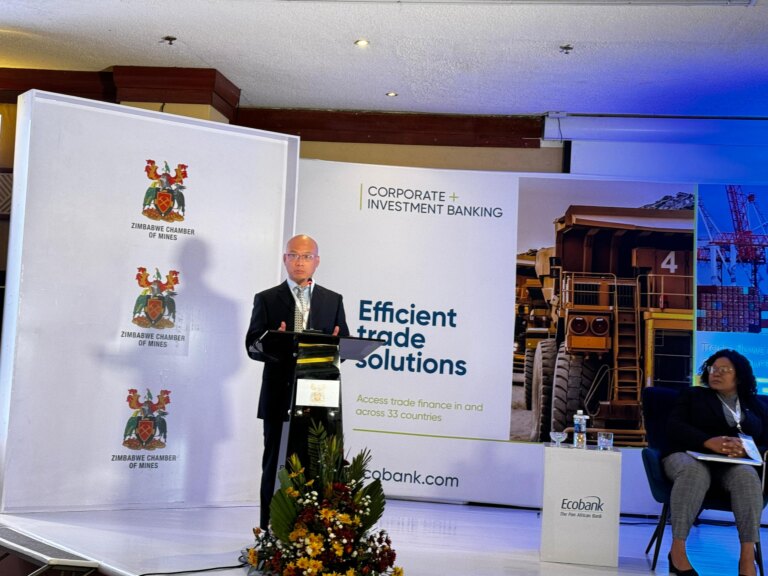
Bikita Minerals Managing Director Xuedong Gong has reiterated that for the country to benefit from critical minerals, it is important to ensure incentives and tax holidays are given to companies promoting beneficiation and value addition of minerals.

Business writer

In a compelling address at the Chamber of Mines of Zimbabwe Annual General Meeting and Conference 2024 Critical Minerals Symposium held at Elephant Hills Hotel in Victoria Falls on Wednesday, Xuedong Gong, Managing Director of Bikita Minerals, emphasized the necessity for governmental incentives and clear policies to bolster Zimbabwe’s critical mineral sector.

Owned by Sinomine, Bikita Minerals has been at the forefront of lithium production, yet faces significant challenges due to fluctuating market conditions and regulatory uncertainties.

Local Processing and Value Addition

Gong highlighted the strategic importance of local processing and beneficiation in the mineral sector.

“Realized through value addition and beneficiation, we know that by processing locally, we stand to gain more than by only exporting raw materials. However, the drop in PGM prices has hit plans for value addition hard. Despite this, we still submit our advised plans to the Ministry of Mines, just like other producers,” Gong said.

Investor Confidence and Policy Uncertainty

A significant portion of Gong’s address was dedicated to the issue of investor confidence, which he described as being “very low due to policy uncertainty.”

He elaborated, “Zimbabwe’s regulatory environment for mining and investment has been perceived as challenging, with concerns around policy unpredictability. For instance, some ideas from the government change very frequently, impacting our strategies significantly. What we did last year is completely altered by new government directives this year.”

The Role of Government in Creating an Enabling Environment

Gong urged the Zimbabwean government to recognize its critical role in fostering a conducive environment for lithium producers.

“We hope the Zimbabwean government understands its critical role in creating an enabling environment for lithium producers. Clear and consistent policies on licensing, taxation, and export regulations are essential to provide certainty and attract investors. By aligning policies with industry needs and global best practices, the government can promote sustainable growth and innovation in the lithium sector,” he stated.

Infrastructure Challenges

In addition to regulatory issues, Gong pointed out the infrastructure deficits that hinder the development of new investments in the lithium sector. “For new investments in lithium, we require basic infrastructure, such as roads, transportation, power, and water supply. The lack of these in lithium-rich regions can hinder exploration and extraction of lithium reserves, significantly influencing production costs,” he explained.

The absence of adequate infrastructure not only increases operational costs but also limits the ability to compete in the global market. To mitigate these challenges, Gong called for substantial government support to develop the necessary infrastructure.

Incentives and Tax Holidays

In his concluding remarks, Gong made a strong appeal for government incentives to support the critical mineral sector.

“Therefore, we urge the government to provide incentives for value addition and offer tax holidays for new investments. Ensuring our products are competitively priced on the global market requires substantial support from the government,” he emphasized.

Such incentives are crucial for fostering a robust mining sector capable of driving economic growth and innovation. Tax holidays for new investments can attract fresh capital, encourage technological advancements, and ensure the sustainability of the industry.

Bravura Joins Chamber of Mines, Announces Plans to Launch Processing Plant

0

Pan-African mining company Bravura is poised to significantly impact Zimbabwe’s mining industry as it gears up to become one of the major lithium producers in the country.

The company joined the Chamber of Mines of Zimbabwe (CoMZ) and proudly announced the completion of its state-of-the-art processing plant. Manufactured in South Africa and partially powered by Ai, the 300-tonne-per-hour plant is set to be installed at the Kamativi mine site in due course, marking a significant milestone for Bravura and the nation’s mining sector.

Bravura’s ambition was highlighted at the recent Platinum Group Metals (PGMs) Symposium, held during the Chamber of Mines of Zimbabwe (CoMZ)’s Annual General Meeting and Conference at Elephant Hills Hotel in Victoria Falls.

As a Platinum sponsor of the event, Bravura showcased its commitment to advancing Zimbabwe’s mining industry and received commendations from the Minister of Mines and Mining Development, Hon. Winston Chitando.

Chitando expressed optimism about Bravura’s potential to become one of the country’s leading mining companies.

At Kamativi, the company focuses on processing tailings left by the Kamativi Tin Mine to extract lithium spodumene. With an estimated 25 million tonnes of tailings to process over eight years, Bravura’s project promises substantial economic benefits.

Olugbenga Ojo Bravura group General Manager the company confirmed that the plant had been commissioned and tested in South Africa and is ready for its critical role in Zimbabwe.

“The supplier has already commissioned the plant in South Africa and tests have been done,” Ojo said.

Head of the project, Dr. Tafadzwa Murinzi, in March at the mine site said the 30-tonne-per-hour processing plant will produce 30,000 tonnes of spodumene concentrate per annum.

“Our plant is a 300-tonne-per-hour plant, which translates to about 1.1 million tonnes of tailings being processed, and this translates to about 30,000 tonnes of spodumene concentrate per annum, which is about 25 million tonnes, and it is a spodumene grade of approximately 5%, which translates to lithium of about 0.6%. We’re expecting that with our plant capacity, we can mine it over 8 to 10 years. We will employ about 400 to 500 people, but obviously, we’ll begin in the initial phase, employing about 25% of that, and then we’ll only ramp up to about 400 to 500 people when the plant is operating at a steady state,” Dr Murinzi said.

Zimbabwe’s global contribution to lithium production stands at 1.8%. However, there is significant potential for growth with Bravura poised to make a difference.

The introduction of Bravura’s lithium processing plant in the Kamativi area is anticipated to revolutionize the local economic, social, and mental landscape in the otherwise lacklustre rural area.

Bravura will be the second company to operate in Kamativi after Lithium miner Kamativi Mining Company (KMC), breathing life into the small community about 85km from Hwange.

Zimbabwe gold buying prices per gram 29 May 2024

Fidelity Gold Refinery (FGR) official gold buying prices/ gram. See the Zimbabwe gold buying prices per gram today 29 May 2024.

SG 90% AND ABOVE US$71.41/g
SG ABOVE 85% BUT BELOW 90% US$70.65g
SG ABOVE 80% BUT BELOW 85% US$69.90/g
SG ABOVE 75% BUT BELOW 80% US$69.15/g
SAMPLE BELOW 10g BUT ABOVE 5g US$68.01/g

Fire Assay CASH $71.79/g

NB: Fire Assay cash price is for gold above 100gs, no sample is deducted.
For the Fire Assay Transfer price, a sample of not more than 10g is deducted
A 2% royalty is charged on all deposits (Small-scale miners)
A 5% royalty is set for Primary Producers

Cash available. Fidelity Gold Refinery prices will be changing daily to match world market prices.

75/25 foreign currency retention policy impeding mining sector growth

0

It is crucial to protect miners from losses stemming from the nation’s unstable monetary policies, which expose them to foreign exchange risks.

By Rudairo Mapuranga

The current 75/25 foreign currency retention policy is impeding the growth of the mining sector and fails to meet the demand for an 80% retention rate, which seems to be a better option for miners to sustain their growth.

Recently, the volatile exchange rate ate into Caledonia Mining Corporation‘s profits. The company reported a foreign exchange loss of US$4.1 million in the quarter ended 31 March 2024, compared to a foreign currency gain of US$1.5 million in Q1 2023.

What is the Foreign Currency Retention Threshold in Zimbabwe?

Last year, the central bank raised the foreign currency retention threshold for exporters to 75%. Previously, exporters were only allowed to retain 60% of their foreign currency earnings, leading to challenges in accessing forex for vital capital expenditures and operational financing.

Is the Forex Retention Feasible for Miners?

Miners argue that the forex-deprived economy forces exporters to convert a portion of their earnings into local currency at an official exchange rate, which often results in losses due to the significant disparity with the black market exchange rate. With over 70% of transactions in Zimbabwe now in USD, meaning suppliers are now charging in forex, mine executives had expected the central bank to either raise the retention threshold more or drop it entirely.

An industry report published by Zimbabwe’s Chamber of Mines says the sector will experience a slower 7% growth in 2022, down from a projected 8% last year. Mining costs are projected to increase by 15% in 2023, with energy being the main driver, the report said. ZESA tariffs for miners, paid in USD, went up by 40% last year, increasing forex pressure on the industry.

Gladys Mutsopotsi-Shumbambiri, an economist with extensive experience in monetary policy, emphasizes the importance of understanding the dynamics at play. She said the demand for forex can lead to inflation, resulting in miners losing their local currency portion to inflation.

“Lower forex retentions mean reduced inflows of foreign currency into the economy. This places the burden on the RBZ to source local currency to fulfil its obligations, potentially leading to increased money supply and inflationary pressures,” she explained.

What is Sustainable for Miners?

Last year, the Chamber of Mines, which represents the country’s major mining firms, lobbied for retention levels to be moved to at least 80%.

“Given that the multicurrency system was embedded into law, we are of the view that there is a need to review the foreign exchange retention framework in line with the new policy changes. We are proposing an upward review of the minimum retention from 60% to 80%.

“Information gathered from mining houses shows that mining companies now require at least 80% of their foreign currency earnings to meet the increased demand for forex and fund their operational requirements and expansion projects,” the Chamber of Mines said in proposals to the Ministry of Finance.

The Gold Miners Association of Zimbabwe CEO, Irvine Chinyenze, commented on how the introduction of the 75/25 per cent policy to the artisanal and small-scale gold miners was going to affect the economy. He said the 75% forex retention was going to incentivize smuggling.

“There was a danger that smuggling was going to be rampant as miners were going to look for more lucrative markets where they get value for money rather than lose value in the process.

“This was going to reduce production at an alarming rate as miners were going to diversify to other sectors that wholly give earnings in US$. Though we can’t quantify criminality, the country was going to lose over US$2bn in revenues if the current policy direction was not reversed,” he said.

“This was going to see a great deal of forex being externalized beyond the country’s borders, thereby losing massive revenues along the way. This was going to create an influx of gold mafia gangs as the authorities created a thriving environment for them to smuggle and externalize United States dollars through illicit deals.”

What Should the Government Do?

The repercussions of lower forex retentions extend beyond the realm of monetary policy, permeating various sectors of the economy. A decrease in the availability of foreign currency can hinder import-dependent industries, leading to supply shortages and price hikes. Furthermore, the depreciation of the local currency against major currencies can erode purchasing power and diminish consumer confidence.

In response to these anticipated challenges, the government must adopt a multifaceted approach that addresses both short-term exigencies and long-term structural reforms. Enhancing export competitiveness and fostering a conducive business environment is essential.

Chamber AGM kicks off, Exciting Conference Anticipated

0

The Chamber of Mines of Zimbabwe’s (CoMZ) Annual General Meeting (AGM) 2024 kicked off successfully, setting the stage for an exciting and informative Conference week.

By Rudairo Mapuranga

The Chamber of Mines President Mr Thomas Gono expressed satisfaction with the proceedings, stating, “Our AGM went very well. I think we had a lot of attendees, more than the two-thirds required for a majority. We also had new members join from various sectors, including gold, platinum group metals, and lithium. This demonstrates confidence in the Chamber and we hope this will continue to broaden our membership base. We anticipate a very good conference starting tomorrow. Overall, it was a successful meeting.”

The first day of the AGM and Conference was dedicated to traditional constitutional meetings, including the annual general meeting and council meetings focused on internal governance issues within the mining industry.

Day Two: Critical Minerals Symposium

On the second day, the conference will feature two key symposiums. The Critical Minerals Symposium will delve into the global production and markets of critical minerals, particularly those essential for driving clean energy. The Honorable Minister of Mines and Mining Development, Hon. Winston Chitando, will grace the event as the guest of honour. A keynote speaker from SFA Oxford will provide valuable insights into the global critical mineral markets.

May 30th: The Main Conference (Indaba)

The main conference, or Indaba, will take place on May 30th, officially opened by President Mnangagwa. Senior government officials, including the Minister of Finance, the Minister of Mines, the ZIMRA Commissioner General, and representatives from the energy sector and financial markets, will gather to discuss the growth imperatives of the mining industry and strategies for harnessing capital from financial markets.

Networking Opportunities

The event will conclude on May 31st with a networking day, featuring activities such as golf and other events at Victoria Falls. This will offer delegates ample engagement and networking opportunities in a relaxed environment.

Dallaglio – Gold Production Increases by 39%

0

Dallaglio’s Gold production increased by 39 per cent during the three months ending 31 March 2024, compared to the same period last year, due to an increase in tonnes milled and mill feed grade. The company announced this through a trading update for the first quarter.

Patricia Rwafa

Dallaglio Holdings owns Pickstone Peerless and Eureka Gold Mine, one of the country’s highest-gold-producing mines.

The initial phase of the Pickstone Peerless Mine underground (PUG) project was officially commissioned by President Mnangagwa, on 10 April 2024. Meanwhile, ore hoisting from PUG continued in parallel with Phase 2 of the underground development.

In a trading update released on 14 May 2024, A.D. Lorimer, Secretary General of Padenga Holdings, said:

“Gold production for the three months ending 31 March 2024 increased by 39% (751.6 kg vs. 541.4 kg) compared to the same period last year. This was achieved due to a 7% increase in tonnes milled, which rose to 457,444 mt from 427,702 mt recorded for the same period last year.”

The increase was attributed to optimized plants throughout Eureka Mine, as well as the addition of a new mill at Pickstone Peerless Mine. Mill feed grade also registered a 2% increase (1.47 g/mt vs. 1.44 g/mt).

The group has embarked on further capital expenditure at Pickstone Peerless for Phase 2 of the underground project in line with the budget. Other projects earmarked for 2024 include the Pre-Leach Thickener and Solar Project at Eureka Mine.

Zimbabwe gold buying prices per gram 28 May 2024

Fidelity Gold Refinery (FGR) official gold buying prices/ gram. See the Zimbabwe gold buying prices per gram today 28 May 2024.

SG 90% AND ABOVE US$71.17/g
SG ABOVE 85% BUT BELOW 90% US$70.42g
SG ABOVE 80% BUT BELOW 85% US$69.67/g
SG ABOVE 75% BUT BELOW 80% US$68.91/g
SAMPLE BELOW 10g BUT ABOVE 5g US$67.78/g

Fire Assay CASH $71.55/g

NB: Fire Assay cash price is for gold above 100gs, no sample is deducted.
For the Fire Assay Transfer price, a sample of not more than 10g is deducted
A 2% royalty is charged on all deposits (Small-scale miners)
A 5% royalty is set for Primary Producers

Cash available. Fidelity Gold Refinery prices will be changing daily to match world market prices.