

Home Blog Page 221

Government impressed by progress at Kamativi

0

The Minister of Mines and Mining Development, Hon. Zhemu Soda, was impressed by Kamativi Mining Company’s (KMC) investment strategy, which will see the company’s lithium spodumene processing plant commissioned by President HE Emmerson Mnangagwa next month.

Rudairo Mapuranga

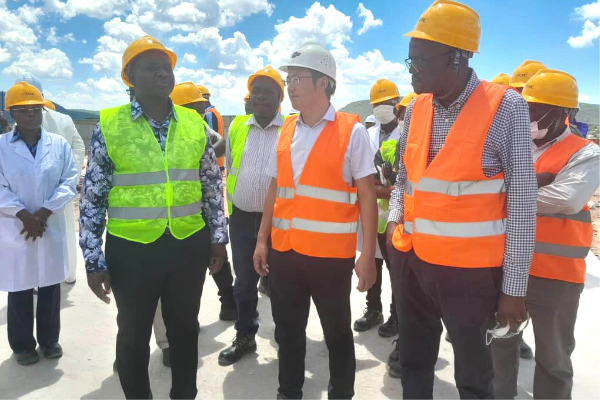
The Minister of Mines and Mining Development visited KMC as part of his program outside the ongoing African Diamond Producers Association (ADPA) ordinary session of Ministers taking place in Victoria Falls to assess the readiness of the mine for official commissioning by President Emmerson Mnangagwa.

KMC has completed its first-phase processing plant and is constructing the second phase processing plant. The first-phase processing plant will process 300,000 tonnes and produce 50,000 tonnes of concentrate, with the second phase expected to process 2.3 million tonnes and produce 300,000 tonnes per annum. The company aims to produce 350,000 tonnes of lithium concentrate next year.

Minister Soda said he was impressed by the investment, which has breathed life back into the small town. KMC has already invested US$100 million in the first phase plant and committed US$149 million towards the second phase.

According to Minister Soda, while the first-phase processing plant is up and running, the company will complete the second phase in June.

“We are pleased with the continuous appetite for investment in Zimbabwe, which Kamativi has shown by embarking on their second phase. They have just completed their first phase, which is now up and running, but they moved on to construct their second plant, which will be their second phase, and they are saying this plant is six times bigger in terms of production capacity than the first phase. So we are impressed by that appetite and the amount of investment they are bringing into the country.

“This phase will be completed and up and running in June. So we are just very grateful, and as they expand, it means they will also expand job provisions. Jobs will be created for the people, and the livelihoods of the community surrounding this place will improve. So we are very much happy and grateful for the developments happening in Zimbabwe. We are also very happy about the development happening here at Kamativi Mining Company,” Minister Soda said.

Speaking at the tour, KMC Non-Executive Director Munashe Shava said KMC intends to see the processing plant up and running in July.

Shava said the second phase is an upgrade of the first, which was done to validate the processing design and flow sheet.

“The second phase is an upgrade of phase one. Remember, phase one, what we are doing is in terms of planned throughput, we are processing 300,000 tons and producing 50,000 tons of concentrate. Phase two, we are going up to 2.3 million tons and producing 300,000 tons of concentrate. So it’s a replica of phase one but at a bigger scale. The reason why we did phase one was also to validate our design, our process flow sheet, to ensure that what we intended to achieve was a success. So we are doing a lot of work. This has been very successful, as you saw, and that’s why now I am embarking on phase two.

“Already in Phase 1, we have invested around USD100 million, so Phase 2 is about USD149 million. Phase 2, as you can see, almost all the equipment that we require for Phase 2 is already on-site. Our target for the project is to have the project up and running by July 2024. So by June, we should be done with all the construction work currently happening,” Shava said.

Zimbabwe dedicated to maximize value from diamonds – Minister Soda

0

Zimbabwe is dedicated to maximizing the value derived from its diamond resources by promoting local beneficiation and value-addition initiatives, Minister of Mines and Mining Development Hon. Zhemu Soda has said.

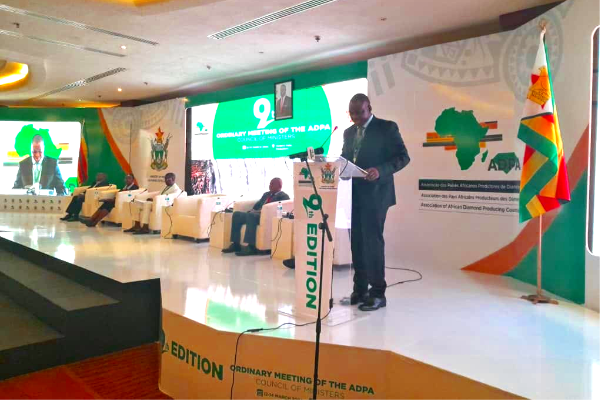
Delivering a keynote address at the 9th General Meeting of the African Diamond Producers Association (ADPA) of the Council of Ministers, Minister Soda mentioned that Zimbabwe has set a 10% quota policy for local diamond-cutting and polishing companies, which has worked incredibly in creating jobs and growth in the diamond chain in Zimbabwe.

“We are dedicated to maximizing the value derived from our diamond resources by promoting local beneficiation and value-addition initiatives. Zimbabwe has set a 10% quota policy for local diamond-cutting and polishing companies. This initiative has created jobs and fostered economic diversification,” Hon. Soda said.

Minister Soda also applauded ADPA for organizing the Council of Ministers meeting, an opportunity for knowledge sharing on best practices in the diamond sector.

He said Africa should take a leading role in promoting value addition and beneficiation of diamonds.

“As diamond producers, we should be the leaders in the value addition of our mineral resources. It is time that we take a leading role not as producers of rough diamonds but as suppliers of cut and polished diamonds,” he said.

Speaking at the same event, ADPA Executive Director Ella Muchemwa said the conference should come up with actionable takeaways.

“The key takeaway is to have a list of actionable recommendations,” she said.

Zimbabwe recognizes the critical importance of a robust regulatory framework to ensure sustainable development and equitable distribution of benefits in the diamond sector.

The Zimbabwe Diamond Policy embodies the country’s commitment to transparency, accountability, and responsible diamond sourcing. The policy is premised on the following key pillars:

Transparency and Accountability: Zimbabwe believes in transparent governance mechanisms to ensure that diamond revenues are accounted for and benefit all stakeholders, including local communities. The government has managed to do this by having all diamond exports done through its parastatal Minerals Marketing Corporation of Zimbabwe (MMCZ).

Sustainable Development: Zimbabwe’s policy prioritizes sustainable diamond mining practices that minimize environmental impact and promote long-term socio-economic development in diamond-producing regions.

Beneficiation and Value Addition: The country is dedicated to maximizing the value derived from its diamond resources by promoting local beneficiation and value-addition initiatives. Zimbabwe has set a 10% quota policy for local diamond-cutting and polishing companies. This initiative has created jobs and fostered economic diversification.

Community Participation: Zimbabwe recognizes the importance of community engagement. Our policy mandates the inclusion of local communities in decision-making processes and ensures that they receive a fair share of diamond benefits through the Community Share Ownership Trust and through encouraging diamond mining companies to conduct Corporate Social Responsibility Projects.

International Best Practices: Zimbabwe is committed to adhering to international best practices in diamond mining, including compliance with the Kimberley Process Certification Scheme and other relevant regulations aimed at preventing the trade of conflict diamonds. The government is committed to the Kimberley Process and has seen Zimbabwe chairing the KP in 2023, which was a responsibility we gladly accepted.

Rough Diamond Value Addition and Beneficiation highlighting ADPA’s 9th General Meeting

0

The value addition and beneficiation of diamonds highlighted the proceedings at the 9th General Meeting of the African Diamond Producers Association (ADPA) by the Council of Ministers, with the Deputy Minister of Mines and Minerals Resources of the Republic of Sierra Leone, Hon. Umaru Karom, and the Minister of Mines and Mining Development, Hon. Zhemu Soda, emphasizing the importance of beneficiation.

Rudairo Mapuranga

Delivering opening remarks, Hon. Karom from Sierra Leone said ADPA conversations will revolve around the current state of beneficiation and value addition, with a particular focus on existing government initiatives that promote this important process.

“It is of utmost importance that beneficiation and value-addition processes within the diamond value chain take place within the respective countries to maximize their economic contribution. The outdated practice of dig and ship should be left behind in the past, especially for many African countries,” he said.

Delivering a keynote address, Zimbabwe’s Minister of Mines and Mining Development Hon. Zhemu Soda, said Zimbabwe is dedicated to maximizing value from diamonds. Minister Soda stated that Zimbabwe is dedicated to maximising the value derived from its diamond resources by promoting local beneficiation and value-addition initiatives.

“We are dedicated to maximizing the value derived from our diamond resources by promoting local beneficiation and value-addition initiatives. Zimbabwe has set a 10% quota policy for local diamond-cutting and polishing companies. This initiative has created jobs and fostered economic diversification,” Hon. Soda said.

Minister Soda also applauded ADPA for organizing the Council of Ministers meeting, which is an opportunity for knowledge sharing on best practices in the diamond sector.

He said Africa should take a leading role in promoting value addition and beneficiation of diamonds.

“As diamond producers, we should be the leaders in the value addition of our mineral resources. It is time that we take a leading role not as producers of rough diamonds but as suppliers of cut and polished diamonds,” he said.

Speaking at the same event, ADPA Executive Director Ella Muchemwa said the conference should come up with actionable takeaways.

“The key takeaway is to have a list of actionable recommendations,” she said.

African Diamonds Producers Association (ADPA)’s

  • Cooperation between member countries in policies and strategies concerning prospecting, mining, production, cutting and polishing, as well as the development of human resources and acquisition of technologies in the diamondiferous sector.
  • Adoption of harmonized legal solutions and the exchange of information between member countries in areas related to mining and commercialization in which individual states have acquired valuable experience.
  • Promotion of mutual technical assistance in the coordination of policies and strategies of development of the diamondiferous sector.
  • Transformation of conflict diamonds into diamonds of peace and sustainable development.

Zimbabwe is Committed to Maximizing Diamond Value, Minister Zhemu Soda Affirms

0

Zimbabwe is dedicated to ensuring it maximizes the value derived from its diamond resources by promoting local beneficiation and value-addition initiatives, as stated by the Minister of Mines and Mining Development, Hon Zhemu Soda.

Delivering a keynote address at the 9th General Meeting of the African Diamond Producers Association (ADPA) Council of Ministers, Minister Soda mentioned that the Zimbabwe has set a 10% quota policy for local diamond-cutting and polishing companies, proving successful in creating jobs and fostering growth in the diamond chain in Zimbabwe.

“We are dedicated to maximizing the value derived from our diamond resources by promoting local beneficiation and value-addition initiatives. Zimbabwe has set a 10% quota policy for local diamond-cutting and polishing companies. This initiative has created jobs and fostered economic diversification,” Hon Soda said.

Minister Soda also applauded ADPA for organizing the Council of Ministers meeting, providing an opportunity for knowledge sharing on best practices in the diamond sector.

He emphasized that Africa should take a leading role in promoting value addition and beneficiation of diamonds, stating, “As diamond producers, we should be the leaders in the value addition of our mineral resources. It is time that we take a leading role not as producers of rough diamonds but suppliers of cut and polished diamonds.”

Speaking at the same event, ADPA Executive Director Ella Muchemwa said the conference should come up with actionable takeaways. “The key takeaway is to have a list of actionable recommendations,” she said.

Zimbabwe recognizes the critical importance of a robust regulatory framework to ensure sustainable development and equitable distribution of benefits in the diamond sector.

The Zimbabwe Diamond Policy embodies the country’s commitment to transparency, accountability, and responsible diamond sourcing, with key pillars including transparency and accountability, sustainable development, beneficiation and value addition, community participation, and adherence to international best practices.

Zimbabwe remains committed to adhering to the best practices in the diamond sector and is open to learning and adapting to the requirements of this dynamic industry.

Afrochine ordered to pay 3 million for under-declaring

0

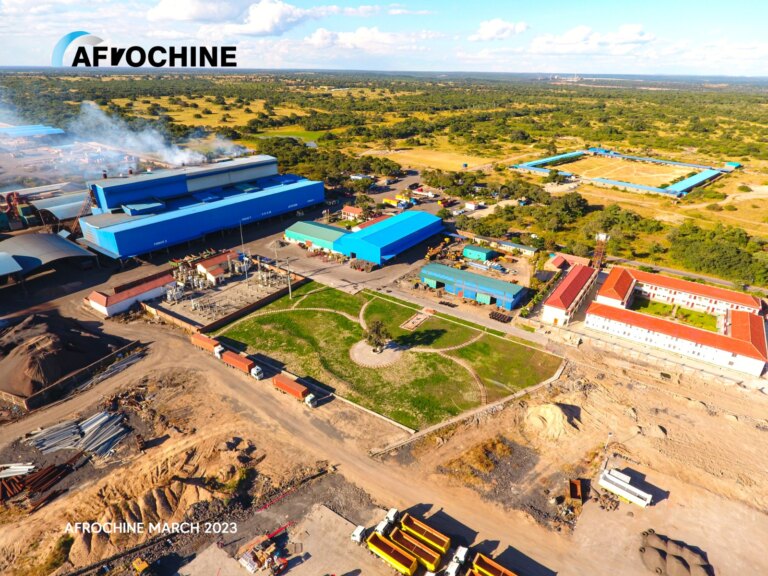
AFROCHINE Smelting Private Limited has been ordered to pay nearly US$3 million in royalties for under-declaring its earnings. Afrochine Smelting is a company that produces and exports ferrochrome, an alloy of chromium, iron and carbon that is used in steelmaking.

The company had cited Zimbabwe Revenue Authority (Zimra) in its application challenging invoices of US$2 872 897,89 and ZWL$97 682 345 from the tax authority.

The company approached the High Court seeking a declaratory order against Zimra’s calculations to penalise the firm on a 200% scale.

They also sought a declaratory order for the exclusion of the cost of freight.

The firm also sought the court to declare that it is not liable for the penalty for mining royalties amounting to US$2 872 897,89 and ZWL$97 682 345.

Afrochine Smelting further asked the court to set aside the 200% penalty in favour of 100% if they are liable to pay.

In her ruling, Justice Emilia Muchawa said it was the Mines and Minerals Act which obligated registered mines to pay royalties.

She said the method of computation was clearly spelt under certain sections of the Act as read with the schedules of the Finance Act.

The judge said it was the intention of the legislature to levy on a standard benchmark and not ex -works as this would result in different levels for different miners.

“It cannot be held that such a way of levying royalties is interference with the miner’s business decision,” Muchawa ruled.

“It is my finding, therefore, that the applicant (Afrochine) erred in declaring royalties on the face value of the invoice based as it was on the ex-works price of 10 cents less than the fast markets ferro alloys price.

“The justification is that the applicant never received the cost of freight as part of the purchase price and then deducted the freight charge before paying royalties.

“It declared royalties on the face value of the invoice.”

The judge said Afrochine Smelting had erred by excluding the cost of freight from the invoice value.

“It is the State’s intention to recoup royalties from the gross fair market value in order to realise the maximum possible and ensure uniformity on royalties levied across different mining institutions for similar products,” she said.

“This was clearly stated by the minister in his budget statement.”

The judge said the court was urged not to be influenced by the economic challenges which may befall the applicant and simply focus on whether the application falls within the provisions of the taxing law.

“Accordingly, the urgent court application is dismissed with costs,” Justice Muchawa ruled.

According to the background of the matter on June 16, 2023, Zimra delivered a letter to Afrochine Smelting in which it presented its tax review findings for the period 2019 to 2021.

“The company should have paid royalties on minerals based on the gross sale value as shown in the sales schedule from 2019 according to section 37(9) of the Finance Act [Chapter 23:04],” Zimra wrote.

“This resulted in some periods having under-declared royalties on minerals, the difference between the declared royalties and the calculated royalties either resulted in overstated or under declared amounts.”

In response, Afrochine rejected the findings by Zimra and appealed to Zimra CommissionerGeneral.

There was some engagement between the parties which did not yield any results.

Zimra then sent a reminder to Afrochine to settle the outstanding tax debt before October 23, 2023, failing which the tax authority would institute recovery measures without further correspondence.

Newsday

Temporary Suspension of Mining Title Registrations in EPO registered areas

0

Provincial Mining Directors (PMD)s have been instructed by the Ministry of Mines and Mining Development to temporarily suspend any new applications for registration of mining titles in the areas where Exclusive Prospecting Orders (EPOs), initially issued on March 12, 2021, are scheduled to expire on March 11, 2024, at 00:00hrs.

The internal circular issued on the 8th of March 2024 and signed by the Permanent Secretary in the Ministry of Mines, instructed the PMDs to await official communication before resuming any registration processes.

“You must by now be aware that the current set of EPOs that were issued on 12 March 2021 are due to expire on 11 March 2024 at 00:00hrs.

“By the copy of this Internal Circular, you are hereby instructed not to accept any applications for the registration of mining titles in the concerned areas in your respective provinces until such a time you are advised otherwise through official communication from my office. This directive also applies to all EPOs that are currently active on expiry,” the circular read in part.

The move to temporarily suspend new mining title registrations seemingly stems from the need for a systematic and controlled transition between the expiring and potentially renewed EPOs. This period allows for the comprehensive evaluation of the existing mining titles and facilitates the smooth implementation of any changes or renewals.

Critics, mainly small-scale miners, accuse EPO applicants for holding land for speculative purposes. Applicants continuously apply for the same EPOs after expiry despite getting rejected.

No legislation to preserve GeoHeritage in Zimbabwe – Munyikwa

0

**Mining Activities Threatening GeoHeritage in Zimbabwe**

Due to a lack of legislation that specifically outlines GeoHeritage in Zimbabwe, mining activities have been identified as one of the clear risks to preserving heritage in the country.

Rudairo Mapuranga

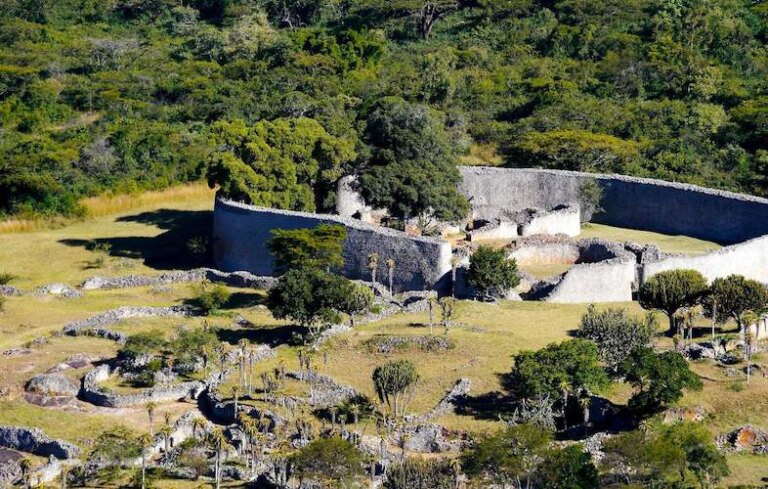
Geoheritage encompasses global, national, statewide, and local geology features at all scales that are intrinsically important sites or culturally significant, offering information or insights into the Earth’s evolution or the history of science. These sites can be used for research, teaching, or reference.

Addressing members of the Geological Society of Zimbabwe (GSZ) at their annual general meeting held at the Country Club in Newlands, National Museum and Monuments of Zimbabwe Acting Executive Director Darlington Munyikwa said mining activities pose a significant danger to the preservation of GeoHeritage sites.

“The GeoHeritage faces the risk of destruction due to, in addition to climate change, human activities, and encroachment, such as mining and industrialization. Unfortunately, this heritage is not well protected, as no legislation safeguards it. Therefore, our starting point is to document this Geoheritage so that we understand its values and can prescribe measures for its protection.

“Mining and heritage are incompatible. There must be training on how to conduct Environmental Impact Assessments, the assessment process itself, the documents produced, and the authorizing and regulatory authorities, including the National Minerals of Zimbabwe and National Parks and Water. They should thoroughly examine those assessment documents to ensure they address the protection of existing heritage values within the area,” he said.

Speaking to Mining Zimbabwe on the sidelines of the AGMG, GSZ outgoing Chairperson Tenyears Gumede stated that the government, through the Ministry of Mines and Mining Development, should collaborate closely with the National Museum and Monuments of Zimbabwe to identify sites, preventing mining activities from interfering with the GeoHeritage.

“We need to work hand in hand with the Ministry of Mines and Mining Development. If somebody applies for a mining license, the Ministry can then intervene to halt the process. Other factors, such as the resources of the area, will also be considered, but the first step is to identify the GeoHeritage sites,” Gumede said.

About the Geological Society of Zimbabwe

Aims:

– Promote geological research, teaching, exploration and mining in Zimbabwe
– Act as a forum for geological talks and field trips
The Society started as a branch of the Geological Society of South Africa in 1962. In 1981 the Zimbabwean branch split from the Geological Society of South Africa and formed the independent Geological Society of Zimbabwe.
The Society has hosted several international Scientific Conferences, including Gold 82, the ICGP Magmatic Sulphide Conference in 1997 and the Centenary of the Zimbabwe Geological Survey Conference in 2010.


Mine Rescue rehabilitating the National Workload Training Centre in Mashava

0

The Mine Rescue Association of Zimbabwe (MRAZ) is currently reconstructing its National Workload Training Centre at Gaths Mine in Mashava to ensure mine rescue brigades are physically fit to carry out rescue missions.

Rudairo Mapuranga

Speaking to Mining Zimbabwe, MRAZ Spokesperson Emmanuel Chigwa said the center will increase brigades’ physical fitness for both the fresh air and proto teams.

He mentioned that the facility offers endurance exercises such as throwing 10 sandbags over a wall, carrying 10 steel pipes over a short distance, and throwing marble rocks through a horizontal column on the ground followed by crawling.

Chigwa also highlighted that the physical training includes carrying the marble rocks, climbing, and crossing a vertical column. Going underground to cross through inclined columns and then repeating the cycle.

“This Centre is where we do our initial training for both donning (underground) and non-donning (surface) teams. Initial training comprises theory and practical workload training.

“Workload training is done on a six-monthly basis at the same facility. Quarterly training is also conducted at this facility when combined with workload exercises.

“The facility offers endurance exercises such as throwing 10 sandbags over a wall, carrying 10 steel pipes over a short distance, and throwing marble rocks through a horizontal column on the ground followed by crawling. Carrying the marble rocks and climbing and crossing a vertical column. Going underground to cross through inclined columns and then repeating the cycle,” Chigwa said.

Enerst Mugandani appointed incoming chair of the Geological Society of Zimbabwe

0

Geologist Ernest Mugandani of GeoSurvey has been appointed the Incoming Chair for the Geological Society of Zimbabwe at a colourful event currently on-going at the Country Club in Harare. Mugandani takes over from Tenyears Gumede.

Kelvin Sungiso

The following were also appointed Committee members for the calendar year 2024 to 2025

  • Benefit Muoneka
    Andrew du Toit
    Caston Musa
    Melusi Hlambelo
    Gayle Hansen
    Metrinah Mutika
    Kennedy Mtetwa
    Shephard Mabhanga
    Tenyears Gumede
    Brian Mapingere

more to follow…

Zimbabwe’s Gold Deliveries Declined in February

0

Zimbabwe witnessed a notable 22 per cent decrease in gold deliveries for February, recording 1.85 tonnes compared to the 2.38 tonnes submitted in January to Fidelity Gold Refinery (FGR). The decline is attributed to a substantial reduction in output from the artisanal and small-scale miners, who traditionally contribute around 60% of the country’s total bullion production.

In a departure from the usual trend, large-scale producers outperformed their small-scale counterparts delivering 988.7 kg, which is 53% of the total for the reviewed period.

Conversely, artisanal and small-scale miners delivered the remaining 47% of the yellow metal output at 864.3 kg, reflecting a notable 31.76% decline from January’s figure of 1266.51 kg.

Comparing year-on-year data, the 1.85 tonnes of bullion delivered by small miners in February 2024 marks a 2.2% decrease from the 1.89 tonnes achieved during the same period last year.

While production decline is usually attributed to rains, output from the ASM industry was expected to be higher due to little to no rainfall across across the country.