

Home Blog Page 239

Exploring the Rich History of the Umkondo Basin

0

In October 2023 Mining Zimbabwe and other Media outlets were invited to the Zimbabwe Consolidated Diamond Company (ZCDC) to have an appreciation of how the Diamond miner was faring in terms of production. We spoke to the Exploration Manager who took us through the history of the Umkondo basin.

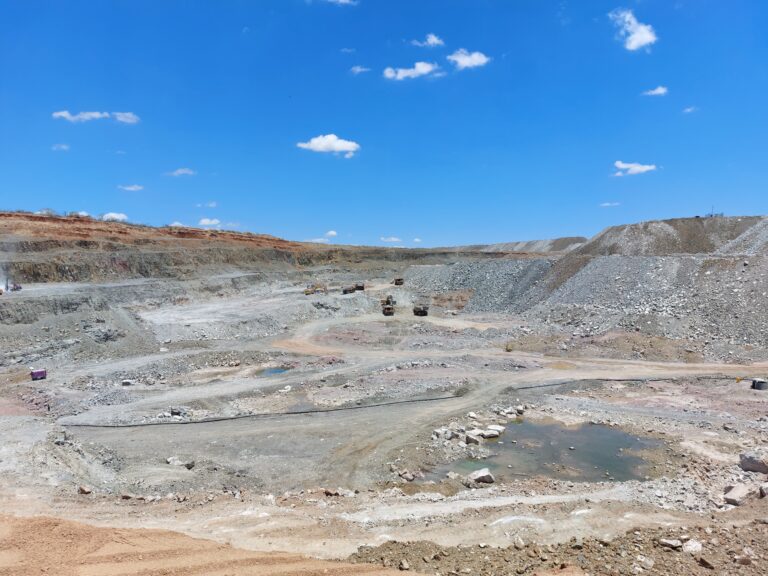
My name is Mr Hopewell Mvura I am the ZCDC Exploration Manager. What we are seeing here is a conglomerate unit where we are mining for diamonds within the ZCDC shares of formation.

This is what we refer to in geological terms as the Umkondo Basin.

The Umkondo Basin is more of a fallen basin which was formed more than 1.2 million years ago and it is more of an alluvial deposit where material was transported from various sources and deposited within this basin.

The basin resembles what we refer to as more of an ocean area.

Just like in the current days, you know that streams are eroding and are transporting material all the way to the ocean. So sedimentary units were deposited within this Umkondo Basin, which is a fallen basin.

At the bottom of this basin, we’ve got what we refer to as a Conglomerate rock, which is the one which was our diamonds here in Chiadzwa. On top of that conglomerate rock, you’ve got what we refer to as the grit. The grit also has got some diamonds. But the diamonds in the grit are quite small and the big diamonds are found within the conglomerate unit.

So the conglomerate unit consists mainly of clasts that are more of sedimentary material and then the clasts are more of quartz. Then they are cemented and consolidated by some calcite or iron material, which has managed to make the conglomerate more consolidated and more competent. So the diamonds within the conglomerate are quite big compared to what you find within the grit. That is a layer which is above the conglomerate.

The thickness of the conglomerate is about one meter, plus or minus and there are areas where the thickness can be just a few centimeters. But in terms of diamond deposition, we’ve realized that the concentration is per unit area, not per unit volume. So this deposit, in terms of grades, it is a high-grade deposit.

There are areas where we can get grades which are as high as 1,000 CPHT. That is carats per 100 tons. If we mine 100 tons, we’ll be able to get plus or minus 1,000 carats. There are areas like that. But on average, we are getting grades around 500 CPHT on the whole of this concession.

In terms of the quality of the diamonds, we are getting more of a gem quantity. The gems are in the range of plus or minus 20% gems. The greater part are what we refer to as bots, or many people refer to them as industrial diamonds, which are more on the low-quality side.

The other thing I would like you to understand is the main source of diamond, or the conceit, which is responsible for bringing diamond to the surface, is what we refer to in geological terms as a kimberlite pipe or a labradorite.

So the source of this Chiadzwa diamond is not known at the moment. There have been different schools of thought. However, most people, tend to think that the source could be continental. Not necessarily that is close to where we are right now. The source is most likely continental, which means there is a kimberlite pipe which is sitting somewhere else, whose source we don’t know. It was exposed to the surface, and then it was eroded. As it was eroded, the diamonds were now transported and deposited within this massive Umukondo Basin.

This is where we are mining at the moment. And the Umukondo Basin stretches all the way from Chiadzwa. It gets to Chimaniman. So in Chimanimani, we’ve got another operation, which we refer to as the Port of Chimanimani. But that one, we are mining our diamonds within the upper part of the Umukondo Basin, which is the same basin as where we are right now. So there is massive potential in terms of mining.

There is massive potential in terms of more exploration work, which is part of our expansion program and the exploration program so that we are able to determine more diamond resources.

So as far as our resource statement is concerned, right now, we’ve managed to confirm plus or minus 56 million carats of diamonds, which are still to be mined here and then in terms of the depths, our mining has been concentrated to less than 50 meters from the surface. As you can see from this pit, which is behind me, we’ve gone up to plus or minus 40 meters from the surface. So we are mining along strike, where there is much stripping. However, a lot of work has been done to a depth of about 300 meters from the surface in terms of drilling. So we have confirmed the existence of this conglomerate layer, even up to 300 meters from the surface.

So there is greater potential for this unit. I think.


This article appeared in the issue 69 of the Mining Zimbabwe Magazine
Implats to hold memorial as Impala Rustenburg death toll rises to 13

0

Parent company to ZIMPLATS, Implats, has confirmed that another employee injured in a safety incident at its Impala Rustenburg Shaft 11 operation on November 27 died at the weekend – taking the death toll to 13.

Eleven employees were killed and 75 injured on November 27 when the personnel conveyance, also known as a lift or elevator, at 11 Shaft, unexpectedly descended at a rapid rate.

The lift came to a sudden stop at 20 level, about 180 m below 17 level close to the bottom of 11 Shaft, when the counterweight, which balances the conveyance system reached the top of the winding infrastructure on the surface, and as designed, was caught in jack catches.

Implats explained at the time that this resulted in a sudden, almost instantaneous deceleration, the force of which severely impacted the 86 employees who were standing upright in the three levels of the lift at the time.

Another employee succumbed to their injuries on November 29.

As at December 4, 23 employees had been discharged from hospital, while another 50 remained in hospital – eight of whom are in critical care.

In collaboration with the families of affected employees, Implats has set aside December 6 as a day of remembrance for its employees.

“A memorial service will be held at Impala Rustenburg to allow for our employees to come together to honour the memory of our lost, injured and affected colleagues. In line with the wishes of the families involved, Implats will only release the names of our deceased colleagues on the day of the memorial service,” the company says.

Mining Weekly

Gas deposit discovered at Mukuyu2 well in Muzarabani

0

Australia Stock Exchange-listed oil and gas exploration company Invictus Energy has confirmed a significant gas discovery at its Mukuyu2 exploration well at the Cabora Bassa Project in Zimbabwe.

Rudairo Mapuranga

According to Invictus Managing Director Scott MacMillan, a total of four hydrocarbon samples were recovered to the surface from two separate zones in the Upper Angwa using the wireline formation testing tool. A further two formation water samples were recovered from the Basal Pebbly Arkoseformation.

He said gas and fluid properties from the recovered samples will be confirmed following laboratory testing once the sample bottles are dispatched from the rig for analysis and no additional fluid samples were captured to preserve the wireline formation sampling tool and remaining sample chambers for use in the interpreted Lower Angwa hydrocarbon-bearing zones where thicker sandstone units were penetrated in Mukuyu-2.

He said, significant additional gross sands were intersected within the Upper Angwa gas leg but are below the current net reservoir cut-off. These intervals may have better reservoir development elsewhere in the Mukuyu field and along with the refinement to the net pay criteria represent additional upside. Further appraisal and technical evaluation of log, core, seismic and well test data is required to determine the full extent of the resource size.

“We are delighted to declare a gas discovery from the Mukuyu-2 sidetrack well in the Upper Angwa formation.

“The discovery represents one of the most significant developments in the onshore Southern Africa oil and gas industry for decades.

“I’m extremely proud to be involved with the Invictus team and our partners in opening up one of the last untested rift basins. The perseverance and hard work of our dedicated team have paid off.

“The Company has delivered an exceptional result from the first two wells drilled in Mukuyu, which provides us with significant running room in our large portfolio of prospects and leads for further discoveries in our acreage in the Cabora Bassa basin.

“The Mukuyu-2 discovery, 7km away and 450 meters up-dip of the Mukuyu-1 well, which can subsequently be classified as a discovery, provides confirmation of the large potential of the Mukuyu field which has a structural closure of over 200km2.

“With additional hydrocarbon-bearing reservoirs ahead, the focus now is to complete the drilling and evaluation program and obtain further wireline data including fluid samples to declare an additional discovery from the Lower Angwa formation.”

Forward plan

The Exalo Rig 202 will drill ahead toward the sidetrack section Total Depth at approximately 3,400mMD through Lower Angwa reservoirs where multiple zones interpreted from logs to be hydrocarbon bearing were intersected in Mukuyu2.

Following the conclusion of the drilling of the 8 ½ inch hoe section, the sidetrack well will be logged including wireline formation testing and fluid sampling and final results provided.

Zimbabwe gold buying prices/ gram 5 December 2023

Fidelity Gold Refinery (FGR) official gold buying prices/ gram. See the Zimbabwe gold buying prices/ gram today 5 December 2023.

SG 90% AND ABOVE US$62.25/g
SG ABOVE 85% BUT BELOW 90% US$61.59g
SG ABOVE 80% BUT BELOW 85% US$60.93/g
SG ABOVE 75% BUT BELOW 80% US$60.27/g
SAMPLE BELOW 10g BUT ABOVE 5g US$59.29/g
FIRE ASSAY CASH US$62.58/g

NB: Fire Assay cash price is for gold above 100gs, no sample is deducted.
For the Fire Assay Transfer price, a sample of not more than 10g is deducted
A 2% royalty is charged on all deposits (small-scale miners)
A 5% royalty is set for Primary Producers

Cash available. Fidelity Gold Refinery prices will be changing daily to match world market prices.

Yes Captain! Interview Fazilla Mukazi – Shift boss, (PROTO) brigade’s person

0

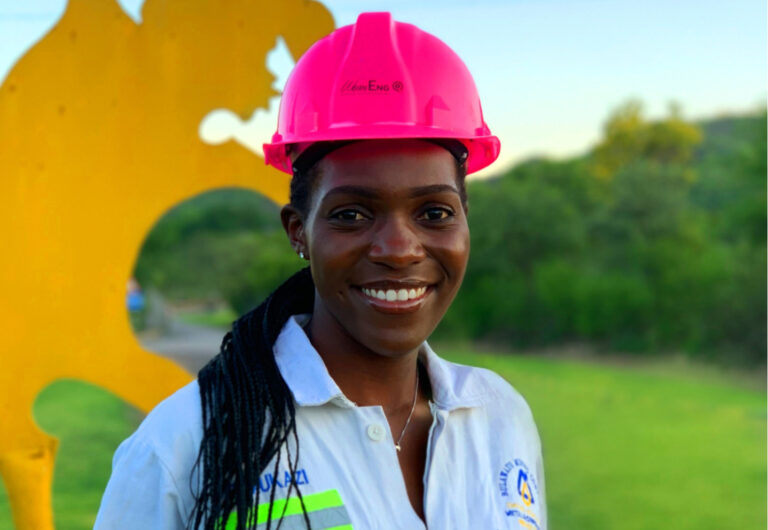
Meet Fazilla Kudzai Mukazi, a passionate and dedicated Mining Engineer currently serving as a Shift Boss at Bulawayo Mining Company (BMC)‘s How Mine, a gold producer located in Bulawayo.

With extensive experience in shaft sinking, rock mass support system design, and Mine Rescue, Fazilla has proven herself as an invaluable asset in the Zimbabwe industry. Despite facing challenges as a woman in a male-dominated field, Mukazi has thrived leading several departments such as Mine Rescue (PROTO) serving as the brigade’s person where she is the only woman. According to “Captain” Mukazi her goal is to stay updated on technological advancements in mining and contribute to the growth of the Zimbabwean mining industry.

We interviewed Engineer Mukazi who recently went viral on Facebook for the “Yes Captain” video at the Mine Rescue Competitions of 2023. Here is the interaction below:-

Can you give us a brief introduction of yourself?

I am Fazilla Kudzai Mukazi, aged 28. Currently employed at Bulawayo Mining Company as Mining Shiftboss. I am a Mining Engineer by profession (UZ) currently serving as a Mine Rescue (PROTO) brigade’s person.

What drove you to consider Mining as a career?

Insightful Career guidance sessions at High school. Professional individuals from various fields and experience conducted the sessions which really had an impact on our career choices. Despite facing discouragement, I persevered and pursued a career as a Mining Engineer. This decision turned out to be a good choice for me. Much gratitude is expressed towards my parents for unwaveringly supporting my chosen career path.

You are currently plying your trade as Shift Boss at BMC. What are your responsibilities and achievements in this role?

I was recently appointed this year as shift boss. I am responsible for Mine re-entries soon after Primary Blasting, manning production in all sections, enforcing safety regulations and optimum utilization of machinery and labour.

How do you ensure the enforcement of safety regulations in all sections as a Shift Boss?

Mining used to be regarded as one of the most dangerous jobs until safety regulations were formed for sustainable mining. Zimbabwean Mining is governed by statutory instruments such as SI 109 OF 1990, SI 72 of 1989 etc and the Mine tailor-made standard operating procedures. As a shift boss, the aim is to ensure all workmen are conversant with these regulations and working standards through refresher training and safety talks before the start of shifts.

What were your responsibilities as an Overseer Miner at Bulawayo Mining Company?

My responsibilities were Enforcing safety regulations in the Main development section. Section planning leading and monitoring ensuring the optimum utilization of machinery and labor. Enforcing adherence to Mining standards and achievement of the benchmarked efficiencies targets. I gained vast experience from the Shaft sinking Project, availing a new Mining block to all the Sublevel Open Stoping production areas. As the Main Development Section miner, I was in charge of 60 people. I had to ensure the safety of workmen and optimize labour and machinery utilization as I was working on availing one of the main production areas which is one of my achievements at BMC.

Can you tell us about your experience in shaft sinking and shaft equipping at BMC?

Shaft sinking is a critical stage in underground mining operations as it is a complex and challenging task. I would say it is one of the most intriguing experiences that every miner dreams of having. I have had the opportunity to be part of the entire mining cycle in both shaft sinking and shaft equipping. Depending on the technologies adopted, planning, precise execution and adherence to strict safety protocols are critical. I can confidently state that I have gained significant experience through my involvement in the ongoing shaft-sinking process at BMC.

Can you elaborate on your role as a qualified brigade person for the BMC Mine Rescue Response Team (PROTO)?

BMC Mine Rescue Response Team (PROTO) is a specialized team that remains on standby to respond promptly to any potential disasters or emergencies within the west zone. As one of the captains, my role involves planning activities, leading the team, maintaining their welfare and ensuring their readiness. This includes maintaining their physical fitness through regular training and exercises. By conducting drills and simulations, we aim to enhance our skills and readiness to respond effectively in real-life scenarios and promote safety awareness throughout the mine.

Mining Zimbabwe shot a video (which has had over 22 000 views on Facebook and 36000 impressions on LinkedIn) where you were giving instructions to your rescue team which comprised 100% men. It has earned you the reputation of being an “Iron Woman”. As a woman do you face any challenges working with and leading men?

My experience in the mining industry has been primarily focused on two mines: Mimosa Mines and Bulawayo Mining Company. These organizations have placed a strong emphasis on women’s empowerment, creating an environment that is conducive to my growth as a Mining Engineer. I have been fortunate to receive equal opportunities and support from my male counterparts, ranging from management to subordinates, hence no hectic challenges faced.

Describe the project you undertook at Mimosa Mine, designing a new rock mass support system. What were the objectives and outcomes of the project?

Mimosa Mines had initiated undertaking a mining project in a highly fractured area. The main objective was to design and implement a robust rock mass support system to ensure the safe mining of the orebody. To achieve this, advanced mining software such as PHASE 2 and Rocklab were utilized to simulate the stresses on various excavation designs. This allowed for the development of an optimum design that would not only make the mining of the ores profitable but also ensure the safety of both workers and machinery involved in the mining process.

Some people are of the opinion that Mining is for men, your comments on that?

So far, I have managed and I know a number of females who are doing extremely well, some are my role models. I can confidently say that I am living proof that mining is a field open to anyone willing to put in the effort. Contrary to popular belief, mining is not selective based on gender orientation. Like any other field, it requires a certain level of commitment and dedication. With hard work, compliance, and genuine interest, anyone can succeed in this industry.

What are your future career development goals within the mining industry? How do you plan to contribute positively to the growth of the Zim industry?

To remain acquainted with the latest technological advancements in mining as the industry is in transition to the fourth industrial revolution. It is essential to stay up-to-date on the latest developments in mineral exploration, extraction, and processing technologies. As minerals are a non-renewable resource, some mineral deposits will soon require advanced technology to extract and process, and I can be a valuable asset in the continuous growth of our mining industry.

If there are things you would change in the Zimbabwe Mining industry what will those be?

From a brigade person perspective, it is evident that there is a pressing need for increased community engagement in order to raise awareness about mining safety. The mining industry is currently facing numerous challenges, particularly with regard to artisanal mining disasters. As a mining engineer, I strongly believe that it is crucial for professionals in the field to be well-versed in advanced technologies and to implement them in their respective work areas. This not only leads to potential profit gains and world prestige but also ensures the safety of workers, especially considering the fact that many mineral deposits are now located at deeper underground levels.

Tarisai wishes to be like you. What is your advice to her to reach where you are?

Dear Tarisai I have been fortunate enough to enter the industry through hard work, starting from my education and working towards securing a position within the field. Over time, the industry has embraced the agenda of women’s empowerment, dispelling the myth of it being a “men-only” zone. Today, there are limitless opportunities available within the industry, and one can dream as big as they desire. However, it is crucial to have proper career guidance from experienced individuals who have already made their mark in the industry.

Besides the Mining business, what is Fazi into?

I really try hard on the work-life balance. I recently joined a golf club, which I find quite interesting. In my spare time, I enjoy culinary and hair plaiting, which are hobbies that bring me joy and relaxation.


This article first appeared in issue 70 of the Mining Zimbabwe Magazine first distributed at the Association of Mine Managers of Zimbabwe (AMMZ) AGM and Conference 2023
Adoption of new technology, Retooling, import substitution to highlight Metal Casting and Engineering Summit

0

The retooling of the foundry industry, adoption of new technologies and innovation to enhance import substitution will highlight the 2nd edition of the Metal Casting and Engineering Summit and Awards 2023, Zimbabwe Institute of Foundries (ZIF) COO Mr Dosman Mangisi said.

Rudairo Mapuranga

The second edition of the Metal Casting and Engineering Summit and Awards will run under the theme, “Value addition and beneficiation of metals – Developing local markets for metal casting engineering” will be held from the 7th to the 8th of december 2023.

The Minister of Mines and Mining Development Hon Zhemu Soda will be the guest of honour.

According to Mangisi the Summit has come at a time when the country is on massive development and growth therefore it was of importance to ensure the foundry industry takes centre stage in national development.

Mangisi said retooling through building bridges with Financial Institutions for the funding of the sector is going to be a key issue at the Summit.

He also said that the foundry industry should be able to tap into the low-hanging fruits in different industries like mining, agriculture, transport, construction and structures among others to ensure that the country does not import equipment such as hammer mills among others.

“The local foundry should be able to feed the local market and leverage the issue of import substitution. We have low-hanging fruits in different sectors, we need to be able to tap into that. Also enhancing quality control through retooling, we want to build bridges with the financial Institutions to provide working capital,” Mangisi said.

Mangisi said the awards will recognise companies, organisations and individuals that are working to see the growth of the sector.

“The issuing of awards is to recognize people who are pushing the growth and development of the foundry industry,” Mangisi said.

The following are the key highlights for the Metal Casting and Engineering Summit and Awards 2023

  1. Unveiling of retooling and working capital funding.
  2. Shortlisting of Distributors of Raw materials (Dinson Iron Steel Distributorship in conjunction with ZIF).
  3. Business partnerships with Banks, eg (order finance systems).
  4. Presentation of Beneficiation and Value Addition Awards Dinner.
  5. An opportunity to visit Dinson Iron and Steel company in Manhize, Mvuma.
  6. Business Networking with key stakeholders and government principals.

FOR MORE INFORMATION CONTACT 0712033025/0772942473. VENUE: HOLIDAY INN, HARARE. DATE 07 DECEMBER 2023.

Zimbabwe gold buying prices/ gram 4 December 2023

Fidelity Gold Refinery (FGR) official gold buying prices/ gram. See the Zimbabwe gold buying prices/ gram today 4 December 2023.

SG 90% AND ABOVE US$62.14/g
SG ABOVE 85% BUT BELOW 90% US$61.48g
SG ABOVE 80% BUT BELOW 85% US$60.82/g
SG ABOVE 75% BUT BELOW 80% US$60.17/g
SAMPLE BELOW 10g BUT ABOVE 5g US$58.18/g
FIRE ASSAY CASH US$62.47/g

NB: Fire Assay cash price is for gold above 100gs, no sample is deducted.
For the Fire Assay Transfer price, a sample of not more than 10g is deducted
A 2% royalty is charged on all deposits (small-scale miners)
A 5% royalty is set for Primary Producers

Cash available. Fidelity Gold Refinery prices will be changing daily to match world market prices.

Hems Africa – Delivering Innovation and Excellence in Engineering

0

Hems Africa Engineering is a renowned Engineering firm based in Zimbabwe with over 24 years of exceptional service. Its expertise lies in SMPP Projects, specializing in structural steelwork, mechanical engineering, piping, and plate work.

Hems also provides labour broking, project management, crane hire and mining supplies.

Hems has offices in Harare, Bulawayo, South Africa, and also has interests in Zambia. Their capabilities extend to handling engineering SMPP or Turnkey projects of any size in the SADC area, as evidenced by their extensive portfolio of high-value projects.

In 2021, Hems was awarded a contract to equip Pickstone mine, a project that was recognized as one of the largest in the country and would contribute significantly to the mining industry’s output.

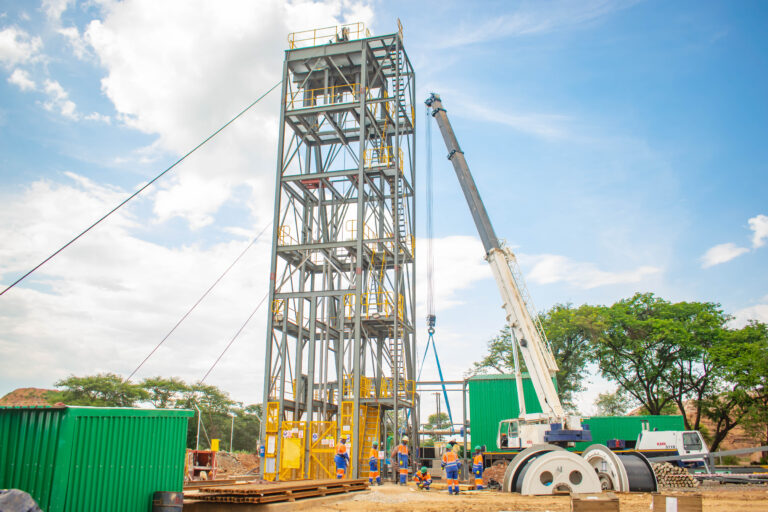
The project commenced in early 2022 and its scope entailed both surface and underground equipping. Surface equipping being the headgear, surface conveyor, bank screens, a 2500mm diameter sheave, jack catch boxes, bank steelwork, ore chutes to the conveyor, winder house, ore bin and mechanical installations.

The steel works on surface conveyor structures and mechanicals, including the installation of a conveyor vee pulley, were completed in 2 months, overcoming adverse weather conditions. The Underground scope of works entailed stripping old, disused structures and equipping them with new equipment for the shaft and tunnels. The shaft stripping and equipping was from surface to 5.5 level, involving extensive development works being side wall supporting, shaft collar civils, shaft steel equipping, compressed air pipe fixing, shaft water pipe fixing, shaft electrical cables fixing, fabrication of kibbles and Galloway stage.

Additionally, our team successfully completed the loading station steel structure civil works, 40m conveyor structure and mechanicals, rail tracking from the 2nd level to the 4th level, and shaft gates modification from the 2nd level to the 5th level within the specified timeframes, despite challenges such as water pumping and falling grounds, blockages, bad ground, and water. The total works took 9 months due to blockages and removal of rubble, considering that the Southwell shaft had been decommissioned since 1973 this a notable milestone

Hems Business Development Manager Mr Oscar Msowa said that Hems takes pride in its commitment to safety, quality, and customer satisfaction. To ensure the safety on site the team followed strict SHE policies and procedures and maintained a competent team of 80 passionate and resilient individuals in place throughout the project. The project was completed and commissioned without any injuries or fatalities.

The mine is currently running and all installations are working up to the required specifications to the satisfaction of the client.

To learn more about our services and how you can be a part of our journey in building our country, please visit our website www.hemsafrica.com or our social media pages Or call Oscar on 0789153497.


This article was first published in the Mine Entra 2023 issue of the Mining Zimbabwe Magazine

Interview: Association of Mine Managers of Zimbabwe President, Abel Makura

0

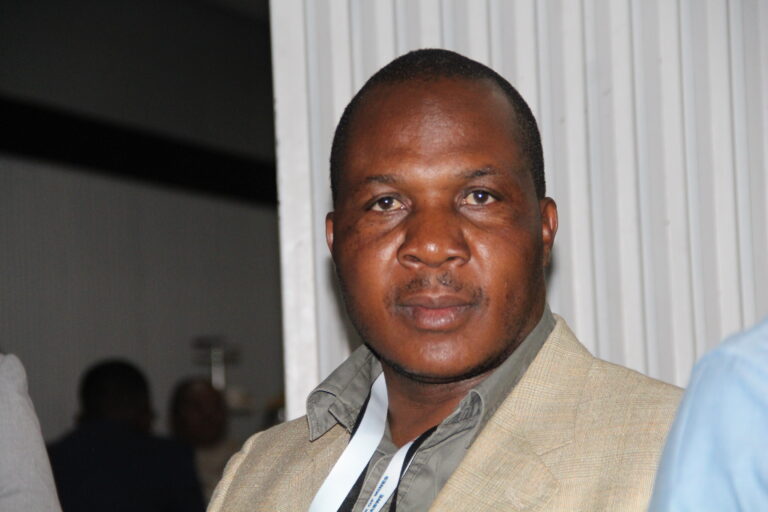
In November 2023, Engineer Abel Makura was appointed President of the Association of Mine Managers of Zimbabwe (AMMZ). To learn more about his key priorities and goals for the key Mining organization we sat down with the “Technocrat” and among many issues, we also explored initiatives to enhance diversity and inclusion within the Association and the importance of technical visits and partnerships with other industry organizations.

Join us as we gain valuable insights from the man at the forefront of the men and women running the day-to-day business in the Zimbabwean Large-scale and Mid-tier mines.

Congratulations on being appointed President of a key Mining Organisation in Zimbabwe. What are your key priorities and goals as the new President of the Association of Mine Managers?

One of the key priorities is bringing closure to some of the projects that the Association had been working on for quite some time. The key projects that quickly come to mind include a review of the Mining Regulations (SI 109 of 1990 & SI 72 of 1989) and the registration of the Chamber of Mines as a constituent body with the Engineering Council of Zimbabwe to allow for the legal registration of mining professionals as required by law.

Outside the outstanding projects, another key priority is the lobbying for alignment of the education curriculum of institutions offering mining-related disciplines with industry needs to avoid the production of graduates that fail to get absorbed into the profession.

We also intend to bolster our relations with affiliate associations within the country and region to foster knowledge sharing for the better of our mining industry.

How do you plan to promote sustainable and responsible mining practices within the industry?

We have resuscitated our SHE Audits which had temporarily been shelved after the COVID pandemic, and these audits alongside technical visits will be used to inculcate responsible mining practices. We will also lobby members to partake in the IRMA audits, an international standard for responsible mining.

There has been substantial growth in new mines for the past years and there seems to be little interest from Chinese Miners to join the AMMZ. Why should they join the AMMZ?

The association is a vehicle for information exchange and dissemination of good and sustainable mining practices and technical innovations. These benefits can only be realized by those onboard. China itself being a first-world country, is way ahead of technology and the Chinese can also bring in a new aura in the field of technology so their joining the Association, is a mutually beneficial arrangement for both. We have different categories of membership such as ordinary, affiliate, associate and honorary membership and the door is open to all qualifying professionals to join.

How do you plan to advocate for the interests of Mine Managers and ensure their voices are heard in policy and decision-making processes?

The Chamber of Mines is the mother body responsible for all policy issues relating to mine and the voices of the Mine Managers will be heard through the Chamber of Mines

What measures will you put in place to support Mine Managers in navigating the changing regulatory landscape, especially in terms of environmental protection?

We will keep Mine Managers abreast of all regulatory changes so that they don’t get left behind. We will also urge them to be part of the process of reviewing the regulations so that their views and concerns can be captured and the regulations are amended, it will be to their and the environment’s advantage.

How do you plan to address the potential impacts of automation and new technologies on the role of Mine Managers?

Through our working group (Technology, Innovation & Academia), we will explore new emerging technologies and quantify their impacts on the future mine manager and provide sufficient recommendations on how they can be managed to the benefit of the mine manager to avoid adverse effects

There are no women in the council yet there are a number of them in leadership positions at several mines. What initiatives will you undertake to enhance diversity and inclusion within the AMMZ?

We will continue to encourage more women to take up leadership positions in industry and join the Association as members from which they can be voted or coopted into the Council.

AMMZ Technical visits are in my opinion one of the best insightful and a broader perspective can open up new avenues for improvement and innovation on the findings and observations during the visit. What is your take on the inclusion of some SADC mine visits?

Anything that brings in new learnings that can result in new and improved ways of mining is open for exploring and as long as it is within the boundaries of our financial abilities, it is worth looking at.

There is no better informative & networking platform than AMMZ’s Technical visits if equipment suppliers and service providers are to better understand what innovative products/ solutions should be supplied to mines in Zimbabwe. What are the fees attached to providers to visit?

Our technical visits are free to attend subject to clearance from the mines being visited, suppliers are free to attend and get a picture of what their consumers require or what can benefit them. At our annual conference, there are various competitive sponsorship packages available for them to come and exhibit their products.

How do you plan to cultivate partnerships with other industry associations and organizations to further advance the interests of mine managers?

We collaborate with associations for supporting disciplines such as survey, geology, metallurgy, rock engineering and rock engineering and they are always part of our programmes and initiatives towards the advancement of the mining industry. We are happy to work with many others to cover all areas that affect the Mine Managers in their daily running of their operations.

Industrial attachment is increasingly becoming a headache for many students. Your take on how can this situation be remedied?

Under our working group (Technology, Innovation & Academia), we intend to engage with academic institutions offering mining-related education to help with the career development of the students and industrial attachment would be one of the areas to be looked at with a view to see how a mutually beneficial and practical solution can be reached at.

What is your overview of the recently ended AMMZ AGM and Conference?

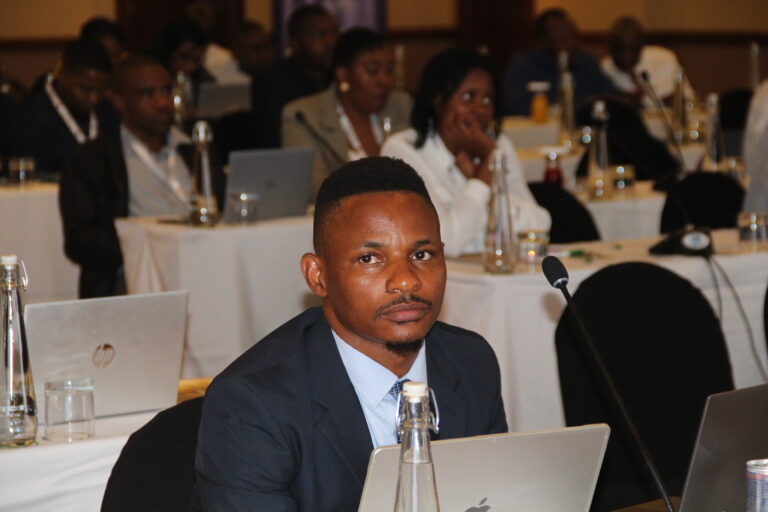
The just-ended conference and AGM was a success which managed to bring together the key stakeholders in the Zimbabwean mining industry together to discuss and share ideas on how to navigate the challenging landscape that the industry is faced with in the wake of depressed metal prices and increased costs of production. There was a fine blend of seasoned mining engineers like Mr Walter Nemasasi, government officials, Chamber of Mines Executives, Academics, Mine Managers and students and the discussions held and presentations made were very insightful and gave the attendees a lot of takeaways.

President calls for acceleration of Mapinga Mines to Energy Park

0

President Emmerson Mnangagwa has called for the completion of the Mapinga Mines to Energy Industrial Park project.

The Mapinga Mines to Energy Park aims at promoting value addition and beneficiation of the country’s minerals mainly battery minerals such as lithium, graphite, nickel and base minerals such as chrome among others.

The project, which is the first of its kind in Zimbabwe, would be established on a 5 000-hectare piece of land in Mapinga, along the Harare – Chinhoyi Road and will boost the economy through beneficiation of minerals and support the clean energy drive.

The mines-to-energy project will include the construction of two 300MW power stations, a coking plant, a lithium salt plant, a graphite processing plant, a nickel-chromium alloy smelter as well as a nickel sulphate plant.

Speaking at the official commissioning of the Bikita Minerals Spodumene and Petalite processing plant in Bikita on Wednesday President Mnangagwa called on lithium players to speed the production of batteries and other clean energy-related products.

In that regard, the President said work to complete the Mapinga Mines to Energy Industrial Park should be accelerated.

“In spite of the commendable success milestones we are celebrating, players in the lithium- sub-sector must remain on the course to produce batteries and other clean energy-related products. The completion of the Mapinga Mines to Energy Industrial Park should be expedited,” President Mnangagwa said.

Deputy Minister of Mines and Mining Development Dr Polite Kambamura said the project will ensure value addition and beneficiation for the country’s minerals that will ensure maximum returns for the country.

”This project, besides being the biggest in Africa, will ensure that we grow our mining industry’s profit output as we aim to reach and surpass our US$12 billion mining industry by the end of the year and we can achieve this through value addition,” he said

The Government and two Chinese investors – Eagle Canyon International Group Limited and Pacific Goal Investment in September last year signed a Memorandum of Understanding that immediately paved the way for the construction of the US$13 billion mines to energy industrial park in Mapinga, Mashonaland West Province.

Officiating at the signing ceremony at State House in Harare, President Mnangagwa said the agreement was in keeping with the Second Republic’s development philosophy of leaving no one and no place behind and would spur the realisation of Vision 2030 of an upper middle-income society.