


Home Blog Page 239

Zimbabwe gold buying prices per gram 31 May 2024

Fidelity Gold Refinery (FGR) official gold buying prices/ gram. See the Zimbabwe gold buying prices per gram today 31 May 2024.

SG 90% AND ABOVE US$71.35/g
SG ABOVE 85% BUT BELOW 90% US$70.59g
SG ABOVE 80% BUT BELOW 85% US$69.84/g
SG ABOVE 75% BUT BELOW 80% US$68.08/g
SAMPLE BELOW 10g BUT ABOVE 5g US$67.95g

Fire Assay CASH $71.73/g

NB: Fire Assay cash price is for gold above 100gs, no sample is deducted.
For the Fire Assay Transfer price, a sample of not more than 10g is deducted
A 2% royalty is charged on all deposits (Small-scale miners)
A 5% royalty is set for Primary Producers

Cash available. Fidelity Gold Refinery prices will be changing daily to match world market prices.

Ensure Accountants are Well-Versed in Law to Leverage Tax Incentives – Mnangagwa

0

The Deputy Minister of Finance and Investment Promotion, David Kuda Mnangagwa, emphasized the importance of miners ensuring their accountants are familiar with existing tax laws to fully benefit from the government’s array of tax incentives.

By Rudairo Mapuranga

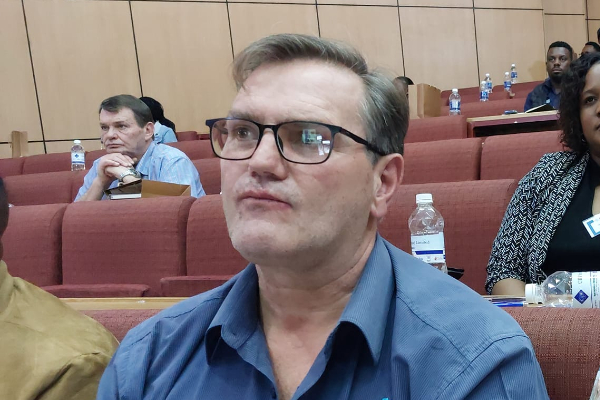
Speaking at the Chamber of Mines Annual General Meeting and Conference held at Elephant Hills Hotel in Victoria Falls on Thursday, Hon. Mnangagwa said these measures are crucial for minimising operational costs and promoting economic growth within Zimbabwe’s mining sector.

Zimbabwe’s government has instituted several policies to reduce the operational costs of mining, thus enhancing the sector’s productivity and profitability. Mnangagwa highlighted that the Ministry of Finance’s mandate extends beyond mere revenue collection, it encompasses economic development and investment promotion. This comprehensive approach involves crafting policies that foster business growth, create employment, and attract both local and international investors.

“The government has thus put in place a number of tax incentives for the sector in order to minimize costs of production. Part of our discussions, even in the Matete room of the Chamber, when the people in this room congregate and think of the Minister of Finance, the first role or mandate that comes to mind is the Treasury aspect, where, because I’ve travelled with my Commissioner General, Zimra, it would appear that the Minister of Finance is only interested in collecting, collecting, collecting. But, I will say, you should be refreshed to know that we have a mandate for economic development,” Mnangagwa stated.

Tax Incentives for the Mining Sector

Hon. Mnangagwa elaborated on the specific tax incentives available to the mining industry, which include:

1. Allowable Deductions and Expenditure – All capital expenditure on exploration, development, and operations incurred wholly and exclusively for mining operations is fully deductible. This provision allows taxpayers to elect to deduct such expenditure in the year it is incurred or carry it forward to subsequent years.

2. Assessed Losses – There is no restriction on the carryover of tax losses, providing significant relief for companies in their developmental stages or those facing temporary setbacks.

3. Corporate Income Tax Rate – A special reduced corporate income tax rate of 15% applies to holders of special mining leases. However, these holders are also subject to additional profits tax based on a specific profitability formula.

4. Exemptions from Certain Taxes – The Minister of Finance, after consulting with the Minister of Mines, can exempt holders of special mining leases from non-resident shareholder’s tax, non-resident tax on fees, non-resident tax on remittances, and non-resident tax on royalties.

5. VAT Deferment  – To aid with cash flow, the government allows for VAT deferment on capital equipment imports. This deferment, currently with a minimum threshold of $500,000, can be granted for up to 180 days and, under certain conditions, extended to a maximum of three years for long-term projects.

The Finance Deputy Minister stressed the necessity for mining companies to have accountants who are adept at navigating the intricate tax laws to fully exploit these incentives.

“To be able to fully exploit some of these tax incentives, make sure your accountants are familiar with the law and what is afforded to you,” he urged.

Mnangagwa underscored the government’s commitment to transforming Zimbabwe’s economy through value addition and beneficiation of mineral resources. This transformation aims to bolster the secondary sector’s contribution to GDP and increase the value of exports.

“Governments will, therefore, continue to urge all mining and manufacturing industry sector players to participate in the strengthening of existing value chains through value addition and beneficiation of minerals, in the process creating jobs for our people and growing exports,” he said.

This initiative aligns with Zimbabwe’s vision of becoming an upper-middle-income society by 2030.

Addressing Industry Concerns

Hon. Mnangagwa also tackled several issues raised by industry stakeholders, including the contentious special capital gains tax. This tax was introduced to ensure that Zimbabwe benefits from transactions involving local assets sold by foreign entities.

“The intent, again, of taxing the purchaser was that you know, the seller is sold from another country, he’s gotten his money, he’s enjoying his profits, he has no obligation to come back to Zimbabwe and pay that. But the purchaser is still here in Zimbabwe and he’s holding onto the assets,” Mnangagwa explained.

He acknowledged that consultations and policy formulations are ongoing processes aimed at refining these measures to ensure fairness and economic viability.

The Role of Royalties and Beneficiation Taxes

Mnangagwa also touched upon the increase in royalties from 2.5% to 7%, citing the need for accurate reporting from miners to ensure fair taxation. The government seeks to develop iterative models to understand the true costs of mining, thereby facilitating more informed policy decisions.

Additionally, discussions are underway regarding the deferment of beneficiation taxes for companies that are investing in building beneficiation plants. The goal is to balance immediate cash flow needs with long-term economic benefits without creating opportunities for evasion.

As Zimbabwe strives toward its 2030 vision, the collaboration between the government and the mining sector will be pivotal in driving economic growth and achieving sustainable development.

High Electricity Tariffs, Outages Choking Mining Industry, Gono

0

Chamber of Mines President Thomas Gono has said that the mining industry in Zimbabwe is grappling with significant challenges due to high electricity tariffs and frequent outages.

Speaking at the Chamber of Mines Annual Mining Conference 2024 on its third day at Elephant Hills in Victoria Falls, Gono highlighted the impact of electricity tariffs and outages on mining operations. He revealed that the increase in electricity tariffs to USc14.21/kWh in October 2023 had significantly raised production costs.

“Compared to our peers in the region and other major mining jurisdictions, the electricity tariff for Zimbabwean mineral producers is very high,” he said, appealing for a downward review of tariffs.

Power outages have also taken a toll on the industry. Companies not connected to dedicated power lines experience frequent outages, resulting in production losses and equipment damage. Despite the government’s support for ZESA subsidiaries to import critical components duty-free, many mining operations have had to invest in alternative power solutions, such as solar and diesel plants, to mitigate the impact of unreliable grid power.

Gono painted a bleak picture of the current state of the mining industry. He noted that industry growth had declined from 10.5% in 2022 to 4.8% in 2023, with mineral exports falling from US$5.6 billion to US$5.2 billion in the same period. This decline comes amidst a drought that has disrupted the strong economic performance of previous years.

“Our preference is for the mining industry to be resilient in supporting the economy in such difficult times,” Gono emphasized.

Foreign currency shortages have exacerbated the challenges faced by the mining sector. Increased use of the US dollar has put pressure on available retained export earnings, making it difficult for operations to meet their requirements. Gono acknowledged the government’s efforts to build confidence in the ZiG and secure its functional use, but stressed the need for ongoing engagement on foreign exchange management matters.

The mining industry also faces significant capital constraints. Most mining houses struggle to raise offshore funding and rely on internally generated resources, which have become limited due to softening mineral prices. This has led to the postponement of capital projects, negatively impacting the industry’s long-term growth.

“The funding gap to optimize operations and meet output targets remains huge,” Gono said.

Performance of Specific Minerals

Discussing specific mineral performances, Gono highlighted several key points:

– Gold output declined by 14% to 31.965 tons in 2023, attributed to rising costs and power shortages.
– Production of platinum, palladium, and iridium remained at 2022 levels, with declines in rhodium (-4%) and ruthenium (-13%).
– Primary nickel production faced challenges, with only one producer contributing 16% to total nickel production, though overall nickel production grew by 1.4% to 14,465 tons.

Despite these challenges, the mining sector accounted for approximately 78% of national exports in 2023 and contributed around 20% to government revenue. It also provided over 53,000 formal jobs and employed more than 500,000 artisanal and small-scale miners.

Policy and Legislative Matters

Gono expressed concern over the Special Capital Gains Tax on transferring mining title, which he described as a direct tax on the purchase price rather than capital gains.

“Applying the tax retrospectively has severe consequences on investor confidence,” he warned.

He also discussed the high royalties for platinum, diamond, and lithium, which have increased production costs and affected the viability of mining projects. Furthermore, Gono emphasized the need to finalize amendments to the Mines and Minerals Act and regularize the exemption of the mining industry from the Indigenisation and Economic Empowerment Act.

Looking Ahead

In his outlook for 2024, Gono projected a weighted average growth of around 7.6% in mineral output, driven by increased production in gold, ferrochrome, and coal. However, he cautioned that mineral revenues are expected to decline to around US$5 billion due to further softening of commodity prices. “Risks to the mining sector outlook include fragile power supply, capital constraints, foreign currency shortfalls, and high production costs,” he said.

25% Forex Surrender is here to Stay – RBZ Governor

0

Reserve Bank of Zimbabwe (RBZ) Governor Dr John Mushayavanhu has said that the 25% forex surrender requirement imposed on revenue generated from all mineral exports will remain in effect, emphasizing its crucial role in maintaining foreign exchange liquidity in the economy.

by Rudairo Mapuranga

Speaking at the Chamber of Mines Annual Mining Conference 2024 held at Elephant Hills Hotel in Victoria Falls, Dr Mushayavanhu stressed the importance of this policy for Zimbabwe’s financial stability.

“I want the mining sector to appreciate that since they are the major contributor to foreign exchange in this country, they should comply when we say we want the surrender to be 25 per cent. If the producers of 70 per cent of the forex come to us and say they want to surrender zero, where is this country going to get forex?” said Dr Mushayavanhu.

Former Chamber of Mines of Zimbabwe President Collin Chibaya had previously criticized the forex surrender requirement, describing it as an “unannounced tax” due to discrepancies between formal and informal exchange rates. Despite this, Dr Mushayavanhu underscored the necessity of the policy, linking it to the overall economic strategy and the stability of the new Zimbabwe Gold (ZiG) currency.

The governor highlighted that the ZiG currency, introduced as part of a broader monetary reform, has proven to be well-managed and stable.

“The transition from Zimbabwe dollars to ZiG has been smooth. We have maintained that at all times, ZiG is backed by reserves. This stability has resulted in price stability and even a slight deflation in recent months,” he explained.

Mushayavanhu also noted the improvements in the financial sector’s transparency and the introduction of new measures to manage liquidity and maintain a stable exchange rate.

“We have in the central bank introduced what we call the governor’s daily dashboard, which allows us to monitor key economic indicators in real-time,” he added.

The RBZ’s commitment to these policies aims to foster confidence in the local currency and ensure the sustainability of Zimbabwe’s economic growth, particularly in the mining sector, which remains a significant contributor to the nation’s foreign exchange earnings.

“As the country navigates these economic reforms, the central bank’s stance on the forex surrender policy remains firm, aligning with broader efforts to stabilize the financial system and promote a resilient economic environment,” he said.

The 25% requirement excludes artisanal and small-scale gold miners.

Zimbabwe gold buying prices per gram 30 May 2024

Fidelity Gold Refinery (FGR) official gold buying prices/ gram. See the Zimbabwe gold buying prices per gram today 30 May 2024.

SG 90% AND ABOVE US$71.19/g
SG ABOVE 85% BUT BELOW 90% US$70.44g
SG ABOVE 80% BUT BELOW 85% US$69.68/g
SG ABOVE 75% BUT BELOW 80% US$68.93/g
SAMPLE BELOW 10g BUT ABOVE 5g US$67.80/g

Fire Assay CASH $71.57/g

NB: Fire Assay cash price is for gold above 100gs, no sample is deducted.
For the Fire Assay Transfer price, a sample of not more than 10g is deducted
A 2% royalty is charged on all deposits (Small-scale miners)
A 5% royalty is set for Primary Producers

Cash available. Fidelity Gold Refinery prices will be changing daily to match world market prices.

Britain Determined to Invest in Zimbabwe’s Critical Minerals Sector

0

The British Embassy in Harare is intensifying efforts to strengthen trade relations with Zimbabwe, focusing particularly on the critical minerals sector.

Business writer

H. Cox, Head of Strategy and Engagement at the embassy, underscored this commitment during the Chamber of Mines Annual General Meeting and Conference’s critical minerals symposium held at Elephant Hills Hotel in Victoria Falls, emphasizing the potential for growth and collaboration between the two nations.

What Are Critical Minerals?

Critical minerals are essential elements required for high-tech applications, renewable energy technologies, and various industrial processes. These include lithium, cobalt, rare earth elements, and platinum group metals (PGMs), which are vital for manufacturing batteries, electric vehicles (EVs), wind turbines, and solar panels. These minerals play a crucial role in the global transition towards green energy, making them indispensable in combating climate change and achieving sustainable development.

Trade and Collaboration Between the UK and Zimbabwe

H. Cox highlighted the embassy’s strategic approach to enhancing trade ties with Zimbabwe.

“I lead our strategy and engagement team at the British Embassy in Harare. Our work covers a broad range of topics, but we’re particularly focused on increasing trade between the UK and Zimbabwe,” Cox stated. This focus is part of a broader mission to tap into Zimbabwe’s rich mineral resources and support its economic development.

Growing Trade and Preferential Access

The trade relationship between the UK and Zimbabwe has seen significant growth, thanks to a trade agreement that provides Zimbabwean exporters preferential access to the UK market.

“Last year, I’m pleased to say, trade between our countries grew by 67%. So, we’re moving in the right direction, but we see potential for much more, including in the area of critical minerals, which is what I’m here to speak to you about today,” Cox remarked.

Collaborations with Global Firms

The UK is already collaborating with major global mining firms such as BHP, Anglo-American, Barrick Gold, and Sandfire Resources. These partnerships aim to harness advanced technologies and best practices to explore and develop Zimbabwe’s mineral resources. Cox highlighted, “Masasa Infrastructure is using AI algorithms to accelerate roof development and power transmission lines, showcasing the innovative approaches being applied.”

Renewable Energy Initiatives

Cox also pointed to significant advancements in renewable energy projects in Zimbabwe. “I’m pleased to say Solar Century Africa, a UK company, recently signed an agreement with Dellaglio’s Eureka Gold Mine to build a seven-megawatt solar plant,” he noted. Such initiatives not only enhance energy security but also align with global efforts to reduce carbon emissions and promote sustainable energy sources.

Comprehensive Services by RSK Group

In addition to mining and renewable energy, the UK is providing extensive support services through firms like RSK Group. “RSK Group operates in over 40 countries and has a strong offer to the mining sector, including geophysical, hydrogeology, and ESG services,” Cox explained. The involvement of RSK Group underscores the UK’s commitment to ensuring that mining operations adhere to high environmental, social, and governance (ESG) standards.

PGM Future, Softening Prices, Resource Depletion, and Industrialization Highlighted at PGM Indaba

0

The afternoon session of the Chamber of Mines of Zimbabwe’s Annual General Meeting (AGM) 2024 witnessed a robust discussion on the future of the platinum group metals (PGM) industry.

Leading the plenary on “Update of PGMs Operations and Opportunities” were Alex Mhembere, CEO of Zimplats, Collin Chibafa, Chief Financial Officer of Unki Mines and Stephen Ndiyamba, General Manager of Mimosa Mining Company.

By Rudairo Mapuranga

The session commenced with a provocative question from the Deputy Minister of Finance and Investment Promotion, Hon. Kuda Mnangagwa, setting the stage for a comprehensive discourse on resource sustainability, market dynamics, and industrialization opportunities in the PGM sector.

Zimbabwe’s PGM Resource Longevity

Kuda Mnangagwa raised a critical concern regarding the longevity of Zimbabwe’s PGM resources

“I wanted us to put it more in a Zimbabwean context, and it will help the policymakers, especially on the fiscal side. When we talk of the estimated resource or the proven resource in the PGMs industry, I’ve been informed, or maybe misinformed, that if 40 years from now I am sitting in Senate, we might be debating a budget that excludes PGMs because the resources are limited. The resources will be exhausted. In a Zimbabwean context, what is the PGM industry looking like in terms of how long we are going to be mining platinum? It’s a key anchor in the economy in terms of forex reserves, in terms of earnings as well. That will inform, I guess, on policy, on whether you go to a friendly Commissioner General and Minister of Finance, or if they will be frowning a bit. I thank you.”

RJ Coetzee of SFA Oxford responded, emphasizing the underexploited nature of the Great Dyke’s PGM resources.

“Yes, thank you for the question. I think I’m the wrong person to answer it because I’m sitting with the most important people in your industry at the table, and they’ll have a much more intimate view. The short answer is yes, there will still be PGMs on the Great Dyke in 40 years from now. It is mostly underexploited as it stands now. I think I’ll leave it at that. With any new mining decision, you need a life of mine of at least 20 to 25 years anyway to make the decision.”

Alex Mhembere added, “I think the issue is not whether we would have a mine. It’s whether we would have conditions that promote mining in 40 years’ time. That is very critical. We may have mineral resources underground, but certainly, the issue is for us to develop and establish the capacity or the environment that allows us to mine, whether a foreign investor or not. That is very critical in my view. In terms of resources, we do have them. As simple as we are, we still have one more area to exploit before we exhaust. But even in the mines that we have developed, we will still be able to mine for at least the next 20 to 30 years. Our production will be coming down, but it will still be there in the next 20 to 30 years. And I think it’s the same for the other operators. And I do know some of our friends are starting their green projects now, GDI, Bravura, and others. So they certainly have lots of resources for the country to be producing PGMs.”

Stephen Ndiyamba concurred, stating, “So I think, as he rightly says, it seems like it’s not a question of the resource. It’s a question of how do we appropriately exploit that resource so that we get optimal value from it.”

Market Dynamics and Future Demand

Collin Chibafa addressed the crucial issue of future demand for PGMs, highlighting a significant risk related to the market’s shift towards electric vehicles.

“I think it’s important to add, will there be demand for PGMs 20 to 30 years from now? And that is one of the key risks we’re seeing, that two-thirds of our production goes into internal combustion engines in terms of limiting the production. So if you’re dealing with the emissions from your internal combustion engine, the market is moving towards battery electric vehicles. And the key question is, will we have uses for what we are producing? If there’s no demand for what we are producing, then yes, we might have the resource underground but we might not be able to exploit it or find someone to sell it to who would want to actually use it. So really, I think in this intervening period, we need to be able to mine, exploit, and then sell what we can while there’s demand for it, and to do so profitably.”

Abel Makura, President of the Association of Mine Managers of Zimbabwe (AMMZ), posed two pertinent questions to the PGM producers.

“I just have two short questions for the PGM producers. The first question that I have for them is, do they have any work that they are doing in terms of market research and intelligence, so that they are able to forecast the prices of our PGMs, like five years in advance, so that they already have strategies in advance on how to manage around the low prices, if they ever come, so that at the end of the day, it has minimum impact, especially on the workforce. Then the second quick question is, are they also engaging the government? Because if you look at Zimbabwe and South Africa, they are in the top three of the largest PGM producers in the world. So are they also engaging governments for assistance in terms of… So, for example, if they are having regulations that support the use of PGM-related products, like for example, the hydrogen fuel cell vehicles instead of the battery electric, like if they can… taxes that are higher or that are lower.”

Industrialization and Value Chains

Heresy Herry from Nedbank highlighted the finite nature of mining and stressed the importance of developing value chains and sub-industries to sustain future generations.

“I think what’s crystal clear based on the presentation by the PGM is that mining is a finite resource. The only thing that’s going to sustain our great-grandchildren are the value chains and the sub-industries that will create their farm. But I’ve been coming here for the last six to ten years, and I’ve never seen the Minister of Industry as part of this symposium. And the Minister, as we talked about creating a $12 billion industry, there must be a complementary document that gets us from the $12 billion that Isabella was talking about to the $7.3 trillion. Let’s take a cue on what’s happening in India, what’s right. They’ve got no diamonds to talk about, but they’ve been able to create an industry.”

Hon. Supa Mandiwadzira further elaborated on the need for industrialization and the importance of local value addition.

“I think it’s very interesting to see what we now understand and know about the platinum PGMs industry. But I think context is always important. It would have been better if they told us in the last five years how much did the three players make in terms of profits so we can understand whether the problems they are pointing out are because the market is deep or because of a lack of planning. And I think it’s related to the question the colleague has just asked here, where he’s saying, you know, we’re going to have to do this. You know, where is your projections, where is your forecasting in terms of pricing? The second point I need to make is RJ spoke about the fact that the industry is beginning to use much more greener PGM replacements, like recycling. And obviously, the concern is that we’re getting more and more EV vehicles, which means it’s a dying industry. And the concern the industry is raising is, you know, government is taking a lot of money. Shouldn’t the government be taking so much money from a dying industry anyway when the prices are still high enough for it to take that money?

“I also want to talk about the industrialization that the gentleman from Nedbank has just been talking about. The industry has made a lot of money, and we know these statistics that have been given here. What value chain industries have they created? I know they supported a lot of local people to be supplying into the platinum industry, but they import from South Africa, they import from China. Have they deliberately supported local manufacturing to replace these imports of the raw materials where they could now leverage some of the production that’s being made locally?

“And finally, I think somebody else spoke about talking to contractors to reduce their costs by 10%. I like this concept. I hope it also works the flip side. When the prices are high and they’re making money, they give incentives to the contractors for more money. Because it does appear, only when they’re in a crisis, does the industry come and cry and say, you know, you are sub-buying us, reduce your price. You know, the government, reduce your tax. When they are making more money, there’s no point where they say, you need to earn more money from us. We’re making more money. Increase your tax. It has to be fair at some point.”

Market Research and Planning

RJ Coetzee provided insight into the market research and planning efforts undertaken by the PGM industry. “Let’s get going. So the gist is, do producers have forecasts and where’s the market development? Yes, there are forecasts. Each mining company will develop their own forecasts and we would, for instance, develop an independent forecast on what the pricing is. I think to address a bit more of it, we saw an unprecedented revenue contribution from metals such as rhodium, which was not as significant in the basket 10 years ago.”

Provide Incentives for Value Addition, Offer Tax Holidays to Improve Critical Mineral Sector – Gong

0

Bikita Minerals Managing Director Xuedong Gong has reiterated that for the country to benefit from critical minerals, it is important to ensure incentives and tax holidays are given to companies promoting beneficiation and value addition of minerals.

Business writer

In a compelling address at the Chamber of Mines of Zimbabwe Annual General Meeting and Conference 2024 Critical Minerals Symposium held at Elephant Hills Hotel in Victoria Falls on Wednesday, Xuedong Gong, Managing Director of Bikita Minerals, emphasized the necessity for governmental incentives and clear policies to bolster Zimbabwe’s critical mineral sector.

Owned by Sinomine, Bikita Minerals has been at the forefront of lithium production, yet faces significant challenges due to fluctuating market conditions and regulatory uncertainties.

Local Processing and Value Addition

Gong highlighted the strategic importance of local processing and beneficiation in the mineral sector.

“Realized through value addition and beneficiation, we know that by processing locally, we stand to gain more than by only exporting raw materials. However, the drop in PGM prices has hit plans for value addition hard. Despite this, we still submit our advised plans to the Ministry of Mines, just like other producers,” Gong said.

Investor Confidence and Policy Uncertainty

A significant portion of Gong’s address was dedicated to the issue of investor confidence, which he described as being “very low due to policy uncertainty.”

He elaborated, “Zimbabwe’s regulatory environment for mining and investment has been perceived as challenging, with concerns around policy unpredictability. For instance, some ideas from the government change very frequently, impacting our strategies significantly. What we did last year is completely altered by new government directives this year.”

The Role of Government in Creating an Enabling Environment

Gong urged the Zimbabwean government to recognize its critical role in fostering a conducive environment for lithium producers.

“We hope the Zimbabwean government understands its critical role in creating an enabling environment for lithium producers. Clear and consistent policies on licensing, taxation, and export regulations are essential to provide certainty and attract investors. By aligning policies with industry needs and global best practices, the government can promote sustainable growth and innovation in the lithium sector,” he stated.

Infrastructure Challenges

In addition to regulatory issues, Gong pointed out the infrastructure deficits that hinder the development of new investments in the lithium sector. “For new investments in lithium, we require basic infrastructure, such as roads, transportation, power, and water supply. The lack of these in lithium-rich regions can hinder exploration and extraction of lithium reserves, significantly influencing production costs,” he explained.

The absence of adequate infrastructure not only increases operational costs but also limits the ability to compete in the global market. To mitigate these challenges, Gong called for substantial government support to develop the necessary infrastructure.

Incentives and Tax Holidays

In his concluding remarks, Gong made a strong appeal for government incentives to support the critical mineral sector.

“Therefore, we urge the government to provide incentives for value addition and offer tax holidays for new investments. Ensuring our products are competitively priced on the global market requires substantial support from the government,” he emphasized.

Such incentives are crucial for fostering a robust mining sector capable of driving economic growth and innovation. Tax holidays for new investments can attract fresh capital, encourage technological advancements, and ensure the sustainability of the industry.

Bravura Joins Chamber of Mines, Announces Plans to Launch Processing Plant

0

Pan-African mining company Bravura is poised to significantly impact Zimbabwe’s mining industry as it gears up to become one of the major lithium producers in the country.

The company joined the Chamber of Mines of Zimbabwe (CoMZ) and proudly announced the completion of its state-of-the-art processing plant. Manufactured in South Africa and partially powered by Ai, the 300-tonne-per-hour plant is set to be installed at the Kamativi mine site in due course, marking a significant milestone for Bravura and the nation’s mining sector.

Bravura’s ambition was highlighted at the recent Platinum Group Metals (PGMs) Symposium, held during the Chamber of Mines of Zimbabwe (CoMZ)’s Annual General Meeting and Conference at Elephant Hills Hotel in Victoria Falls.

As a Platinum sponsor of the event, Bravura showcased its commitment to advancing Zimbabwe’s mining industry and received commendations from the Minister of Mines and Mining Development, Hon. Winston Chitando.

Chitando expressed optimism about Bravura’s potential to become one of the country’s leading mining companies.

At Kamativi, the company focuses on processing tailings left by the Kamativi Tin Mine to extract lithium spodumene. With an estimated 25 million tonnes of tailings to process over eight years, Bravura’s project promises substantial economic benefits.

Olugbenga Ojo Bravura group General Manager the company confirmed that the plant had been commissioned and tested in South Africa and is ready for its critical role in Zimbabwe.

“The supplier has already commissioned the plant in South Africa and tests have been done,” Ojo said.

Head of the project, Dr. Tafadzwa Murinzi, in March at the mine site said the 30-tonne-per-hour processing plant will produce 30,000 tonnes of spodumene concentrate per annum.

“Our plant is a 300-tonne-per-hour plant, which translates to about 1.1 million tonnes of tailings being processed, and this translates to about 30,000 tonnes of spodumene concentrate per annum, which is about 25 million tonnes, and it is a spodumene grade of approximately 5%, which translates to lithium of about 0.6%. We’re expecting that with our plant capacity, we can mine it over 8 to 10 years. We will employ about 400 to 500 people, but obviously, we’ll begin in the initial phase, employing about 25% of that, and then we’ll only ramp up to about 400 to 500 people when the plant is operating at a steady state,” Dr Murinzi said.

Zimbabwe’s global contribution to lithium production stands at 1.8%. However, there is significant potential for growth with Bravura poised to make a difference.

The introduction of Bravura’s lithium processing plant in the Kamativi area is anticipated to revolutionize the local economic, social, and mental landscape in the otherwise lacklustre rural area.

Bravura will be the second company to operate in Kamativi after Lithium miner Kamativi Mining Company (KMC), breathing life into the small community about 85km from Hwange.

Zimbabwe gold buying prices per gram 29 May 2024

Fidelity Gold Refinery (FGR) official gold buying prices/ gram. See the Zimbabwe gold buying prices per gram today 29 May 2024.

SG 90% AND ABOVE US$71.41/g
SG ABOVE 85% BUT BELOW 90% US$70.65g
SG ABOVE 80% BUT BELOW 85% US$69.90/g
SG ABOVE 75% BUT BELOW 80% US$69.15/g
SAMPLE BELOW 10g BUT ABOVE 5g US$68.01/g

Fire Assay CASH $71.79/g

NB: Fire Assay cash price is for gold above 100gs, no sample is deducted.
For the Fire Assay Transfer price, a sample of not more than 10g is deducted
A 2% royalty is charged on all deposits (Small-scale miners)
A 5% royalty is set for Primary Producers

Cash available. Fidelity Gold Refinery prices will be changing daily to match world market prices.