Home Blog Page 79

Zimbabwe’s Mining Sector Still Treating ESG as a Checklist, Says Expert

0

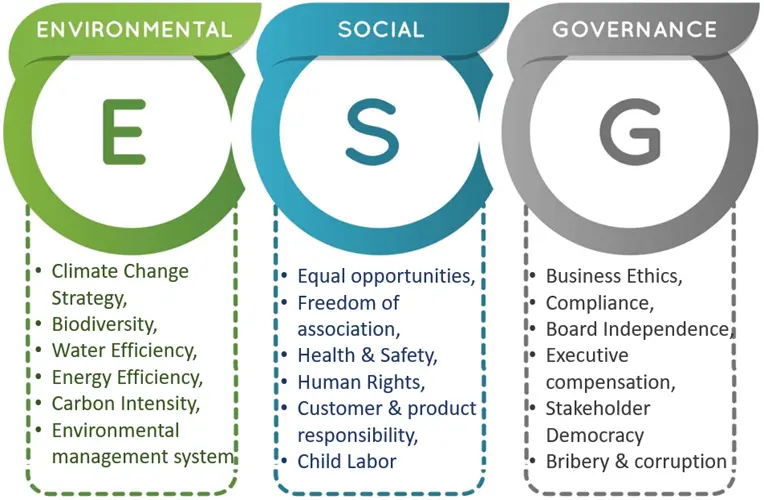
Environmental, Social, and Governance (ESG) practices are slowly becoming a central theme in global mining discourse. However, in Zimbabwe, one of Africa’s key mineral producers, the ESG conversation remains stuck somewhere between boardroom presentations and glossy compliance reports, with very little filtering down to the people and places mining directly impacts, ESG expert Tafara Chiremba told Mining Zimbabwe.

By Rudairo Mapuranga

Chiremba, a leading expert on sustainable mining from the Zimbabwe Environmental Law Organisation (ZELO), formerly known as the Zimbabwe Environmental Law Association (ZELA), when asked whether ESG has been genuinely integrated into the core strategy of Zimbabwean mining operations or is still being treated as a checkbox obligation, didn’t mince his words: “It is largely a compliance issue so far.”

That honest admission is both revealing and unsettling.

Across several forums, from policy roundtables to mine site inspections, ESG has become the most thrown-around term in corporate mining language. But as Chiremba’s insights reveal, the reality on the ground is starkly different. ESG in Zimbabwe’s mining sector, for the most part, is yet to transcend performative declarations and become the transformative tool it was intended to be.

Tick-Box ESG: A Symptom of Shallow Integration

Zimbabwe’s mining sector has no shortage of ESG commitments on paper. Companies speak glowingly of sustainability, stakeholder inclusion, environmental stewardship, and community empowerment. Yet, when the public ESG reports land, they often feel like documents prepared to satisfy investor expectations, not to reflect lived community experiences.

Chiremba explains that what’s missing is not just the reporting, it’s the actual process behind it.

“Many companies avoid the genuine processes and go straight to the report, just for compliance purposes,” he noted.

It’s not that ESG reporting itself is flawed. In fact, frameworks like the Global Reporting Initiative (GRI), one of the most widely accepted sustainability reporting models, provide a thorough, internationally respected blueprint. The real issue is that Zimbabwean mining companies, particularly those operating in the small-scale mining to mid-tier space, often sidestep the rigorous foundational work required to make ESG meaningful.

The Real ESG Process — What Companies Are Skipping

Chiremba laid out what proper ESG integration actually looks like, highlighting that true sustainability is not a paragraph in an annual report, it’s a living, evolving system.

The process begins at the top. “Development of governance systems is the first step,” Chiremba explained. “You need buy-in from leadership from the boardroom to shaft.”

From there, a mining company must:

  • Develop an ESG strategy and goals after wide consultations with stakeholders not just investors, but host communities, regulators, employees, and civil society.

  • Conduct a materiality assessment to understand what issues matter most to each stakeholder group.

  • Undertake due diligence and comprehensive risk assessment, then craft a risk management plan that includes the community.

  • Identify value creation opportunities — turning CSR into more than a donation, but a means of sustainable economic empowerment.

  • Implement actual CSR or community development projects that go beyond window dressing.

  • Adopt a reporting framework that speaks to all material topics, not just what looks good to financiers.

  • Most importantly, continuously assess and review ESG systems, especially the relevance of material topics in collaboration with communities.

It’s a cycle of listening, acting, evaluating, and improving. That is what’s missing in most ESG efforts in Zimbabwe.

The Cost of Cosmetic ESG

When ESG is done only for compliance, communities suffer. Promises are made but not kept. Projects are launched but abandoned. And worse, host communities lose trust not just in mining companies, but in the entire governance ecosystem that is supposed to regulate them.

A mine may claim to be climate-sensitive, yet dump effluent into rivers. It may claim stakeholder engagement, yet leave local voices out of planning processes. These contradictions breed resentment and eventually, resistance.

Mining firms that skip foundational ESG processes also end up missing out on long-term value: fewer partnerships, lower investor confidence, and growing regulatory risks. In a world increasingly attuned to ESG scoring, half-measures are fast becoming liabilities.

What Zimbabwe’s Mining Sector Must Do

Chiremba’s recommendation is clear: shift from cosmetic compliance to process-driven sustainability.

Zimbabwean mining companies must treat ESG not as a hurdle to jump over but as a tool to transform how they operate. ESG should no longer be the responsibility of a lone officer tucked in some corner of the office. It should be embedded in operations, finance, human resources, health and safety, procurement, and most importantly, community relations.

Local communities should no longer be passive recipients of corporate social responsibility. They must become co-creators of sustainability strategies. They should be trained, resourced, and empowered to monitor air, water, and land use — and to hold companies accountable in real time.

If mining is to remain viable in Zimbabwe, ESG must stop being a buzzword and start being a culture.

Gold buying prices per gram in Zimbabwe today, 29 July 2025

Gold buying prices per gram in Zimbabwe today, 29 July 2025, from the official gold buyer and exporter Fidelity Gold Refinery (FGR).

SG 90% and ABOVE US$100.42/g.
SG ABOVE 89% BUT BELOW 90% US$99.35/g.
SG ABOVE 80% BUT BELOW 85% US$98.29/g.
SG ABOVE 75% BUT BELOW 80% US$97.23/g.
SAMPLE BELOW 10g BUT ABOVE 5g US$95.63/g.

Fire Assay CASH $100.95/g.

NB: Fire Assay cash price is for gold above 100g; no sample is deducted.

A sample of not more than 10g is deducted for the Fire Assay Transfer price.

A 2% royalty is charged on all deposits (Small-scale miners).

A 5% royalty is set for Primary Producers.

Gender Issues Risk Overshadowing Focus of the Mines and Minerals Bill

0

The long-awaited Mines and Minerals Bill has finally been gazetted. For many in the mining sector, especially those who have followed the Bill’s slow, tortured journey over the years, this was supposed to be a moment of hope. A chance to finally craft legislation that speaks to the needs, aspirations, and realities of Zimbabwe’s mining industry, from large-scale operators to the ever-vulnerable artisanal and small-scale miners (ASM).

By Rudairo Mapuranga

But if the consultations leading up to the Bill’s gazetting are anything to go by, it seems we are slowly drifting off course.

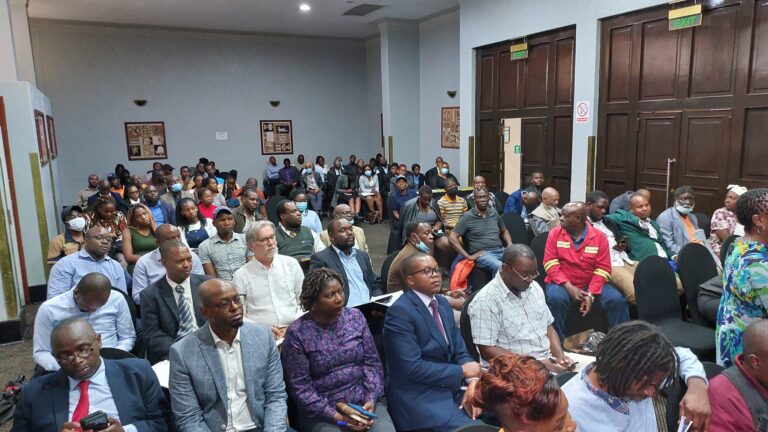
Having attended a number of stakeholder engagements convened by civil society organisations, mining associations, and other platforms and I couldn’t help but notice a trend. While some sessions genuinely attempted to dissect the Bill from a technical mining point of view, many were eventually hijacked by issues that, although important in broader national discourse, have little to do with mining legislation.

Instead of focusing on tenure security, the rights and responsibilities of title holders, mechanisms for dispute resolution, formalisation of ASM, taxation, environmental protection, and beneficiation, we found ourselves drowning in a sea of gender representation quotas, war veterans’ historical entitlement claims, disability considerations, and other socio-political grievances.

Let me be clear: women, people with disabilities (PWDs), and war veterans are an important part of our national fabric. Their rights matter. Their voices must be heard. But the Mines and Minerals Bill is not the place to do that heavy lifting.

We risk diluting a law that must be anchored on clear technical, legal, and economic principles by stuffing it with identity politics and populist sentiments that belong elsewhere. Zimbabwe already has specific frameworks from the Ministry of Women’s Affairs, the Ministry of Veterans, to the Disability Board designed to cater to the needs of specific constituencies. Their laws, policies, and regulatory tools exist for a reason.

The Mines and Minerals Bill is and should remain, a document that governs mining. Full stop.

It should be about access to mineral rights about who owns what, who explores, who exploits, and how revenue is shared. It should address how small-scale miners are integrated into the formal economy, how land conflicts are resolved, and how communities benefit from the minerals under their feet. It should talk about the responsibilities of investors, not their gender; about compliance and environmental duty of care, not personal identities.

Yet what we are seeing now is a dangerous trend. There’s a race to turn the Mines and Minerals Bill into a repository of everyone’s grievances, a pressure point for every demographic category that wants legal recognition in the extractives. That may win political applause, but it loses the mining plot entirely.

Even the small-scale miners, who have always been underrepresented, are now fighting for space to raise core issues. Their submissions on land tenure, mining title security, exploration rights, and forex retention have often been buried under feel-good speeches about inclusivity and empowerment.

What we must ask ourselves is: when the final draft of this Bill becomes law, what kind of document do we want? One that speaks to the real governance of mineral resources in Zimbabwe? Or one that tries to solve all our social problems under the guise of mining law?

This is not to say the mining industry should be exclusionary or blind to injustice. On the contrary, mining should lead the way in promoting equity, employment for the marginalised, and community development. But that must be achieved through the implementation of policy not by cluttering the foundational legal instrument of the sector with sections and clauses that do not serve the core objectives of mineral governance.

Real change for women in mining, for PWDs in the mining value chain, and war veterans seeking opportunities comes not from token clauses in the Mines Bill, but from state-backed economic programmes, financing models, training, and procurement policies. It comes from enforcement, not legislation alone.

The danger with trying to fix everything in one Bill is that we end up fixing nothing.

At this rate, we risk producing a Mines and Minerals Act that doesn’t actually speak to miners — a law that is politically correct but practically ineffective. One that pleases everyone on paper, but works for no one in practice.

As the debate rages on, let us remember that a mining law must remain a mining law. Let us elevate the voices of geologists, engineers, surveyors, environmentalists, title holders, ASM associations, and mining professionals. Let us fight for a document that unlocks mineral value, not a document that looks good in a donor’s gender mainstreaming report.

We owe that to the sector. We owe that to the miners. We owe that to the nation.

Rising Mining Job Scams and How to Protect Yourself

0

The Zimbabwe mining sector is facing a surge in fake job recruitment scams, with fraudsters exploiting the desperation of job seekers by circulating false job adverts and soliciting money upfront. Several mining companies have issued public alerts as the scams continue to proliferate, particularly on social media platforms.

By Ryan Chigoche

The Zimbabwe Consolidated Diamond Company (ZCDC) recently warned the public after uncovering a network of conmen claiming to be recruiting for a new diamond mining project in Marange. The perpetrators have reportedly been demanding cash payments from job seekers in exchange for non-existent employment opportunities.

This warning was quickly followed by a similar alert from the Minerals Marketing Corporation of Zimbabwe (MMCZ), which stressed that its official job advertisements are only published through its verified social media platforms—LinkedIn, Facebook, Twitter, Instagram—and on its corporate website. The corporation urged the public to treat any communication or adverts outside these channels as fraudulent.

Namib Minerals has also raised concerns after discovering fake job adverts circulating online using the company’s logos and letterheads. In these cases, scammers have been targeting job seekers by requesting so-called “processing fees” or “placement charges” as a precondition for employment, further highlighting the widespread nature of these scams across the mining sector.

These scams have become increasingly sophisticated. Fraudsters have been known to create convincing websites and forged documents to make their schemes appear legitimate. In some instances, victims are even invited to fake interviews at hired venues to enhance the illusion of credibility.

Victims often lose amounts ranging from US$500 to US$1,000—money that is usually borrowed or saved over long periods. Many only realise they have been scammed when the advertised job never materialises, by which time the fraudsters have disappeared.

How Job Seekers Can Stay Safe

Mining companies and law enforcement agencies have repeatedly emphasised the importance of vigilance when applying for jobs. They stress that job seekers must take extra precautions and verify all information before committing to any recruitment process.

  • Never pay: Genuine mining companies do not ask for any form of payment during recruitment. Application fees, “medical clearance” charges, and processing fees are all common tactics used by scammers. If you are ever asked to pay for a job, it is almost certainly a scam.

  • Verify job adverts: Always cross-check vacancies with the company’s official website and its verified social media pages. Fraudsters often use the names and logos of well-known companies to gain trust, but official communication will only appear on platforms controlled by the company.

  • Check communication channels: Legitimate recruiters use company email addresses with proper domains (e.g., @companyname.com) and official phone numbers listed on their websites. Be suspicious of adverts or correspondences sent from personal email addresses such as Gmail or Yahoo, or numbers that are not publicly associated with the company.

  • Be cautious of pressure tactics: Scammers often try to create a sense of urgency, claiming that positions are limited or that payment must be made immediately to “secure” a job. This is designed to discourage victims from asking questions or verifying details. Always take the time to verify the opportunity before committing.

  • Do background research: Before applying, research the company’s recent activities and announcements. Scammers sometimes advertise jobs for companies that do not have any ongoing recruitment drives. A quick check with the company’s HR department can save you from being defrauded.

  • Do not share personal information unnecessarily: Fraudulent recruiters often request identity documents, bank details, or other personal information, which can be used for identity theft. Only share such information after you have confirmed that the opportunity is genuine.

  • Report suspicious activities: If you encounter a suspicious job advert or recruiter, immediately notify the company in question and the police. Reporting helps stop scammers and protects others from falling victim.

By following these steps, job seekers can significantly reduce the risk of being exploited. Mining companies have made it clear that verification is key—if a job offer seems too good to be true, it probably is.

With scam job adverts on the rise, mining companies are urging job seekers to report any suspicious vacancies or demands for money directly to the company’s Human Resources department or to the police. Swift reporting can help authorities act quickly and may prevent other people from falling victim to the same schemes.

The increase in fraudulent recruitment activities is widely linked to Zimbabwe’s challenging job market, which scammers are taking advantage of to exploit vulnerable individuals. Industry players continue to emphasise the need for job seekers to prioritise verification at every stage of the recruitment process and to exercise caution when opportunities appear questionable. Remaining alert and proactive is seen as the most effective way to stay protected.

With the mining sector continuing to grow and generate interest among job seekers, fraudulent recruiters are expected to intensify their efforts. Job seekers are urged to remain vigilant, double-check every job advert, and remember that no genuine mining company will ever ask for money as part of its recruitment process.

DRC Pushes for Higher Prices to Boost Local Processing

0

The Democratic Republic of Congo (DRC), which produces more than 70% of the world’s cobalt, has declared its intention to seek a higher international price for the critical mineral, arguing that undervaluation is hurting its ambitions to scale up local processing and industrialisation.

By Rudairo Mapuranga

Cobalt is a vital component in electric vehicle (EV) batteries, aerospace technology, and energy storage systems, making it one of the most sought-after minerals in the global energy transition. Yet despite its dominance, the DRC remains heavily dependent on raw cobalt exports, primarily to China, where the mineral is processed into battery-grade materials and cathodes.

The DRC government has made it clear that the country no longer wants to be a mere supplier of raw materials. “We cannot continue exporting our wealth cheaply while the real value is created elsewhere,” said a senior Congolese official. “The global push for green energy must not come at the cost of Africa’s industrial development.”

Value Addition as Leverage

The move aligns with growing calls across mineral-rich African countries for better returns from their natural resources. The DRC government is reportedly preparing to engage key buyers—particularly from China and Europe—with a strategy to push cobalt prices higher, using its market dominance as leverage.

At the heart of this strategy is the demand for local processing. “We want buyers to invest in refining cobalt here in Congo,” the official added. “That’s how we create jobs, skills, and technology transfer.”

This push comes amid increasing scrutiny of global supply chains, where consumers and automakers are under pressure to ensure traceability and ethical sourcing. By boosting domestic processing, the DRC aims not only to capture more value but also to rebrand its sector as a responsible source of clean energy minerals.

Zimbabwe Sets the Tone for Local Processing

The DRC’s vision mirrors developments in other African countries such as Zimbabwe, which in 2024 banned the export of raw base minerals, including lithium, nickel, copper, and chrome. Earlier this year, Zimbabwe went a step further by announcing that from January 2027, no lithium will be allowed for export unless it is battery-grade.

Chinese-backed operations like Kamativi Mining Company, Bikita Minerals, and Arcadia Lithium Mine have already committed to building battery-grade processing plants inside Zimbabwe. The southern African country’s strategy is to position itself as a key midstream player in the global battery value chain—an ambition Congo now appears eager to emulate.

China Still Dominates Processing

While the DRC is the world’s cobalt powerhouse, China processes over 75% of the mineral globally, with most of Congo’s cobalt exported in raw form to Chinese refineries. The pricing model, heavily influenced by Chinese importers and traders, has long been criticised for undervaluing Congolese cobalt—despite its critical role in high-end technologies.

The DRC’s move to review pricing and boost domestic refining may create tensions with some buyers, but it also offers opportunities for deeper industrial partnerships. If international firms want secure, long-term access to cobalt, Congo is signalling that investment in local processing facilities could be part of the deal.

Challenges Remain

However, the DRC’s push for higher cobalt prices and local beneficiation comes with challenges. The country still faces infrastructure bottlenecks, power shortages, and regulatory uncertainty that deter long-term industrial investment. Additionally, small-scale artisanal mining—estimated to account for 15–20% of cobalt production—raises safety and traceability issues that complicate ESG compliance.

Nonetheless, with the world racing toward electrification and cobalt demand forecast to double by 2030, Congo holds a powerful bargaining chip. Whether through pricing negotiations, export taxes, or outright bans on raw exports, the country is expected to flex its market muscle in the coming months.

What’s at Stake

The DRC’s new stance represents a critical moment for global supply chains. It signals a growing determination among resource-rich countries to reclaim control and share in the wealth created from minerals that power the green economy. And with Zimbabwe already laying the groundwork for a beneficiation-based model, a broader continental shift may be underway.

As one regional analyst put it, “The world wants Africa’s minerals for its future. Africa now wants its fair share of that future.”

Chinese man shot dead in a mine armed robbery

0

The Chinese Embassy in Zimbabwe is reported to have issued an urgent safety alert following the fatal shooting of a Chinese national during an armed robbery at a Chinese-operated mining site in the Midlands Province.

According to the Global times a Chinese English Newspaper, the attack has sparked heightened security concerns within the Chinese community and prompted swift diplomatic and security responses.

In an official statement released Sunday, Globql times said, the embassy confirmed that “a Chinese-operated mining enterprise in Zimbabwe’s Midlands Province was robbed, and a Chinese national was shot and, despite rescue efforts, succumbed to his injuries.”

Following the incident, the embassy immediately dispatched a medical assistance team to aid in treatment efforts and urged Zimbabwean authorities to “intensify their investigation, apprehend the perpetrators as soon as possible, and implement effective measures to protect Chinese companies, institutions, and citizens.”

The embassy emphasized the seriousness of the incident, calling on all Chinese-funded enterprises and nationals in Zimbabwe to remain alert and reinforce their security protocols.

“Chinese-funded enterprises and citizens in Zimbabwe [must] stay informed of the local security environment, strengthen onsite protection, and develop clear emergency response plans,” the statement read. The embassy further recommended hiring professional security personnel for both workplace and residential protection where resources permit.

As part of broader safety guidance, Chinese nationals have been advised to exercise extreme caution.

“Remain vigilant for suspicious individuals, avoid crowded or high-risk areas, and conceal cash and valuables when traveling,” the statement continued, also warning against traveling alone or at night.

The embassy released emergency contact information and reaffirmed its commitment to working closely with Zimbabwean law enforcement to ensure justice and prevent further violence.

The Chinese community in Zimbabwe is now on high alert as investigations continue.

Global Times

Gold buying prices per gram in Zimbabwe today, 28 July 2025

Gold buying prices per gram in Zimbabwe today, 28 July 2025, from the official gold buyer and exporter Fidelity Gold Refinery (FGR).

SG 90% and ABOVE US$101.58/g.
SG ABOVE 89% BUT BELOW 90% US$100.50/g.
SG ABOVE 80% BUT BELOW 85% US$99.43/g.
SG ABOVE 75% BUT BELOW 80% US$98.35/g.
SAMPLE BELOW 10g BUT ABOVE 5g US$96.74/g.

Fire Assay CASH $102.12/g.

NB: Fire Assay cash price is for gold above 100g; no sample is deducted.

A sample of not more than 10g is deducted for the Fire Assay Transfer price.

A 2% royalty is charged on all deposits (Small-scale miners).

A 5% royalty is set for Primary Producers.

Mimosa ESG Strategy Hailed for Strong Governance, Community Engagement

0

At a time when Environmental, Social, and Governance (ESG) compliance is no longer a box-ticking exercise but a business imperative, Mimosa Mining Company is steadily emerging as one of the few mining giants in Zimbabwe with a deliberate, structured, and transparent ESG agenda, a recent assessment highlighted.

By Rudairo Mapuranga

The report, seen by Mining Zimbabwe, described Mimosa’s ESG architecture as robust and evolving, with evidence of a company that is “producing comprehensive ESG reports since 2023 which are publicly available,” supported by clear “materiality assessment guidelines and stakeholder engagement strategy.”

According to the report, at a time when ESG frameworks are often paper-deep, Mimosa’s model offers something more tangible: governance that begins at board level, data that is externally assured, and policies that inform action — not just statements.

The report states that Mimosa is aligning itself with the Global Reporting Initiative (GRI), a globally recognised ESG reporting benchmark that few local mining companies have fully adopted.

“The company has a strong governance structure starting at the board level going down,” reads the report.

“The organisation has structured its ESG systems using GRI standards… and reports on the most important material issues in accordance with GRI.”


Third-Party Assurance and Transparent Reporting

One of the report’s standout findings is Mimosa’s commitment to transparency, particularly through third-party assurance of its ESG reports. In a mining landscape where some operators still avoid disclosure or produce low-quality reports, this signals a shift in mindset — one that values openness and accountability.

Furthermore, the company reportedly “conducts evaluation of its CSR projects” and runs community environmental monitoring forums — a participatory mechanism aimed at involving local communities in environmental stewardship.


Community-First Approach to Environmental Monitoring

The report outlines that Mimosa has embraced meaningful community engagement, not only in policy but in practice. However, it also recommends that more be done to build the capacity of the local community so they can participate more effectively in environmental monitoring activities.

“There is need for capacity building of the local community to enhance their effective participation in environmental monitoring activities of the company… focusing on water, air quality and noise indicators,” the report notes.

These aren’t criticisms. Rather, they are forward-looking suggestions that seek to amplify what Mimosa is already doing, particularly around helping the community understand risk assessment, private sector engagement, and environmental data.

There’s a call to capacitate the community on engaging the private sector, understanding the roles of government agencies such as RDCs, and participating in the mitigation of environmental risks using structured processes.


Driving Sustainable Livelihoods

Mimosa’s social impact work is also under the spotlight. The report recognises that while community projects are being implemented, there is scope to strengthen governance around them.

“Raise awareness and support the community to develop governance structures for livelihood projects… through committee development of water point committees, livestock projects, and development of constitutions for the projects,” the report says.

This would promote ownership and sustainability of these projects — a crucial aspect often overlooked in CSR work where donor fatigue and dependency can creep in without clear exit or ownership strategies.


Packaging Reports for Community Engagement

The report also flags a key communication gap between the technical nature of ESG reports and the need for grassroots-level understanding.

“Repackaging of Mimosa Sustainability Reports for ease of understanding for communities… using radio dialogues,” is recommended.

This is not just a communications strategy; it is a bridge to deepen community trust and empower locals with information that affects their lives and land.


A Model Others Should Study

What emerges clearly from this assessment is that Mimosa Mining Company is not just operating a mine — it is operating a system of corporate governance, environmental responsibility, and community engagement that many in Zimbabwe’s mining sector are yet to establish.

By using internationally accepted standards such as GRI, subjecting its data to third-party review, and structuring its engagement through documented policies, Mimosa is effectively laying down a marker for what responsible mining can and should look like.

It’s not perfect — and no model is — but it’s moving, it’s visible, and it’s honest.


ESG as a Value, Not a Buzzword

In a sector often clouded by issues of environmental degradation, unregulated operations, and opaque governance, Mimosa’s structured ESG approach is both refreshing and necessary. The report reinforces that mining is no longer just about what comes out of the ground, but what is left behind — for people, for the planet, and for generations.

With recommendations that Mimosa is likely to consider seriously, the future of ESG in Zimbabwe’s mining sector may already have a case study — one that other players would do well to read, study, and perhaps even adopt.

Australian Mine Fined Nearly A$1 Million Over Worker’s Death — Will Zimbabwe’s Mining Sector Ever Be Held to the Same Standard?

An Australian mining company has been fined nearly A$1 million (approximately US$670,000) over the death of a 25-year-old underground mineworker—a clear example of corporate accountability that raises a pressing question for Zimbabwe: Will local mines, including small-scale operations, ever face public prosecution or meaningful financial penalties for fatal workplace incidents?

By Ryan Chigoche

In a country where over 200 mining deaths are recorded annually, and where small-scale and informal mining—often harder to regulate—accounts for the vast majority of fatalities, the question becomes even more urgent: will the arm of the law ever stretch far enough to preserve the value of life across the sector?

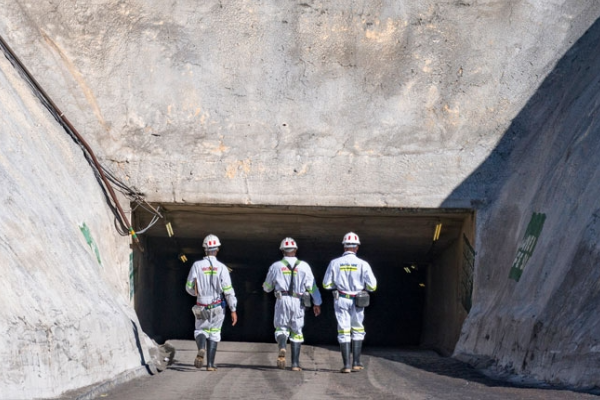
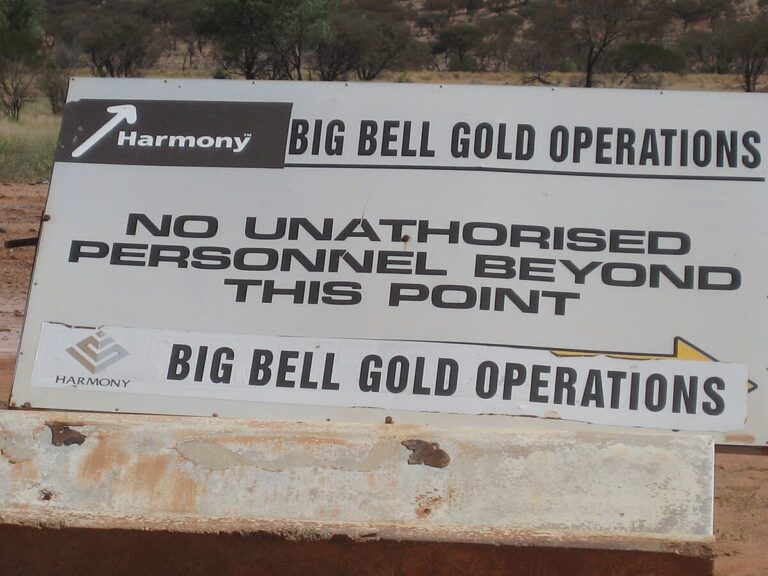
Australian gold miner Big Bell Gold was penalised over an incident that occurred in December 2020, when 25-year-old Paige Counsell was struck by a truck during a night shift at the company’s underground mine in Western Australia’s Murchison region. A Perth court this month found the company guilty of failing to provide a safe workplace and imposed a fine of A$945,000, plus an additional A$20,000 in legal costs.

Deputy Chief Magistrate Elizabeth Woods said there had been a failure of policy, process, and training, citing poor communication systems between vehicle operators and pedestrians underground. She also flagged inadequate designated safe zones and a lack of specific training as key gaps that contributed to the tragedy.

Though the company expressed remorse and has since erected a stone memorial at the mine, the most significant outcome of the case was the successful public prosecution and financial penalty.

The prosecution, brought by the Department of Mines in 2023 with support from WorkSafe WA, was a strong statement that mining safety breaches—even if not directly responsible for a fatality—would face serious legal consequences.

In Zimbabwe, such outcomes remain virtually unheard of

Despite decades of deadly accidents, few—if any—mining companies have ever been fined publicly over workplace deaths. Investigations into fatal incidents are typically conducted by the Ministry of Mines Inspectorate or the National Social Security Authority (NSSA), but these seldom translate into court proceedings or monetary penalties. Instead, compensation is often handled quietly between employers and the families of deceased workers.

According to NSSA, Zimbabwe’s mining sector is contributing an average of 200 workplace deaths annually. In 2023 alone, 237 miners lost their lives—a number that drew national attention but no corresponding criminal or financial accountability from companies.

While 2024 saw a 33% reduction in deaths, with the Chamber of Mines reporting 143 fatal accidents resulting in 186 deaths, the figures still reveal worrying trends. Small-scale and illegal operations accounted for 90% of the accidents and 87% of fatalities. Large-scale mines, although better equipped, were responsible for 10% of accidents and 13% of deaths.

And the trend continues into 2025. In the first quarter alone, 42 fatal accidents were reported in the mining sector, resulting in 53 fatalities. Three of these incidents involved large-scale mines, again underscoring the disproportionate risks in informal mining but also raising concerns about whether safety compliance is truly being enforced—even among better-resourced players.

The contrast with Australia is stark. There, the legal system holds companies to account with a clear mandate: if a worker dies and procedures are lacking, someone must answer. In Zimbabwe, even as the mining industry remains a key pillar of the economy, the loss of life rarely leads to consequences beyond the mine fence.

Until laws are enforced, prosecutions initiated, and fines issued in open court, Zimbabwe’s mining sector—particularly its small-scale and artisanal segment—will remain a zone where human life is undervalued and justice seldom delivered.


A Systemic Gap With Human Costs

The Big Bell case exemplifies what happens when a functional legal system treats a mining fatality not merely as an accident, but as a breach of duty. The resulting fine and legal process send a clear message to the industry: safety is not optional.

In Zimbabwe, the lack of consequences has allowed preventable accidents to become routine. While the numbers fluctuate year to year, the structural problem remains unchanged: enforcement is weak, accountability is rare, and justice for victims is often elusive.

Unless the legal and regulatory environment evolves to prioritise occupational safety and demand corporate responsibility, Zimbabwe’s mines will continue to see lives lost with little more than informal compensation to show for it.

Anglo American’s Reorganisation Gains Momentum as Core Assets Deliver in Q2

0

Anglo American is accelerating its sweeping portfolio reorganisation and streamlining programme, with CEO Duncan Wanblad declaring the company firmly on track to become a leaner, higher-margin business.

By Ryan Chigoche

The second-quarter performance, released this week, offered a snapshot of that transition, showcasing strong contributions from core commodities like copper, iron ore, and manganese, even as diamond, steelmaking coal, and PGM output continued to lag.

The diversified miner is working through a series of strategic shifts, including the completed demerger of Valterra Platinum, the ongoing sale of its nickel assets, and a formal process to divest De Beers. These moves are central to Anglo’s ambition to concentrate on fewer, high-performing assets and unlock greater long-term value.

In the company’s Q2 trading update, CEO Duncan Wanblad said Anglo is making meaningful progress on portfolio simplification and cost optimisation while ensuring delivery across its core operations. He expressed optimism that the business is well-positioned to emerge from this transition stronger and more profitable.

“We continue to progress with our portfolio simplification as we reshape our business for the longer term, and our reorganisation and cost reduction programmes are on track. The demerger of Valterra Platinum at the end of May has been a great success with considerable value unlocked for shareholders, and we are continuing to progress the nickel and steelmaking coal transactions. A formal process for the sale of De Beers is advancing, despite the current challenging market conditions,” said Wanblad.

“Looking beyond this transitional year, we will emerge as a highly differentiated, higher-margin, and more cash-generative business, setting us up to deliver the outstanding potential of our world-class assets and resource endowments.”

That forward-looking confidence was partly underpinned by a solid Q2 2025 showing from Anglo’s remaining core assets. Manganese ore production posted the sharpest increase, rising 109% to 745,600 tonnes, after Australian operations resumed following cyclone damage earlier in 2024. Export volumes recovered from mid-May, supporting the surge in output.

Copper production rose 3% quarter-on-quarter to 173,300 tonnes, driven by improved performance at Collahuasi in Chile—up 36% due to better water supply and plant efficiency—and continued stability at Quellaveco in Peru, which produced 76,700 tonnes despite slightly lower grades. Chilean copper output overall climbed to 96,600 tonnes, up 9% from Q1, though production at Los Bronces fell by 15% on lower throughput. Anglo noted that the Donoso 2 phase at Los Bronces remains on track for completion by early 2027.

Iron ore output also grew 3% to 15.9 million tonnes, with Minas-Rio in Brazil contributing 6.7 million tonnes, and Kumba Iron Ore producing 9.3 million tonnes. The increase was supported by improved plant efficiency at Minas-Rio and higher volumes at Kolomela, which offset maintenance-related declines at Sishen.

However, several non-core or exiting businesses recorded declines. Rough diamond production fell 32% from the previous quarter to 4.1 million carats, reflecting reduced activity in response to continued weak demand. Steelmaking coal production dropped 8% to 2.1 million tonnes, impacted by the ongoing suspension of Grosvenor and the March incident at Moranbah. Higher volumes from Aquila and Capcoal partially cushioned the decline.

Nickel output slipped 3% to 9,500 tonnes as operations processed lower-grade ore. Anglo American said it expects the sale of its nickel business to MMG Singapore Resources to be completed following regulatory approvals.

PGM production declined sharply during the quarter, but those numbers have now been separated from Anglo’s continuing operations following the demerger of Valterra Platinum in May.

On the cost side, Anglo maintained production and unit cost guidance for copper and iron ore. In copper, regional cost adjustments were made: lower unit costs were reported in Peru, supported by higher by-product credits and lower charges, while costs in Chile rose due to changes in the production mix. Overall copper unit cost guidance remains unchanged.

As the company works through what Wanblad has called a “transitionary year,” the focus is firmly on unlocking value through a simplified structure and disciplined capital allocation.

The Q2 results suggest that Anglo’s core assets are holding firm even as market pressures weigh on segments the group is already preparing to exit.