Home Blog Page 85

Implats Consolidates South African Operations Amid Market Pressures – What This Means for Zimbabwe

0

Impala Platinum Holdings Limited (Implats) has announced a significant consolidation of its South African assets—Impala Platinum and Impala Bafokeng Resources (IBR)—in a move the company says is aimed at ensuring long-term sustainability and improved profitability amid persistent pressure from low rand-denominated PGM prices, Mining Zimbabwe can report.

By Rudairo Mapuranga

While the legal and operational consolidation affects the South African arm of the company, its implications extend to Zimbabwe, where Implats has two major interests: Zimplats, of which it holds a majority shareholding, and Mimosa, which it jointly owns (50%) with Sibanye-Stillwater. The announcement has reignited conversations around the state of the PGM sector in Southern Africa, as well as the future of Implats’ Zimbabwean investments, particularly as regional miners brace for further market volatility.

According to Implats, the decision to consolidate was reached not out of short-term crisis management but as a strategic move to streamline operations, enhance synergies, and protect the group’s long-term sustainability.

“This consolidation will align the legal structure with current reporting lines and facilitate and progress the realisation of synergies between the two operations,” the company said in its official statement.

The agreement will see IBR transfer its entire business, assets, and liabilities to Impala as a going concern under South African tax rollover provisions.

Zimplats and Mimosa remain major contributors to Zimbabwe’s mining sector, both in terms of fiscal revenue and employment. However, the consolidation in South Africa raises questions about how Implats is positioning itself regionally. While the company has not issued any official statement on changes in Zimbabwe, the timing of this restructuring—coupled with recent market volatility and competitor retreats—suggests that all operations are under closer internal scrutiny.

PGM prices have slumped across global markets, creating difficult conditions for producers. Rand-denominated prices have hit worrying lows, pushing companies like Anglo American to initiate divestments from their platinum operations. Anglo’s decision to exit from Amplats (Anglo American Platinum) has signalled deeper anxiety in the PGM sector, especially as global demand for platinum, palladium, and rhodium becomes more uncertain in a fast-shifting automotive and green energy landscape.

Not everyone is bearish. In a recent interview, Valterra Platinum’s CEO maintained a more bullish stance, insisting that the long-term fundamentals for PGMs remain intact, especially as green hydrogen and fuel cell technologies gain traction. However, he acknowledged that short-term volatility will continue to pressure marginal producers and those with inefficient structures.

Implats, clearly, is trying to get ahead of that curve. With the IBR and Impala merger, the company is betting that a leaner, more integrated operation will allow it to survive the trough and thrive when markets rebound.

While Zimplats continues to perform well and has been investing heavily in expansion—including a new smelter and future base metal refinery—Mimosa has shown signs of operational fatigue in recent quarters. Sources in the Zimbabwean mining sector suggest that if profitability concerns persist, Implats could lean more heavily on its majority-controlled Zimplats unit for value retention while reducing capital commitments in Mimosa, where decision-making is shared.

Interestingly, Zimplats has already started toll-processing up to 50 per cent of concentrates from Mimosa at its newly commissioned smelter, with plans to increase this share moving forward. This development marks a significant milestone in Zimbabwe’s efforts to promote in-country beneficiation and ensure more value is retained from its mineral exports. The toll-processing arrangement between the two Zimbabwean PGM operations under the Implats umbrella shows a deepening operational synergy, mirroring the consolidation strategy seen in South Africa—albeit adapted to local conditions. Government officials have hailed the toll-processing development as a step in the right direction in aligning with Zimbabwe’s beneficiation policy.

That said, Zimbabwe remains a critical asset for Implats. In a market grappling with electricity constraints and policy shifts, Zimplats has managed to stay on course, delivering consistent output and working towards further beneficiation. Mimosa, though not expanding as aggressively, continues to generate revenue and maintain jobs. Whether consolidation-like strategies could be considered for Zimbabwe in the future remains to be seen, but no moves are currently announced.

As the PGM world adapts to volatile pricing, changing tech demand, and shifting geopolitical risk, Implats’ recalibration through consolidation may very well set a precedent. For Zimbabwe, the hope is that the country’s stability, resource richness, and operational performance will keep it as a core pillar of Implats’ future vision, rather than a sacrificial cost-cutting target.

If nothing else, Implats’ South African move is a reminder that mining houses are revisiting every asset, every margin, and every market. And while the merger of IBR and Impala may appear to be a local structural shift, its ripple effects are regional—and, in some ways, global.

Gold ETF Inflows Soar to $38 Billion Globally, But Africa Trails Behind

0

Global gold exchange-traded funds (ETFs) witnessed a major resurgence in the first half of 2025, attracting US$38 billion in inflows—the strongest performance for a half-year period since 2020.

By Ryan Chigoche

The surge, driven by heightened geopolitical tensions and rising gold prices, reflects a renewed investor appetite for safe-haven assets, according to the World Gold Council (WGC).

The increased demand propelled total assets under management (AUM) in gold ETFs to a record US$383 billion, a 41% rise compared to the previous period.

Global holdings also grew significantly by 397 tonnes, reaching 3,616 tonnes—the highest level since August 2022.

ETFs are investment funds traded on stock exchanges, allowing investors to gain exposure to a diversified asset like gold without physically owning it.

Their accessibility and liquidity have made them increasingly attractive in times of financial and geopolitical uncertainty. These gains underscore a broader shift toward gold in the face of global economic and political instability.

North America, Europe, and Asia Fuel Global Momentum

North America dominated the inflows, contributing over half of the global total with US$21 billion in H1. June alone accounted for US$4.8 billion—its best monthly performance since March.

Key drivers included safe-haven demand linked to the Israel-Iran conflict, a weaker U.S. dollar, and declining U.S. Treasury yields. Despite the Federal Reserve maintaining its policy rate, markets priced in multiple rate cuts over the remainder of 2025 and into 2026, which further boosted the metal’s appeal.

Europe followed with US$6 billion in inflows, reversing a trend of steady outflows since the second half of 2022.

A notable US$2 billion flowed into European funds in June, led by the UK. The Bank of England’s dovish tone, combined with sluggish economic growth, rising geopolitical risk, and cooling inflation, provided a favourable environment for gold allocations. Meanwhile, the European Central Bank’s latest rate cuts added further support.

Asia recorded a historic US$11 billion in inflows during the same period, accounting for 28% of the global total despite representing just 9% of AUM.

India led the region in June amid escalating tensions in the Middle East.

Japan continued its upward momentum with nine consecutive months of inflows, totalling US$1 billion in H1.

China also played a major role, contributing US$8.8 billion, as trade tensions with the U.S., domestic slowdown fears, and a rising local gold price drove investor interest.

Africa’s Uptake Remains Muted

While major global markets capitalised on the gold rush, Africa lagged well behind. The continent, largely through South African funds, posted inflows of just US$661 million in the first half of 2025. Only US$148 million came in during June, highlighting Africa’s limited share in the global ETF momentum.

Several headwinds continue to limit African participation. Economic constraints—such as depreciating local currencies, subdued growth, and constrained investor liquidity—remain key barriers.

These challenges have discouraged broader gold ETF adoption, especially when compared to the enthusiasm seen in Asia, where inflation and global trade fears spurred aggressive buying.

In addition to economic factors, the continent’s ETF infrastructure is still underdeveloped.

Limited product diversity, restricted access for retail and institutional investors, and low market awareness have hindered growth.

Despite global tensions that typically favour gold, African investors appeared less reactive, likely due to competing domestic priorities and lower ETF penetration across the region.

Positive Turnaround in June as Global Flows Rise

The month of June marked a significant shift, with inflows turning positive across all major regions.

The rebound was driven by strong investor demand and rising gold prices, pushing global AUM to new heights.

Notably, gold market liquidity soared to US$329 billion in average daily volume during H1 2025—the highest level recorded since 2018.

ETFs remain attractive for their simplicity and flexibility, offering investors exposure to commodities like gold through stock exchange-listed shares that can be traded in real time.

Australia and Smaller Markets Show Modest Participation

Outside the major ETF regions, countries like Australia and South Africa added a combined US$148 million in June, with total H1 inflows reaching US$661 million.

Australia’s gold ETFs reached record-high holdings and AUM by month-end, reflecting a gradual rise in regional appetite for gold investments.

Although these contributions were relatively small compared to global totals, they highlight a growing interest in gold ETFs across broader markets beyond the usual heavyweights.

The first half of 2025 reaffirmed gold’s status as a key safe-haven asset amid global turmoil. With North America, Europe, and Asia leading the surge in ETF inflows, Africa’s limited participation stood out as a missed opportunity. To close this gap, the continent will need to strengthen its financial infrastructure, expand product access, and cultivate greater investor awareness.

Until those developments materialise, Africa risks remaining on the margins of one of the most significant gold investment waves in recent years.

Zimplats Sets the Pace in Underground Automation as Mupani Mine Impresses with Smart Mining Systems

0

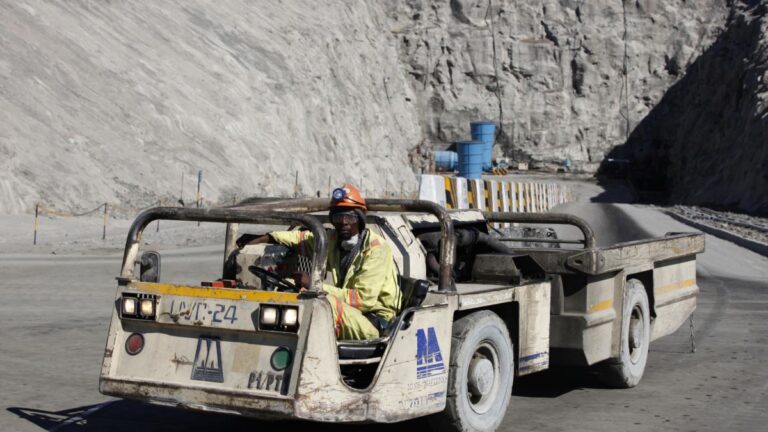
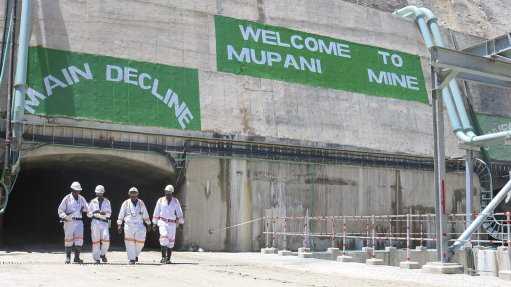
Zimbabwe’s platinum mining sector is undergoing a quiet revolution—underground. Leading the charge is Zimplats, a subsidiary of Impala Platinum (Implats), which is pioneering world-class underground mechanisation and automation at its Mupani Mine, drawing admiration from global and local mining professionals alike.

By Rudairo Mapuranga

In a recent LinkedIn post, Implats commended its Zimbabwean operation for setting a new benchmark in underground mining excellence, noting that Zimplats is “leading a revolution in underground mining.” The post, which features images of state-of-the-art equipment and structured underground workings, highlights the growing role of automated systems, digital monitoring, and machine efficiency in driving safer, more productive mining practices.

“Zimplats is leading a revolution in underground mechanisation and automation. Our teams are redefining how mining is done in Africa,” the company stated.

This recognition follows a recent technical visit by mine managers and engineers from across Zimbabwe to the Mupani Mine, where they witnessed firsthand the high-level automation and smart mine systems implemented at the operation.

Mine Managers Praise Mupani’s Technological Leap

According to a feature published by Mining Zimbabwe, mine managers were “thrilled” by what they saw at Mupani, especially the level of integration between people and smart systems. The mine has adopted advanced remote-controlled loaders, digitally connected control rooms, automated ventilation systems, and precise production tracking tools—all managed underground with efficiency and safety in mind.

“This is not just about technology for the sake of it—it’s about building a safer, more sustainable mine,” said one visiting manager.

Zimplats has been steadily investing in the future of its operations, and the Mupani Mine is expected to replace the depleting Rukodzi and Ngwarati mines, with production targets aligned to long-term sustainability goals.

Why Automation Matters

The global platinum market is becoming more competitive and environmentally conscious, pushing producers to lower costs while improving output and worker safety. Automation in underground mining allows for:

  • Reduced human exposure to hazardous zones

  • Increased production efficiency

  • Real-time data for decision-making

  • Lower energy consumption and emissions

  • Improved ore recovery and reduced dilution

By integrating these innovations, Zimplats is not only enhancing performance—it is securing its role as a technological leader within Zimbabwe’s US$12 billion mining strategy.

Impala Applauds Zimbabwean Talent and Innovation

For Implats, the success of Zimplats is a testament to the skills and resilience of Zimbabwean professionals, many of whom are at the forefront of executing and maintaining the automation systems.

“Our Zimbabwean teams continue to shine in implementing global standards in underground mining,” Implats noted.

This also supports Zimbabwe’s ambition to promote local talent development, skills transfer, and mining-led industrialisation, especially as Zimplats expands not just mining, but also smelting and base metal refining capacity in the country.

A Model for Smart Mining in Africa

Zimplats’ transformation of underground mining is more than a technological upgrade—it’s a statement of confidence in Zimbabwe’s mining future. From mechanised drilling to autonomous equipment and digital production systems, Mupani Mine is quickly becoming a blueprint for smart mining in Southern Africa.

As Zimbabwe pushes for modernisation and value addition across its mineral base, Zimplats’ leadership in underground automation signals the country’s readiness to take its place among the world’s most sophisticated mining jurisdictions.

Survegger

0

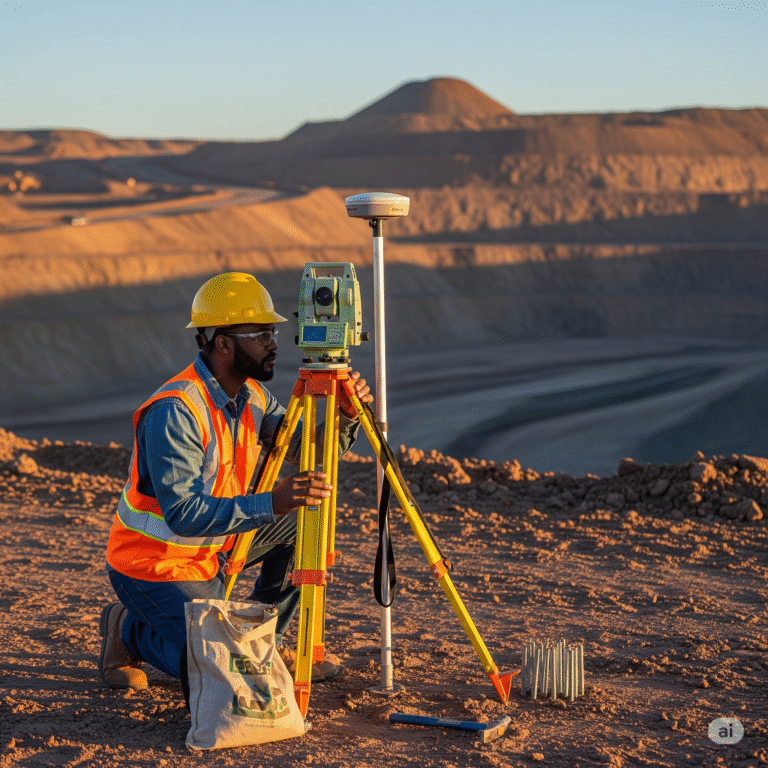
A Survegger is a newly coined professional designation by Mining Zimbabwe that refers to a qualified Surveyor who is also registered and licensed as a Pegger (Staking Agent). This dual-role professional offers an integrated service to miners by combining mine surveying and claim pegging functions into a single, efficient operation.

Roles and Responsibilities

A Survegger performs both the technical and legal aspects required to legally secure mining claims and maintain spatial accuracy in mining operations. Their duties typically include:

  • Claim Pegging (Staking): Accurately demarcating mining locations in accordance with Zimbabwe’s Mines and Minerals Act and relevant statutory instruments.

  • Surveying: Conducting detailed topographical and boundary surveys using modern instruments and techniques, ensuring spatial integrity and geospatial data accuracy.

  • Map Production: Generating compliant site plans and layout maps for submission to the Ministry of Mines and Mining Development.

  • Legal Compliance: Preparing all necessary paperwork and georeferenced diagrams for official claim registration, renewals, inspections, or dispute resolution.

  • Consultation & Advice: Guiding miners—particularly small-scale operators—on how to lawfully peg, register, and manage mining claims or tributes.

Why Surveggers Matter

The introduction of the Survegger role is a game-changer for Zimbabwe’s mining landscape. Traditionally, miners were required to separately engage a Pegger for staking and a Surveyor for compliance mapping and documentation. This fragmented approach often led to delays, miscommunication, and increased costs.

A Survegger bridges this gap by offering one-stop expertise, saving miners time and money while ensuring full legal and technical compliance. This is particularly beneficial in:

  • Artisanal and Small-Scale Mining (ASM): Where access to multiple service providers is limited or financially impractical.

  • Fast-Tracked Operations: For investors or mining houses needing streamlined ground acquisition processes.

Accreditation and Qualifications

A Survegger must:

  • Hold a formal qualification in Mine Surveying from a recognised institution, such as the school of mines.

  • Be registered with the Association of Mine Surveyors of Zimbabwe (AMSZ) or equivalent.

  • Possess a valid Staking Agents Licence issued by the Ministry of Mines and Mining Development.

  • Demonstrate proficiency in GPS/GIS technologies, mapping software (such as AutoCAD Civil 3D or Surpac), and relevant mining legislation.

The Survegger represents a modern, efficient solution for Zimbabwe’s dynamic mining sector. By merging the functions of two critical professions, this role enhances regulatory compliance, promotes professionalism, and supports the formalisation and sustainability of mining operations across the country.

Mine surveyors now leading from the front

0

Zimbabwe’s mining sector is undergoing a decisive transformation, and mine surveyors are increasingly at the centre of it. Once seen as back-end technical workers, surveyors are now emerging as key players in a data-driven and legally rigorous mining environment, where accuracy, professionalism, and geospatial compliance have become non-negotiable.

Be part of mining Zimbabwe’s next edition, which focuses on Mine Survey and instruments. Email us at [email protected]

By Ryan Chigoche

The turning point came with the government’s recent directive under General Notice 1 of 2025, which set a firm July 1, 2025, deadline for all mining title holders to update and submit their claims in Universal Transverse Mercator (UTM) Arc 1950 coordinates.

This requirement is tied to the rollout of Zimbabwe’s long-awaited Mining Cadastre Information Management System (MCIMS), a digital platform meant to replace the outdated, paper-based title system.

To ensure data integrity, the Ministry of Mines has mandated that only registered mine surveyors using survey-grade equipment are allowed to collect and submit coordinates. This move instantly elevated the professional surveyor’s role from technical support to gatekeeper of legal compliance.

While the policy is a leap forward for title management, it has also placed traditional peggers and artisanal miners in a tight spot. Many of these operators lack access to survey-grade instruments and do not possess the technical knowledge needed to meet the new requirements.

Peggers (Staking Agents) Under Pressure: The Need for Training or risk losing relevance

For years, peggers have played a central role in Zimbabwe’s small-scale mining landscape, staking claims, marking boundaries, and supporting prospecting efforts. But as compliance becomes more technical, there is a real risk that the famous peggers will be left behind.

It’s more likely that current mine surveyors will also register as staking agents. This will most likely be a cheaper option for miners since they only need one surveyor-pegger (Survegger) instead of hiring both a pegger and a surveyor.

There is now a clear and urgent need for short-term training programmes to help peggers transition and upgrade into the new framework.

A Boon for Survey Equipment Suppliers

This transition has opened up a significant growth opportunity for mine survey equipment suppliers and service providers. With the e-cadastre deadline fast approaching, the demand for certified, high-precision tools such as RTK GPS units, total stations, drones, and 3D scanners is expected to rise sharply. Both large- and small-scale miners are now under pressure to comply with new geospatial standards, creating a broad and urgent market for dependable surveying solutions.

Suppliers that provide flexible, tiered equipment options to suit different budget levels will be well-positioned to capture this emerging demand. Even more critical will be the ability to offer local technical support, equipment calibration services, and hands-on training to ensure buyers can fully implement and maintain their tools. Those who go further by staging live demonstrations, conducting outreach in rural mining communities, or forming strategic partnerships with industry bodies and training institutions will stand out as essential partners in the sector’s digital shift.

For suppliers, this moment is not only a chance to grow their footprint it is an opportunity to help shape the future of compliant, technology-driven mining in Zimbabwe.

The Profession Evolves: From Technician to Strategic Partner

Beyond compliance, mine surveyors are playing an increasingly strategic role in mining operations.

New technologies such as drone photogrammetry, GIS, and 3D terrain modelling are expanding the scope of the profession, turning surveyors into geospatial data analysts and key contributors to mine planning and risk management.Surveyors are now helping mining houses solve long-standing challenges like overlapping claims, unclear boundaries, and inefficient resource tracking issues that have plagued Zimbabwe’s sector for decades.

Conclusion: Inclusion Must Match Innovation

The push toward digitalisation and legal precision is a welcome development for Zimbabwe’s mining sector. It promises greater transparency, reduced disputes, and improved investor confidence.

But for the transition to be truly successful, it must include everyone.

Supporting accessible training for peggers, expanding the availability of affordable equipment, and reinforcing the role of qualified surveyors are essential next steps. The opportunity exists for government, industry, and the private sector to work together to build a more inclusive, tech-enabled, and compliant mining landscape.

In this new era, mine surveyors are no longer operating in the shadows, they are leading from the front.


Gold buying prices per gram in Zimbabwe, 15 July 2025

Gold buying prices per gram in Zimbabwe today, 15 July 2025, from the official gold buyer and exporter Fidelity Gold Refinery (FGR).

SG 90% and ABOVE US$100.81/g.
SG ABOVE 89% BUT BELOW 90% US$100.73/g.
SG ABOVE 80% BUT BELOW 85% US$99.66/g.
SG ABOVE 75% BUT BELOW 80% US$98.58/g.
SAMPLE BELOW 10g BUT ABOVE 5g US$96.96/g.

Fire Assay CASH $102.35/g.

NB: Fire Assay cash price is for gold above 100g; no sample is deducted.

A sample of not more than 10g is deducted for the Fire Assay Transfer price.

A 2% royalty is charged on all deposits (Small-scale miners).

A 5% royalty is set for Primary Producers.

Two Die in Explosion at Kwayedza Mine in Mazowe as Mining Accidents Grip the District

0

Tragedy struck again in Mazowe District as two men lost their lives following a devastating explosion at Kwayedza Investments Mine on Thursday, Mining Zimbabwe can report.

By Rudairo Mapuranga

According to a statement released by the Zimbabwe Republic Police (ZRP), the victims were sitting by a fire, seeking warmth during the cold winter night, when an unexpected explosion ripped through the vicinity.

One of the victims reportedly died on the spot from the blast, while the other succumbed to injuries after being rushed to Concession Hospital. The police confirmed that investigations into the cause of the explosion are ongoing. Although initial details remain sketchy, law enforcement authorities have committed to releasing more information as it becomes available.

The horrific incident has thrown the mining community into mourning and raised renewed concerns over safety compliance at small-scale and artisanal mining operations in the country.

The explosion adds to a growing list of mining-related tragedies in the area. Just days earlier, another fatal incident occurred at Jumbo Mine, located in the same Mazowe District. In that case, three miners died after a vertical shaft collapse trapped and crushed them underground. The men were working underground when they fell to their deaths due to the sudden failure of shaft infrastructure.

The victims of the Jumbo Mine shaft collapse were retrieved by fellow miners and police hours later, but were pronounced dead upon retrieval. Their names were not immediately released to the public, but the community has already begun informal tributes to honour the deceased. The recurring nature of such accidents has sparked outrage among residents and labour activists, who argue that mining companies, particularly in the small-scale sector, are not doing enough to guarantee worker safety.

The dual tragedies at Kwayedza and Jumbo Mines have brought the Mazowe mining region under renewed scrutiny. Advocates are now calling for urgent safety audits, better enforcement of mine standards, and more rigorous monitoring of explosives management in the wake of these fatal incidents.

Some miners described working conditions in Mazowe as “a ticking time bomb,” citing poor ventilation, outdated machinery, unregulated use of explosives, and minimal oversight from responsible authorities. “We are dying trying to survive,” said one miner who asked not to be named. “These are not just accidents. They are avoidable deaths.”

Local civil society organisations and trade unions have echoed these sentiments, demanding that the Ministry of Mines and Mining Development immediately suspend operations at any site found to be in violation of the country’s mining safety protocols. They argue that without tangible reforms and investment in mine safety, Zimbabwe risks turning its mineral wealth into a national curse.

As families grieve and rescue workers reflect on yet another grim chapter in Mazowe’s mining history, the call for accountability has never been louder. Whether these tragedies will prompt meaningful change or fade into another footnote in the country’s long list of mining fatalities remains to be seen.

The Zimbabwe Republic Police has urged the public to report any suspicious activities around mining sites and to exercise extreme caution, particularly when near active or abandoned mine shafts. Meanwhile, funerals for the deceased men from both Kwayedza and Jumbo Mines are being planned, with family members and communities now preparing to bury their loved ones amid unanswered questions and lingering sorrow.

Copper Supply to Rise Over 2%, Market Signals Hint at Deeper Volatility

0

Global copper mine output is set to grow steadily over the next decade, according to Fitch Solutions’ BMI, which forecasts an average annual growth rate of 2.9% through to 2033, Mining Zimbabwe can report.

By Rudairo Mapuranga

However, beneath that headline optimism lies a more complex and volatile copper market—one shaped by uneven smelter demand, investor hesitation, and shifting Chinese trade patterns that are redefining price dynamics and value chains.


A Decade of Supply Growth, Driven by Green Demand

BMI’s latest report underscores the structural importance of copper to the green energy transition. From electric vehicle motors to solar panels and transmission lines, copper remains the cornerstone of electrification. The firm projects that global copper production will grow from 23.6 million tonnes in 2024 to 30.4 million tonnes by 2033—largely driven by new project ramp-ups in Chile, the DRC, Peru, and Indonesia.

This growth, however, will not be linear or evenly distributed. Political instability, environmental protests, and underinvestment in processing capacity are expected to weigh on emerging markets even as demand surges.


China’s Import Turnaround Signals Resurgent Demand

After two months of subdued buying, China’s copper imports surged 9% year-on-year in June. This rebound offers a bullish signal, suggesting that downstream industries—from electric vehicles to power grid upgrades—may be regaining momentum after a bumpy Q1.

For the world’s largest copper consumer, the timing is crucial. Analysts have long noted that fluctuations in Chinese import volumes are often leading indicators of global copper price direction. The recent rebound hints at renewed industrial activity—possibly supported by fresh infrastructure stimulus or forward-looking procurement by state-linked firms.


China’s Smelting Squeeze Adds New Risk Layer

Yet, even as imports rise, China’s domestic copper smelting sector is under stress. As China Global South reports, many independent smelters are facing operational bottlenecks due to declining treatment and refining charges (TC/RCs), power shortages, and tightening environmental regulations.

This has led to speculation that China may increase its reliance on refined copper imports rather than continuing to expand domestic smelting—a shift that could alter global trade flows. Some Chinese smelters are already idling capacity or reducing output, which could tighten supply in the near term even as mines ramp up.


Price vs. Sentiment: A Divergence Still Unfolding

Despite all this activity, copper prices have failed to inspire investor confidence. In January, copper posted its strongest early-year rally since 2012, yet investor sentiment remained muted. Hedge funds and speculators have remained cautious, questioning whether supply-demand fundamentals justify long positions.

The disconnection between fundamentals and investor mood suggests a market in flux—one driven as much by macro narratives (inflation, Fed policy, Chinese stimulus cycles) as by mining data. For producers and traders, this uncertainty complicates planning and hedging decisions.


A Red Metal in a Grey Zone

Looking ahead, copper’s role as a critical mineral for the energy transition is unquestionable—but its path is far from smooth. The supply surge projected by BMI may collide with fragile smelting capacity, particularly in China. Meanwhile, environmental constraints and social license risks in Latin America could delay key projects.

At the same time, China’s resurgence in copper imports suggests latent demand is strong. If policymakers in Beijing continue to stimulate infrastructure and green tech development, copper demand could recover more sharply than Western markets currently anticipate.

The likely result: a market caught between bullish fundamentals and bearish perception—where short-term volatility masks long-term strategic importance.


Key Takeaways:

  • Global mine supply is growing at 2.9% annually, driven by EV and energy infrastructure demand.

  • China’s import rebound in June signals renewed downstream activity, despite earlier slowdowns.

  • Chinese smelters are under stress, possibly altering global refined copper trade flows.

  • Investor sentiment lags price performance, reflecting macro uncertainty and over-cautious positioning.


Copper may not be grabbing headlines like lithium or rare earths, but its significance in the global energy transition remains unrivalled. And as China continues to navigate its own smelting challenges and reshape import patterns, the global copper market is entering a new era—one where capacity is abundant, but trust and clarity are still in short supply.

Blanket Mine Solar Handover Marks Shift in Zimbabwe’s Mining Energy Model

0

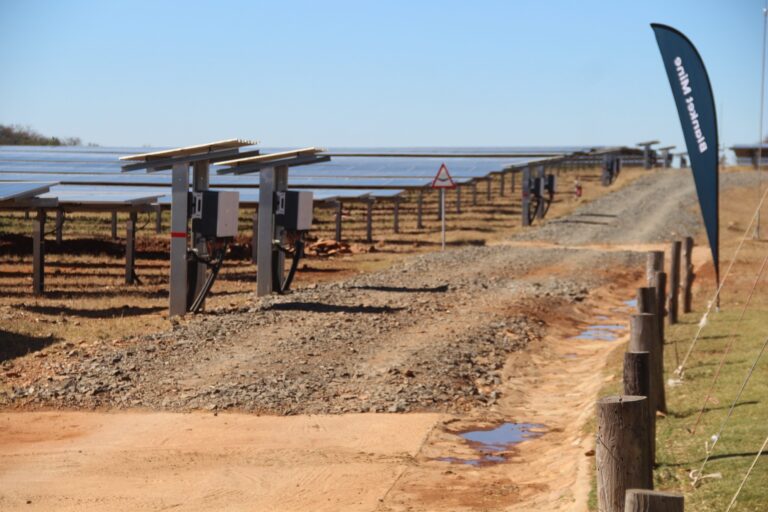
In a landmark transaction that signals a deepening shift toward cleaner, decentralised power in Zimbabwe’s extractive industries, Caledonia Mining Corporation has formally handed over its 13.9MW solar photovoltaic plant at Blanket Mine to CrossBoundary Energy under a 17-year power purchase agreement (PPA).

By Ryan Chigoche

The deal represents one of the most mature public-private renewable energy transactions in Zimbabwe’s mining history and is being hailed as a benchmark for how mines can manage energy security, decarbonization, and economic efficiency all at once.

“This project is a demonstration of the impact that distributed energy can have right here in Zimbabwe,” said Tessa Lee, Managing Director of CrossBoundary Energy, during the handover ceremony. “It also marks the beginning of what we hope will be a long and impactful partnership.”


Powering a Greener Mining Sector in a Challenging Energy Landscape

Zimbabwe’s mining industry, which accounts for more than 60% of export earnings and is central to the country’s Vision 2030, is no stranger to power challenges. Aging infrastructure, recurrent load shedding, and fuel import costs continue to weigh heavily on operations. In this context, the Blanket Mine solar plant — which has already produced over 57,000 megawatt-hours (MWh) of electricity since its 2023 commissioning — stands as a critical buffer against national grid disruptions.

With global mining under pressure to cut emissions, Zimbabwe’s miners are increasingly being nudged by international investors and buyers to clean up their energy use. Gold producers like Caledonia, as well as lithium players in Bikita, Kamativi, and Goromonzi, are responding with innovative solutions.

Tessa Lee noted that Blanket Mine’s solar system has already reduced dependence on diesel generators, lowering operating costs and shrinking the mine’s carbon footprint. The plant supplies about 25% of the mine’s power, supporting operations at a time when Zimbabwe’s national utility ZESA, continues to grapple with chronic power deficits.


Public-Private Energy Partnerships Gaining Momentum

The transaction reflects a maturing model of energy delivery for African mines. While many mining companies have invested in building solar and hybrid systems to reduce costs and improve reliability, few have successfully transitioned those assets to specialised energy firms.

In this case, Caledonia Mining constructed the solar facility, while CrossBoundary Energy — one of Africa’s leading IPPs — now takes over long-term ownership and operations. The PPA ensures stable, predictable pricing for Blanket Mine over the next 17 years, while allowing Caledonia to redeploy capital into core mining projects.

“This allows miners to focus on productivity and growth, while we handle the power,” said Lee.

CrossBoundary’s portfolio now exceeds 600 megawatts of distributed solar and hybrid projects across Africa, serving clients in sectors such as mining, manufacturing, and agro-processing in markets like Ghana, Kenya, Nigeria, and Madagascar.


Tangible Gains: Cutting Costs and Carbon

The switch to solar has had clear financial and environmental benefits. Diesel generation, often used as a backup in Zimbabwe, costs more than 30 US cents per kilowatt-hour, compared to solar’s average of 6–10 cents. The fuel must also be imported, adding forex pressure and logistical complexity.

By reducing diesel use, Blanket Mine has not only cut costs but also mitigated carbon emissions. While exact figures were not disclosed, similar 13.9MW systems elsewhere in Africa reduce CO₂ emissions by more than 15,000 tonnes per year, according to estimates from the International Renewable Energy Agency (IRENA).

This aligns with broader ESG expectations. Caledonia, listed on the NYSE and London’s AIM, is under increasing investor pressure to improve its sustainability profile, especially as fund managers tighten screening for mining equities.


Zimbabwe’s Distributed Energy Revolution Gathers Pace

Blanket Mine’s solar handover is not a one-off — it’s part of a wider decentralised power movement in Zimbabwe. As of mid-2025, ZERA had licensed close to 200MW of captive solar capacity for mines, factories, and farms. These include lithium miners in Bikita and Goromonzi, ferrochrome smelters in Selous, and even shopping malls in Harare and Bulawayo.

This movement has been enabled by regulatory reforms. In recent years, ZERA introduced net metering, power wheeling frameworks, and Independent Power Producer (IPP) licensing pathways — all of which have made it easier for private players to enter the energy space.


Government Backing and Investor Confidence

Behind the success of the Blanket Mine project lies deliberate policy alignment and institutional support. Agencies like the Zimbabwe Investment and Development Authority (ZIDA), the Reserve Bank of Zimbabwe (RBZ), and the Ministry of Energy and Power Development played facilitative roles in the transaction.

Tessa Lee praised Energy Minister Edgar Moyo’s consistent support, referencing a recent conversation at the African Energy Forum in Cape Town. “Your vision of distributed energy complementing centralised power positions Zimbabwe as a compelling destination for clean energy investment,” she said.

CrossBoundary’s involvement is a testament to growing investor confidence in Zimbabwe’s renewable energy space — confidence that will be critical if the country hopes to unlock billions in green infrastructure over the next decade.


Phased Expansion on the Horizon

Although the plant currently powers a quarter of Blanket Mine’s needs, both Caledonia and CrossBoundary have confirmed plans to explore additional phases of development. This could take the form of battery storage, increased PV capacity, or hybridisation with other renewables such as wind.

“The opportunity to expand will unlock further efficiencies and align with Caledonia’s long-term energy strategy,” said Lee. This would not only enhance energy resilience but also future-proof the mine against rising electricity tariffs and regional energy shocks.

As lithium, nickel, and gold demand rise globally, Zimbabwe’s ability to supply responsibly will hinge on its energy strategy, making such expansions more than just technical upgrades. They are strategic moves in a shifting global mining landscape.

Beyond electrons, the Blanket Mine solar handover is symbolic. It shows what’s possible when governments, miners, financiers, and technical partners work toward a shared goal. It also positions Zimbabwe as a regional reference point in integrating distributed power in the mining sector.

“This project perfectly aligns with national and continental goals for energy security, economic development, and environmental stewardship,” Lee concluded. “It’s not just about power — it’s about progress.”


Background: Blanket Mine and Caledonia Mining

Blanket Mine, located in Matabeleland South, is one of Zimbabwe’s longest-operating gold mines. Acquired by Caledonia Mining Corporation plc in 2006, the mine has undergone significant expansion, including the recent completion of a US$67 million central shaft project. Caledonia is now targeting an annual gold output of 80,000 ounces, supported by increased mechanisation, underground development, and improved power security.

The company is dual-listed on the New York Stock Exchange, London’s AIM, and the Victoria Falls Stock Exchange, making it one of Zimbabwe’s most visible mining stocks internationally.

Gold buying prices per gram in Zimbabwe, 14 July 2025

Gold buying prices per gram in Zimbabwe today, 14 July 2025, from the official gold buyer and exporter Fidelity Gold Refinery (FGR).

SG 90% and ABOVE US$100.84/g.
SG ABOVE 89% BUT BELOW 90% US$100.76/g.
SG ABOVE 80% BUT BELOW 85% US$99.68/g.
SG ABOVE 75% BUT BELOW 80% US$98.61/g.
SAMPLE BELOW 10g BUT ABOVE 5g US$96.99/g.

Fire Assay CASH $102.38/g.

NB: Fire Assay cash price is for gold above 100g; no sample is deducted.

A sample of not more than 10g is deducted for the Fire Assay Transfer price.

A 2% royalty is charged on all deposits (Small-scale miners).

A 5% royalty is set for Primary Producers.