Home Blog Page 86

Hwange’s Exit from Administration and Shabanie-Mashava Resuscitation: Shava sets Mining giants Turnaround in motion

0

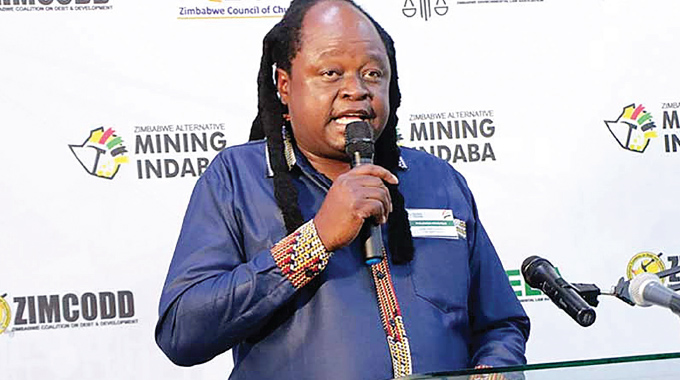
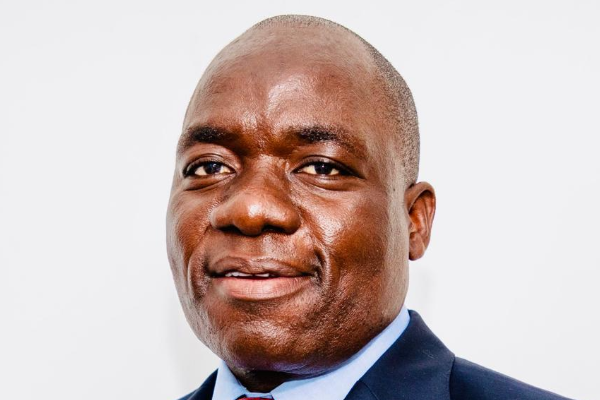
When the long shadows of dusk fall over Hwange’s coalfields and the rusted headgear of Shabanie‑Mashava Mines punctuates the Midlands skyline, it is the modest stirring of possibility that offers new light. At the heart of that stirring stands Munashe Shava, the mining strategist tasked with resurrecting Zimbabwe’s two most formidable yet dormant mineral legacies.

By Rudairo Mapuranga

As Administrator of Hwange Colliery Company Limited (HCCL) and government-appointed overseer of the revitalisation of Shabanie‑Mashava Mines (SMM)—all while still leading the Platinum Group Metals cluster at Kuvimba Mining House—Shava now underpins a bold national mission to reclaim industrial dignity, jobs, and structural value for Zimbabwe.


A National Mission Rooted in Hope and Strategy

Munashe Shava did not arrive by happenstance in these assignments. His enduring stewardship of the PGM cluster at Kuvimba Mining House—spearheading assets including Great Dyke Investments (Darwendale), Shamva Gold, and Sandawana—earned him a reputation for navigating complex stakeholder dynamics, regulatory frameworks, and capital mobilization in Zimbabwe’s high‑value mining sector. That same precision and integrity underpinned his more recent roles at state mining entities. At Hwange, his administration steered the company out of limbo, agreeing landmark funding for a US$50 million investment from Zhong Jian Investments, stabilizing payroll, increasing coal output, and delivering a net profit of over US$10 million in the latest financial reports—a milestone few believed possible under years of administrative inertia.

Now, as the government gazetted under General Notice 1007 of 2025, Shava has been appointed Administrator of Shabanie‑Mashava Mines with a two‑year reconstruction mandate under the Reconstruction of State‑Indebted Insolvent Companies Act (Chapter 24:27). Yet in Zvishavane and Mashava, scepticism runs deep. Despite more than two decades of ritual announcements, actual revival at SMM has never materialised—workers remain unpaid, infrastructure sits derelict, and Mangwana’s April 2025 admission that previous investor pledges failed to secure financing has punctured any illusions of progress.

It is in this mix of wounded expectation and strategic need that Shava’s leadership becomes crystalline in purpose. While Hwange’s immediate financial health signals momentum, the SMM mission is still in its infancy, defined by painstaking audits, community consultations, environmental assessments, and formal stakeholder mapping. There is nothing performative about this effort—it begins with slow, measured groundwork that many past administrators skipped, neglecting regulation, social license, and local agency in favour of grand announcements.


Hwange’s Turnaround: A Blueprint for Regional Energy Leadership

Hwange Colliery Company Limited, long synonymous with Zimbabwe’s coal backbone, is now undergoing a corporate transformation that seeks to deliver near‑term revenue while positioning the business for the energy realities of the 2020s. Under Shava’s administration and the leadership of CEO William Gambiza—officially appointed head of HCCL Holdings—the operations are being articulated around a cluster of subsidiary entities: Hwange Coal Gasification Company, Hwange Coke Company, Hwange Transport, Hwange Properties, and Hwange Power & Energy. This structure is designed to integrate extraction, value addition, logistics, and energy off‑take, forging new export channels and commercial synergies across Southern Africa.

At each level, Shava’s influence is evident. Early remediation of salary arrears, doubling of coal output, procurement of new mining equipment, and establishment of joint‑venture frameworks with foreign investors signal his operational discipline. Hwange’s reported profit of over US$10 million before tax underscores the early returns of this approach—but more importantly, it reinforces a message: Zimbabwe’s mining companies can deliver profitability alongside governance and community responsibility.

Long‑term, HCCL’s subsidiary structure allows the company to invest in coke oven batteries for steel inputs, gasification plants serving national grids or regional customers, transport logistics along the railway corridor, and property development on company‑owned land. These investments all rely on disciplined capital planning, transparent vendor selection, and alignment with environmental standards—domains where Shava has insisted on corporate rigor and external oversight.


Shabanie‑Mashava Mines: Rethinking Revival with Realism

SMM’s reputation precedes any future plans. Once the continent’s largest chrysotile asbestos producer, the Mines employed over 5,000 workers and sustained hundreds of downstream operations—from roofing materials to export‑bound fibre. Yet by the early 2000s, global asbestos bans, infrastructure decay, and ownership disputes (notably under businessman Mutumwa Mawere) had emptied SMM of its life. Government judicial controls in 2004 failed to alter its trajectory, while successive administrators oversaw asset sales, salary non‑payment, and further erosion of industrial infrastructure.

Over time, redevelopment plans fizzled—investors signed contracts, tenders flew, salaries were advertised, but nothing brewed substantive progress. Communities held on to fragile hope only to be repeatedly disappointed. As of April 2025, government figures conceded that mesothelioma scares and market contraction made asbestos revival unlikely. Mangwana admitted that investor promises remained unfulfilled—and rhetorically called the dream exactly that: a pipe dream.

Yet Shava’s charge is defined around the reversal of past patterns. His assignment begins with forensic asset audits, debt valuation, infrastructure assessment, environmental baseline reports, and local stakeholder engagement, including retrenched workers, civic leaders, and municipalities. Unlike past administrations that prioritised headlines over outcomes, this reset effort emerges from groundwork. The hopes now are modest: rehabilitate processing plants, de‑water shafts, assess syndicate equity structures, and evaluate alternative usages—whether that be controlled tailings re‑processing, diversification into lithium or agro‑industrial zoning, or renewable energy zoning under a post‑asbestos framework.

Shava himself has emphasised that resuscitation does not mean rushing extraction, but rather reconstructing an industrial narrative that includes health, environment, and future growth. “If we cannot reopen it under safe, compliant conditions, we must envision something else. Restarting is not enough—reviving responsibly is essential,” he has stated in stakeholder meetings.


Communities in Waiting: Human Cost, Human Dignity

In Zvishavane and Mashava, the social fabric has frayed over the years of economic collapse. Former employees and their families still occupy mine housing, dependent on informal allowances without pensions or medical benefits. The local schools and clinics once maintained by SMM are crumbling; local businesses have shuttered; livelihoods are sparse. Universities like Midlands State University and Great Zimbabwe University now operate in former mine buildings—symbolic of both local adaptation and economic displacement.

Worker unions, including ZDAMWU, have viewed previous administrations with mistrust. Many former employees were rehired briefly into phantom operations only to be sent home unpaid. Now, when Shava’s team engages communities via public forums and listening exercises, some feel composed between scepticism and guarded optimism.

Stories emerge of miners who returned repeatedly to sites, expecting gates to open, only to find rusted lockboxes. Local vendors who spent savings stocking materials when reopening was promised. Families displaced while waiting for compensation packages that never came. These are the human costs of revival delays—costs Shava’s program must rectify through transparent benefit schemes, phased labor re-engagement, and local procurement pledges.


Governance, Ethics, and Reconstruction

The central difference between today and past revival efforts is nuance. Under Shava, Hwange and SMM are being governed under professional administrator regimes, where every action—procurement, finance, community engagement—is subject to third‑party audits, environmental impact assessments, and stakeholder advisory boards that include workers, civic leaders, and technical experts.

Past failures at SMM included asset sales under administrators accused of self-enrichment, using depositions to fund personal commissions instead of mine recovery. Shava’s directive comes with internal compliance units and external oversight by the Ministry of Justice and anti-corruption bodies to guarantee transparency and accountability.

In Hwange, salary arrears are no longer permissible; procurement decisions follow documented policies; environmental baseline studies guide new engineering works; and every Hwange subsidiary reports publicly on output and community investment. Under Shava’s leadership, a shifted culture of governance emerges: state mining assets must be institutions of national pride, not political patronage or invisible bottomless pits.


Economic Logic and the Way Forward

Reviving SMM will never be cheap, nor quick. But failure to try again could consign Zimbabwe to permanent industrial loss. The infrastructure, while dilapidated, still holds value—shafts that could host downstream mining, tailings suitable for controlled dump retreatment, and land that could be repurposed under agro-industrial schemes or renewable energy installations with lithium or green hydrogen potential.

Hwange’s early profitability demonstrates that disciplined governance can unlock return. The coal price environment in Southern Africa remains robust, demand for coking and gasification is rising, and strategic logistics corridors are expanding. Hwange is positioned to leverage export avenues to Mozambique or South Africa, especially with demand from industrial operators and utility firms.

The narrative moving ahead is multi-layered: HCCL Holdings seeks to deliver stable revenues, create skilled mining jobs, attract energy off‑takers, and build logistics capacity. Meanwhile, the SMM project, within its two-year scope, will deliver clarity: whether to rehabilitate, repurpose, or merge with broader resource ventures. And in both, Shava’s leadership will function as the institutional bedrock for cautious optimism.


A Vision for 2030

Munashe Shava speaks often of Vision 2030—not as a slogan, but as a measure of progress. Zimbabwe’s long-term mining target is US$40 billion in export revenues—a goal unreachable without putting idle assets to work, deploying best-in-class governance, and retaining value locally. Hwange and SMM, under this mandate, become more than mines—they become blueprints for national revival.

Stakeholder alliances are forming: with financiers exploring lithium zones near Zvishavane, with communities seeking formal CSR partnerships, with energy regulators mapping gasification grids, and with technical experts developing ESG-aligned business cases. Hwange is already producing; SMM is auditing. Together, the duo’s potential lies in how quickly they integrate into broader mining opportunity pipelines.

Shava’s dual roles—PGM leadership at Kuvimba and administrator roles at Hwange and SMM—make him a central figure. He bridges Zimbabwe’s mineral past with its energy future. His approach: methodical, technically grounded, socially attuned, and strategically resilient.


Closing Reflections: From Skepticism to Structured Revival

Zimbabwe knows the cost of false dawns. Communities know how it feels to await reopening only to endure silence. But today, under the stewardship of Munashe Shava, the narrative shifts from empty declarations to operational deliverables, from broad rhetoric to phased milestones, and from fragmented governance to structured enterprise oversight.

Hwange is already showing profit and building forward momentum. SMM’s revival is cautious and grounded in audit, consultation, and real-world constraints. Governance protocols are in place to prevent past administrative failures. And communities at both sites are no longer treated as afterthoughts but invited stakeholders in design and delivery.

For Zimbabwe, the lessons of loss have sharpened its resolve. To reawaken these mining giants means confronting financial complexity, health concerns around asbestos, institutional mistrust, and economic transformation. That is no small task. But if anyone can pioneer it, combining reputation, capacity, and national mandate, it is Munashe Shava.

As dusk yields to dawn across Hwange’s coalfields and Shabanie‑Mashava’s silent pits, what matters is not yesterday’s promises, but tomorrow’s proof. Shava’s assignments—writ large across Zimbabwe’s most iconic mining sites—are Zimbabwe’s test of whether legacy assets can be reborn with integrity, benefit local destiny, and help build a future fit for Vision 2030.
Mining Zimbabwe partners Mining Indaba for 2026

Mining Zimbabwe, a flagship publication of Timelison Media, has signed an agreement to become an official media partner for Mining Indaba 2026, which will be held from 9–12 February 2026 at the Cape Town International Convention Centre (CTICC).

By Ryan Chigoche

The partnership represents a major milestone for Mining Zimbabwe and underscores its expanding influence across the region’s mining media landscape, built on its expertise in covering Zimbabwe’s mining news.

As one of the continent’s leading mining investment gatherings, Mining Indaba has built a global reputation since 1994 as the premier platform for connecting African mining opportunities with international capital, policy dialogue, and innovation.

The 2026 edition runs under the theme “Stronger Together: Progress Through Partnerships,” a message that aligns closely with Mining Zimbabwe’s role in bridging communication between Zimbabwe’s mining stakeholders and global industry players.

The agreement will see Mining Zimbabwe deliver exclusive editorial content, investor-focused insights, and special print and digital coverage showcasing Zimbabwe’s mineral wealth, investment reforms, and sector progress.

Its presence at Indaba 2026 is expected to amplify visibility for key mining projects across the country, from battery minerals such as lithium and nickel to gold, platinum, and emerging rare earth initiatives.

Commenting on this development, Mr. Keith Sungiso, the Managing Director, said the partnership is not only a vote of confidence in the publication’s editorial credibility but also a strategic opportunity to elevate Zimbabwe’s mining story on the world stage.

“Becoming an official media partner for Mining Indaba 2026 is a major step for us as a publication and as a country. This is more than just visibility; it’s about influence, positioning, and storytelling. Zimbabwe has so much to offer in terms of mining potential, policy reform, and investment opportunities, and we’re proud to carry that message to an international audience. We intend to use this platform to showcase the real Zimbabwean mining narrative: one that is rich in resources, resilience, and ready for responsible growth.”

The publication’s ongoing involvement in regional mining dialogue includes participation in previous Indaba editions. In 2025, Mining Zimbabwe distributed its 77th edition at the event, providing thought leadership on environmental, social, and governance (ESG) frameworks, key industry trends, policy updates, investment opportunities, and expert insights that inform investors and shape the country’s mining sector.

With thousands of delegates expected, including government ministers, global mining executives, financiers, and civil society leaders, the 2026 Indaba offers Zimbabwe a timely platform to reinforce its position as a destination of choice for mining investment.

The official media partnership ensures Mining Zimbabwe will continue to play a pivotal role in elevating Zimbabwe’s voice and visibility on the continental mining stage.

Kamativi Mining Company Brings Free Medical Relief to Hundreds Through Chinese Medical Team

0

In a rare display of corporate social responsibility that goes beyond boardroom promises, Kamativi Mining Company (KMC) hosted a Chinese medical team on July 10, 2025, offering free consultations and treatment to more than 400 people in the Kamativi community — a region that often finds itself cut off from reliable healthcare, Mining Zimbabwe can report.

By Rudairo Mapuranga

The outreach, held at the Kamativi Community Hall, saw a collaboration between KMC and the China Medical Team to Zimbabwe, supported by Rarlon Mining Company, in what locals described as a “miracle visit.” The medical team, consisting of 10 highly qualified specialists from multiple disciplines — including internal medicine, surgery, orthopaedics, ophthalmology, paediatrics, and traditional Chinese medicine — worked with quiet precision and deep empathy.

For many, it was their first interaction with a specialist in years.

“This is a blessing. Medical services here are expensive, and most of us can’t travel far,” said a visibly moved elderly resident. Today we were seen by doctors for free. We are truly grateful.”

The event kicked off with a first-aid training session where villagers were taught lifesaving techniques, including CPR and the Heimlich manoeuvre — often overlooked skills in rural health interventions.

At the core of the program was a process as meticulous as it was humane. Local clinic nurse Mr. Phineas Mwiinda coordinated with the Chinese doctors to ensure patients were properly triaged. Dr. Zheng, one of the team leads, directed patients to appropriate specialists based on initial assessments. Diagnosis stations were manned across the hall, with examinations including ECGs, ultrasounds, and on-site medication dispensing.

Recognising the long queues and the distance some had travelled, KMC extended the event by an hour to ensure no one was turned away. Refreshments were served as people waited their turn, reflecting a level of care that went beyond medicine.

Among the four minor surgeries performed were three cases of lipoma removal and one neurofibroma case — all conducted onsite, providing relief to patients who had lived with visible, painful conditions for years without hope of affordable surgery.

“I had lost hope,” said Lazarus Sibanda, a 54-year-old who received treatment for a painful head tumour. “These doctors gave me back my life.”

The outreach was also a lifeline for early diagnosis. A local fisherman, Phiri M., learned during the screening that he was prediabetic. “Had I not come here, I wouldn’t have known until it was too late,” he said, clutching the dietary guide he was handed.

In communities where hospitals are hours away and even a simple consultation can cost days of wages, this was more than an event — it was a public health milestone.

KMC’s ongoing relationship with the Chinese medical team dates back to 2024, when they first invited the doctors to Kamativi. The team, currently stationed at Parirenyatwa Hospital in Harare, includes three PhD holders and several associate professors, marking an intersection between global medical expertise and local humanitarian impact.

Speaking during the event, Ward 11 Councillor Joshua Tshuma commended KMC for exceeding expectations:

“Last year, we saw 250 people treated. This year, we surpassed that by midday. This isn’t just charity — it’s an investment in human lives.”

Chief Nekatambe, who presided over the proceedings, praised KMC’s consistent role in the community:

“I am very happy with what KMC is doing. They’ve brought Chinese doctors to our people, checking blood pressure, TB, diabetes, and even performing surgeries. This is a very good thing.”

The collaboration didn’t just end at diagnosis and treatment. Critical cases identified during the outreach will continue to be monitored by KMC, ensuring no patient is left behind due to poverty or distance.

This initiative forms part of KMC’s broader social development program, where health and education are prioritised as pillars of sustainable development. According to company representatives, discussions are already underway to regularise such clinics, offering ongoing support and skills training for local health workers.

Invictus Energy Charges Ahead with Musuma High-Impact Drilling, Expands Zimbabwe Gas Prospects

0

Australia Stock Exchange-listed oil and gas exploration junior, Invictus Energy, is advancing its ambitious exploration programme in Zimbabwe with the launch of the Musuma high-impact drilling campaign — a potential game-changer that could open a new petroleum play in the Cabora Bassa Basin, Mining Zimbabwe can report.

By Rudairo Mapuranga

The campaign, which could potentially unlock a brand-new play fairway, marks a strategic milestone for the junior explorer as it builds on the momentum of its earlier Makuyu-2 gas discoveries.

Speaking on the sidelines of the Africa Energies Summit in London, Invictus Managing Director Scott Macmillan provided a comprehensive update on the company’s operations and its vision for transforming Zimbabwe into a regional energy player.

“We’ve got a very busy programme over the next 12 to 24 months and beyond,” Macmillan said. “At Cabora Bassa, we successfully opened up the basin with the Makuyu-2 well, making two discoveries in the Upper and Lower Angwa formations. That has set the stage for a much larger appraisal and development campaign.”

The spotlight now turns to Musuma-1, located in a previously untested part of the licence. According to Macmillan, this well could open a completely new petroleum system within the Cabora Bassa Basin.

“We’re drilling a new play in the eastern portion of the licence called Musuma, and it’s really exciting,” he said. “The seismic data shows strong amplitudes and reservoir characteristics that our team is extremely enthusiastic about.”

The Musuma prospect has been defined using modern seismic and geophysical interpretation and could add significant volumes to Invictus’s resource base. A successful result would create multiple follow-up opportunities and expand the company’s exploration and development footprint in Zimbabwe.

“If we open a new play there, that would not only create a much larger programme going forward but also provide flexibility and options for us as we move toward commercialising our gas discoveries.”

Following the Makuyu-2 breakthrough in late 2023 — which confirmed gas-bearing reservoirs in both the Upper and Lower Angwa — Invictus is now executing a multi-pronged appraisal strategy. This includes:

  • 3D seismic acquisition to enhance reservoir imaging and mapping,

  • Well testing to determine deliverability and fluid properties, and

  • Further appraisal drilling to define the full extent of the discovery.

“We’re planning to demonstrate a proof-of-concept pilot project to produce gas from the asset,” Macmillan revealed. “This will lay the foundation for larger-scale development and unlock potential markets in Zimbabwe and the southern African region.”

The Cabora Bassa project is now firmly positioned as one of the most promising onshore gas plays in sub-Saharan Africa. Its proximity to major infrastructure corridors, including the Feruka Pipeline and regional power networks, enhances its commercial viability.

With Invictus’s continuous progress, Zimbabwe is emerging as a credible new frontier for natural gas investment — a narrative that stands in stark contrast to the country’s previous absence from global upstream exploration headlines.

Macmillan underscored the importance of forums like the Africa Energies Summit in shaping industry direction and connecting with key stakeholders.

“Events like this allow us to engage potential partners and governments, presenting new opportunities. It’s a vital part of our strategy as we aim to scale and bring this project into production.”

As the Musuma-1 well is drilled and additional appraisal work unfolds at Makuyu, investor attention is likely to intensify around Invictus Energy’s progress and its ability to deliver first gas from Zimbabwe — turning untapped frontier acreage into a source of regional energy security.

Man Jailed 5 Years for Digging Gold Beneath Railway Line

0

A Mvuma magistrate has sentenced a man to five years in prison after he was caught digging for gold beneath a railway line—an act that authorities warn poses a serious threat to railway infrastructure and public safety, Mining Zimbabwe can report.

By Rudairo Mapuranga

The offender, identified as Jonas Tigere, a resident of Village 16, Tokwe 4, was apprehended on June 11 while engaging in illegal mining directly under the railway track. According to the National Railways of Zimbabwe (NRZ), Tigere was caught red-handed by NRZ Loss Control officers, who immediately handed him over to the police.

The NRZ, in a public statement, expressed deep concern over the rise in illegal mining activities within railway reserve land and issued a stern warning to artisanal miners involved in such practices.

“The NRZ continues to appeal to artisanal miners not to undertake mining activities within the railway reserve land, as this disturbs the track formation and threatens train movement. People caught mining within the railway reserve are liable to receive lengthy mandatory jail terms if convicted,” the statement read.

Mining beneath railway lines compromises track stability, weakens track ballast, and endangers passenger and cargo trains. Experts say such activities risk derailments and catastrophic accidents, especially on long-haul freight and passenger corridors like the Harare–Masvingo–Beitbridge route, where Mvuma is located.

The NRZ has reiterated that railway reserves are protected zones, and any disturbance to the soil and track formation can have disastrous consequences, not just for the rail company but for the economy and public safety at large.

A photo released with the NRZ statement shows a deep trench dangerously close to the railway track, highlighting the extent of the excavation that prompted swift intervention.

Tigere’s sentencing serves as a landmark ruling and a clear message to would-be offenders that tampering with railway infrastructure—especially through mining—is a criminal act punishable by lengthy custodial sentences.

Authorities continue to urge communities and artisanal miners to steer clear of railway reserves and instead pursue formalisation pathways within designated mining zones. The Ministry of Mines, in collaboration with the ZRP and NRZ, is expected to step up surveillance along key rail corridors to prevent further illegal activities.

As Zimbabwe’s mining and transport sectors grow in tandem, alignment between infrastructure protection and responsible mining has never been more urgent.

Responsible Mining Toolkit Nearing Completion, an Effort to Ramp Up Safety Standards

0

Zimbabwe is stepping up efforts to reform its mining sector, with the Responsible Mining Toolkit now in its final stages of development.

Spearheaded by the Zimbabwe Safety, Health and Environmental Council (ZIMSHEC), the initiative aims to tackle the rising number of mining disasters by promoting safer and more sustainable practices, especially among small-scale and artisanal miners.

The toolkit complements the Government’s Responsible Mining Audit, which enforces compliance with environmental, safety, and labour regulations across the industry.

ZIMSHEC Executive Director Philemon Mokuele confirmed that widespread consultations were conducted in Mberengwa and Gwanda, involving mine managers and key stakeholders from government agencies, local authorities, NGOs, and the Environmental Management Agency (EMA).

“We gathered frontline experiences to build a toolkit grounded in the real challenges miners face,” Mokuele said.

He emphasised the urgent need to formalise the artisanal mining sector, which often operates outside the law, posing serious health and environmental risks.

These include tuberculosis, silicosis, and noise-induced hearing loss, as well as widespread land degradation from reckless mining practices.

“Compliance remains low in the sector, which undermines formalisation efforts,” he noted. “This toolkit is designed to tackle those gaps head-on, offering clear, statutory-aligned guidelines for best practices in mining.”

As small-scale miners account for 60% of gold deliveries to Fidelity Printers and Refiners, their role in Zimbabwe’s mining-driven economy—contributing around 12% of GDP and the bulk of foreign exchange earnings—cannot be ignored.

ZIMSHEC has already rolled out safety training programs and PPE awareness campaigns, while investigating mining accident sites to uncover root causes. These insights directly inform the toolkit’s content.

With completion expected before year-end, the next steps include validation, nationwide training workshops, and adoption monitoring to ensure miners implement what they learn.

The urgency of these reforms is underscored by Zimbabwe’s mining death toll in 2023, which hit 237 fatalities—the worst in over five decades.

The government has repeatedly called for life-saving interventions, including proper drainage systems, reinforced mine supports, and real-time weather monitoring.

“This toolkit is more than a guide—it’s a lifeline,” Mokuele said. “Once launched, it will be distributed across all mining provinces to ensure maximum impact.”

Gold buying prices per gram in Zimbabwe, 11 July 2025

Gold buying prices per gram in Zimbabwe today, 11 July 2025, from the official gold buyer and exporter Fidelity Gold Refinery (FGR).

SG 90% and ABOVE US$100.64/g.
SG ABOVE 89% BUT BELOW 90% US$99.57/g.
SG ABOVE 80% BUT BELOW 85% US$98.51/g.
SG ABOVE 75% BUT BELOW 80% US$97.44/g.
SAMPLE BELOW 10g BUT ABOVE 5g US$95.85/g.

Fire Assay CASH $101.17/g.

NB: Fire Assay cash price is for gold above 100g; no sample is deducted.

A sample of not more than 10g is deducted for the Fire Assay Transfer price.

A 2% royalty is charged on all deposits (Small-scale miners).

A 5% royalty is set for Primary Producers.

ZMF–AMSZ Partnership Ushers in New Era of Formalisation and Technical Compliance for ASM

0

In a landmark development poised to advance the formalisation and safety of Zimbabwe’s Artisanal and Small-scale Mining (ASM) sector, the Zimbabwe Miners Federation (ZMF) and the Association of Mine Surveyors of Zimbabwe (AMSZ) have signed a Memorandum of Understanding (MoU) aimed at enhancing geospatial compliance, mine safety, and planning through professional mine surveying services, Mining Zimbabwe can report.

By Rudairo Mapuranga

The MoU was signed at the ZMF Head Offices in Harare on Thursday, with ZMF Chief Executive Officer Mr Wellington Takavarasha and AMSZ President Mr Stewart Gumbi officiating the ceremony.

The partnership comes at a time when the Ministry of Mines and Mining Development has stepped up enforcement of geospatial compliance, declaring that no mine will be registered without proper survey-grade coordinates, as per the new pegging regulations under the Mining Cadastre Information Management System (MCIMS).


Addressing the Informality Gap: From Uncharted Workings to Digitally Compliant Mines

Zimbabwe’s ASM sector, which contributed approximately 60% of national gold deliveries in 2024, remains largely informal, with thousands of operations working without certified plans, updated boundaries, or statutory survey documentation. The lack of formal mine planning poses significant risks — both in terms of safety and investment readiness.

Through this partnership, AMSZ will offer professional mine surveying services that include:

  • Boundary definition and demarcation of claims

  • Surface and underground survey mapping

  • Preparation of statutory mine plans

  • Resource and production tracking through volumetric and tonnage monitoring

“Our partnership with ZMF supports access to credible mine surveying services, which are critically needed for compliance, formalisation, and meeting investor requirements,” said AMSZ President Mr Stewart Gumbi. “The goal is to ensure that even the smallest miner operates within globally accepted standards.”


Safety and Mine Rescue: The Hidden Cost of Informality

When mine accidents occur — such as ground collapses or shaft inundations — the absence of updated mine plans becomes a life-threatening barrier for mine rescue teams.

“Without surveyed layouts and up-to-date development plans, emergency response becomes guesswork,” Gumbi warned. “We cannot send rescue teams into undocumented voids where the stability, depth, or structure of workings is unknown.”

Surveyed and documented mine layouts allow for ventilation modelling, safe escape route mapping, and geotechnical risk assessments — all of which are vital in underground mining environments. Furthermore, mine plans help responders determine where trapped miners might be located and what access points are feasible for rescue.


Technical Compliance: Ventilation, Grades, and Assay Planning

In underground mining, particularly in narrow reef gold operations common in ASM, ventilation design is a matter of life and death. Without survey data, it’s impossible to model airflow paths or identify areas of potential fume build-up or oxygen depletion. Surveyors play a vital role in designing ventilation circuits that ensure air reaches all faces, minimising risk from blasting fumes, diesel exhausts, and heat stress.

Similarly, mine gradients (surveyed slopes) directly influence water drainage and material transport. Without grade measurements, miners may unknowingly create unsafe inclinations, increasing the risk of shaft failures or runaway ore carts.

Mine surveyors also support assay plan development, which links sampling locations to geospatial coordinates, allowing for accurate grade estimation, ore control, and mineable resource planning. These are essential for any operation looking to scale up or attract capital investment.


Formalisation and Compliance in the New Digital Era

The MoU aligns with the Ministry of Mines’ ongoing drive to digitalise mining operations through the MCIMS, which now mandates that all claim holders submit survey-grade coordinates during pegging and mine registration. This shift, announced earlier this year, enforces geospatial compliance and is a key milestone in improving the integrity of Zimbabwe’s mineral database.

“Formalisation begins with the plan. Without a plan, there’s no safety, no investment, and no future,” said Takavarasha. “We are now saying every miner, regardless of scale, must know where they are mining, what they are mining, and how they are developing their workings.”


Beyond Compliance: A Pathway to Economic Growth

This partnership is more than a regulatory requirement; it is a catalyst for economic development. Surveyed mines can access bank financing, attract joint venture partners, and participate in mineral resource certification — all of which are necessary steps for the sector to move from subsistence mining to industrial-scale operations.

“Supporting ASM is supporting Zimbabwe’s economic growth,” Gumbi added. “Our sector has great potential to grow from small to medium and even large-scale operations. But this growth must be based on proper technical foundations.”

Caledonia, CrossBoundary Explore Solar Plant Expansion After Official Handover

0

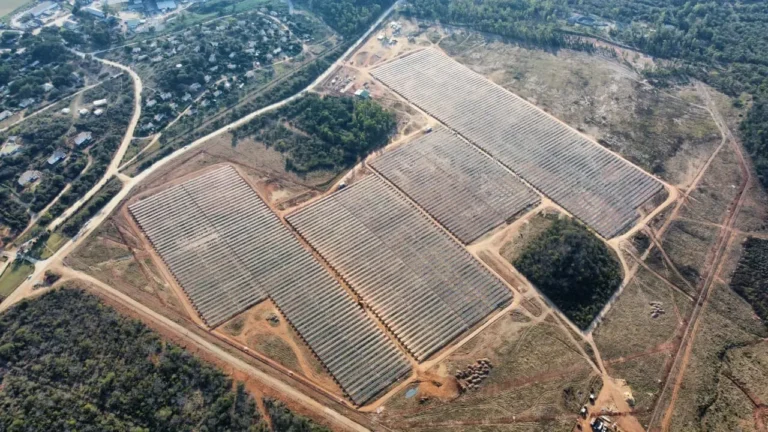
Caledonia Mining Corporation and CrossBoundary Energy are considering expanding the 12.2-megawatt (MW) solar plant at Blanket Mine, following the facility’s official handover.

By Ryan Chigoche

Commissioned in February 2023, the solar plant was initially owned and operated by Caledonia Mining Services (CMS), a wholly owned Zimbabwean subsidiary of Caledonia Mining.

CMS oversaw the plant’s daily operations, ensuring stable and reliable power tailored to the mine’s needs—an essential step toward energy security in a power-constrained sector.

That arrangement shifted in September 2024 when CrossBoundary Energy Holdings (CBE), an independent renewable energy investor active across Africa, won a competitive bidding process.

The acquisition was finalized on April 11, 2025, for a pre-tax cash consideration of $22.35 million.

The solar plant currently provides around 25% of Blanket Mine’s daily energy requirements, but CrossBoundary is already looking ahead to potential upgrades and expansion.

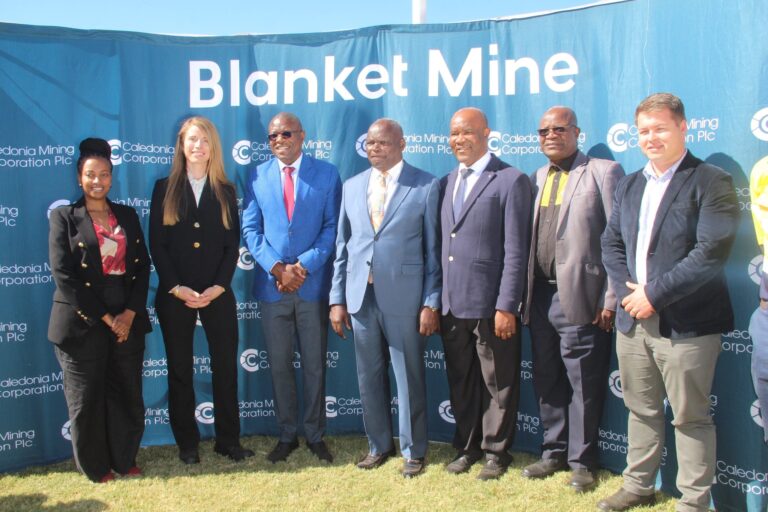
Speaking at the official handover ceremony held at Blanket Mine in Gwanda, CrossBoundary Energy Chief Regulatory Officer Tessa Lee said:

“Looking ahead, CrossBoundary is working closely with the Caledonia Mining Corporation and Blanket Mine team to explore further expansions to renewable energy provision on this site under a phased approach. The solar plant currently meets around 25% of the mine’s energy needs, and further investment could excitingly unlock greater efficiency and alignment with Caledonia’s long-term energy strategy and sustainability goals. We would like to thank the entire Caledonia and Blanket Mine team for the excellent partnership we have built thus far and for the continued trust in CrossBoundary Energy to deliver clean energy to your mines.”

Under the new arrangement, CrossBoundary will manage all maintenance and operations of the solar facility, while Caledonia focuses on its core gold mining business. The transition allows both parties to play to their strengths, with Caledonia continuing to benefit from clean energy through an exclusive power purchase agreement (PPA).

Since its commissioning, the plant has produced more than 33,000 megawatt-hours (MWh) of clean electricity, reducing reliance on expensive diesel and the national grid. The sale also delivered financial returns, as Caledonia originally constructed the facility at a cost of $14.3 million.

Victor Gapare, Director at Caledonia Mining Corporation, described the handover as a milestone in the company’s sustainability journey.

“And now, we are going through this process of strategic collaboration with CrossBoundary Energy, who so far have been an outstanding partner—and we hope will continue to be one going forward. Thank you. This handover signals not an ending, but a continuation of shared efforts towards responsible and sustainable mining. Beyond our operational achievements, we remain deeply committed to uplifting the communities that support our work,” Gapare said.

Blanket Mine, one of Zimbabwe’s largest underground gold producers, has positioned itself as a leader in green energy adoption within the mining sector.

The development of a dedicated solar facility not only demonstrates Caledonia’s environmental commitment but also addresses one of the mining industry’s biggest operational challenges—access to reliable, affordable energy.

While ownership of the asset has changed, Caledonia’s access to solar-generated electricity is secured through the PPA with CrossBoundary.

This continuity ensures the mine remains powered by renewable energy, while freeing up capital for other strategic areas such as exploration and plant upgrades.

The Blanket Mine solar plant now serves as a model for how mining companies in Zimbabwe and across Africa can leverage renewable energy partnerships to improve operational sustainability, reduce emissions, and enhance profitability in a high-cost energy environment.

WATCH LIVE: Caledonia Mining hands over solar plant to Cross Boundary Energy

0

Watch live the Caledonia Mining Solar plant Handover Ceremony to Cross Boundary Energy, Blanket Mine, Gwanda, Zimbabwe.

WATCH LIVE

In October 2024 Caledonia announced that it had signed a conditional sale agreement for the entire issued share capital of its Zimbabwe subsidiary, Caledonia Mining Services (Private) Limited, which owns and operates the 12.2MWac solar plant that supplies power to Blanket Mine. CMS was sold to CrossBoundary Energy Holdings (“CBE”) for $22.35 million, payable in cash, and the power generation of the solar plant will continue to be sold to Blanket Mine by way of a power purchase agreement.

Highlights

  • Upon completion of the sale, Caledonia will realise a profit on the $14.3 million construction cost by selling the plant for $22.35 million.
  • Completion of the sale will return capital to Caledonia at a key moment in the Company’s growth trajectory.
  • Caledonia will retain the exclusive energy off-take, ensuring approximately a fifth of Blanket Mine’s daily electricity requirement continues to be met by renewable power.
  • CBE has been invited to tender for an expansion of the solar plant to deliver further renewable energy to Blanket Mine.

The construction of the solar plant was initially financed by a registered offering of Caledonia’s shares in the US in 2020, and this raised $13 million through the issue of 597,963 shares.

Since commissioning in February 2023, the solar plant has generated over 47,350Mwh of power, and profits attributable to the solar plant for the year ended December 31, 2023 were $728,023. The power generated from the solar plant has significantly reduced the use of diesel generators and grid power at Blanket Mine, ensuring approximately a fifth of the mine’s daily electricity needs are met by solar power. The plant will continue to supply Blanket Mine under an exclusive power purchase agreement.

The sales consideration will be reinvested in Caledonia’s other projects that are expected to yield a higher return to our shareholders and will have the added benefit of focusing management’s attention on our core business of gold mining and exploration.