Home Blog Page 91

Invictus Edges Closer to Finalising Key Petroleum Agreement for Cabora Bassa Project

0

Invictus Energy Limited says it has received an updated draft of the amalgamated Petroleum Production Sharing Agreement (PPSA) for its Cabora Bassa gas and oil project in Zimbabwe, marking progress towards securing the necessary approvals for future development.

By Ryan Chigoche

The Australian-listed company, which holds an 80% operating stake in the project, noted that the finalisation of the PPSA is ongoing, following collaborative discussions with relevant line ministries in the Republic of Zimbabwe.

The finalisation timeline has been extended slightly as new terms introduced by external legal advisors were incorporated into the agreement.

Despite this, Invictus said all stakeholders remain committed to delivering a contract that reflects international best practices.

The Zimbabwean government recently decided to merge the Petroleum Exploration Development and Production Agreement (PEDPA) with the PPSA into one streamlined document.

Invictus confirmed it is actively engaged in finalising this consolidated agreement.

“We are greatly encouraged by the government’s continued support and the positive momentum towards finalising the PPSA,” said Invictus Managing Director Scott Macmillan.

“The Ministry of Finance’s agreement to provide National Project Status is a key milestone, and we look forward to completing the formalities in due course. We remain on track with preparations for Mukuyu-1 and are excited about the next phase of activity at Cabora Bassa,” he added.

In a significant boost for the project, Zimbabwe’s Ministry of Finance has also agreed to grant the Cabora Bassa Project National Project Status (NPS).

This designation is reserved for strategically important investments that are expected to drive national economic growth, attract foreign capital, and create jobs.

The company is now in the final stages of the formal process required for the official granting of NPS. Once conferred, the status will unlock various fiscal and non-fiscal incentives for the project, including duty exemptions, accelerated permitting processes, and improved access to critical infrastructure and government services.

Commenting on the progress, the Minister of Finance expressed strong backing for the project, stating:

“The Cabora Bassa Project is a nationally significant development, and we are working closely with Invictus to finalise the PPSA and ensure a transparent, fair, and commercially sound agreement. The government looks forward to the successful formalisation of National Project Status and the long-term benefits the project will bring to Zimbabwe.”

Government officials have also reiterated their support for the Cabora Bassa Project and their commitment to ensuring the final agreement is “fair, transparent, and balanced.”

A series of stakeholder meetings are scheduled to wrap up the outstanding issues and conclude the PPSA and related instruments.

Meanwhile, Invictus said it has begun contracting and procurement processes for long-lead items and essential services required for the drilling of the Mukuyu-1 exploration well. The company is targeting the spud date for the well in the second half of 2025.


Gold buying prices per gram in Zimbabwe, 30 June 2025

Gold buying prices per gram in Zimbabwe today, 30 June 2025, from the official gold buyer and exporter Fidelity Gold Refinery (FGR).

  • SG 90% and ABOVE US$99.40/g.
  • SG ABOVE 89% BUT BELOW 90% US$98.35/g.
  • SG ABOVE 80% BUT BELOW 85% US$97.29/g.
  • SG ABOVE 75% BUT BELOW 80% US$96.24/g.
  • SAMPLE BELOW 10g BUT ABOVE 5g US$94.67/g.

Fire Assay CASH $99.92/g.

NB: Fire Assay cash price is for gold above 100g; no sample is deducted.

A sample of not more than 10g is deducted for the Fire Assay Transfer price.

A 2% royalty is charged on all deposits (Small-scale miners).

A 5% royalty is set for Primary Producers.

BREAKING: Zimbabwe Establishes Gold Trade Enforcement Unit (Gteu) Under Fidelity Gold Refinery (Pvt) Ltd (Fidelity) Oversight

0

PRESS RELEASE: Fidelity Gold Refinery (Private) Limited (Fidelity) is the designated National Gold Refinery following the amendment of the Gold Trade Act [Chapter 21:03], through Section 48 of the Finance Act (No. 2) of 2024. Subsequently, the Gold Trade Act was amended through Part IIIA to establish the Gold Trade Enforcement Unit (GTEU) which will operate under Fidelity’s oversight.

Establishment of the GTEU

In terms of the amendment, the Managing Director of the National Gold Refinery appoints the Head of the Unit. The GTEU comprises of Fidelity staff and the Zimbabwe Republic Police (ZRP) officers appointed by the Police Commissioner-General. These are certified as Gold Trade Enforcement Officers by the Minister of Finance and Economic Development.

Each certified Gold Trade Enforcement Officer is issued an official certificate signed by or on behalf of the Minister responsible for Finance. GTEU officers must present the certificate upon demand by any person affected by the exercise of their powers.

Functions and Powers of the GTEU

The Gold Trade Enforcement Unit has been entrusted with a critical and multi-faceted mandate to safeguard Zimbabwe’s gold economy and ensure adherence to established regulations. Its core functions include assisting miners in preventing the theft of gold from mining locations, thereby protecting their operations and output, preventing the sale of gold to any entity or individual other than a holder of a gold dealing license or a person explicitly authorized under the Gold Trade Act, ensuring all gold trade is channelled through legitimate avenues, preventing the smuggling of gold outside Zimbabwe’s borders thereby protecting the nation’s strategic reserves and foreign exchange earnings and acting generally to safeguard Zimbabwe’s gold resources for the collective public benefit, reinforcing transparency and accountability in the sector.

The GTEU is empowered to enter any mining location for the purpose of examining security systems in place; inspecting whether mining or prospecting is being conducted at the site taking samples for assay; examining books, accounts and any other records, including making copies where necessary; accessing and examining any computer, Universal Serial Bus (USB), or other information storage device, requiring information in unencrypted, machine-readable format and determining whether provisions of the Act are being carried out.

This comprehensive and proactive approach aims to ensure effective compliance with the Gold Trade Act, fostering a more secure, transparent and regulated gold trading environment that benefits all legitimate stakeholders.

Measures to Curb Illegal Gold Trading in Zimbabwe

To curb illegal gold trading in Zimbabwe, Fidelity Gold Refinery has implemented a comprehensive set of measures aimed at ensuring that all gold produced is formally accounted for and delivered through legal channels.

Among these is Elution Monitoring, where Fidelity’s internal security oversees gold production at elution plants to ensure delivery to Fidelity. Additionally, there is a Gold Mobilization Technical Taskforce which works to ensure responsible mining and compliance in the ASM sector.

Fidelity operates 20 gold buying centres across all mining provinces, including Harare, Mutare, Gweru, Bulawayo and others. In underserved areas, mobile gold buying units and agents are deployed, ensuring miners can access services safely and avoid the risks associated with long-distance travel. In addition, Fidelity is constructing one-stop gold service centres around Zimbabwe, making it easier for Artisanal and Small-scale Gold Miners to transact under one roof.

Some of the services that will be provided at these one-stop service centres are assay services, chemical supply services, elution services and gold buying services.

Fidelity has also introduced a Gold Traceability System that tracks gold from production to the international market, enhancing transparency and ensuring compliance with the June 2023 legislation on responsible sourcing. This mine-to-market tracking framework reinforces the integrity of Zimbabwe’s gold supply chain.

To encourage formal trading, Fidelity guarantees timely payments and competitive pricing, benchmarking its rates against the London Bullion Market Association (LBMA). This strategy offers miners an internationally aligned value proposition for their gold, incentivizing them to operate through official channels and further supporting efforts to eliminate illicit gold trading.

Conclusion


The establishment of the Gold Trade Enforcement Unit marks a positive inroads in upholding the integrity of the gold trading industry. Fidelity Gold Refinery, being at the centre of this development, is expected to unlock the benefits accruing from this legislative amendment. Through the GTEU, Fidelity aims to establish a robust framework around national gold mobilization, ensuring that every gram contributes transparently and legitimately to Zimbabwe’s economic prosperity and security.

Govt Sets July 2025 Deadline for Mining Title Holders to Update Coordinates for E-Cadastre Rollout

0

The Ministry of Mines and Mining Development has set a firm July 1, 2025, deadline for mining title holders and applicants to align with new geospatial data standards, as the country moves closer to implementing a long-awaited computerised Mining Cadastre Information Management System (MCIMS).

By Ryan Chigoche

Published through General Notice 1 of 2025, the directive marks a significant milestone in the government’s ongoing efforts to digitise the management of mining titles and related operations.

The new system is expected to streamline title administration, reduce disputes, and improve transparency across Zimbabwe’s mining sector.

Effective from the deadline, all existing mining titles, as well as pending and new applications, must be captured in the Universal Transverse Mercator (UTM) Arc 1950 coordinate system, based on the Clark 1880 spheroid reference.

The Ministry emphasised that all coordinates must be gathered by registered mine surveyors using survey-grade instruments and in adherence to national and international surveying best practices.

What Title Holders and Applicants Must Do

To meet the new requirements, mining title holders and applicants working with approved prospectors and registered mine surveyors must take the following steps:

  1. Active Claim Renewals
    For every renewal of an active mining claim, title holders are required to submit coordinates in the specified format. The Ministry urged claim holders to inspect and renew their titles on time to avoid lapses.

  2. Pending Applications
    Applicants with outstanding mining title submissions must resubmit coordinates that comply with the new geospatial standards.

  3. New Applications
    Going forward, all new mining title applications will only be accepted if accompanied by coordinates that meet the UTM Arc 1950 specification.

  4. Registered Mine Surveyor List
    To support this process, a list of registered mine surveyors will be made available at Provincial Mining Offices and at the office of the Chief Government Mining Engineer.

No Repegging Required

To prevent confusion, the Ministry clarified that the exercise does not require physical repegging of claims. The focus is strictly on updating coordinate data for digital integration. Existing claim boundaries remain intact, with no requirement for title holders to re-establish pegs on the ground.

Warning Against Data Manipulation

Authorities also issued a strong warning to mining title holders, prospectors, registered surveyors, and government officials against any attempts to manipulate data or undermine the integrity of the process. The Ministry underscored the importance of maintaining accuracy and accountability, adding that the success of the e-cadastre depends on honest participation from all stakeholders.

The full rollout of the MCIMS forms part of Zimbabwe’s broader mining sector reforms aimed at boosting investor confidence, improving governance, and aligning the country’s mineral resource management with international best practice.

A mining cadastre is a comprehensive land management system that digitally records the location, ownership, and status of mineral rights and mining titles.

Used widely in mining jurisdictions globally, cadastre systems help minimise disputes, curb corruption, and enhance transparency by providing a single, verifiable source of mineral title information.

In the case of Zimbabwe, this is a welcome development for a sector that has, for years, struggled with the absence of a functional mining cadastre. Delays in finalising the system have undermined transparency and investor confidence.

Challenges such as overlapping claims, title disputes, and the lack of real-time access to accurate title data have persisted.

According to industry observers, the slow rollout originally targeted for 2024 has exposed the sector to manipulation risks and disputes over ownership.

Infrastructure limitations, data verification gaps, and incomplete legacy records in areas like Manicaland have also contributed to delays. The setting of a clear compliance deadline is now seen by many stakeholders as an important step toward restoring order and confidence in Zimbabwe’s mining title administration.

Premier Appoints Graham Hill as Managing Director to Steer Zulu Project Through Critical Phase

0

AIM-listed mining and exploration junior Premier African Minerals Limited has moved to strengthen its leadership and operational capacity with the appointment of Mr. Graham Hill as Managing Director (non-Board), effective 16 July 2025, Mining Zimbabwe can report.

By Rudairo Mapuranga

This decision comes at a time when the Zulu Lithium and Tantalum Project, Premier’s flagship operation in Zimbabwe, faces increased pressure to deliver on its promise of profitable, long-term production.

The appointment of Mr. Hill signals a strategic shift, following months of uncertainty, shareholder dissatisfaction, and technical challenges at Zulu. Stakeholders had increasingly raised concerns about the previous leadership under George Roach, who officially stepped down on 20 May 2025. Mr. Roach’s tenure, though marked by determination to bring Zulu online, became clouded by operational delays, unclear communication, and controversial equity financing decisions that left investors uneasy.

The company’s recent US$600,000 fundraise to support Zulu was met with a lukewarm response, with some stakeholders questioning the adequacy of the amount and the terms under which it was secured. This followed a contentious equity-based payment to a contractor, a move that some investors interpreted as symptomatic of deeper financial and planning issues. In light of this, Premier’s decision to bring in Mr. Hill appears both timely and necessary.

Graham Hill: A Technical Hand to Steady the Ship

Premier Chairman Godfrey Manhambara expressed both relief and optimism in welcoming Hill: “I am pleased and relieved that Graham has accepted this. I expect that his contribution to the final resolution of the issues at Zulu will be marked and significant. Graham has wide experience that has direct relevance to our operations, and I welcome his hands-on direct approach at Zulu.”

Mr. Hill’s résumé speaks volumes. A qualified engineer with over 41 years of experience across Africa, Southern Europe, and Central Asia, Hill has a solid reputation for delivering mines under challenging conditions. His most recent role was as Chief Operating Officer of Adriatic Metals PLC, where he was instrumental in advancing the Vares Project in Bosnia and Herzegovina through feasibility and development.

Previously, Hill led the commissioning of the Silver Bear silver mine in eastern Siberia and was responsible for the development of multiple mining projects for Oxus Gold plc. His early career saw him rise through the ranks at Anglo American, where he led the construction of three operations across South Africa and Mali. He later served as COO at Axmin, managing the Environmental Impact Assessment (EIA) and infrastructure planning at the Passendro Gold Project in the Central African Republic.

A Mandate Beyond Production

Mr. Hill’s appointment is not just a matter of improving plant throughput or increasing recovery rates. It reflects a broader mandate to rebuild stakeholder confidence, stabilise project delivery, and reorient the company’s governance and communication approach. His presence on the ground at Zulu is expected to bring structure, direction, and technical leadership—something many stakeholders believe had been lacking.

The company has also signalled that, subject to the successful completion of regulatory checks and a probationary period, Mr. Hill may be invited to join the Board as Chief Executive Officer. If confirmed, he would formally succeed George Roach in the top role, with a clear remit to overhaul both operational and investor relations.

The Road Ahead for Zulu

The Zulu Project, once a source of investor excitement, has in recent months become a focal point of shareholder frustration. Commissioning issues, unclear timelines, and inconsistent updates had shaken confidence. But with global demand for lithium still growing and Zimbabwe positioned as a strategic player in the battery minerals race, Premier still holds a valuable asset—if it can execute effectively.

Mr. Hill’s engineering background, combined with his practical mine-building experience, suggests a no-nonsense approach is on the way. His track record of navigating both emerging and developed market challenges aligns well with the realities on the ground in Zimbabwe, where logistical, power, and community engagement hurdles remain significant.

Investor Sentiment and Market Outlook

While some scepticism remains among long-term shareholders bruised by the past year’s events, the announcement of Hill’s appointment has already been met with cautious optimism in investor circles. His name brings credibility, and his work ethic—described as “hands-on” by Manhambara—could be exactly what’s needed to transform Zulu from a site of potential to a source of consistent production.

The company’s future may hinge on Hill’s ability to do three things quickly: stabilise operations, build transparency into every layer of the project, and chart a financially sustainable roadmap that avoids further dilution or questionable fundraising tactics.

Namib Minerals Plans Full Expansion into Green Metals Within Five Years

0

Namib Minerals, a gold producer and explorer listed on Nasdaq, has unveiled ambitious plans to diversify its portfolio by becoming a significant producer of green metals, including copper and cobalt, within the next five years.

By Ryan Chigoche

Namib operates three key gold mines in Zimbabwe, which form the core of its local portfolio.

Apart from that, the company also owns green mineral assets, including multiple battery metals exploration permits in the Democratic Republic of Congo (DRC), with potential for copper and cobalt.

This was revealed by Namib Minerals CEO Ibrahima Tall in a recent meeting.

“Green metals are the future. We intend to move from being just a gold producer to becoming a producer of both gold and battery metals. This transition should happen within the next four to five years from our perspective.”

The company plans to achieve this through its recent listing on the Nasdaq exchange, which followed its merger with a US-based company in a landmark deal valued at approximately $609 million.

The listing has positioned Namib Minerals to access vital capital for reinvestment and expansion.

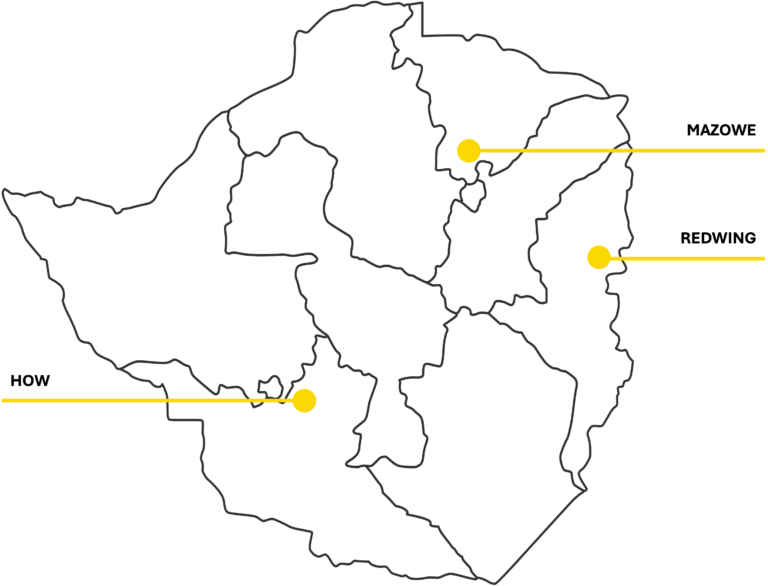
Alongside its green metals ambitions, Namib Minerals plans to imminently restart operations at its two non-operational gold mines in Zimbabwe: Mazowe Gold Mine and Redwing Mine, both situated in the prolific Harare greenstone belt.

With support from Hennessy Capital and its strategic Nasdaq listing, Namib Minerals is well positioned to lead in both traditional gold mining and emerging green metals markets, aligning itself with global trends toward sustainable and clean energy resources.

Investors are closely watching Namib’s transformation, which could redefine its role in Zimbabwe’s mining sector and the broader green metals industry over the coming half-decade.

Caledonia Mining’s Greenhouse Emissions Surge Raises Questions, But Solar Strategy Offers Hope

0

Despite its efforts to reduce environmental impact and increase energy self-sufficiency, gold-focused mining company Caledonia Mining Corporation has recorded a sharp increase in greenhouse gas (GHG) emissions in 2024, Mining Zimbabwe can report.

By Rudairo Mapuranga

The company’s latest ESG Report, released last month, reveals the complex balancing act of maintaining production in Zimbabwe’s energy-challenged environment while pursuing sustainability goals.

Caledonia, which operates the iconic Blanket Mine in Gwanda, Matabeleland South, reported a 43% surge in Scope 1 and Scope 2 emissions in 2024. This increase is largely tied to the company’s reliance on coal-generated electricity following the commissioning of a power plant in Hwange. While this development has improved energy reliability for mining operations, it has also contributed to a heavier carbon footprint.

The Coal Dilemma vs. the Solar Promise

While the coal power shift impacted emission metrics, Caledonia’s move to invest in renewable energy must not be overlooked. Its 12.2 MWac solar power plant, commissioned in November 2022, continues to provide critical clean energy to Blanket Mine. According to Caledonia, the solar plant now powers approximately 27% of the mine’s average daily electricity demand. This has significantly cut the mine’s dependence on diesel generators, reducing monthly diesel usage from 120,000 litres to just 18,000 litres.

In terms of performance, the solar plant has generated more than 47,350 MWh of clean energy since its commissioning. This output has not only reduced diesel-related emissions but also stabilised operations and minimised production interruptions. The improvement in grid power further enhanced the mine’s overall energy reliability.

From a financial perspective, Caledonia made a strategic decision to sell the solar plant in 2024 for US$22.35 million—realising a solid return on its original US$14.3 million investment. Importantly, Caledonia has retained an exclusive power off-take agreement, ensuring that Blanket Mine continues to benefit from clean, affordable solar energy without owning the asset outright. This move reflects a savvy blend of financial prudence and energy security.

Sustainability Goals and Public Expectations

Despite these green milestones, the jump in GHG emissions signals that there is still work to be done. The company’s transparency in reporting this spike is commendable, but it is clear that stakeholders—from environmental analysts to local communities—will want more detail on mitigation plans going forward. There is no denying that Caledonia is trying to build a sustainable operation, but efforts must now accelerate to reverse the emissions trend recorded in 2024.

The company has not yet committed to specific emissions reduction targets or outlined a formal carbon offsetting programme, which are now considered standard among environmentally conscious global miners. With Blanket Mine being one of Zimbabwe’s most visible and respected operations, Caledonia sits at the intersection of scrutiny and leadership.

Community Impact and Broader ESG Progress

Caledonia continues to lead in areas beyond just energy. The company maintains robust corporate social responsibility programmes, including support for education, healthcare, and local infrastructure in the Gwanda area. Blanket Mine’s presence has long supported livelihoods in Matabeleland South, and Caledonia’s ESG framework continues to emphasise shared value and long-term development.

Caledonia’s governance approach is also a benchmark for local operators. The company’s board and management team promote transparency, diversity, and international reporting standards—factors that have helped secure investor confidence on the London, New York, and Victoria Falls stock exchanges.

Turning a Strong Foundation into Greener Outcomes

Caledonia Mining’s 2024 ESG report presents a company that is honest about its setbacks and bold in its solutions. The rise in emissions—though concerning—is not the full story. The solar plant, which continues to supply over a quarter of Blanket Mine’s daily power, stands as proof that cleaner, locally generated energy is both viable and economically sound in Zimbabwe.

With the diesel cutback, improved production stability, and a profitable solar divestment that retains energy access, Caledonia is showing that green innovation can align with strong business strategy. What the company must do next is turn this momentum into measurable climate commitments: emissions targets, expanded renewable adoption, and defined pathways to reduce Scope 1 and 2 emissions.

In a mining environment where few firms are as transparent or forward-looking, Caledonia still holds its place as a leader. But leadership in the climate era demands more than good intentions—it demands action. And with a solid foundation already in place, the time for that action is now.

Gold buying prices per gram in Zimbabwe, 27 June 2025

Gold buying prices per gram in Zimbabwe today, 27 June 2025, from the official gold buyer and exporter Fidelity Gold Refinery (FGR).

SG 90% and ABOVE US$100.83/g.

SG ABOVE 89% BUT BELOW 90% US$99.76/g.

SG ABOVE 80% BUT BELOW 85% US$98.69/g.

SG ABOVE 75% BUT BELOW 80% US$97.62/g.

SAMPLE BELOW 10g BUT ABOVE 5g US$96.02/g.

Fire Assay CASH $101.36/g.


NB: Fire Assay cash price is for gold above 100g; no sample is deducted.

A sample of not more than 10g is deducted for the Fire Assay Transfer price.

A 2% royalty is charged on all deposits (Small-scale miners).

A 5% royalty is set for Primary Producers.

Armed Robbers Steal USD520,000 from Old Nic Mine in Bulawayo

0

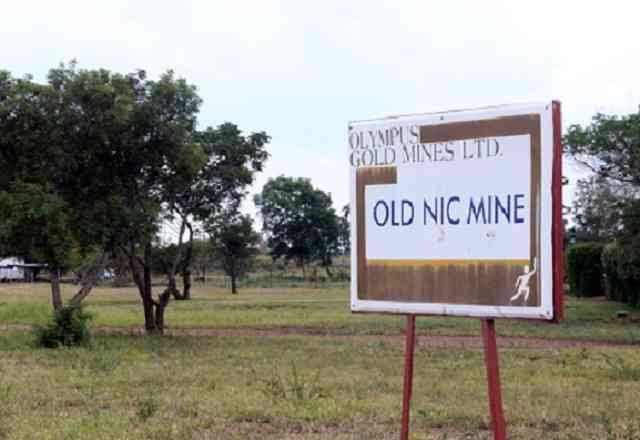
Bulawayo, Zimbabwe – June 26, 2025. Police in Bulawayo have launched a manhunt for three armed suspects who staged a daring robbery at Old Nic Mine on Tuesday, June 25, 2025, making off with a substantial amount of cash.

In a statement, the Zimbabwe Republic Police (ZRP) confirmed the incident, saying,

“Police in Bulawayo are investigating a robbery case which occurred at Old Nic Mine on 25/06/25, where three unknown suspects, who were armed with pistols, pounced on the company’s offices and attacked three complainants who were present. The suspects stole USD520,000 and two cell phones.” said the Police in  statement.

The suspects, who are still at large, reportedly stormed the mine’s offices armed with pistols before assaulting the victims and fleeing with the stolen items. No fatalities have been reported.

Authorities say investigations are underway and urged anyone with information to come forward.

“The Zimbabwe Republic Police will release more detailed information regarding this case tomorrow,” the statement added.

The incident has raised serious concerns over security at mining operations, which often handle large amounts of cash for operational expenses.

More updates to follow as the story develops…


Chombo Urges Officials to Fast-Track Support for Mining Investments in Line with Vision 2030

0

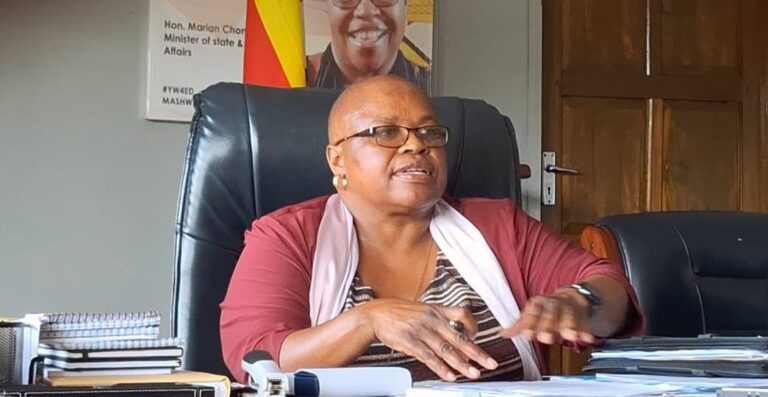
The Minister of State for Mashonaland West Province, Marian Chombo, has challenged government departments and local authorities to adopt a results-driven mindset aligned with the President’s Vision 2030, as the province welcomes a major investment from pan-African mining company, Bravura, Mining Zimbabwe can report.

By Rudairo Mapuranga

Speaking during a stakeholder engagement with Bravura Mining and Resources, which is set to establish operations in Zvimba and Chegutu districts, Chombo emphasized the need for government officials to implement the national vision with urgency and efficiency.

“You must adopt the President’s vision because he has set a clear direction for Zimbabwe to become an upper-middle-income economy by 2030. As implementers, your role is to make sure that vision becomes a reality. When mining giants like Bravura come forward and say they need certain things to progress, your job is to ensure those things are done without delay,” she said.

Her remarks underscore the government’s commitment to rural industrialisation, a pillar of Vision 2030, which continues to gain momentum through private sector participation in resource-driven districts. Bravura’s entry into Mashonaland West is expected to significantly contribute to economic decentralisation, job creation, and infrastructure development.

Bravura Holdings Zimbabwe Managing Director, Mr. Gbenga Ojo, confirmed during the engagement that the company has completed feasibility studies for its platinum project and is now entering the developmental phase.

“We are a mining conglomerate, and we are pan-African with a footprint in about fourteen African countries. As a business, we are committed to ensuring that we have a viable project in the years to come. And already, we’ve invested heavily in the project, having completed our feasibility study and our exploration work, and we are currently at the developmental phase,” said Ojo.

Though the company did not disclose project timelines or job estimates, Ojo assured stakeholders that Bravura was sensitive to community needs and had established a solid corporate social responsibility framework to guide local empowerment.

“In terms of our social responsibility, we’ve made our commitment to the Minister that everywhere we operate as a business, we are Africans, and so we understand the needs of Africa. We play in the terrain of Africa, so everywhere we operate in Africa, we are mindful of the need to invest heavily in the well-being of our people. Already, as a business, what we have done is to ensure that our staff strength is ninety-five percent locals, just to show our demonstration that we are committed to investing in the locals and uplifting the people,” he said.