Home Blog Page 97

Premier Secures Fresh Funding to Complete Zulu Lithium Project Overhaul

0

London Stock Exchange-listed mining and exploration junior Premier African Minerals has once again demonstrated its resilience and determination to deliver Zimbabwe’s most promising lithium project by securing fresh interim funding amounting to £1.575 million, Mining Zimbabwe can report.

By Rudairo Mapuranga

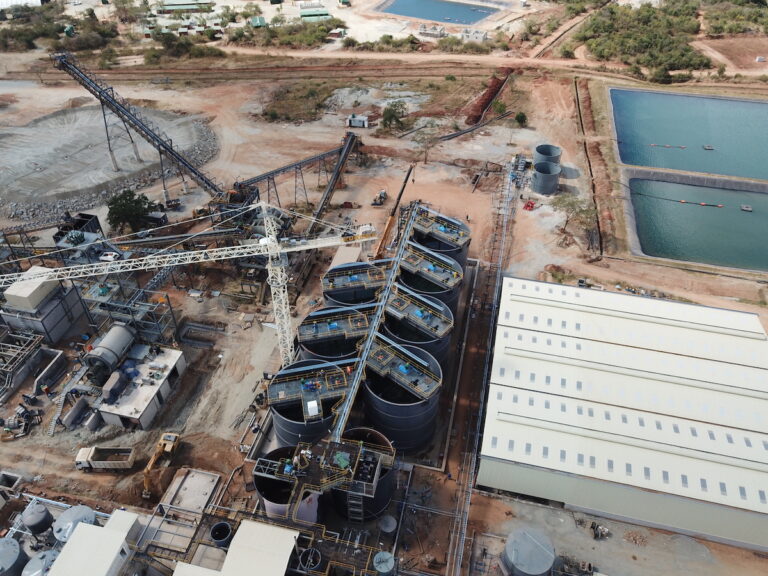
The funds, announced on Wednesday, are earmarked to accelerate the critical final works at the Zulu Lithium and Tantalum Project in Insiza, with a view to stabilising operations, improving recovery, and positioning the mine for long-term profitability.

The latest capital injection, raised through the issuance of new ordinary shares at 0.012 pence per share, comes at a crucial time for Premier. The company is racing against time to address underperformance at the original flotation plant, and this funding signals a pivotal step towards completion of the corrective works. In addition to the subscription raise, Premier also settled contractor invoices worth US$1.1 million—equivalent to £0.740 million—through the issuance of over six billion new shares. It’s a clear indication of Premier’s intent to meet its obligations while keeping operations on track.

At the heart of this new funding round is the installation and commissioning of new inserts designed to enhance concentrate retention time in the plant’s cleaner section. The company expects these changes to significantly improve both grade and recovery—two key technical hurdles that have plagued the project since its initial ramp-up. In the event the upgraded primary plant fails to deliver the expected performance, Premier has already begun civil works on an alternative flotation circuit, ensuring the company is not caught flat-footed should contingencies arise.

Premier’s Chief Executive Officer, George Roach, confirmed that the work is proceeding within budget and on schedule. He expressed confidence that the solutions now being implemented—long envisioned and tested since the third quarter of 2024—will finally deliver the product quality the market demands. The extensive test work undertaken in recent months, he noted, supports the company’s belief that satisfactory results are within reach.

“The inserts and the secondary flotation circuit are exactly as proposed in Q3 2024, but now with many more months of test work that all indicate proper recovery and grade should be achieved,” Roach said.

Importantly, the company revealed that its previously announced Letter of Intent with an FTSE100-listed entity remains active, and further negotiations with both that party and Canmax will resume as soon as the plant achieves acceptable grade and recovery. Premier expects this could be as early as July 2025 if the inserts perform as anticipated, or by late August should the secondary plant need to be commissioned.

Beyond the push to stabilise spodumene production, Premier is already looking further into the future. The company has used this interim period to explore alternative ore sorting technologies while also investigating the potential recovery of high-purity quartz and tantalite. As Roach pointed out, Zulu’s pegmatites are not only rich in lithium-bearing minerals but also host other industrial mineral opportunities that could significantly improve the mine’s economics over time.

The announcement of this latest funding round comes after a series of recent efforts by Premier to breathe life into the Zulu project. Earlier this year, the company raised US$1.25 million to accelerate civil works and a further US$2 million to fast-track commissioning. These moves followed on the heels of a broader strategy aimed at solving persistent plant challenges that had threatened to derail production targets.

In terms of market operations, the new capital raise—comprising a total of 19.3 billion shares—was arranged within the company’s existing share authorities and facilitated by CMC Markets UK Plc, trading as CMC CapX. Admission of the shares to AIM trading is expected around 17 June 2025, with a short lock-up period applied to settlement shares.

Following this issue, Premier’s total issued share capital now stands at 70.27 billion shares, a significant increase that reflects both the cost of stabilisation and the scale of ambition the company has for Zulu.

Premier’s long journey toward becoming a key lithium supplier is being watched closely by stakeholders and policymakers alike. With Zimbabwe’s global lithium aspirations gaining momentum and new players continuing to emerge in the space, Premier’s success or failure at Zulu will carry implications far beyond Matabeleland South. For now, however, the company appears to be digging deep—both financially and operationally—to ensure its place in Zimbabwe’s lithium future is not just reserved, but earned.

Eureka Gold Production Rises 0.05% in May, Continues Upward Momentum on the Back of Strategic Investments

0

Guruve-based Eureka Gold Mine has continued its steady production momentum into the second quarter of 2025, with May gold output rising to 178.7 kilograms, slightly above the 178.6 kilograms recorded in April, reflecting a 0.05% month-on-month increase, Mining Zimbabwe can report.

By Rudairo Mapuranga

While the increase may appear marginal, it reinforces the mine’s consistent performance and its commitment to maintaining operational excellence.

The mine, operated by Dallaglio Investments, the gold mining subsidiary of VFEX-listed Padenga Holdings, has been on a solid growth trajectory. This latest production data comes on the heels of an already impressive first-quarter performance in which Eureka produced 438 kilograms, surpassing its Q1 target of 409 kilograms by 7.09 per cent.

Speaking to Mining Zimbabwe, Eureka General Manager Nelson Banda credited the mine’s resilience and steady growth to strategic investments, plant stability, and operational discipline.

“Our Q1 2025 performance reflects a combination of operational discipline and long-term planning,” Banda said.

This growth builds on a highly successful 2024 in which Eureka recorded 1,811.03 kilograms of gold, 6.69% above its annual production target of 1,697.37 kg. The final quarter of 2024 alone saw production beat forecasts by 12.19%, a trend that has carried through into the new year.

A key enabler of Eureka’s dependable output is its tailings infrastructure investment strategy, with US$4 million allocated in 2025 to expand its Tailings Storage Facility (TSF). To date, over US$12 million has been invested in the TSF programme—ensuring environmental compliance, uninterrupted processing, and long-term sustainability.

“The capex is part of an ongoing annual investment into the TSF construction program. The facility is currently downstream and will transition into a modified upstream arrangement in 2026,” Banda explained.

Eureka’s TSF is also one of the most technologically advanced in the country. The mine has installed pressure sensors, flow meters, delivery line interlocks, and 24/7 CCTV surveillance, ensuring safety, efficiency, and early detection of faults. Moreover, water recycling systems have been implemented to promote sustainability and reduce environmental impact.

The mine’s ISO 14001 certification and progress toward compliance with the Global Industry Standard on Tailings Management (GISTM) further demonstrate its commitment to world-class practices.

“We are not just building infrastructure; we are securing the future of our operations, protecting our environment, and ensuring the safety of our workers and surrounding communities,” Banda added.

With consistent production levels and sustained infrastructure development, Eureka Gold Mine is increasingly being viewed as a benchmark for responsible gold mining in Zimbabwe. Its role in supporting the nation’s 2030 vision is becoming more prominent with each passing quarter.

As output continues to rise—even marginally—Eureka is proving that deliberate planning, investment in sustainability, and adherence to global standards can result in not only stable but exceptional performance.

If current trends continue, Eureka is on track to once again exceed its annual production targets, strengthening its position as one of Zimbabwe’s top-performing gold producers and a vital contributor to economic transformation.

Interview Caledonia Mining Chief Executive Officer Mark Learmonth

0

As Zimbabwe’s mining sector continues to attract global attention, companies like Caledonia Mining stand out for their long-term commitment, operational excellence, and strategic investment in the country. At the helm of Caledonia is a seasoned professional whose journey from chartered accountancy in London to leading one of Zimbabwe’s top gold producers reflects a deep understanding of both finance and African mining dynamics.

Here is our interview with Caledonia Mining Chief Executive Officer (CEO) Mark Learmonth.

Could you briefly share with us your professional background and journey in the mining sector leading up to your appointment as CEO of Caledonia Mining?

I qualified as a chartered accountant in London in 1991, before moving into merchant/investment banking – initially in London and then in Johannesburg, mainly doing transactions in the mining sector in Africa. I joined Caledonia in June 2008, at which time Caledonia was focused on exploration for copper and cobalt in Zambia.

Over the following years, we decided to divest non-core assets and focus our efforts on gold production in Zimbabwe. I became CFO in 2014 and was appointed CEO in 2023.

Caledonia has been a consistent performer in Zimbabwe’s gold sector, particularly through Blanket Mine. What have been the key drivers of this sustained performance despite a “challenging operating environment”?

Our success is based on tight operating and financial controls and disciplined capital allocation. It helps that we have a cash-generating asset in Blanket Mine, which has allowed us to fund growth using internally generated funds. However, this did require very close attention to forecasting and spending to ensure that we never ran out of money. It is only relatively recently that we have had access to external funds such as debt or the ability to raise equity.

Regarding Zimbabwe, I would challenge the common perception that it is a difficult jurisdiction. Yes, there are difficulties such as the frequent and rapid changes in policy; the heavy administrative and bureaucratic burden, the risk of repeated foreign exchange losses and inadequate access to dollars. Electricity is a problem, but electricity is also a significant problem in other jurisdictions, and the Zimbabwe government has been more flexible than most in facilitating private-sector solutions. In other respects, Zimbabwe is markedly less difficult than other jurisdictions: there is a plentiful supply of well-educated, highly-experienced, hard-working labour; the country is stable from a security perspective; consumables can be procured either locally, or relatively easily in South Africa; there is no low-level corruption and, notwithstanding the frequent policy changes, government is not doctrinally opposed to commercial mining operations.

The Bilboes project has been described as potentially Zimbabwe’s biggest gold asset. Could you provide an update on its progress and its strategic importance to Caledonia’s growth plans?

Bilboes will be Zimbabwe’s largest gold project and represents a major opportunity for Caledonia. Based on the Preliminary Economic Assessment published last year, Bilboes will produce approximately 1.5 million ounces of gold over an initial 10-year life of mine. The inclusion of the neighbouring Motapa property, where we have just started exploring, could make the Bilboes project even bigger. Bilboes is a big capital project: total capital expenditure, based on the PEA, is over $400m.

To fund this project will require us to maximise our internal cash flows and to raise external debt finance so that we can minimise the amount of new equity that we need to raise. New equity funding is expensive because our share price does not fully reflect the underlying value of the business. The reasons for this disconnect reflect these broader misconceptions about Zimbabwe. It is beholden on all participants in the Zimbabwe mining sector to be more positive. To minimise the dilution of our existing shareholders, our approach is to build value through disciplined growth. We are working hard to optimise the economics of the project and to reduce the up-front funding requirement.

We are also considering some near-term revenue opportunities elsewhere in our portfolio, which may increase our own internally generated equity contribution to the project. A project as big as Bilboes, if successful, would be transformational for Caledonia. It would also be transformational for Zimbabwe, not just in terms of contribution to the economy and broader stakeholders, etc, but also by forcing international investors to revisit and reconsider their misperceptions about Zimbabwe. This could result in more capital being available at a lower price to advance other projects in Zimbabwe.

ESG (Environmental, Social, and Governance) has become a central focus in global mining. How is Caledonia integrating ESG principles into its operations in Zimbabwe?

ESG is fully integrated into our operating model – we will shortly publish our 2024 ESG report, which provides ample information on this, where you see we do an enormous amount. Whether it’s a computer lab at Sitezi Secondary School, our support for local health clinics, or our investments in renewable energy, we are committed to making a tangible and positive impact. ESG is very much part of our core principles and something we take very seriously. In Zimbabwe, social impact can be profound, and our ESG commitments are not only a reflection of our values but also a business imperative for long-term sustainability.

With the recent appointment of Mr. Ross Jerrard as CFO, what strategic focus or operational improvements should stakeholders expect as Caledonia enters its next growth phase?

We are delighted that Ross has joined us. He was previously the CFO at Centamin, which accomplished in Egypt what we hope to achieve in Zimbabwe i.e. build and operate a world-class gold mine in a previously unfashionable, overlooked jurisdiction. However, Ross is just the latest addition to an excellent management team at Caledonia and at Blanket, which includes Mr James Mufara who joined us as COO in May last year. They are great recent additions to the team, but I would highlight that we already had very good-calibre individuals across many of our functions. Caledonia’s senior management is focused on improving operating efficiencies across the entire business as well as implementing our growth strategy.

The commissioning of the Central Shaft at Blanket Mine was a significant milestone. How has this impacted production capacity, operational efficiencies, and the overall outlook for Blanket Mine?

The commissioning of the Central Shaft has been transformative for Blanket Mine and allowed us to increase production from approximately 40,000 ounces to about 75- 80,000 ounces per annum. More importantly, Central Shaft has also given us the operational flexibility to restart deep-level exploration at Blanket. Last year we doubled Blanket’s reserves, after which Blanket’s mine life was extended out to 2041. Exploration continues at Blanket – at depth, in the shallower areas of the existing mine footprint and on other areas within Blanket’s lease area that are not currently being mined. I am confident that Blanket can maintain production at the current level for many decades to come. Depending on exploration success, it may be possible to increase Blanket’s production above 80,000 ounces per annum.

How do you view Zimbabwe’s gold mining sector evolving over the next 3 to 5 years, and what role do you envision Caledonia playing in this transformation?

Zimbabwe’s gold industry has been starved of capital for many decades: notwithstanding the current high gold price, many of Zimbabwe’s gold mines are struggling to survive due to a lack of historic investment. Large amounts of capital – hundreds of millions of dollars – are needed to recapitalise the industry and to fund new projects. Caledonia has already demonstrated that Zimbabwe can attract meaningful investment. In fact, we’ve raised more equity on the VFEX than on the NYSE. But this is not enough. International gold investors recognise that Zimbabwe has massive potential for world-class gold projects; it is also helpful that many other African Jurisdictions that were previously favoured by investors are now regarded as being unattractive. Zimbabwe could turn this situation to its advantage with a few policy initiatives – the most important of which is the liberalisation of the foreign exchange market. Investors will continue to be cautious about investing dollars into Zimbabwean projects if they are not confident they will get a dollar-denominated return. It’s basically a global competition. Mining companies have choices, and Zimbabwe must compete globally for discretionary investment. With the right reforms, Zimbabwe has every opportunity to emerge as a preferred mining jurisdiction, particularly as investors grow wary of instability elsewhere on the continent.

Finally, what message would you like to share with stakeholders and delegates attending the Chamber of Mines Annual Mining Conference and Exhibition regarding Caledonia’s commitment to Zimbabwe and the mining industry at large?

Caledonia is fully committed to Zimbabwe. All our projects are in Zimbabwe, 100% of our employees at Blanket Mine are Zimbabweans, we have increased the representation of Zimbabweans in the senior management team and on our Board and an increasing proportion of Caledonia’s shares are owned by  Zimbabweans. Over the last 10-12 years we have demonstrated a commitment to share the benefits of our success with all stakeholders: 34% of Blanket mine is owned by Zimbabweans, including the government, the Gwanda community and Blanket’s employees.  We are excited at the prospects to grow Caledonia’s business in Zimbabwe – for the benefit of all stakeholders.

Since we acquired Blanket in 2006, we have proven that responsible, long-term investment in Zimbabwe is possible. We now want to build on that foundation. I see strong growth for Caledonia and the wider industry. I believe that Zimbabwe and the Zimbabwe gold industry in particular has a unique opportunity to take advantage of current conditions – it requires a constructive and coordinated approach by the industry and government to unlock this opportunity.


This interview first appeared in the Mining Zimbabwe Magazine edition 70, which was first distributed at the 2025 Chamber of Mines Annual Mining Conference and Exhibition


Making Sense of Zimbabwe’s New Chrome Mining Policy

0

From Resource Control to Industrial Value Addition

Zimbabwe has introduced a pivotal policy linking the issuance of chrome mining titles exceeding 100 hectares directly to the expansion or establishment of ferrochrome furnace capacity. Alongside intensifying enforcement of the “use it or lose it” principle, these measures form part of a strategic effort to boost local beneficiation in the chrome sector.

By Ryan Chigoche

Announced yesterday by Mines and Mining Development Minister Winston Chitando, the government’s move targets two key challenges: curbing speculative mining title holding and accelerating the growth of local ferrochrome production.

This approach aligns with Zimbabwe’s broader plan to add value locally to its vast chrome ore reserves, creating jobs, increasing economic benefits, and strengthening industrial capacity.

To appreciate the significance of this new policy, it helps to understand Zimbabwe’s role in the global chrome ore market.

South Africa holds the largest reserves worldwide—about 72%, primarily concentrated in UG2 ore bodies, where chrome ore is often produced as a by-product of platinum mining.

Zimbabwe follows as the second-largest holder with approximately 12%, and together, the two countries control roughly 84% of the world’s chromium reserves. Other producers such as Kazakhstan, Turkey, and India hold smaller reserves.

Most of the world’s chrome ore is processed into ferrochrome, a vital component in stainless steel production. Although chrome ore has other uses, ferrochrome remains the largest derivative product. Despite its significant reserves, Zimbabwe is notably absent from the list of top global producers of chrome ore—a reflection of deliberate government policy.

To encourage value addition, Zimbabwe has banned the export of raw chrome ore, focusing instead on exporting value-added ferrochrome. However, the country has yet to break into the top five ferrochrome producers—a gap the government is determined to close.

Minister Chitando explained that while the raw chrome export ban was intended to encourage local beneficiation, the country’s full potential remains untapped.

“Some investors have secured large chrome concessions without developing corresponding furnace capacity, limiting Zimbabwe’s ability to maximise the economic benefits of its mineral wealth,” he noted.

To address this, the government is stepping up enforcement of the “use-it-or-lose-it” principle. Mining titles that are not effectively utilised, particularly those lacking associated furnace capacity, face forfeiture. Recognising the significant investment required to build furnace capacity, the government considers the need for a stable resource supply to sustain such operations for about 25 years an important factor in applying this policy.

“To explain clearly: when you look at most minerals, including chrome operations, you have mining and you also have processing capacity, which are the furnaces. Generally, as a rule of thumb, when furnaces are established, you want to ensure that you have sufficient resources for about 25 years to sustain the feed during that period and recover the investment in the processing capacity, which is expensive,” Minister Chitando said as he addressed the media today.

“So when we talk of use-it-or-lose-it, yes, the government is sensitive to producers or investors who invest in ferrochrome capacity, but they want to be assured of feed to supply that processing capacity. That’s factored in when considering the use-it-or-lose-it principle. This will be intensified. Secondly, with immediate effect, all chrome titles above 100 hectares will only be issued where they are directly going to expand current furnace capacity or feed into current or new furnace capacity.”

The government’s insistence that large chrome mining titles be tied to smelting capacity is intended to prevent resource hoarding without industrial development. Minister Chitando stressed that the policy is inclusive of smaller-scale operations as well.

“We would like investors to come, get resources, and establish furnaces. You get very small furnaces, too. If you look at the profile of Zimbabwe’s ferrochrome producers, you have large producers like Afrochine doing about 180,000 tons, and producers ranging as low as 3,000 tons. So you can have fairly small furnaces. The whole idea is to say, come investors, apply for title, and at the same time set up furnaces so that we unlock the potential in the ferrochrome industry.”

Together, the 100-hectare smelting capacity requirement and the strengthened “use-it-or-lose-it” enforcement are twin pillars of Zimbabwe’s effort to transform its mining sector. By tying mining rights to real production and value addition, these measures aim to attract investors willing to commit to local beneficiation, securing long-term economic benefits, job creation, and industrial diversification.

This policy framework supports Zimbabwe’s broader ambition to become an upper-middle-income economy by moving beyond simple mineral extraction to industrial manufacturing. Minister Chitando emphasised that the government’s decisions send a clear message: mining rights must translate into real production and value addition. With immediate enforcement, the government expects a surge in investor interest in smelting capacity and a more vibrant ferrochrome sector.

Ultimately, Zimbabwe’s refined approach positions the country to better leverage its abundant chrome ore reserves, enhance its ferrochrome output, and strengthen its standing in the global minerals market.

No Chrome Titles Above 100ha Without Smelting Capacity: Chitando

0

The issuance of new chrome mining titles exceeding 100 hectares will now, with immediate effect, be contingent upon the development or expansion of furnace capacity, Mines and Mining Development Minister Winston Chitando has announced.

By Ryan Chigoche

This directive forms part of Zimbabwe’s broader value addition strategy aimed at maximising economic benefits from its mineral resources, particularly through promoting local ferrochrome production. The government’s move seeks to bolster the ferrochrome industry in Zimbabwe, a critical sector for the production of stainless steel. The focus is on enhancing local processing capacities rather than relying on raw material exports to external markets.

During the recent Post-Cabinet briefing, Minister Chitando elaborated on this new directive, stating:

“On this broader value addition drive on chrome ores, the issuance of new titles of chrome ores above 100 hectares will only be allowed where it is associated with the development or expansion of furnace capacity. Previously, and traditionally, investors would come seeking chrome ore concessions, and they would be considered on their capacity to mine. But with immediate effect, concessions of chrome above 100 hectares will only be considered if they are directly linked with the development of ferrochrome production capacity — once again, as part of the value addition programme.”

Zimbabwe currently has about 10 ferrochrome producers, with capacities ranging from 3,000 to 84,000 tonnes per annum, culminating in an estimated total production capacity of approximately 270,000 tonnes per annum. This capacity underscores the country’s potential to strengthen its position in the ferrochrome market through local beneficiation.

Further emphasizing the government’s commitment to efficient resource utilisation, Chitando highlighted the enforcement of the “use it or lose it” policy within the chrome sector. This policy aims to boost production and curb speculative ownership of mining titles.

According to the provisions of the Mines and Minerals Act, mining titles should not be held for speculative purposes, with a clear emphasis that every holder of a mining title, claim, or special grant should produce on that mining title.

The law further provides for monthly returns, where a registered mine manager or representative of a mine location has to submit monthly returns reflecting production from the particular claim or mine title.

Chitando warned that failure to produce optimally, or non-production, would result in the forfeiture of mining titles under this principle.

“In an effort to ensure that Zimbabwe gets optimum value from its minerals and that minerals play their rightful place in the development of the country, the Ministry will be accelerating the implementation of the ‘use it or lose it’ principle where there is zero or suboptimal production.”

Zimbabwe’s mining sector has increasingly embraced value addition by processing raw minerals locally rather than exporting them unprocessed.

This strategic shift aims to enhance economic benefits, create jobs, and build local industrial capacity.

Chrome ore remains one of Zimbabwe’s key mineral resources and a major export commodity.

However, the global market value of raw chrome ore is significantly lower than that of ferrochrome, an alloy produced by smelting chrome ore and iron.

Ferrochrome is a vital material in stainless steel manufacturing and commands substantially higher prices internationally.

To support industrialisation and maximise economic returns, Zimbabwe has been promoting downstream processing through local ferrochrome production.

This approach is designed to transform the mining value chain from mere extraction to manufacturing, thereby ensuring greater domestic beneficiation.

Historically, some investors acquired large chrome mining concessions without investing in ferrochrome smelting capacity, limiting the country’s ability to fully benefit from its mineral wealth.

The government’s renewed emphasis on linking mining rights to ferrochrome production capacity addresses this challenge, encouraging greater investment in smelting infrastructure.

Ultimately, this policy shift aligns with Zimbabwe’s broader goal of fostering industrial development through value addition in mining. It aims to diversify the economy and increase the country’s share of the mineral value chain, positioning ferrochrome production as a cornerstone for sustainable growth.

Lithium Concentrate Exports to be Banned from January 2027

0

Zimbabwe is taking a bold step toward value addition in its lithium sector by announcing that exports of lithium concentrate will be banned starting January 2027, Mining Zimbabwe can report.

By Rudairo Mapuranga

The government says the move is meant to promote domestic processing and drive the country’s ambition to become a hub for the electric vehicle (EV) battery supply chain.

Speaking during a post-Cabinet briefing on Tuesday, Minister of Information, Hon. Jenfan Muswere, revealed that Zimbabwe mainly produces spodumene-type lithium ores, which are critical for the global energy transition. However, as the world races toward electrification, Zimbabwe wants to stop being just an exporter of raw minerals and start reaping the real benefits through local beneficiation.

“With effect from January 2027, the export of lithium concentrate will no longer be allowed,” said Muswere. “The ores produced locally are multi-element and must be fully processed within our borders.”

Bikita and Arcadia Take the Lead

Currently, two Chinese-owned operations—Bikita Minerals, now owned by Sinomine, and Arcadia Lithium Mine, owned by Huayou Cobalt—are leading the charge in domestic value addition. Both companies are investing heavily in lithium sulphate processing facilities, positioning themselves as Zimbabwe’s pioneers in downstream lithium processing.

Minister of Mines and Mining Development, Hon. Winston Chitando, called on all lithium producers—especially those lacking immediate capital or capacity for processing—to partner with Bikita or Arcadia through toll-processing arrangements, ensuring their concentrate is beneficiated locally rather than exported.

“We encourage all lithium producers to sign agreements with these two companies for toll processing if they don’t have the capacity to build their own plants,” said Chitando during the same press briefing.

A Strategic Move Amid Chinese Dominance

While Zimbabwe is keen to retain more value from its vast lithium deposits, Chinese firms dominate the landscape, controlling the largest operations and the bulk of new investments. According to the China-Global South Project, China’s dominance is a double-edged sword—on one hand, it brings capital and technology, but on the other, it raises concerns about transparency, profit repatriation, and long-term developmental impact.

Still, the government’s latest directive marks a pivotal shift from “dig and export” toward industrialising the lithium value chain. This is in line with what several producers have said recently: “We’re not just digging—we’re building an industry.”

What This Means for Zimbabwe

With Zimbabwe already recognised as one of Africa’s top lithium producers, the upcoming ban could spark a wave of investment in processing plants, create more skilled jobs, and significantly boost foreign currency earnings.

However, there are potential challenges:

  • Smaller players might struggle with access to capital to establish processing plants.

  • Power and infrastructure deficits could hinder processing operations.

  • There’s a risk of market bottlenecks if toll-processing facilities become overwhelmed.

Despite these concerns, Zimbabwe’s stance is clear: the country wants to stop being a source of cheap raw lithium for foreign processors and become a critical player in the global energy transition.

As the world shifts to clean energy, Zimbabwe is not just supplying lithium—it’s building an industry to last.

Padenga Banks on Surging Gold Prices to Slash Debt by Year-End, as They Scout for More “Golden” Opportunities

0

Zimbabwean mining and agribusiness group Padenga says it is banking on the strong rally in gold prices to eliminate its debt before the year closes, while also being on the lookout for new opportunities to expand its mining business.

By Ryan Chigoche

This was revealed by Group Chief Executive Michael Fowler, who acknowledged that surging bullion prices have enabled the company to reduce its debt—a key focus as the group looks to invest further in Zimbabwe’s mining sector.

According to the group’s financials for the period ending December 2024, Padenga managed to cut US$13.6 million off its debt, thanks to sustained high bullion prices throughout the year, which helped the mining unit record significant profits.

Gold prices hit multiple records last year, with the LBMA Gold Price PM peaking at US$2,777.80 per ounce in October amid inflation concerns, geopolitical tensions, and strong central bank buying, particularly from emerging markets.

The rally has continued into early 2025, with prices surpassing US$3,200 per ounce, driven by escalating U.S.-China trade tensions and sustained investor demand for safe-haven assets.

With Padenga’s group debt currently standing at US$55.92 million and gold prices on an upward trend, Group CEO Michael Fowler said they plan to eliminate all borrowings by year-end.

“The gold prices have been very fortuitous. I’m happy the gold prices helped us a lot, and it’s enabled us to reduce debt, do the capex we want. But we remain focused on costs and making sure we’re an official producer. We would like to eliminate all our borrowings by year-end.”

While debt reduction remains the company’s top priority, Fowler added that they are still actively scouting for new investment opportunities in the mining sector.

“However, if we can find other opportunities, we may invest into other opportunities which will maintain the borrowings. So we’re keeping our eyes open at the moment. In Zimbabwe, there are lots of opportunities in gold. Our geology team and our management are constantly looking at where there are opportunities,” Fowler added.

Historically, Padenga was known for breeding crocodiles for the leather industry, a sector that once defined its core business. However, recognizing Zimbabwe’s immense mineral potential, the company gradually shifted its focus to gold mining.

Over the past decade, it has invested a staggering US$107 million in developing the Eureka and Pickstone-Peerless mines, resulting in a dramatic transformation of its revenue streams.

Padenga’s transition from crocodile farming to gold mining began in 2019 when it acquired a controlling stake in Dallaglio Investments through a US$19.9 million capital injection. This marked a pivotal shift, allowing the company to capitalize on Zimbabwe’s thriving gold sector and unlock substantial financial gains.

Since then, mining has proven to be a game-changer for the VFEX-listed company. In 2024, the group recorded a turnover of US$223 million, a 43% increase from the US$155.58 million recorded the previous year.

This growth was largely driven by increased gold production volumes as well as firm gold spot prices, as revenue contributions from the group’s business units were as follows: Dallaglio 86% (up from 81% in FY23), and Padenga Agribusiness 14% (down from 19% in FY23).

In 2024, crocodile farming accounted for just 14% of Padenga’s total revenue, a stark contrast to its previous business model. This rapid ascent in gold production has placed Padenga in direct competition with Zimbabwe’s mining heavyweights.

Zimbabwe Intensifies Crackdown on Illegal Mining as More Offenders Receive Jail Time

0

The National Prosecuting Authority of Zimbabwe (NPAZ) has secured another conviction in its ongoing campaign against illegal mining, with two gold prospectors from Gwanda sentenced to two years in prison this week, Mining Zimbabwe can report.

By Rudairo Mapuranga

The sentencing comes as Zimbabwe tightens enforcement measures against unauthorised mining activities, particularly riverbed operations that threaten the country’s ecosystems and water security.

Gwanda Duo Jailed for Illegal Gold Prospecting

Evelyn Nkomo (34) and Rasper Nkomo (26) were convicted by the Gwanda Magistrates’ Court on June 10, 2025, for illegally prospecting along the Njeni River in Lupane. Police detectives on routine patrol apprehended the pair on June 4, 2025, at around 3:30 PM, finding them in possession of mining tools, including a shovel, iron bar, plastic bucket, dish, and a makeshift James table. When asked to produce a prospecting license, they failed to present any legal authorisation.

The NPAZ reiterated that illegal gold prospecting carries a mandatory two-year prison sentence, warning the public against engaging in unauthorised mining. The case follows a series of recent convictions as authorities escalate efforts to curb environmental degradation and revenue losses from illicit mining activities.

Nationwide Crackdown on Illegal Riverbed Mining

The Gwanda sentencing aligns with Zimbabwe’s broader clampdown on illegal mining, particularly along riverbeds, where unregulated operations have caused severe ecological damage. Just weeks earlier, Kudakwashe Mapinda of Siakobvu was jailed for two years after being caught illegally panning for gold along the Karongwe River. Game rangers arrested Mapinda on May 5, 2025, after he was observed diverting water and shovelling mud into a wooden panning dish without a mining license.

Another case involved Simbarashe Chayambuka (38) from Mount Darwin, who was fined US$200 for illegal riverbed mining along the Fuse River. Chayambuka was apprehended by Ruia Mine security guards on March 4, 2025, before being handed over to the Minerals, Flora and Fauna Unit (MFFU).

Government Bans Riverbed Mining Amid Environmental Crisis

These prosecutions follow the Zimbabwean government’s recent ban on all riverbed mining and desiltation activities, citing irreversible harm to water sources and biodiversity. Cabinet reports indicate that large-scale alluvial mining—ongoing since 2011—has devastated rivers such as Nyagadzi, Mazowe, and Insiza, leading to severe water pollution and ecosystem disruption.

Information Minister Hon. Jenfan Muswere emphasised the environmental toll, stating, “The destruction of rivers through alluvial mining has resulted in severe consequences, from water pollution to the disruption of ecosystems. The damage has far outweighed any potential benefits.”

The crisis is particularly evident at Bulawayo’s Umzingwane Dam, which is currently at just 2% capacity, partly due to siltation caused by illegal mining. Authorities now classify unauthorised mining near water sources as a national security threat, given its role in exacerbating water scarcity.

Mining Federation Backs Government Action

The Zimbabwe Miners Federation (ZMF) has endorsed the ban, with President Ms. Henrietta Rushwaya stating that it supports sustainable mining practices. “Riverbed mining was hindering our efforts toward responsible mining due to its adverse effects on the ecosystem,” she said.

The ZMF has also introduced an Environmental, Social, and Governance (ESG) strategy for artisanal and small-scale miners (ASM), promoting solar energy adoption and water stewardship to align with global sustainability standards.

A New Era of Enforcement

The NPAZ’s latest convictions underscore the government’s commitment to combating illegal mining under its “Combating Crime and Corruption” initiative. With climate change and water shortages intensifying, authorities are prioritising environmental protection over short-term mineral gains.

As Zimbabwe’s judiciary delivers stricter penalties, the message is clear: illegal mining will no longer be tolerated. The crackdown not only aims to restore ecological balance but also to safeguard the nation’s water resources for future generations.

Zimbabwe’s Platinum Sector Poised for Growth as Prices Hit Three-Year High

0

Zimbabwe’s platinum mining sector is entering a new era of opportunity as global platinum prices surge to three-year highs, with the precious metal recently breaking through the $1,050 per ounce barrier. This signifies potential for the country’s major platinum producers—Unki Mines, Zimplats, Mimosa, and emerging players like Karo Resources—to expand operations and increase their contribution to Zimbabwe’s economy, Mining Zimbabwe can report.

By Rudairo Mapuranga

The price rally comes at a critical time as these mining giants implement various strategies to optimise production and secure long-term viability in an increasingly competitive global market.

Market Dynamics Driving Platinum’s Resurgence

The current platinum price surge represents the metal’s strongest performance since 2021, driven by a combination of structural supply constraints and growing industrial demand. Major producing nations like South Africa have faced operational challenges that have constrained output, creating supply deficits in global markets. Simultaneously, industrial demand has strengthened significantly, particularly from the automotive sector, where platinum remains crucial for catalytic converters in both traditional internal combustion engines and hybrid vehicles.

Perhaps more importantly, platinum is gaining recognition as a critical component in hydrogen fuel cell technology, positioning it as a key metal in the global energy transition. This dual demand from both traditional and emerging green technologies has attracted renewed investor interest, with firms like Valterra Resource Corporation increasing their exposure to platinum assets. The investment community is beginning to recognise platinum’s potential as both an industrial metal and a store of value, particularly as it continues to trade at a significant discount to gold and palladium.

Zimbabwe’s Platinum Powerhouses Prepare for Expansion

Zimbabwe boasts the world’s second-largest platinum reserves, and the current price environment presents an ideal opportunity for the country’s major producers to maximise their potential. Leading the charge is Unki Mines, a subsidiary of global mining giant Anglo American Platinum, which has consistently been one of Zimbabwe’s most efficient platinum producers. The mine has maintained steady production throughout various market cycles and is now well-positioned to capitalise on the improved pricing environment.

Zimplats, Zimbabwe’s largest platinum producer, has been implementing strategic initiatives to maintain production levels despite operational challenges. The company recently revived open-pit mining operations to offset declining output from its underground mines, demonstrating the flexibility and adaptability of Zimbabwe’s platinum sector. This move not only helps maintain production volumes but also provides employment opportunities and sustains crucial revenue streams for the company and the nation.

Mimosa, another key player in Zimbabwe’s platinum sector, has been working closely with the government to secure a life-of-mine extension for its operations. Despite reporting a 40% revenue drop in recent financial results, the company remains optimistic about its long-term prospects, particularly with the government affirming strong support for the mining sector. The current price rally could provide the financial boost needed to make these expansion plans viable.

Emerging platinum producer Karo Resources represents the new generation of Zimbabwean platinum mining. The company has been making significant progress toward a new bond listing as investor interest grows in its ambitious development plans. Karo’s entry into production could significantly boost Zimbabwe’s platinum output in the coming years, particularly if current price levels are sustained.

Government Policy and Sector Development

The Zimbabwean government has been actively supporting the platinum sector through policies aimed at encouraging beneficiation and value addition. There is growing recognition of the need to move beyond raw mineral exports and develop domestic processing capacity, which would capture more value from the country’s platinum resources. The current price environment may accelerate these efforts, as higher margins make additional processing investments more economically viable.

However, the sector still faces significant challenges that could constrain its growth potential. Infrastructure limitations, particularly in power supply and transportation networks, continue to affect production efficiency across all major operations. Policy uncertainties around indigenisation requirements and royalty structures also create headwinds for long-term investment planning. Additionally, the sector remains vulnerable to global economic fluctuations that could impact demand for platinum group metals.

The Road Ahead for Zimbabwe’s Platinum Sector

As the global economy continues its uneven recovery from pandemic disruptions, Zimbabwe’s platinum producers find themselves in an enviable position. The combination of strong prices and significant reserve bases provides a solid foundation for growth, but realising this potential will require careful navigation of both domestic and international challenges.

Unki Mines’ operational efficiency, Zimplats’ production optimisation strategies, Mimosa’s life extension plans, and Karo Resources’ ambitious development program collectively position Zimbabwe’s platinum sector for a potential renaissance. If current price levels are sustained and the government maintains its supportive stance, Zimbabwe could see substantial increases in platinum production, export revenues, and employment opportunities in the coming years.

The performance of these platinum miners will be crucial not just for the mining sector but for Zimbabwe’s broader economic recovery. With proper management and continued investment, the platinum sector could become an even more significant contributor to the nation’s GDP and foreign currency earnings. As global demand for platinum in both traditional and green technologies continues to grow, Zimbabwe’s vast reserves and established production base position it as a key player in the global platinum market for decades to come.

IMF Eyes Broader Adoption of ZiG

0

The International Monetary Fund (IMF) has expressed its desire for Zimbabwe’s gold-backed currency, the ZiG, to evolve into a fully functional national currency, Mining Zimbabwe can report.

By Rudairo Mapuranga

The desire comes as Zimbabwe seeks approval for a new Staff-Monitored Program (SMP), following previous economic reform efforts that were derailed by fiscal slippages and unrestrained monetary expansion.

Introduced in April 2024, the ZiG—short for Zimbabwe Gold—was launched with the ambitious goal of restoring confidence in the local currency after repeated failures of previous regimes.

It is Zimbabwe’s sixth attempt since 2009 to move away from US dollar dependency. Backed by gold and foreign currency reserves, the ZiG replaced the Zimbabwean dollar (ZWL), which had suffered chronic depreciation and triggered hyperinflation. Yet, less than six months into its rollout, the ZiG faces scepticism from both markets and the public.

According to IMF mission chief Wojciech Maliszewski, who is in Zimbabwe to review the country’s SMP request, full adoption of the ZiG will require key structural reforms. “We’d like to see the ZiG fully becoming a national currency,” he said, emphasising the need to deepen the foreign exchange market and eliminate the persistent gap between the official and parallel market rates.

Although the official rate has remained relatively stable at around ZiG 26.95 per US dollar, the currency trades at ZiG 32 to 35 on the informal market, reflecting limited public confidence. A 43% devaluation in September, intended to bring the official rate closer to market realities, further dented the currency’s credibility and accelerated dollarisation in the retail and informal sectors.

The IMF insists that it is not advocating for further devaluation, but rather for convergence between the official and unofficial rates. “We’re not pushing for depreciation,” Maliszewski said. “What we want is a market-driven rate supported by strong fiscal discipline. There’s a good chance the two rates will converge if the government stays the course.”

However, achieving that convergence remains an uphill task.

Public Scepticism and Structural Flaws

As previously reported, many Zimbabweans view the ZiG as merely another unstable local currency masked by gold-backing rhetoric. “You can say it’s backed by gold, but if you can’t convert it into gold or something stable, people won’t trust it,” a Harare-based trader said. The ZiG is not fully convertible, which means holders cannot exchange it for its gold equivalent, limiting its appeal.

The situation is exacerbated by government overspending and policy inconsistency—issues that have undermined all previous monetary reforms. According to The Conversation, the root problem lies in Zimbabwe’s fiscal indiscipline—large public deficits often financed by central bank money printing. Unless the government reins in its spending and restores trust in institutions, no currency—ZiG included—will retain value in the long term.

Economist Gift Mugano argues that the ZiG’s current trajectory mirrors that of its predecessors. “As long as government spending outpaces revenue and monetary policy lacks credibility, the market will continue to dollarize,” he said. The Conversation notes that the real test for the ZiG lies not in the strength of its gold reserves, but in the strength of public trust.

What’s Next for ZiG?

The IMF’s engagement through a staff-monitored program could provide a pathway to macroeconomic stabilisation—if Zimbabwe adheres to strict reforms. This includes improving transparency in public finance, allowing true market forces to set exchange rates, and ending reliance on ad hoc monetary interventions.

Yet, for ordinary Zimbabweans, hope remains thin. Daily transactions continue to favour the US dollar, from groceries to school fees, while the ZiG is increasingly treated as a placeholder rather than a store of value.

With inflation still a threat and confidence in the financial system fragile, the ZiG faces an uncertain future. As analysts caution, no currency can succeed without trust, and trust is something Zimbabwe must now earn, not decree.