



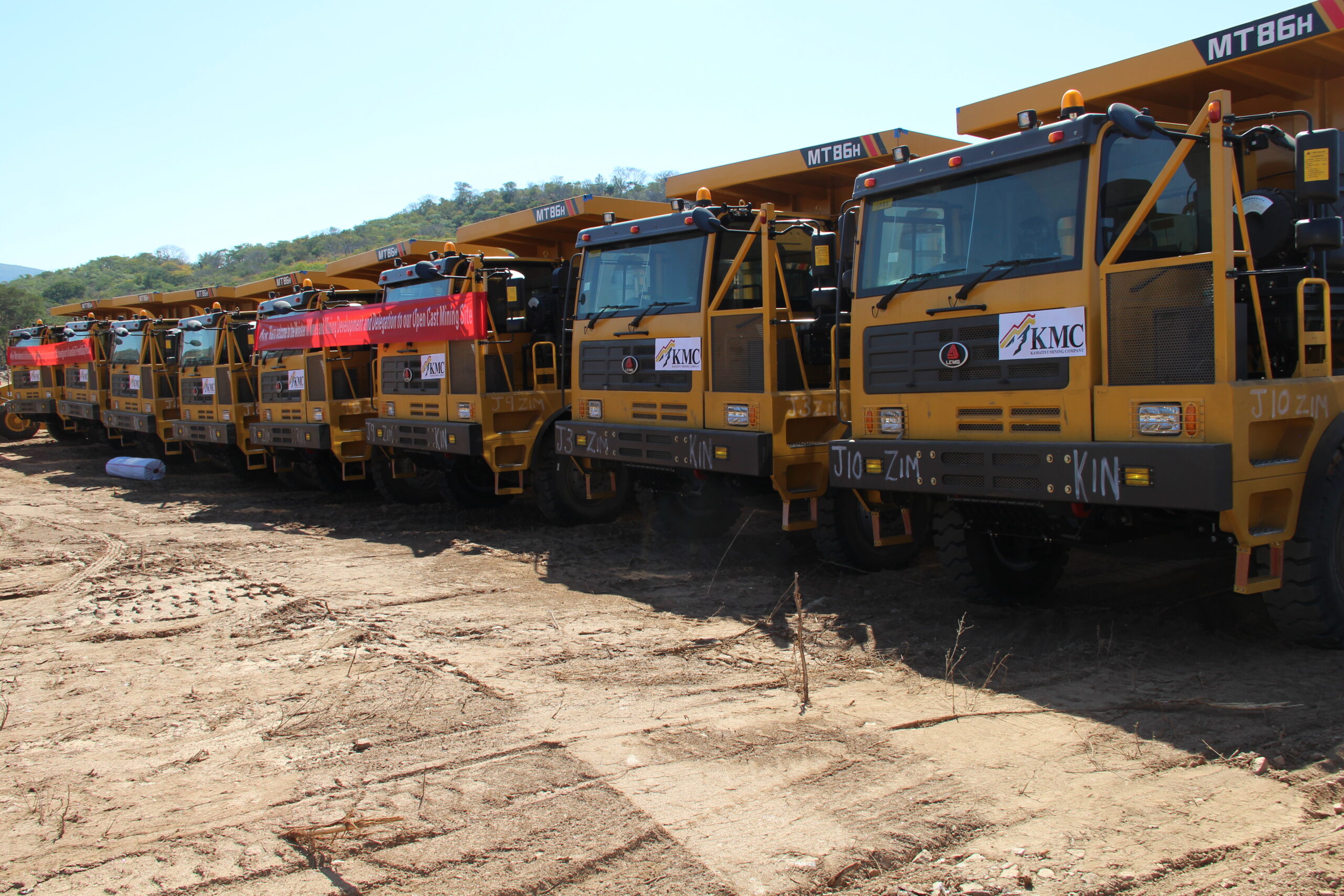

Kamativi Mining Company (KMC) says it is rehabilitating old mine pits while continuing its lithium mining operations at Kamativi, with the company also planning to plant 10,000 trees this year as part of its environmental management programme, Mining Zimbabwe can report.
By Rudairo Mapuranga
Speaking at the Zimbabwe Alternative Mining Indaba (ZAMI) 2026 in Bulawayo, KMC Social Responsibility Officer Mehluli Moyo said the company was dealing with environmental liabilities left by previous mining activities at the historic Kamativi mine.
“Kamativi is not a new mine as you speak. It was previously mined in other basements before, so there were some old pits that were still in existence,” Moyo said.
Kamativi, in Matabeleland North Province, has a long mining history dating back to the development of its tin operations in the 20th century. The mine later closed before activity resumed, with the operation now focused on lithium.
Moyo said KMC had incorporated rehabilitation into its ongoing mining activities, including the restoration of pits that have already been mined out.
“Since we started mining from the old pits and recovering lithium, we are now in the process of rehabilitating all the mined pits,” he said.
“As we are continuing mining, we are currently also rehabilitating the old pits that we have mined out already.”
He acknowledged that historical mining had left a number of open pits and areas of environmental degradation at the site.
“A lot of mined pits were left open and a lot of environmental degradation has happened,” Moyo said.
As part of the rehabilitation programme, KMC plans to plant 10,000 trees this year.
“This year we have also planned to plant 10,000 trees in those areas. This is part of our rehabilitation plan,” he said.
Moyo also outlined measures being taken by the company to reduce its reliance on surface water.
He said KMC was recycling water used in its operations, reducing the amount of surface water required for mining activities.
“The water that we use, we are recycling the water, which has also contributed much that we are no longer using much of the surface water that we drain for our operations,” he said.
The company is also using water from old underground mine workings.
“We have an underground pit that is an old mine, we also utilise in pumping out that water for our operations, which also saves the surface water that we can share with the communities,” Moyo said.
Moyo said the company’s environmental management policy was aimed at ensuring that areas affected by mining were left in a condition suitable for future use.
“In terms of our environmental management policy, we are making sure that where we have worked, we leave the environment in a very good shape, in a very good state,” he said.
He said the company had put measures in place to manage the environmental impacts associated with mining activities, including the use of heavy machinery and blasting.
“Regardless that we are using machinery to mine, we are blasting and so forth, we have worked on so many categories to make sure that our environmental protection plan is implemented,” Moyo said.
The rehabilitation programme comes as environmental management remains a major issue in Zimbabwe’s mining sector, particularly around the restoration of land affected by historical and ongoing mining activities.
For KMC, Moyo said rehabilitation was being undertaken alongside mining rather than being left until the end of the operation.

