



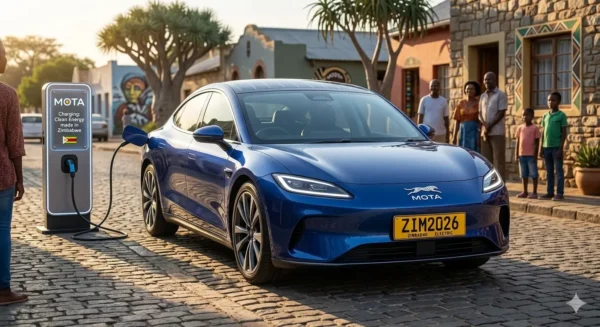

The ongoing global fuel crisis, marked by volatile oil prices, supply chain disruptions, and geopolitical tensions, has exposed the fragility of fossil fuel dependency. For many nations, this crisis has translated into economic strain, inflation, and energy insecurity. However, for Zimbabwe, this moment presents a rare and strategic opportunity, a chance to pivot from being a resource-dependent economy to becoming a value-driven industrial powerhouse.
Rather than viewing the fuel crisis purely as a burden, Zimbabwe can leverage it as a catalyst for transformation, particularly in the rapidly expanding electric vehicle (EV) sector.
A Nation Rich in Battery Minerals
Zimbabwe is uniquely positioned to benefit from the global shift toward clean energy and electric mobility. The country possesses vast reserves of key minerals required for lithium-ion batteries and electric vehicle production. These include:
- Lithium – Zimbabwe is one of the largest lithium producers in Africa, with major deposits in Mberengwa, Bikita, Kamativi and Goromonzi.
- Nickel – Enhances battery energy density and lifespan.
- Platinum Group Metals (PGMs) – Important in electronics and future hydrogen technologies.
- Graphite – A key material for battery anodes.
- Copper – Essential for wiring and electric systems in vehicles.
These minerals form the backbone of electric vehicle manufacturing — giving Zimbabwe a natural competitive advantage.
How Electric Cars Are Made: From Mineral to Machine
To fully appreciate the opportunity, it is critical to understand how electric vehicles are produced and where Zimbabwe fits into the value chain.
1. Mineral Extraction and Processing
The journey begins in the mines. Lithium, nickel, and other minerals are extracted and then processed into battery-grade materials. For example:
- Lithium is refined into lithium carbonate or lithium hydroxide
- Nickel is processed into high-purity compounds
- Graphite is purified for use in anodes
This is the stage where Zimbabwe already plays a major role, but mostly at a basic level. The real value lies in what comes next.
2. Battery Cell Manufacturing
Battery production is the most critical and valuable component of an EV. It involves:
- Cathode production (using lithium, nickel, cobalt or manganese)
- Anode production (mainly graphite)
- Electrolyte formulation
- Cell assembly (stacking or rolling components into battery cells)
These cells are then sealed and tested. Battery manufacturing alone can account for up to 40% of an EV’s total value — making it a strategic industry for Zimbabwe to develop.
3. Battery Pack Assembly
Individual battery cells are grouped into modules and then assembled into a full battery pack. This includes:
- Thermal management systems (cooling)
- Battery management systems (BMS)
- Protective casing and safety electronics
Battery packs determine the vehicle’s range, performance, and safety.
4. Electric Drivetrain Production
Unlike internal combustion engine vehicles, EVs use:
- Electric motors (powered by electricity instead of fuel)
- Inverters (convert DC battery power to AC)
- Power electronics (control energy flow)
These components are simpler, with fewer moving parts, making EV manufacturing less complex in some respects than traditional car production.
5. Vehicle Body and Assembly
The final stage involves assembling:
- The chassis and frame
- Interior systems
- Software and control systems
- Battery pack and drivetrain integration
This is similar to traditional vehicle assembly but with a stronger emphasis on electronics and software integration.
From Resource Exporter to Industrial Producer
The global fuel crisis underscores the urgency of reducing reliance on imported petroleum products. Zimbabwe spends significant foreign currency on fuel imports, placing pressure on its balance of payments.
By moving up the EV value chain, from raw mineral exports to battery and vehicle production, Zimbabwe can:
- Retain more value locally
- Create high-skilled jobs
- Build industrial capacity
- Increase export earnings
Building a Local Electric Vehicle Industry
The case for Zimbabwe to manufacture electric vehicles is both economic and strategic. With the right policy framework and investment climate, the country can establish itself as a regional EV hub.
1. Policy Alignment and Incentives
The government must introduce incentives for local battery and EV production, including tax breaks and export support.
2. Infrastructure Development
Reliable electricity supply is essential — particularly for energy-intensive battery manufacturing.
3. Industrial Clusters
Zimbabwe can develop “battery industrial parks” near mining areas to reduce transport costs and encourage value addition.
4. Strategic Partnerships
Collaborations with global EV manufacturers can accelerate technology transfer and skills development.
5. Skills Development
Technical institutions must train engineers in battery chemistry, electronics, and EV systems.
Reducing Fuel Dependency and Strengthening Energy Security
By embracing electric mobility, Zimbabwe can significantly cut its reliance on imported fuel. This would:
- Save foreign currency
- Reduce exposure to global oil shocks
- Improve energy security
Coupled with renewable energy sources such as solar, EVs can form part of a clean and sustainable national energy system.
A Regional Leadership Opportunity
Africa’s EV market is still emerging. Zimbabwe has a first-mover advantage due to its mineral wealth and strategic location in Southern Africa.
By investing in battery manufacturing and EV assembly, the country can become:
- A supplier of batteries to regional markets
- A manufacturer of affordable EVs for Africa
- A leader in the green energy transition
Turning Crisis into Opportunity
The global fuel crisis is more than a challenge — it is a turning point.
Zimbabwe has all the ingredients needed to build a thriving electric vehicle industry: abundant minerals, a growing industrial base, and access to regional markets. What is required now is bold leadership, strategic investment, and a clear vision.
If the country moves beyond exporting raw materials and begins producing the technologies of the future, the fuel crisis will be remembered not as a setback, but as the moment Zimbabwe accelerated into a new era of industrialisation and economic independence.

