Home Blog Page 105

Zim Gold Industry Needs Over US$1 Billion to Reach 100-Tonne Target, Says Gono

0

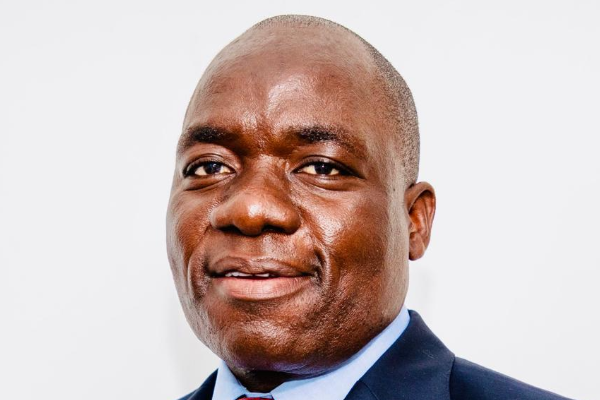
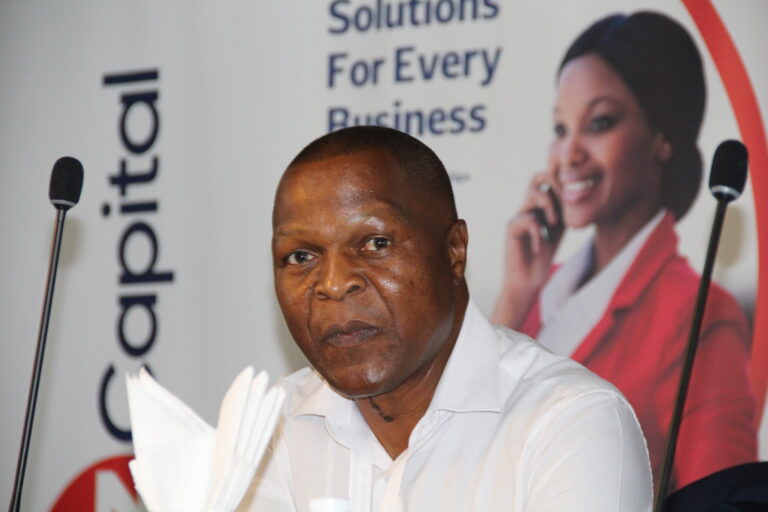
Zimbabwe’s gold sector has the potential to grow into a 100-tonne-per-year industry, but doing so will require more than ambition—it will demand over US$1 billion in fresh capital, targeted policy reform, and structural changes in how the country powers and markets its gold industry, outgoing Chamber of Mines President Thomas Gono said.

By Rudairo Mapuranga

Speaking during the Gold Symposium sponsored by Kuvimba Mining House at the Chamber of Mines Annual Mining Conference and Exhibition 2025 in Victoria Falls on Thursday, Gono delivered a candid assessment of both the successes and constraints facing the gold industry.

He noted that while Zimbabwe’s gold output rose from 32.4 tonnes in 2023 to 38.5 tonnes in 2024, the current production levels fall far short of the government’s 100-tonne vision.

“To reach the 100-tonne target, the sector will require an estimated US$1 billion in capital to ramp up production and sustain expansion,” Gono said. “At present, the local gold industry operates with low capacity, constrained by limited access to capital for both operations and growth.”

Zimbabwe is no stranger to gold. For decades, the precious metal has served as the cornerstone of the country’s mining sector. Today, its significance is reinforced by its use in backing the local currency and anchoring foreign currency reserves.

“Zimbabwe is, by all accounts, a gold mining country,” Gono said. “Throughout our mining history, gold has been a cornerstone of sector growth.”

According to the Chamber, over 1.5 million people are directly or indirectly involved in gold mining activities across the country, with the sector now contributing 43% of total mineral exports—up from 27% in 2020. The mining sector overall accounts for 57% of formal employment.

Yet despite these impressive numbers, a litany of structural and financial constraints continues to hold the sector back, most notably, power.

“Unlike base mineral operations, most gold mines in Zimbabwe, particularly the small to medium enterprises, are not connected to dedicated power lines,” Gono lamented. “Over 60% of gold output comes from the artisanal and small-scale mining sector, which unfortunately continues to operate without reliable power.”

The absence of dedicated and affordable electricity, coupled with an environment of high operating costs, has become a drag on both productivity and profitability.

“Collective efforts are urgently needed to reduce operating costs so that the country can fully benefit from the currently favourable commodity prices,” Gono said. “Should prices soften, as they inevitably do, the sector may face severe challenges.”

Gono made a strong case for investing in exploration as a key to unlocking Zimbabwe’s gold potential. Geoscientific data, he said, indicates that several regions remain significantly underexplored. “We are confident that with increased investment in exploration, new deposits will be discovered, boosting gold output and elevating Zimbabwe’s global standing,” he added.

He also called for a review of how the country markets its gold. The current centralised marketing model, in which all gold must be delivered to a single buyer—Fidelity Gold Refinery—was described as “rigid and unresponsive,” especially for small-scale miners.

“With the majority of production coming from the small-scale sector, gold markets must be brought closer to production centres,” Gono said. “Furthermore, liberalising the marketing framework and decriminalising gold possession will help formalise operations and enable the financial services sector to develop gold-backed instruments for financing the gold sector and their projects.”

On the financial side, he praised Fidelity Gold Refinery (FGR) for moving away from generic payment packages and improving delivery turnaround times.

“We commend Fidelity Gold Refinery for the tremendous effort done in ensuring producers are paid timely,” he said. “We also recognise and appreciate Fidelity’s efforts in promoting responsible gold sourcing, which is vital to preserving the international reputation of Zimbabwe’s gold industry.”

However, the gold sector’s challenges aren’t just operational—they are also systemic. Most operators, especially in the artisanal and small-scale mining (ASM) space, rely on outdated equipment, undermining efficiency and cost-effectiveness. Modernisation, Gono stressed, is not a luxury—it’s a necessity if Zimbabwe is to compete globally.

“The sector continues to rely on antiquated equipment, severely undermining efficiency. This needs to change if we are to scale up production meaningfully,” he noted.

Despite the hurdles, Gono remained optimistic, urging delegates at the symposium to craft bold, actionable solutions. “As you can see, the Zimbabwe gold industry faces a range of challenges and opportunities. It is our hope that this symposium will generate robust and actionable recommendations for policymakers as we collectively strive to grow the sector.”

With high-level backing from both government and industry, and if the right blend of reforms, capital, and technology is applied, Zimbabwe’s goal of becoming a 100-tonne gold producer is not beyond reach. But for now, the road ahead remains steep—and expensive.
Zimasco CEO John Musekiwa Elected Chamber of Mines President

0

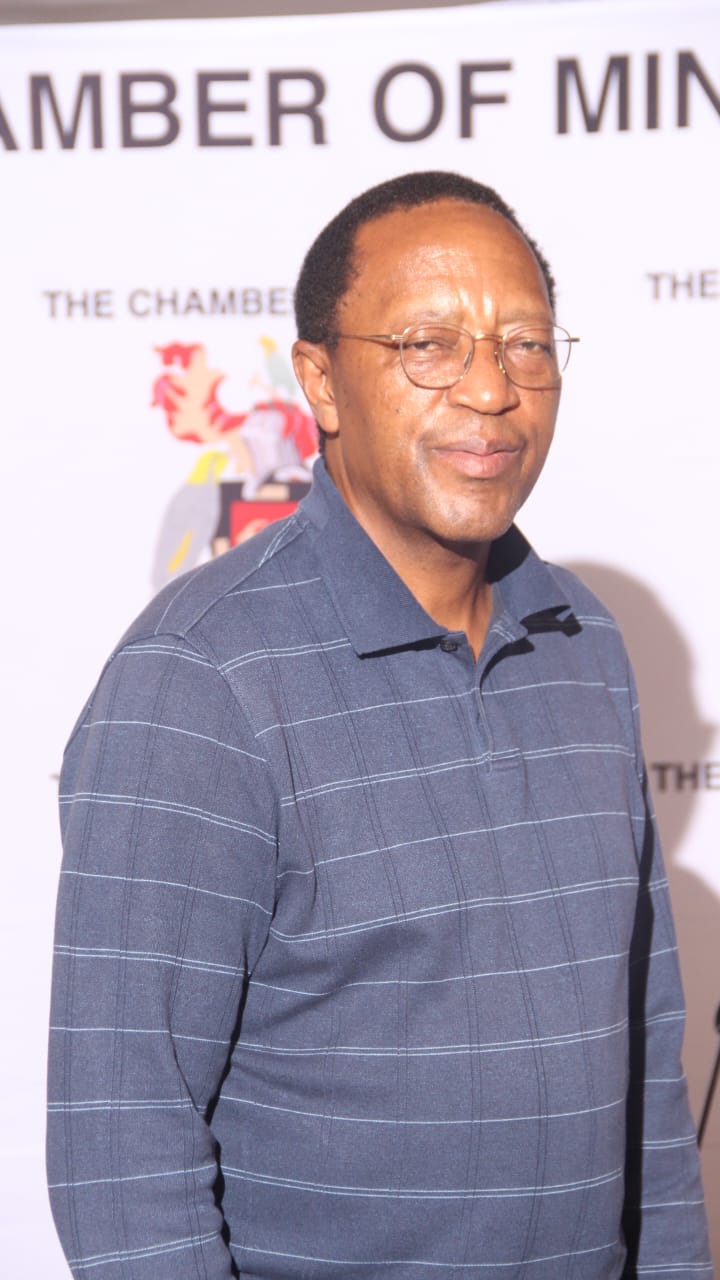
Zimasco CEO John Musekiwa, has been appointed the new President of the Chamber of Mines of Zimbabwe. The announcement was made at the ongoing Annual Mining Conference taking place in Victoria Falls, a key event on Zimbabwe’s mining calendar.

Kelvin Sungiso

Musekiwa’s election marks a new chapter for the Chamber, as he steps into the role previously held by Thomas Gono, who led the organization over the past two years. His appointment comes through the Chamber of Mines Council, the industry’s highest policy-making and elective body.

Joining Musekiwa in the leadership team are Munashe Shava, CEO of GDI, who has been named First Vice President, and Fungai Makoni, Managing Director of Mimosa Mining Company, as Second Vice President.

Munashe Shava

Fungai Makoni

The new leadership is expected to guide the Chamber through to the year 2026.

More updates from the conference to follow.

ZimAlloys Strengthens Ties with Insiza-Dolo Community as Chrome Mining Expansion Begins

0

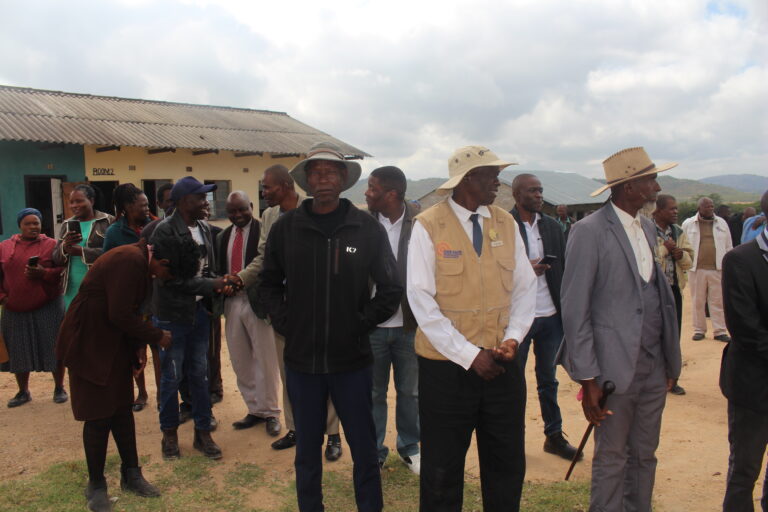
In a significant step toward inclusive development, Kuvimba Mining House–owned ZimAlloys has engaged the Dolo/Insiza community in a landmark consultative meeting aimed at aligning its chrome mining operations with local aspirations, Mining Zimbabwe can report.

ZimAlloys held a Community Engagement Day with the Insiza community, bringing together traditional leaders, residents, and company representatives. The event marked a new chapter of collaboration between the miner and the community in which it operates.

The meeting comes as ZimAlloys, ramps up chrome extraction activities in the region. However, rather than imposing operations from the boardroom, the company has opted for a bottom-up approach—listening first to the needs of the people whose land and livelihoods are directly affected.

At the heart of the engagement was a candid dialogue about pressing local needs: healthcare access, water security, road infrastructure, and education. Community members emphasized that development must go beyond mineral extraction and address critical social and economic challenges.

Dalindyebo Miso-Mbele, General Manager of ZimAlloys, reassured attendees that the company is committed to working hand-in-hand with the community.

“I would like to thank you all for the work you have done. I represent ZimAlloys, and we have come to extract chrome. We heard your concerns, and we are committed to fulfilling your wishes as we work together to ensure the community is well supported,” Miso-Mbele said.

He further pledged that ZimAlloys would adopt responsible mining practices, including backfilling excavated pits and reforesting mined areas.

“We also promise to replant trees in the areas we mine. Thank you for your warm welcome, and we hope to work together efficiently going forward,” he added.

As a symbol of goodwill, ZimAlloys presented a donation to the community, including a motorcycle, signaling its intent to forge a partnership based on mutual respect and shared benefits.


Respecting the Land and Its People

Chief Chizungu, the traditional leader of the area, welcomed the engagement but was candid about the community’s expectations. He praised President Emmerson Mnangagwa’s efforts to attract investment but stressed the importance of respecting local customs and safety standards.

“I would like to thank President ED Mnangagwa, who invited investors to work with our communities. We agreed on many things, both good and challenging. One agreement was that when digging, miners must respect the community chiefs. We also agreed that they must fill in all pits to prevent danger to children,” said Chief Chizungu.

He expressed optimism that ZimAlloys’ engagement would bring tangible progress, adding:

“I hope we will see progress now that Mr. Miso from ZimAlloys has come here and met with us. We must build our own country, as the President always says, so we do not have to keep asking and asking.”


Beyond Mining: Building Together

ZimAlloys outlined a roadmap that places the community at the center of its operations. Steering committees focusing on infrastructure development, health, education, and employment will be established to ensure local participation in decision-making.

Key proposed projects include:

  • Rehabilitation of roads
  • Construction and maintenance of a dam to alleviate water shortages
  • Installation of dip tanks for livestock health
  • Upgrades to local school facilities

The company also committed to supporting local enterprises and promoting employment opportunities for residents within its mining operations.

For ZimAlloys, the success of chrome mining in Insiza will now be measured not just by production output, but by the quality-of-life improvements it brings to the Dolo/Insiza community.

The challenge ahead is clear: to strike a balance between commercial interests and genuine community upliftment. With dialogue now firmly established, the responsibility lies with ZimAlloys to deliver on its promises.

Stay Alert, Stay Safe: Surge in Criminal Activity Near ZSM Demands Heightened Safety Awareness

0

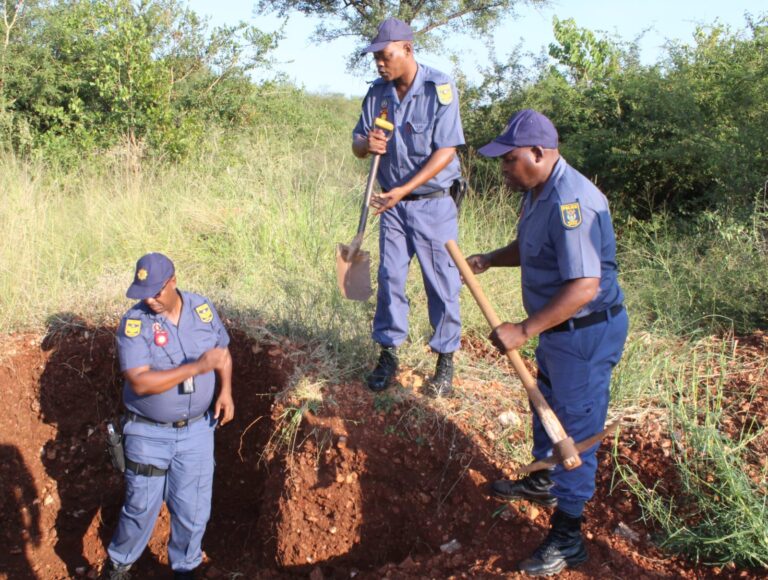
The Zimbabwe School of Mines (ZSM) has issued an urgent security alert following a concerning increase in criminal activity near the Bulawayo City Council Pit, adjacent to Cecil Roberts and opposite New Parklands. The institution is calling on all staff, students, and community members to prioritize personal safety amid a rise in illegal gold panning in the area.

By Rudairo Mapuranga

According to ZSM’s Security Department, the presence of artisanal miners has unintentionally attracted criminal elements, turning the area into a high-risk zone. While the miners themselves are not to blame, opportunistic criminals are targeting both the miners and innocent passersby.

“The area has become a hotspot for gold panners, with activity occurring around the clock. This has unfortunately led to a spike in robberies and assaults,” reads the ZSM advisory. “Criminals initially prey on the miners but often turn to unsuspecting pedestrians and motorists when their attempts fail.”

Protect Yourself: Safety Tips from ZSM

To ensure the well-being of its community, ZSM strongly advises everyone to adopt the following safety precautions:

  • Avoid unnecessary movement near the City Council Pit and surrounding Killarney area.

  • Keep vehicle windows closed and doors locked when driving through the vicinity.

  • Do not pick up strangers or hitchhikers in the area.

  • Refrain from carrying large amounts of cash or visible valuables.

  • Use only registered public transport — avoid offering or accepting lifts in private vehicles.

  • Stay alert and report suspicious activity immediately.

ZSM has also shared emergency contact numbers for the Zimbabwe Republic Police (ZRP) Khumalo, the Killarney Neighbourhood Watch, and its internal security team to facilitate rapid response in case of incidents.

The Bigger Picture: Informal Mining and Public Safety

While this is a local security concern, it also reflects broader national dynamics. Artisanal and small-scale mining (ASM) plays a key role in Zimbabwe’s economy, particularly in underserved communities. Yet, the informal nature of these operations often leaves both miners and the surrounding public vulnerable to criminal exploitation.

“Criminals are not just harassing miners—they’re threatening public safety,” the ZSM Security Department warned. “We must all remain vigilant.”

Call to Action: Safety Is Everyone’s Responsibility

Institutions like ZSM are doing their part to inform and protect. But safety begins with awareness. Whether you are a student, a staff member, or a resident of nearby communities, stay cautious, stay informed, and stay safe.

“The safety and well-being of all ZSM staff and students remains our utmost concern,” the advisory concludes. “Let us all work together to protect one another.”

For now, vigilance is not just recommended—it’s essential.

Shava Appointed Administrator of Shabanie and Mashaba Mines as Government Moves to Resuscitate Collapsed Giant

0

After two decades of broken promises and dashed hopes, the Zimbabwean government has taken a bold step to breathe life back into one of the country’s most iconic mining giants — Shabanie and Mashaba Mines (SMM).

By Rudairo Mapuranga 

Munashe Shava, a respected mining executive and turnaround strategist, has been appointed as the new administrator of SMM under a fresh 24-month reconstruction order, as gazetted on Friday.

A New Sheriff in Town

The appointment, made under General Notice 1007 of 2025 in accordance with the Reconstruction of State-Indebted Insolvent Companies Act [Chapter 24:27], was confirmed by Justice Minister Ziyambi Ziyambi after consultation with the Minister of Finance.

Shava’s resume speaks for itself. He currently oversees the reconstruction of Hwange Colliery, leads the Platinum Group Metals cluster at Kuvimba Mining House, chairs the Zimbabwe Consolidated Diamond Company (ZCDC), and holds a leadership role at Kamativi Mining Company. Now, he’s being asked to work his magic at SMM — a place many had written off as lost to history.

SMM: A Fallen Giant

Once the pride of African asbestos production, SMM employed over 5,000 workers and exported chrysotile asbestos across the globe. But the early 2000s marked the beginning of a dramatic downfall. Global asbestos bans, aging infrastructure, ownership wrangles — particularly involving businessman Mutumwa Mawere — and years of mismanagement all conspired to bring operations to a standstill.

Since then, the mines in Zvishavane and Mashava have become ghost towns. Their silent headgear and rusting conveyor belts tell a story of abandoned ambition.

Decades of False Dawns

For years, government officials have repeatedly claimed that revival was just around the corner. Each promise rekindled hope in nearby communities — only to be followed by silence and inaction. In April 2025, government spokesperson Nick Mangwana admitted that investors who had signed contracts and even advertised jobs failed to secure funding. “It’s the same thing… an investor failing to secure funding,” he said, describing the reopening efforts as little more than a “pipe dream.”

Locals are tired of the rhetoric. “We’ll believe it when we see smoke coming out of the chimneys again,” said one former employee.

Can Shava Break the Curse?

If anyone can rewrite this narrative, it could be Munashe Shava.

At Hwange Colliery, he orchestrated a dramatic turnaround by securing a US$50 million investment from Zhong Jiani Investments for a new underground coal mine. Under his leadership, the struggling company stabilized operations, doubled coal output, and began clearing salary arrears.

His work hasn’t gone unnoticed — in 2024, he was named Outstanding Public Sector Chairperson at the CEO Network Awards for his efforts at ZCDC and other state mining firms.

Now at SMM, Shava faces his toughest assignment yet. His task will include forensic audits, asset valuations, and crafting a viable recovery strategy — possibly including diversification into other minerals or industries.

The Asbestos Challenge

Still, even with the best leadership, the elephant in the room remains: asbestos. Global demand has plummeted. Health risks have led to outright bans in most countries. Finding a serious investor for a multimillion-dollar asbestos revival is a long shot.

Economists agree: “This is not just about fixing a mine. It’s about reinventing it for a new era,” said one analyst.

A Future Beyond Asbestos?

Speculation is already swirling about possible alternatives. Lithium exploration. Solar energy farms. Agro-industrial zones. These ideas could align with Zimbabwe’s growing focus on green minerals and sustainable development.

What’s clear is that the community is watching, and waiting.

A Community’s Last Hope?

For the people of Zvishavane and Mashava, Shava’s appointment isn’t just another government reshuffle. It’s the latest — and possibly last — chance for meaningful change. Generations have grown up hearing that the mines will one day roar back to life. Many are hoping Shava’s appointment will finally turn that hope into reality.

Gold buying prices per gram in Zimbabwe today, 16 May 2025

Gold buying prices per gram in Zimbabwe today, 16 May 2025, from the official gold buyer and exporter Fidelity Gold Refinery (FGR).

SG 90% and ABOVE US$96.95/g.
SG ABOVE 89% BUT BELOW 90% US$95.92/g.
SG ABOVE 80% BUT BELOW 85% US$94.89/g.
SG ABOVE 75% BUT BELOW 80% US$93.87/g.
SAMPLE BELOW 10g BUT ABOVE 5g US$92.33/g.

Fire Assay CASH $97.46/g.

NB: Fire Assay cash price is for gold above 100g; no sample is deducted.
A sample of not more than 10g is deducted for the Fire Assay Transfer price.
A 2% royalty is charged on all deposits (Small-scale miners).
A 5% royalty is set for Primary Producers.

All Set for 2025 COMZ Annual Mining Conference and Exhibition

0

All preparations are complete for the 2025 Chamber of Mines of Zimbabwe’s (COMZ) Annual Mining Conference and Exhibition, scheduled to take place from May 21 to 24, 2025, at the Elephant Hills Resort in Victoria Falls.

By Ryan Chigoche

This event is set to be one of the most important gatherings of mining stakeholders in the region this year, bringing together industry leaders, policymakers, and experts to shape the future of Zimbabwe’s mining sector.

The 2025 conference will be held under the theme, “Unlocking Growth Potential for the Zimbabwe Mining Industry.” This theme reflects a collective commitment to creating an environment that supports sustainable growth and drives the economic transformation Zimbabwe aims to achieve.

Speaking to journalists at the Chamber’s headquarters, COMZ CEO Isaac Kwesu highlighted the broad range of topics to be discussed during the conference. He said:

“We have a number of thematic issues that will cover these aspects. We will also be discussing local content and empowerment in the mining industry, energy and other infrastructure matters that are key to the mining sector, and exploration in the mining industry, which I think will be a topical issue, especially when we talk about how to develop and grow our mining industry. The prospects of the coal and fossil fuel sector, including oil, will also be a main session. We will have speakers from the coal industry sharing how their projects have been growing, as well as updates on oil exploration in Musarabani.”

Kwesu also emphasised the long-standing tradition and impact of the conference:

“We have been hosting this conference since time immemorial. These are platforms where key stakeholders meet not just to discuss but also to resolve issues. Our experience has been that these conferences are very impactful. In the past, we have seen several issues undermining our sector being resolved, sometimes during briefings with the minister or the president, or through the outcomes shared at the conference.”

The conference will span four days, starting on May 21, which will feature closed-door sessions including the Constitutional Council meeting and the AGM. These meetings are important for renewing membership, electing leadership, and addressing key governance matters.

On May 22, two mineral-specific symposiums will be held. The morning will focus on gold, featuring keynote speakers such as Mr. Mzila Mthenjane, CEO of the Minerals Council of South Africa; Mr. Joshua Mortoti, Executive Vice President and Head of West Africa for Gold Fields; and Mr. Sakliff, Managing Director of Comstack.

In the afternoon, the Platinum Group Metals (PGM) Indaba will be hosted. Kwesu explained that this Indaba will discuss pertinent issues in the PGM sector.

Presentations will be given by regional and international experts, including Mr. Kos from CFA Oxford, who will share global perspectives on the PGM industry, recent market developments, and the price outlook.

The main conference will take place on May 23, officially opened by the guest of honour, Winston Chitando, Minister of Mines and Mining Development.

Other notable speakers include John Mushayavanhu, Governor of the Reserve Bank of Zimbabwe; David Mnangagwa, Deputy Minister of Finance and Economic Development; and Regina Chinamasa, Commissioner General of the Zimbabwe Revenue Authority.

They will address vital topics such as the mining sector’s contribution to the economy, fiscal and tax policies affecting mining, local content and empowerment, infrastructure challenges, exploration opportunities, prospects in the coal and fossil fuel sectors, oil exploration in Musarabani, and Environmental, Social, and Governance (ESG) issues.

The final day, May 24, will offer a relaxed setting with networking opportunities, including a golf tournament and business matching sessions to help participants forge new partnerships and strengthen existing ones.

With a strong lineup of speakers and a comprehensive agenda, the 2025 COMZ AGM and Conference promises to be a landmark event, unlocking the growth potential of Zimbabwe’s mining industry and playing a key role in the country’s economic transformation.

Zimbabwe Police Call on Public to Identify Victims of South Africa Mining Tragedy

0

The Zimbabwe Republic Police (ZRP) has issued an urgent appeal to the public for assistance in identifying and locating the families of 20 Zimbabwean nationals who perished in a tragic mining accident in South Africa during the ongoing “Operation Vala Umgodi,” Mining Zimbabwe can report.

By Rudairo Mapuranga

In a statement released yesterday, the ZRP confirmed that this appeal follows a formal request from the Ministry of Foreign Affairs and International Trade, after official communication from South African authorities. Efforts are now underway to ensure the victims are identified and their remains are repatriated to Zimbabwe for a dignified burial.

The accident, which claimed the lives of Zimbabwean nationals believed to have been involved in mining activities, has left a trail of devastation. While full identification is still in progress, preliminary information strongly indicates that all the deceased are Zimbabwean citizens. The ZRP has since released a list of the victims whose identities have been verified to varying degrees.

Among those confirmed dead are Bothwell Mlambo, Bobo Sithole—whose next of kin has been identified as Maggie DzivaGladman Mlambo, Blessing Mlambo, and an individual known only as Shepherd, whose surname is yet to be established. Also among the deceased is Kenisa Majoni, with his brother Shadhi Maji listed as the next of kin, as well as Benard Mamombe and Trust Makitisa, whose family has been identified as Meshack Ziyaduma and Lazarus Ziyaduma.

The tragedy also claimed the life of Jairosi Pasa, with his family contacts confirmed as Simon Maronga, Enes Mahachi, and Kenas Pasi. Other victims include Moses Chidumba, Thomas Chipanza, Jack Mlambo Maeza—whose next of kin is Joseph Mlambo—and Edzai Mlambo Maeza. Additionally, Make Mlambo, connected to Kenas Mlambo, and Pindirai Dumbarimwe, also linked to Kenas Mlambo, have been identified among the deceased.

Further names on the list include Tendai Mubaiba, Mebishengs Mutubuki, Tinashe Shangure, Tafadzwa Ndlovu, and Justice Mwapinda. Authorities continue to work tirelessly to obtain full particulars for those individuals whose identities remain incomplete.

Speaking on behalf of the Zimbabwe Republic Police, Commissioner P. Nyathi, Chief Staff Officer for Press and Public Relations, appealed to members of the public to assist in this critical identification process. He urged anyone with information related to the deceased individuals or their families to urgently contact the National Complaints Desk on (0242) 703631 or to use the ZRP’s WhatsApp line at 0712 800197. Members of the public can also report any helpful information to their nearest police station.

Commissioner Nyathi highlighted the importance of public cooperation in bringing closure to the affected families and ensuring the dignified return of their loved ones. The ZRP emphasised its commitment to informing the public as more information becomes available.

This incident has once again cast a harsh spotlight on the dangers faced by Zimbabweans working in unsafe and often illegal mining operations across borders. For many families, the search for better livelihoods has turned into a heartbreaking tragedy. The task now lies in ensuring that the deceased are afforded the dignity of identification and a proper burial back home.

Global EV Market Sees Strong Yearly Gains with Zim Lithium Sector Poised for Significant Growth

0

The global electric vehicle (EV) market continued its upward trajectory in February 2025, posting strong year-over-year growth despite a slight slowdown in monthly sales, according to Adamas Intelligence’s latest report.

By Ryan Chigoche

This positive trend comes at a time when Zimbabwe’s lithium sector is set to grow significantly, with production expected to reach 3.26 million metric tons in 2025, up from 2.47 million metric tons in 2024.

This surge in Zimbabwe’s lithium production aligns with the growing global demand for battery materials, positioning the country as a key supplier for the expanding EV industry.

According to Adama’s Intelligence February battery raw materials deployment report ,a total of 1.79 million passenger EVs—including battery electric vehicles (BEVs), plug-in hybrids (PHEVs), and hybrid electric vehicles (HEVs) were sold worldwide during the month, according to Adama Intelligence.

While this marked a 4% decline from January, it represented a robust 37% increase compared to February 2024, signaling continued consumer interest and market resilience.

Regional dynamics varied, with the Asia-Pacific region seeing the most pronounced growth. Although sales dipped 6% month-over-month, they surged 54% year-on-year. Europe followed with a 12% annual increase, while the Americas stood out as the only region to post a month-over-month gain, up 4% compared to January and 21% over the previous year.

Battery deployment trends mirrored the sales data. In total, 62,237 megawatt-hours (MWh) of battery capacity were installed in new passenger EVs globally—a 2% drop from January but a notable 49% increase year-over-year. Chinese battery giant CATL led the pack with 17,900 MWh deployed, while automaker BYD topped the charts among vehicle manufacturers with 7,904 MWh.

Adama Intelligence attributes part of the battery capacity growth to changing vehicle preferences. BEV and PHEV sales are rising faster than those of HEVs, resulting in a 9% increase in the average battery size per vehicle compared to February 2024. This indicates a shift toward longer-range, fully electric models, particularly in markets with expanding charging infrastructure.

As EV production rises, demand for key battery materials is also intensifying.

In February, 35,957 tonnes of lithium carbonate equivalent (LCE) were used in EV batteries—a 46% increase from the same month last year. Nickel use followed a similar pattern, with 23,143 tonnes deployed globally—up 25% year-on-year. Tesla led among automakers with 3,181 tonnes, while CATL topped the list of suppliers with 5,718 tonnes. However, the average nickel content per EV battery declined by 8%, hinting at a continued shift toward alternative chemistries.

Cobalt deployment rose to 3,970 tonnes an increase of 14% from the previous year despite a 6% month-over-month drop as manganese use in EV batteries totaled 4,896 tonnes, up 18% year-on-year. Volkswagen took the lead among automakers for the month, while CATL remained the top cell supplier. Meanwhile, graphite an essential component in nearly all EV batteries saw a 52% year-on-year increase, with 57,475 tonnes deployed globally. CATL and BYD again led in graphite deployment.

Following these global trends, Zimbabwe is emerging as a strategic supplier of battery minerals, particularly lithium, which is essential to the expanding EV industry. With some of the world’s most promising hard-rock lithium reserves, the country is increasingly viewed as a key link in the global supply chain.

According to the Chamber of Mines Zimbabwe, the local lithium sector is set for a strong performance in 2025, with production expected to rise to 3.26 million metric tons up from 2.47 million metric tons in 2024.

The growth will be largely driven by the ramp-up of operations from new producers that came online in 2024, alongside major investments aimed at expanding processing capacity across the country.

Among the key contributors to this surge is Bikita Minerals, which plans to invest US$100 million in smelting infrastructure in 2025.

This initiative, part of a broader US$500 million project, is expected to increase smelting capacity by 95%, with completion targeted for December 2025.

In parallel, Sandawana Mine is advancing a US$28 million investment in a lithium concentrate processing plant, scheduled for commissioning by March 2026. The facility is projected to double the mine’s production capacity, reaching 500,000 tonnes of concentrate annually.

Beyond raw extraction, the Zimbabwean government is encouraging local value addition, including plans for domestic lithium hydroxide processing, which would elevate the country from an exporter of raw ore to a producer of refined battery inputs.

The government has also implemented measures to regulate and formalize the sector, aiming to ensure sustainable development while maximizing long-term economic benefits.

With the global shift toward clean transportation accelerating, Zimbabwe is well-positioned to supply the essential raw materials powering the transition. As EV production scales up worldwide, so too will the importance of resource-rich nations like Zimbabwe in ensuring the resilience of global supply chains.


Dinson Considers Partnering ZMF to Promote Sustainable Mining among ASM in Manhize

0

In a significant move toward sustainable mining development in Zimbabwe, Dinson Iron and Steel Company (DISCO) has expressed interest in partnering with the Zimbabwe Miners Federation (ZMF) to champion responsible and environmentally conscious mining practices among artisanal and small-scale miners (ASM) operating in Manhize, Mining Zimbabwe can report.

By Rudairo Mapuranga

The announcement was made by Pela Mtunzi, Head of the ESG (Environmental, Social, and Governance) Department at DISCO, during a recent stakeholder engagement in Chivhu. Mtunzi highlighted the company’s extensive efforts in promoting sustainability, social development, and environmental stewardship—initiatives which DISCO now hopes to extend to the surrounding ASM community through strategic partnerships.

“We have a lot of small-scale miners around the plant, and it will be very exciting to work with ZMF, especially in terms of sustainable mining and keeping the environment safe,” Mtunzi said. “It’s our environment—we would like it to be there for a long time.”


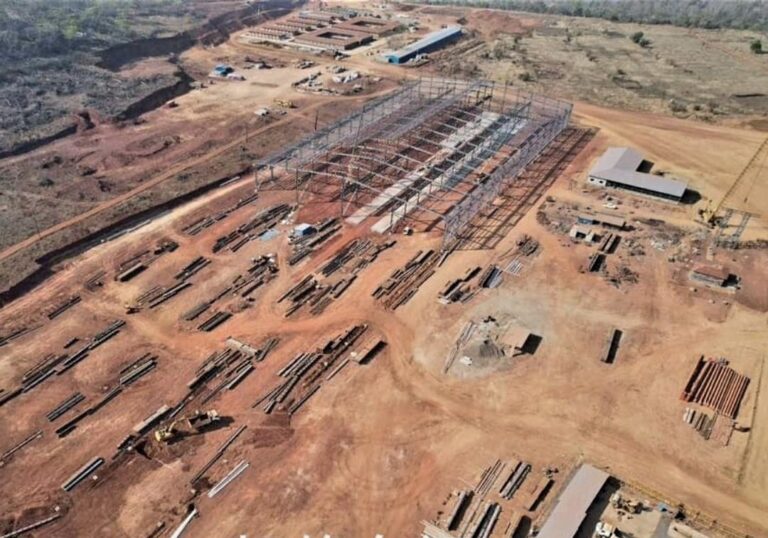
DISCO, a subsidiary of Tsingshan Holdings Group and one of the largest Chinese investors in Zimbabwe, has been setting benchmarks in ESG compliance. The company’s iron and steel plant in Manhize, Midlands Province, is already contributing to the national economy through employment, infrastructure development, and environmental care.

Mtunzi outlined the company’s shift from mere donations to building resilient communities. “We don’t donate—we build with communities to ensure that the development is sustainable,” she stated.

Projects spearheaded by DISCO include modern housing for relocated families, electrification of homes, support for local farmers, borehole drilling, and solarisation of schools. The company has also made strides in disaster relief and education, providing sports equipment and helping restore schools affected by floods.

Additionally, DISCO’s employment policy reflects its commitment to local empowerment. Residents of Chikomba and Churumanzu are given first preference in job opportunities, with most of the unskilled labour force drawn from surrounding villages. Skills transfer programs pairing Chinese and Zimbabwean engineers are also in place, creating a technically proficient local workforce.


Mtunzi also emphasized DISCO’s commitment to sport and youth engagement through the Dinson Mvuma Football Club. The Division One club is co-owned by the company and local community and has become a source of pride and opportunity for young people.


“We believe this is going to be a game-changer for local football,” said Mtunzi, encouraging partnerships to support the club. She noted that corporate backing like that from DISCO can revive the local football ecosystem, which has struggled with sponsorship in recent years.


ZMF, the mother body of ASM in Zimbabwe, has long championed the formalisation and sustainable development of the sector. A collaboration between DISCO’s ESG Department and ZMF could unlock new pathways for ASM compliance with environmental regulations, safety standards, and community engagement practices.


The potential partnership comes at a time when ASM is under increased scrutiny for environmental degradation and unsafe working conditions. With support from a major player like DISCO, there is hope that ASM in Manhize and surrounding areas can become models of sustainable resource extraction.


DISCO’s ESG leadership is setting the stage for a broader transformation in Zimbabwe’s mining landscape—one that respects the environment, uplifts communities, and integrates the informal sector into the country’s sustainable development goals. The company’s willingness to work with ZMF marks a crucial step toward inclusive and responsible mining that could serve as a blueprint for others to follow.